

Leaf of Life Plant Benefits, Uses, Tea & Care Guide
Introduction
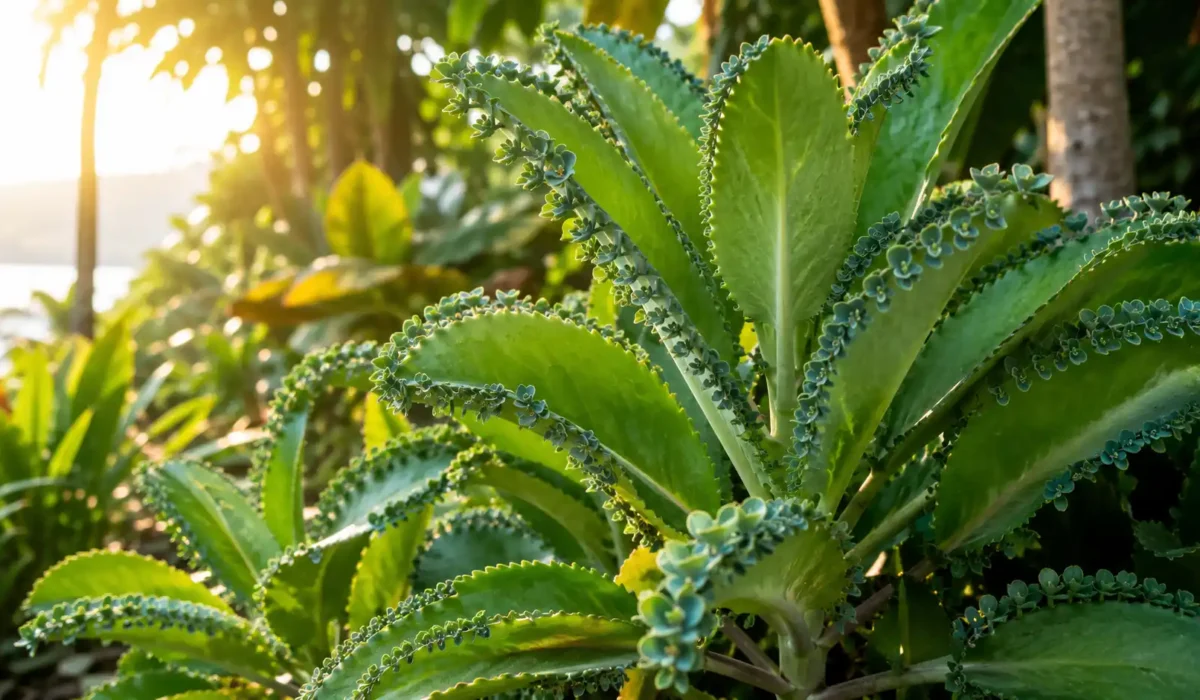
The leaf of life plant (Bryophyllum pinnatum), also known as Kalanchoe pinnata, is a medicinal succulent widely recognized for its traditional healing uses across tropical regions of the world. Commonly known as miracle leaf, life leaf, cathedral bells plant, life plant, and exotic pear, it has been used for generations in Caribbean herbal medicine, particularly in Jamaica, as well as in African and South Asian folk healing traditions.
Valued for its potential respiratory, anti-inflammatory, wound-healing, and immune-supporting properties, the leaf of life plant remains one of the most well-known medicinal herbs in traditional natural medicine. This article explores its benefits, uses, preparation methods, scientific evidence, and practical applications.
For a full breakdown of how houseplants and herbs support your health, see our complete guide to plant benefits and natural wellness.
Quick Summary
- The leaf of life plant (Kalanchoe pinnata) is a succulent herb widely used in traditional and natural medicine.
- Its primary benefits include respiratory support, anti-inflammatory effects, wound healing, digestive support, and skin care.
- It can be consumed as tea, applied topically, or eaten raw in small amounts.
- The plant contains flavonoids, phenolic compounds, triterpenes, and bufadienolides that contribute to its medicinal properties.
- Both spiritual and medicinal uses are documented throughout Caribbean, African, and South Asian cultures.
What Is the Leaf of Life Plant?
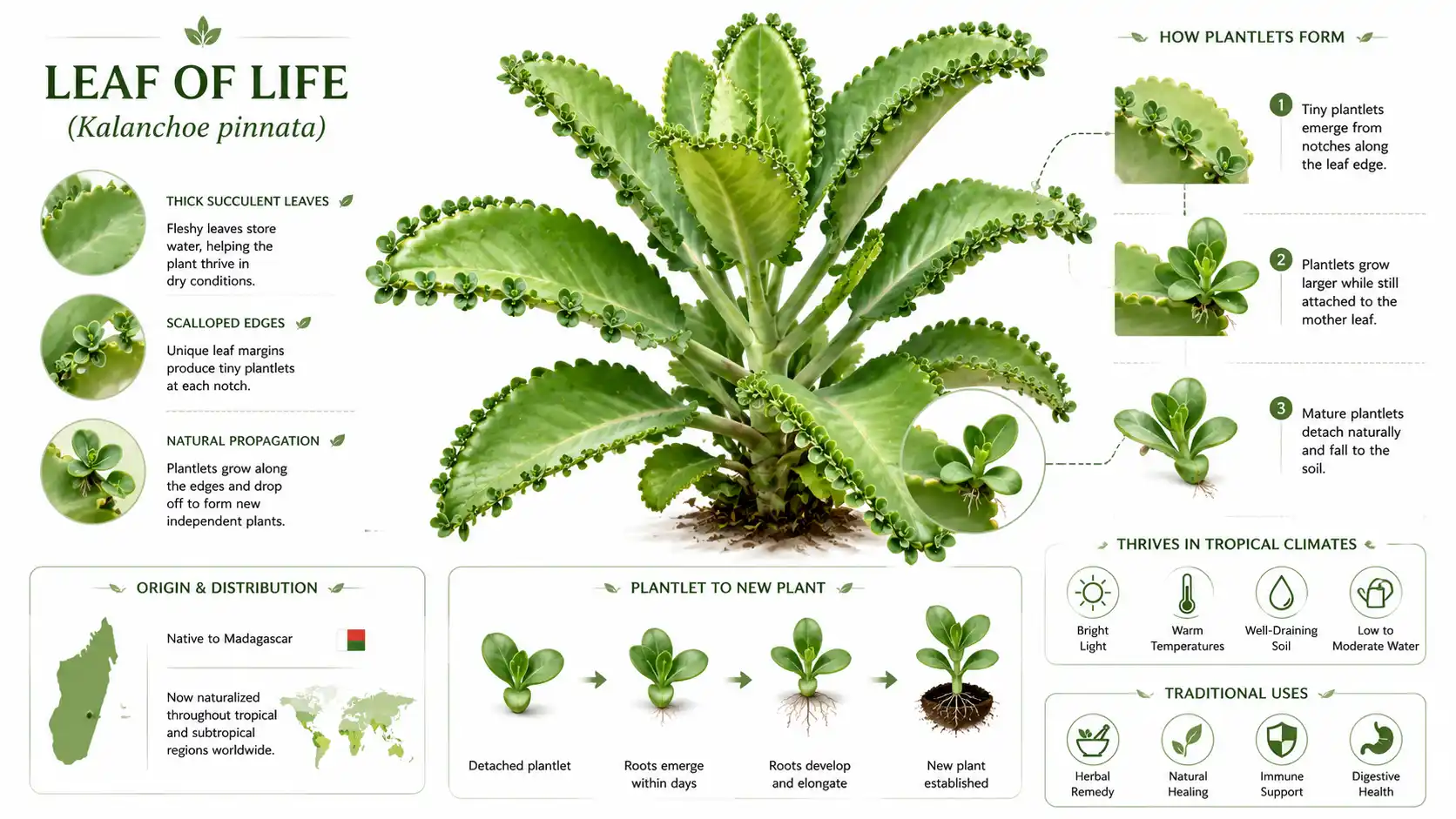
The leaf of life plant is a perennial succulent belonging to the Crassulaceae family. Botanically classified as Bryophyllum pinnatum or Kalanchoe pinnata, it is known for its remarkable ability to reproduce from small plantlets that form along the edges of its leaves.
Over time, the plant has acquired numerous common names, including:
- Leaf of life
- Miracle leaf
- Life leaf
- Cathedral bells plant
- Life plant
- Plant of life
- Exotic pear
The plant typically features thick, fleshy green leaves with scalloped margins. One of its most distinctive characteristics is the formation of tiny plantlets along the leaf edges. These plantlets can detach, root, and grow into entirely new plants, making propagation exceptionally easy.
Although the species originated in Madagascar, it has become naturalized throughout tropical and subtropical regions worldwide. Today, it grows extensively across the Caribbean, Africa, South Asia, Southeast Asia, and parts of Central and South America.
In Jamaica, the bryophyllum plant occupies a special place in traditional bush medicine. Many households cultivate it specifically for preparing herbal remedies intended to support respiratory health, wound care, and general wellness.
Leaf of Life Plant Benefits — Full Overview
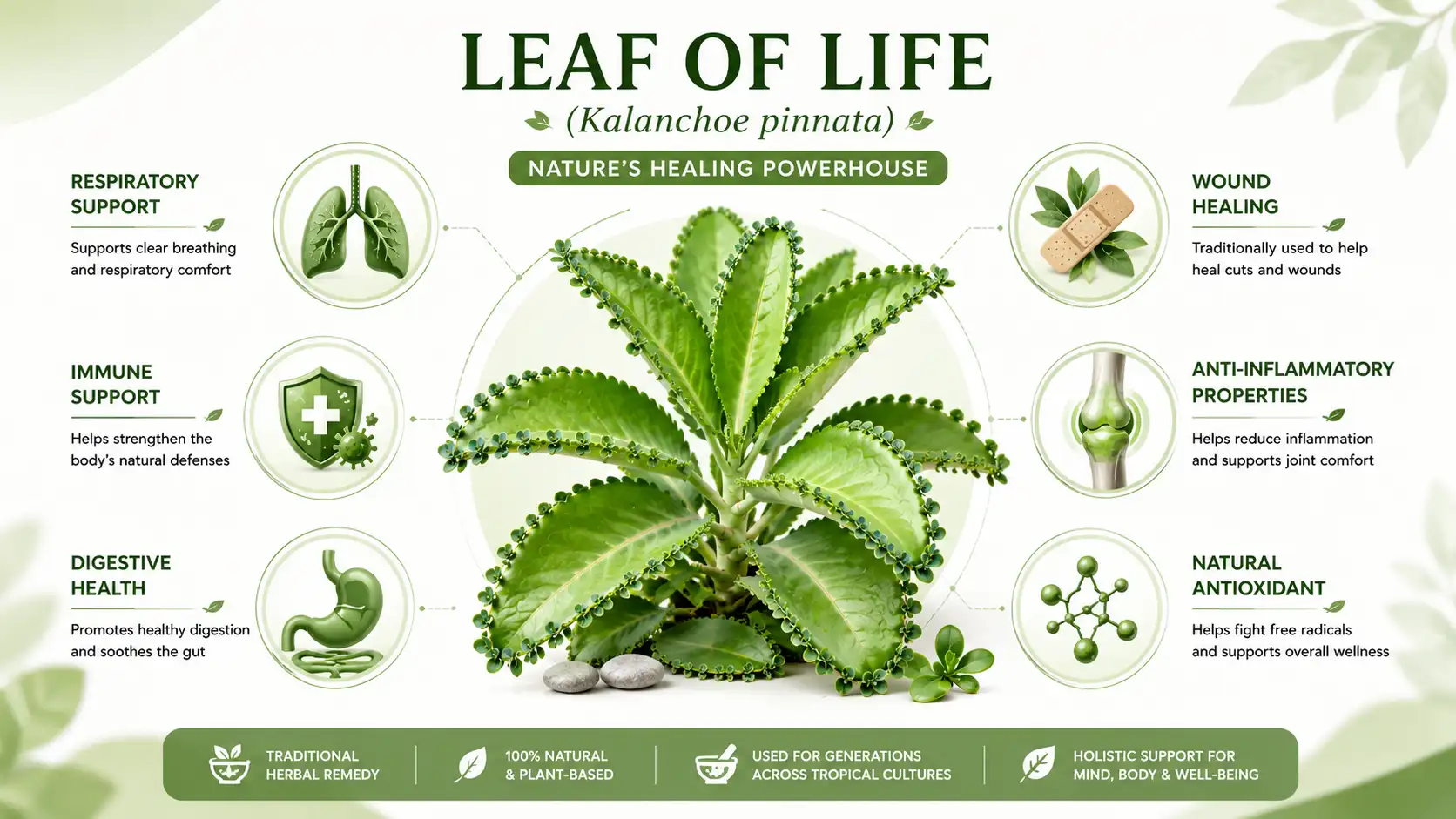
The leaf of life plant is valued for a broad range of traditional medicinal uses. Modern phytochemical analysis has identified several biologically active compounds that may contribute to these effects, including:
- Flavonoids
- Bufadienolides
- Phenolic compounds
- Triterpenes
- Organic acids
- Antioxidant compounds
These substances have attracted scientific interest because of their potential anti-inflammatory, antimicrobial, antioxidant, and tissue-healing properties. While many benefits are rooted in traditional medicine, researchers continue to investigate the plant’s therapeutic potential.
Leaf of life is one example of how plants can contribute to broader wellness and wellbeing at home. For a wider look at the evidence behind houseplant health and environmental benefits, see our guide to the benefits of indoor plants.
Respiratory and Breathing Support
One of the most common traditional uses of leaf of life is supporting respiratory health. For generations, herbal practitioners have used the plant to help manage symptoms associated with:
- Asthma
- Coughs
- Colds
- Bronchitis
- Congestion
In Jamaican herbal traditions, leaf of life tea is often prepared from fresh leaves and consumed to help soothe irritated airways and support easier breathing.
Researchers believe certain compounds within the plant may contribute to anti-inflammatory and bronchodilatory effects. By helping reduce inflammation within respiratory passages, the plant may assist in relieving breathing discomfort.
In our experience observing traditional gardening and herbal communities, respiratory support remains one of the primary reasons homeowners cultivate leaf of life plants.
The most common preparation involves boiling fresh leaves in water to create a herbal tea consumed during periods of respiratory discomfort.
Anti-Inflammatory and Pain Relief Properties
Traditional healers frequently use leaf of life for its anti-inflammatory properties. Chronic inflammation is associated with numerous health concerns, making natural anti-inflammatory plants a subject of ongoing interest.
Historically, the plant has been used to support relief from:
- Joint discomfort
- Muscle soreness
- Headaches
- Minor inflammatory conditions
The flavonoids and phenolic compounds found in the plant may help reduce inflammatory activity within the body. This has made leaf of life a popular herbal option in many traditional medical systems.
The plant may be used internally through teas and juices or externally through topical applications.
Elemo Baker recommends using traditional medicinal plants responsibly and viewing them as supportive wellness tools rather than substitutes for professional medical treatment.
Wound Healing and Antimicrobial Uses
Leaf of life has a long history of use in wound care. Traditionally, fresh leaves are crushed and applied directly to affected areas.
Common traditional applications include:
- Minor cuts
- Scrapes
- Burns
- Insect bites
- Skin irritations
The fresh leaf releases a juice that is believed to support natural healing processes while helping keep the affected area clean.
Ethnobotanical studies have documented antimicrobial activity associated with extracts from Kalanchoe pinnata. These findings help explain why many cultures have relied on the plant for treating minor wounds and skin conditions.
In traditional Caribbean medicine, crushed leaf poultices remain one of the most common applications of the plant.
Digestive Health Benefits
Leaf of life is also used traditionally to support digestive wellness.
Common traditional uses include:
- Stomach discomfort
- Indigestion
- Gastric irritation
- Stomach ulcers
Researchers have shown particular interest in the plant’s flavonoid content, which may contribute to protective effects within the digestive tract.
The plant is often consumed as:
- Herbal tea
- Fresh leaf juice
- Mild herbal infusions
Many herbal traditions consider the plant soothing for the digestive system, especially when consumed in moderation.
As of 2026, researchers continue exploring the plant’s anti-ulcer and gastrointestinal-supportive properties, although more human studies are still needed.
Immune System Support
The leaf of life plant contains antioxidants that may help support the body’s natural defense systems.
Antioxidants help combat oxidative stress, a process linked to cellular damage and aging. By helping neutralize free radicals, antioxidant compounds may contribute to overall wellness and immune function.
Traditionally, leaf of life has been used during periods of:
- Seasonal illness
- Recovery from minor infections
- General fatigue
- Wellness maintenance
Its reputation as a “miracle” plant stems largely from its broad traditional applications across many different health concerns.
While no herbal remedy can replace a healthy lifestyle, balanced nutrition, and professional healthcare, the antioxidant profile of Bryophyllum pinnatum continues to generate scientific interest.
Leaf of Life Plant Benefits for Skin

Leaf of life has long been used in traditional skincare practices. The plant’s anti-inflammatory and antimicrobial properties make it a popular natural remedy for minor skin concerns.
Traditional applications include support for:
- Acne-prone skin
- Minor rashes
- Skin irritation
- Small burns
- Insect bites
- Dry skin
The most common methods of application include:
- Fresh leaf juice
- Crushed leaf poultices
- Infused water preparations
The plant’s moisture-rich leaves may help soothe irritated skin while supporting the body’s natural healing process.
Many people also search for leaf of life plant benefits for skin whitening. Traditional use sometimes associates the plant with improved skin appearance and a brighter complexion. However, there is currently no strong clinical evidence proving that leaf of life can whiten skin.
Current evidence suggests that any improvement in skin tone may result from reduced inflammation, better hydration, and healthier skin recovery rather than actual skin-lightening effects.
For realistic expectations, it is best to view leaf of life as a supportive skincare herb rather than a proven skin-whitening treatment.
Leaf of Life Plant Benefits for Hair
Leaf of life has gained popularity in natural hair care routines, particularly within Caribbean communities where herbal scalp treatments remain common.
Traditional users apply leaf of life preparations to support:
- Scalp health
- Dandruff management
- Hair strength
- Scalp irritation relief
- Hair growth support
The plant’s antioxidant and antimicrobial compounds may help create a healthier scalp environment.
Common preparation methods include:
- Leaf-infused water rinses
- Crushed leaf scalp treatments
- Herbal hair rinses
In our experience growing medicinal plants, many gardeners appreciate leaf of life because a single mature plant can provide enough foliage for occasional skincare and haircare applications.
However, it is important to note that clinical research supporting hair-growth claims remains limited. Most reported benefits are based on traditional practices and anecdotal experiences rather than large-scale scientific studies.
Leaf of Life Tea Benefits — How to Prepare and Use It
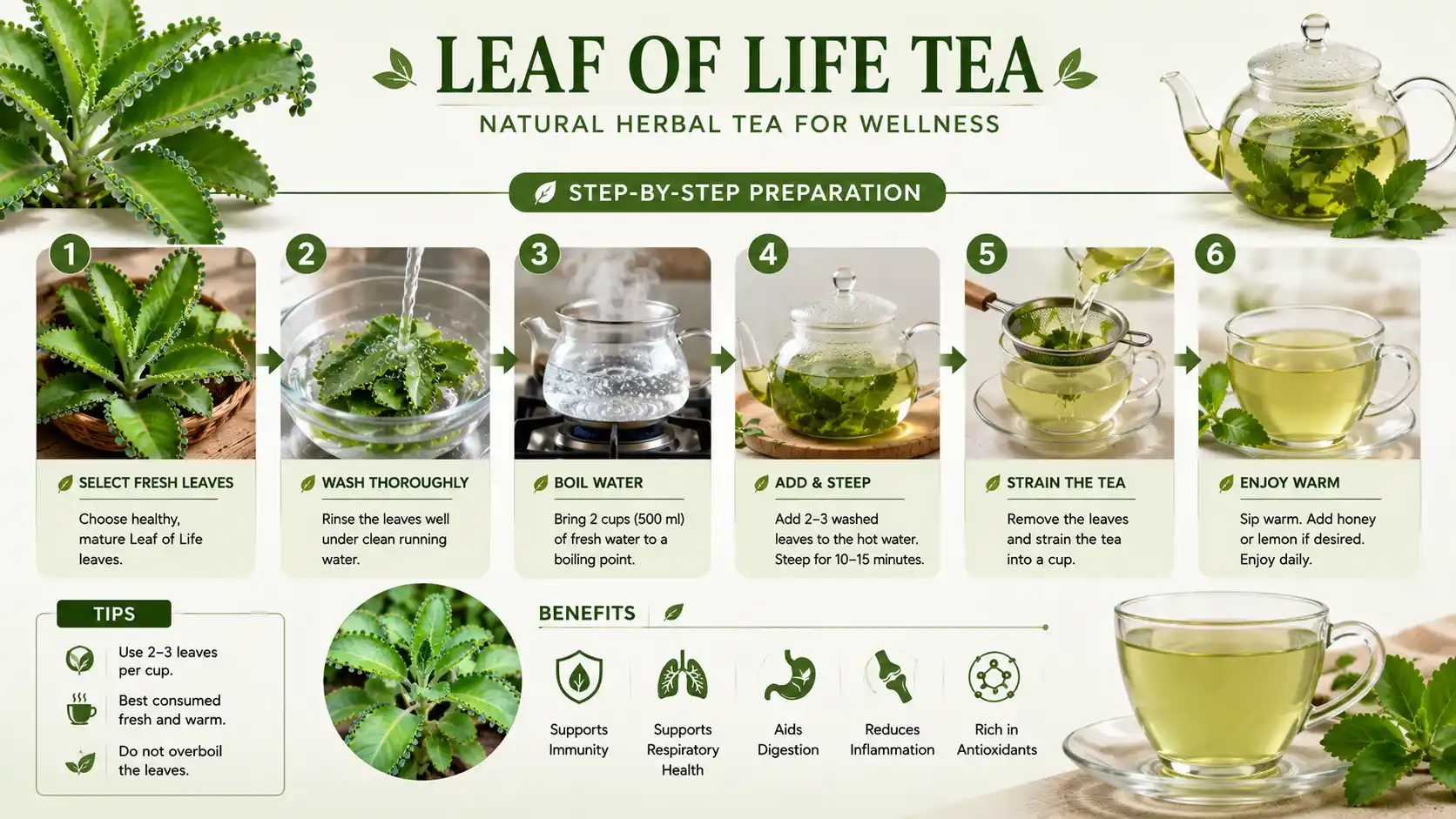
Leaf of life tea is one of the most widely used preparations in Jamaican and Caribbean herbal traditions. It is commonly consumed for respiratory support, digestive wellness, immune health, and general well-being.
How to Prepare Leaf of Life Tea
A traditional preparation method includes:
- Wash 3–5 fresh leaves thoroughly.
- Bring 2 cups of water to a gentle boil.
- Add the leaves to the water.
- Simmer for approximately 5–10 minutes.
- Remove from heat and allow the tea to steep for another 5 minutes.
- Strain and serve warm.
Some traditional herbalists add ginger, honey, or lime to improve flavor.
What Are the Benefits of Drinking Leaf of Life Tea?
Leaf of life tea is traditionally consumed to support:
- Respiratory function
- Digestive comfort
- Immune system health
- Inflammation management
- General wellness
Tea remains the preferred preparation method because it provides a convenient and gentle way to consume the plant’s active compounds.
How Often Should I Drink Leaf of Life?
Traditional herbal practitioners generally recommend moderation.
Because there is no standardized clinical dosage, usage recommendations vary considerably. Many traditional users consume the tea occasionally rather than daily for extended periods.
Individuals with medical conditions or those taking medications should consult a qualified healthcare professional before regular use.
Tea vs. Raw Leaf Consumption
Both tea and raw leaves are used traditionally, but they serve slightly different purposes.
| Method | Common Uses | Preparation | Notes |
| Tea | Respiratory, digestion, immunity | Boil 3–5 leaves in water | Most widely used method |
| Raw Leaf | Minor wounds, direct healing | Crush or chew fresh leaf | Use sparingly |
| Topical Poultice | Skin, wounds, inflammation | Mash leaves and apply directly | Traditional wound treatment |
| Infused Water/Rinse | Hair and skin care | Soak leaves overnight | Used in natural beauty routines |
Can I Eat the Leaf of Life Raw?
Yes, leaf of life can be eaten raw in small amounts, and this practice exists in several traditional healing systems.
Raw consumption typically involves:
- Chewing a small fresh leaf
- Mixing crushed leaf into herbal preparations
- Consuming fresh leaf juice
However, because the plant contains biologically active compounds, moderation is important. Tea is generally preferred when individuals want a milder and more controlled preparation.
Traditional use does not automatically guarantee safety for everyone, so individuals with underlying health conditions should seek professional guidance before consuming the plant regularly.
Leaf of Life Plant Benefits for Males
The leaf of life plant has traditionally been used in several herbal medicine systems to support aspects of men’s health, particularly those related to urinary function, inflammation management, and kidney wellness.
In Caribbean and South Asian folk medicine, the plant is sometimes consumed as tea or fresh juice to help support the urinary tract and overall kidney health. Traditional practitioners have also used it as a complementary remedy for individuals experiencing discomfort associated with kidney stones.
Several laboratory studies have investigated compounds within Kalanchoe pinnata for their anti-inflammatory and antioxidant properties. These properties may help explain the plant’s long-standing use in supporting urinary and reproductive health.
Traditional male-focused uses include:
- Supporting urinary tract health
- Managing inflammatory discomfort
- Supporting kidney function
- Assisting with general wellness during recovery
Some folk traditions also associate the plant with relief from prostate-related discomfort. However, current scientific evidence remains limited, and no major clinical studies have confirmed these specific benefits in humans.
Elemo Baker recommends treating these traditional uses as historical and cultural practices rather than proven medical treatments. Men experiencing persistent urinary or reproductive health concerns should consult a qualified healthcare professional for diagnosis and treatment.
Leaf of Life Plant Benefits for Females
The leaf of life plant has also played a role in traditional women’s health practices across various cultures.
Historically, herbal practitioners have used the plant to support:
- Menstrual comfort
- General reproductive wellness
- Inflammation management
- Skin and hair health
Some traditional remedies involve consuming leaf of life tea during menstrual cycles to help manage cramping and discomfort. The plant’s anti-inflammatory compounds may contribute to these traditional applications.
In Caribbean communities, women frequently incorporate leaf of life into natural beauty routines. Fresh leaf preparations are often used for skincare and scalp care because of their soothing and moisturizing properties.
Important Pregnancy Warning
Pregnancy requires special caution when considering the use of leaf of life.
Some scientific literature suggests that certain compounds within Bryophyllum pinnatum may possess uterotonic activity, meaning they could potentially stimulate uterine contractions. Because of this concern, pregnant women should avoid using the plant medicinally unless specifically advised by a qualified healthcare professional.
This precaution represents one of the most important safety considerations associated with the plant.
For breastfeeding mothers and women attempting to conceive, professional medical guidance is also recommended before use.
Spiritual Uses of Leaf of Life
Beyond its medicinal reputation, leaf of life holds deep spiritual significance in many Caribbean, African diaspora, and Afro-Caribbean traditions.
For generations, the plant has been associated with:
- Spiritual cleansing
- Protection rituals
- Renewal and healing
- Positive energy practices
- Cultural herbal ceremonies
Its spiritual symbolism is closely connected to its remarkable regenerative nature. Because new plants can grow directly from the edges of mature leaves, many cultures view the plant as a symbol of resilience, rebirth, endurance, and life itself.
The name “leaf of life” reflects this symbolism. The plant’s ability to continuously reproduce and thrive under challenging conditions has inspired associations with survival, healing, and spiritual strength.
Caribbean Spiritual Traditions
Within some Caribbean traditions, including certain folk-healing practices, the plant may be used in cleansing baths, herbal washes, and protective rituals.
Traditional practitioners often regard the plant as representing:
- Protection from negativity
- Personal renewal
- Physical and spiritual healing
- Family well-being
Obeah, Folk Healing, and Rastafarian Traditions
Leaf of life has appeared in various forms within Caribbean folk healing systems, including some practices associated with Obeah and traditional herbal medicine.
In Rastafarian herbal traditions, natural plants are often viewed as gifts from nature that support harmony between physical and spiritual wellness. Leaf of life is frequently respected as one of the many healing herbs cultivated and shared within these communities.
While spiritual uses vary significantly among cultures and individuals, the plant remains an important symbol of renewal and vitality.
Medicinal Leaf of Life Plant — What Science Says
Scientific interest in Kalanchoe pinnata has increased over recent decades as researchers continue examining its chemical composition and biological activity.
Laboratory analysis has identified several notable compounds, including:
- Flavonoids
- Bufadienolides
- Organic acids
- Phenolic compounds
- Triterpenes
Researchers have primarily focused on four areas of potential activity:
Anti-Inflammatory Activity
Multiple laboratory and animal studies suggest that extracts from the plant may help reduce inflammatory responses.
This aligns with centuries of traditional use for inflammatory conditions such as joint discomfort, respiratory irritation, and skin problems.
Antimicrobial Properties
Studies have demonstrated activity against certain microorganisms under laboratory conditions.
These findings support traditional uses involving wound care, skin applications, and infection-related concerns.
Anti-Ulcer Potential
Researchers have investigated the plant’s ability to protect gastric tissues and support digestive health.
Some experimental studies indicate potential anti-ulcer effects, although human clinical trials remain limited.
Antioxidant Effects
The plant contains compounds capable of helping neutralize free radicals.
Antioxidants may contribute to cellular protection and overall wellness, which may partially explain the plant’s broad traditional use.
Understanding the Research Limitations
Although research findings are promising, it is important to understand their limitations.
Most studies involving Bryophyllum pinnatum have been:
- Laboratory (in vitro) studies
- Animal studies
- Small-scale investigations
Large human clinical trials remain relatively scarce. As a result, scientists cannot yet confirm many traditional claims with the same level of certainty applied to established pharmaceutical treatments.
Current evidence supports continued scientific interest, but more human research is needed before definitive therapeutic conclusions can be made.
Within the broader field of natural and integrative medicine, leaf of life is best viewed as a traditional medicinal plant with emerging scientific support rather than a fully validated medical treatment. For readers who want to explore the underlying studies themselves, our Leaf of Life Evidence Explorer organizes the current research by compound, study type, and health area.
It’s a useful way to see exactly which claims are backed by lab studies versus animal studies versus traditional use alone.
Side Effects of Leaf of Life — Safety and Precautions
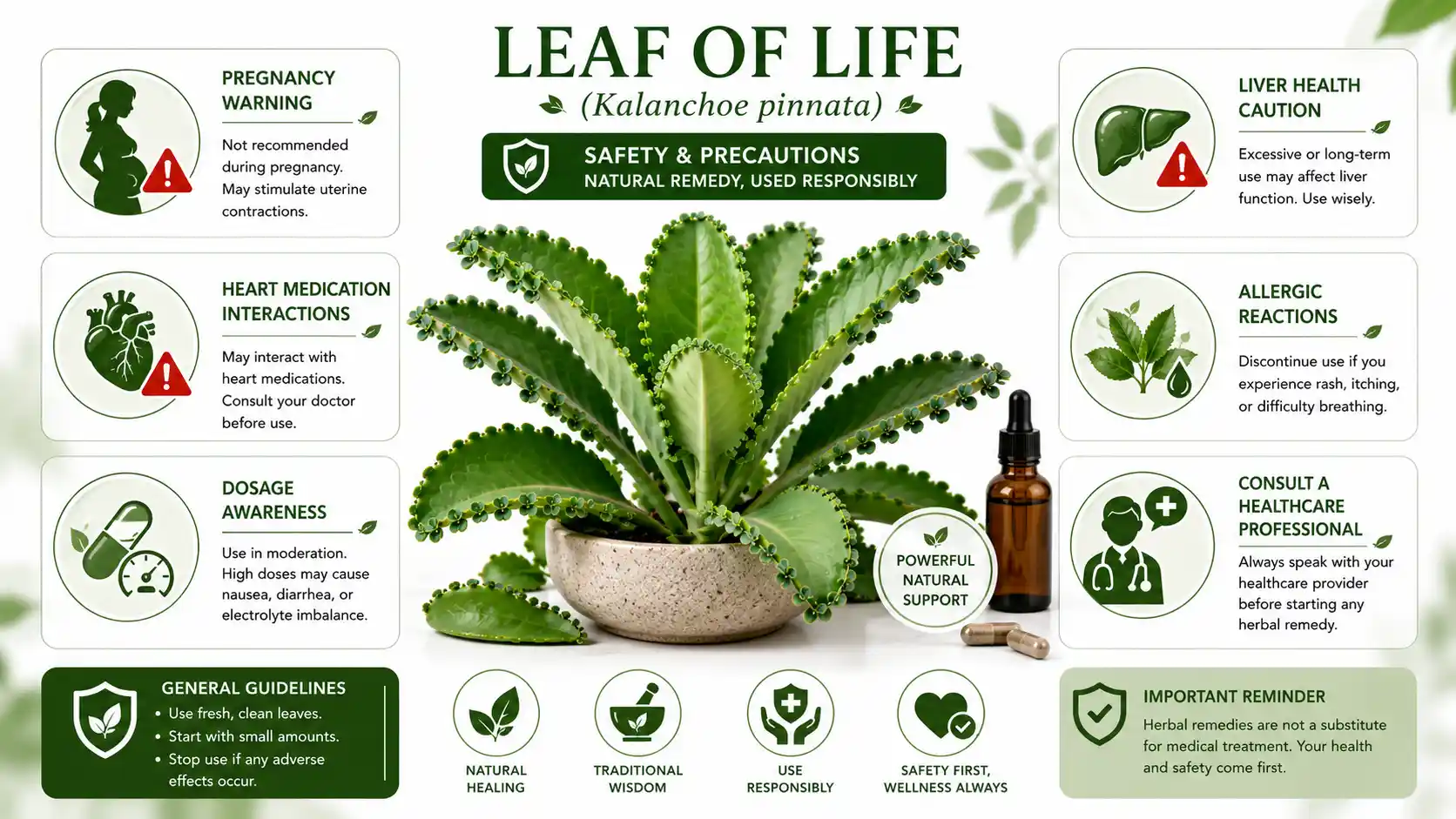
While leaf of life is widely used in traditional medicine, it is not completely risk-free. Understanding potential side effects and precautions is essential for safe use.
Potential Cardiac Effects
- One of the most significant safety concerns involves compounds known as bufadienolides.
- These compounds are biologically active and may influence heart function when consumed in large quantities.
- Because bufadienolides are cardioactive, excessive use may increase the risk of unwanted cardiovascular effects.
- This is one reason why moderation is strongly recommended.
Pregnancy Precautions
- Pregnant women should exercise particular caution.
- Research suggests the plant may possess uterotonic properties that could potentially stimulate uterine activity.
- For this reason, use during pregnancy should be avoided unless specifically approved by a healthcare provider.
Drug Interactions
Leaf of life may interact with certain medications, including:
- Heart medications
- Blood pressure medications
- Medications affecting cardiac rhythm
Individuals currently taking prescription drugs should consult a healthcare professional before using the plant medicinally.
Lack of Standardized Dosage
A major challenge with traditional medicinal plants is the absence of standardized dosing guidelines.
Factors affecting dosage include:
- Plant age
- Preparation method
- Leaf concentration
- Individual health status
Traditional recommendations vary widely, and no universally accepted clinical dosage currently exists.
Who Should Avoid Leaf of Life?
Certain groups should avoid medicinal use unless supervised by a healthcare professional.
| Group | Reason for Caution |
| Pregnant women | Possible uterotonic (labor-stimulating) effects |
| People on heart medication | Bufadienolides may interfere with cardiac drugs |
| Young children | Dosage and safety not established |
| People with kidney disease | Consult a healthcare provider before use |
As a general rule, natural does not automatically mean harmless. Responsible use and professional guidance are important, especially when using medicinal plants therapeutically.
Leaf of Life Plant — Size, Growth, and Care Guide
The leaf of life plant is valued not only for its medicinal uses but also for its ease of cultivation. It is one of the simplest medicinal succulents to grow, making it a popular choice for home gardens.
Plant Size and Appearance
A mature leaf of life plant typically reaches between 0.3 and 1.2 meters (1–4 feet) in height, depending on environmental conditions. Outdoor plants grown in tropical climates often become larger and more vigorous than indoor specimens.
Key identifying features include:
- Thick, fleshy succulent leaves
- Smooth green surface
- Scalloped leaf margins
- Tiny plantlets forming along leaf edges
- Upright stems
- Bell-shaped flowers during blooming periods
The plant’s ability to generate plantlets along leaf margins remains its most recognizable characteristic.
Growth Rate
Leaf of life is generally considered a moderate to fast-growing succulent. Under favorable conditions, newly rooted plantlets can establish quickly and produce significant growth within a single growing season.
Growth is most active during:
- Spring
- Summer
- Early autumn
Warm temperatures and adequate sunlight significantly accelerate development.
In tropical and subtropical regions, growth may continue for much of the year. For a wider selection of plants suitable for home growing and Australian garden design, see our Australian Plants Guide: Indoor Houseplants & Garden Design.
Care Guide
Watering
- Leaf of life is drought tolerant and prefers slightly dry conditions.
- A common beginner mistake is overwatering.
- Allow the soil to partially dry between waterings to reduce the risk of root rot.
Light
The plant grows best in:
- Full sun
- Partial shade
- Bright indirect indoor light
Indoor plants should be placed near a bright window whenever possible.
Soil
Well-draining soil is essential.
Suitable options include:
- Succulent potting mixes
- Sandy soils
- Loamy soils with good drainage
Poor drainage is one of the most common causes of plant failure.
Fertilization
Leaf of life is not a heavy feeder.
A light application of balanced fertilizer during the active growing season is usually sufficient.
Pruning
Routine maintenance includes:
- Removing dead leaves
- Removing damaged stems
- Trimming spent flower stalks
- Harvesting mature outer leaves for medicinal use
Climate Requirements
Leaf of life performs best in USDA Hardiness Zones 9–12.
The plant thrives in:
- Warm climates
- Humid environments
- Tropical conditions
It is sensitive to frost and should be protected from freezing temperatures. In our experience growing medicinal succulents, maintaining excellent drainage is the single most important factor for long-term success with leaf of life. For quick reference on growing conditions, soil preferences, and hardiness zones across multiple medicinal succulents, see our Plant Care Comparison Spreadsheet.
It’s a handy sortable resource if you’re comparing leaf of life’s care needs against other succulents in your garden.
Common Mistakes When Using Leaf of Life
Although the leaf of life plant has a long history of traditional use, mistakes in preparation, consumption, and cultivation can reduce its effectiveness or increase the risk of unwanted effects. Understanding these common errors can help users approach the plant more safely and realistically.
Overconsumption and Excessive Use
- One of the most common mistakes is assuming that because a plant is natural, it can be consumed without limits.
- Leaf of life contains biologically active compounds, including bufadienolides, which can affect the body when taken in large amounts. Drinking excessive quantities of tea or consuming large amounts of raw leaves may increase the risk of side effects.
- Moderation remains one of the most important principles of herbal use.
Using During Pregnancy Without Medical Guidance
- Pregnancy is a situation where caution is especially important.
- Some research suggests the plant may have uterotonic properties that could stimulate uterine activity. Using leaf of life during pregnancy without professional guidance is a common but potentially serious mistake.
Incorrect Tea Preparation
- Traditional herbalists often recommend gentle boiling and moderate steeping times.
- Overboiling the leaves for extended periods may alter or degrade certain beneficial compounds. While exact effects vary, excessive heat exposure is generally discouraged.
Confusing Leaf of Life With Other Plants
- Many people confuse leaf of life with plants that share similar names, particularly “tree of life” plants.
- These are entirely different species with different characteristics, uses, and safety profiles.
- Correct botanical identification is essential before medicinal use.
Expecting Immediate Results
- Traditional medicinal plants often support wellness gradually rather than producing immediate effects.
- Expecting rapid results for chronic conditions can lead to disappointment and misuse. Herbal remedies should not replace professional medical treatment for serious health concerns.
Poor Growing Conditions
From a gardening perspective, overwatering is by far the most common cultivation mistake.
Because leaf of life is a succulent, excessive moisture can quickly lead to:
- Root rot
- Stem rot
- Fungal issues
- Reduced growth
Proper drainage is critical for healthy plants.
Common Mistakes at a Glance
❌ Drinking multiple cups daily without tracking effects
❌ Applying undiluted leaf juice to sensitive or broken skin without testing
❌ Giving to young children without professional advice
❌ Assuming no side effects because it is a natural plant
❌ Overwatering the plant, causing root rot
Leaf of Life vs. Similar Medicinal Plants
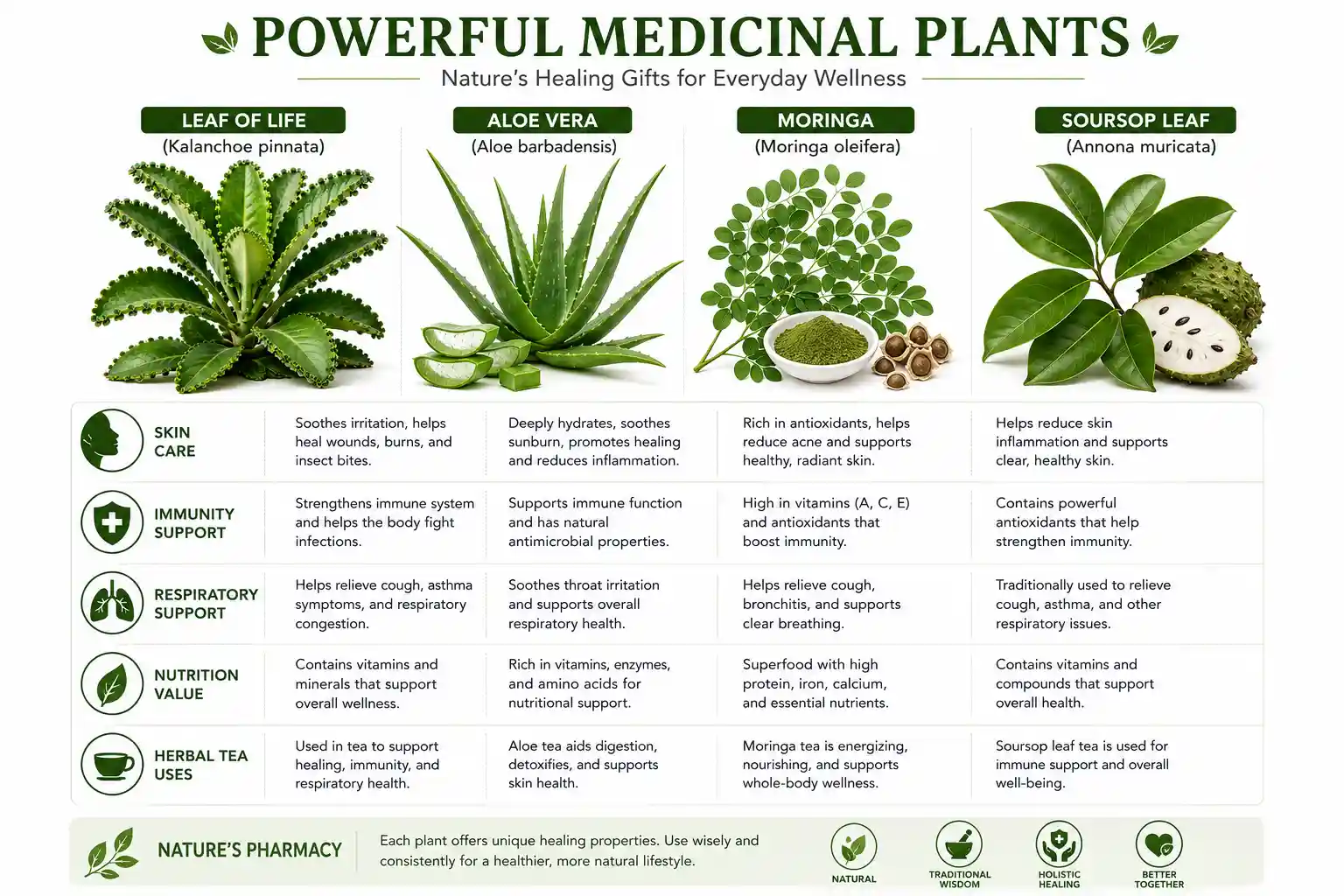
Leaf of life is often compared with other popular medicinal plants because they share some overlapping uses. However, each plant possesses unique compounds, preparation methods, and levels of scientific support.
Leaf of Life vs. Aloe Vera
- Both plants are widely used for skin care and wound support.
- Leaf of life is traditionally valued for respiratory, digestive, and wound-healing uses, while aloe vera is most commonly associated with burns, skin hydration, and topical healing.
- Aloe vera benefits from stronger clinical evidence, particularly for dermatological applications.
Leaf of Life vs. Moringa
- Moringa is primarily known as a nutritional superfood rich in vitamins, minerals, and antioxidants.
- Leaf of life, by comparison, is more commonly used for respiratory support, inflammation management, and traditional healing applications.
- People seeking nutritional supplementation often choose moringa, while those interested in traditional herbal remedies may turn to leaf of life.
Leaf of Life vs. Soursop Leaf
- Both plants have deep roots in Caribbean herbal traditions.
- Soursop leaves are frequently consumed as tea and are commonly associated with relaxation and immune-support discussions in traditional medicine.
- Leaf of life has a broader reputation for respiratory, skin, wound, and digestive applications.
Leaf of Life vs. Tree of Life Plant
A common misconception is that leaf of life and tree of life refer to the same plant.
They do not.
The term “tree of life” may refer to several entirely different species depending on cultural and regional context. Their medicinal uses, botanical classifications, and growing habits differ significantly from Kalanchoe pinnata.
Comparison Table
| Plant | Primary Use | Key Compounds | Preparation | Evidence Level |
| Leaf of Life | Respiratory, skin, wounds | Bufadienolides, flavonoids | Tea, topical, raw | Traditional + early research |
| Aloe Vera | Skin, digestion | Acemannan, anthraquinones | Topical gel, juice | Strong clinical evidence |
| Moringa | Nutrition, immunity | Isothiocyanates, vitamins | Powder, tea, capsules | Moderate clinical evidence |
| Soursop Leaf | Immunity, relaxation | Acetogenins | Tea | Traditional + lab studies |
To compare leaf of life against a much wider range of traditional herbs beyond aloe vera, moringa, and soursop, browse our Medicinal & Traditional Herbal Plants Comparison Database.
It cross-references dozens of herbal plants by primary use, active compounds, and traditional preparation methods in one searchable resource.
Jamaican Leaf of Life — Cultural and Regional Significance
Jamaica is one of the regions most strongly associated with the leaf of life plant and its traditional uses.
For generations, Jamaican families have relied on bush medicine practices that incorporate locally available medicinal plants. Among these herbs, leaf of life remains one of the most recognizable and widely cultivated species.
In many Jamaican households, the plant is grown near homes specifically for medicinal purposes. Family members commonly harvest fresh leaves when preparing herbal teas or topical remedies.
Traditional Jamaican uses include support for:
- Coughs
- Colds
- Respiratory discomfort
- Minor wounds
- General wellness
Knowledge about the plant is often passed down through generations, making it an important part of cultural heritage as well as traditional healthcare.
Role in Jamaican Bush Medicine
Bush medicine refers to Jamaica’s long-standing tradition of using plants and herbs for wellness and healing. Leaf of life occupies a respected place within this tradition because of its versatility and ease of cultivation. The plant’s ability to grow readily from small leaf fragments has contributed to its widespread availability throughout rural and urban communities.
Caribbean Diaspora Influence
As Caribbean communities migrated around the world, they brought their herbal traditions with them.
Today, leaf of life can be found in home gardens and herbal communities across:
- North America
- The United Kingdom
- Canada
- Africa
- Other Caribbean nations
This global spread has helped preserve knowledge about Jamaican leaf of life plant benefits and traditional preparation methods.
Read Also:
Conclusion
The leaf of life plant is one of the most respected medicinal herbs in traditional tropical medicine. Known botanically as Bryophyllum pinnatum or Kalanchoe pinnata, it has been used for generations to support respiratory health, wound healing, digestive comfort, skin care, and general wellness.
Its significance extends beyond medicine. The plant also carries deep cultural and spiritual meaning throughout Caribbean, African diaspora, and traditional healing communities. Its remarkable ability to regenerate from a single leaf has made it a symbol of resilience, renewal, and vitality.
Although modern research has identified promising anti-inflammatory, antimicrobial, antioxidant, and digestive-supportive properties, clinical evidence remains limited in many areas. As a result, traditional uses should be viewed alongside current scientific understanding rather than as substitutes for professional medical care.
The key takeaway is simple: the leaf of life plant offers a fascinating combination of medicinal, cultural, spiritual, and horticultural value, but responsible use and appropriate medical guidance remain essential for safe and effective application.
Frequently Asked Questions (FAQs)
Q1: What is the leaf of life plant good for?
The leaf of life plant is traditionally used to support respiratory health, wound healing, skin care, digestive wellness, and immune function. Herbal practitioners commonly prepare it as tea, fresh juice, or topical applications. Its popularity comes from its broad range of traditional medicinal uses and its naturally occurring anti-inflammatory and antioxidant compounds.
Q2: How often should I drink leaf of life tea?
There is no standardized clinical dosage for leaf of life tea. Traditional herbalists generally recommend moderate and occasional use rather than excessive daily consumption. Individuals with medical conditions or those taking medications should consult a healthcare provider before regular use.
Q3: Can I eat the leaf of life raw?
Yes. The leaf of life plant can be eaten raw in small amounts, and this practice exists in several traditional healing systems. Fresh leaves may be chewed directly or used in herbal preparations. Because the plant contains active compounds, moderation is important, and tea is often preferred for a gentler preparation.
Q4: What are the benefits of drinking leaf of life tea specifically?
Leaf of life tea is traditionally consumed to support respiratory comfort, digestive health, immune function, and inflammation management. Unlike topical applications that focus on skin and wound care, tea is primarily used for internal wellness support and respiratory-related concerns.
Q5: Are there side effects of the leaf of life plant?
Yes. Potential side effects include cardiac concerns at high doses due to bufadienolides, possible drug interactions, and pregnancy-related risks associated with potential uterotonic effects. Pregnant women, individuals on heart medications, and young children should exercise particular caution.
Q6: What are the spiritual uses of the leaf of life plant?
In Caribbean and African diaspora traditions, leaf of life is used in spiritual cleansing rituals, healing ceremonies, and protection practices. Its ability to produce new plants from its leaves has made it a symbol of regeneration, resilience, renewal, and enduring life.
Q7: Is the leaf of life plant the same as the tree of life plant?
No. Leaf of life and tree of life are different plants. Leaf of life refers to Bryophyllum pinnatum (Kalanchoe pinnata), a succulent medicinal herb. The term tree of life may refer to several unrelated plant species depending on the region or cultural context. The confusion occurs because both names contain the word “life” and are associated with symbolic and medicinal traditions.
7 Comments