

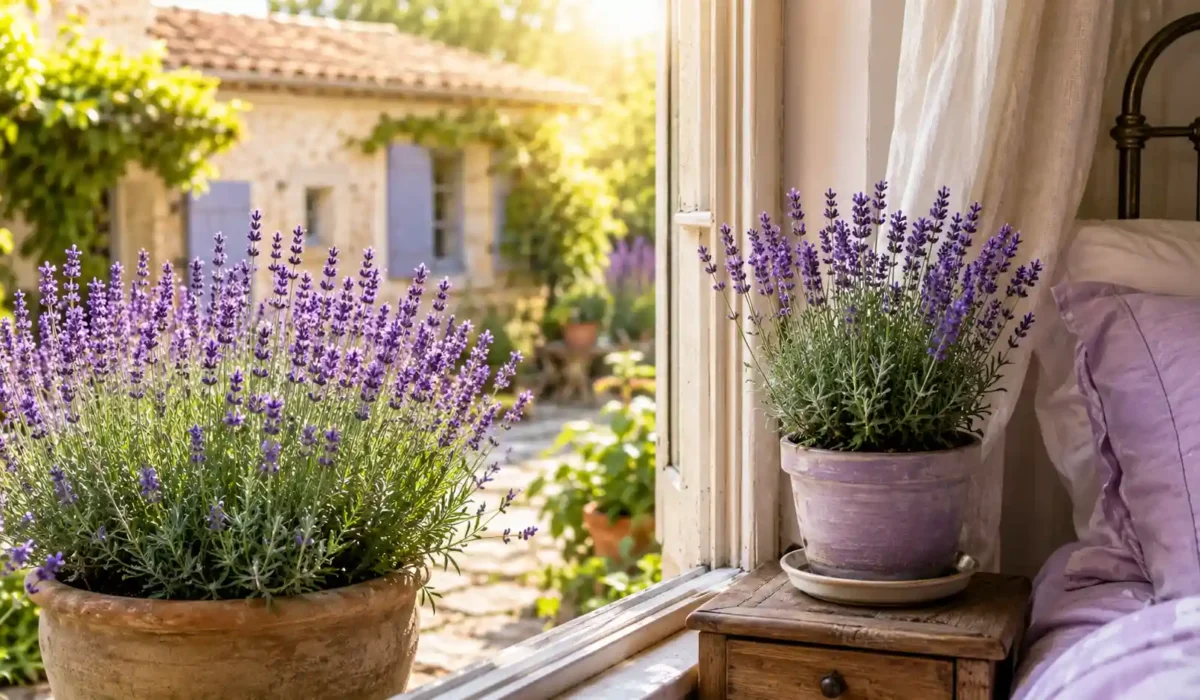
Benefits of Lavender Plant at Home
Introduction
The benefits of lavender plant at home extend far beyond its attractive purple flowers and pleasant fragrance. Lavender is a flowering herb belonging to the genus Lavandula, a group of aromatic plants native to the Mediterranean region. Today, it is valued both as an ornamental garden plant and as a functional wellness herb used in aromatherapy, skincare, and traditional herbal practices. Whether grown indoors on a sunny windowsill or outdoors in a garden bed, a lavender plant can contribute to relaxation, sleep quality, natural pest control, and home aesthetics. This guide explores the many ways lavender can enhance everyday life while providing practical advice for successful home cultivation.
Lavender is just one of many plants that support relaxation, sleep, and everyday wellbeing — explore our full guide to the benefits of plants and natural wellness for a broader look at how greenery can improve your home and health.
Quick Summary
- Lavender plants at home may support better sleep, lower stress levels, and create a calming environment.
- Flowers, leaves, seeds, and lavender oil all have unique household and wellness uses.
- Lavender grows successfully indoors on sunny windowsills and outdoors in gardens.
- The plant offers medicinal, skincare, aromatherapy, and pest-repellent benefits.
- Proper care, especially adequate sunlight and controlled watering, is essential for long-term success.
What Are the Key Benefits of a Lavender Plant at Home?
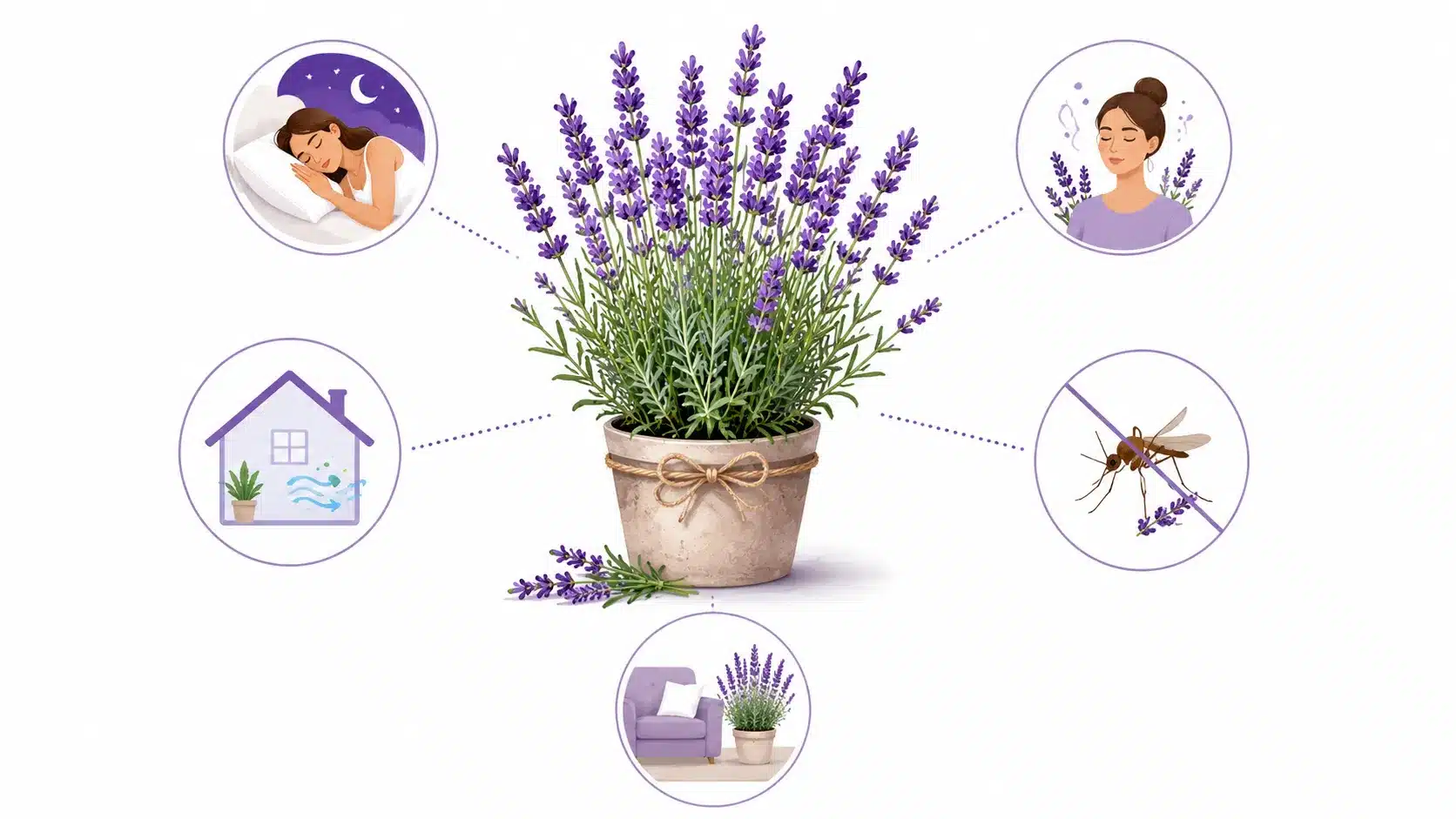
The key benefits of a lavender plant at home include stress reduction, improved sleep, natural fragrance, mild air-quality enhancement, pest deterrence, and visual appeal. These benefits are largely linked to naturally occurring compounds such as linalool and linalyl acetate, which are responsible for lavender’s distinctive scent and many of its therapeutic properties. Lavender is a flowering herb belonging to the genus Lavandula, a group of aromatic plants native to the Mediterranean region.
Mental Health and Stress Relief Benefits
Lavender is widely associated with relaxation and emotional well-being. Research suggests that linalool interacts with the nervous system and may influence the limbic system, the part of the brain involved in emotions and memory.
Studies indicate that lavender exposure can help reduce cortisol responses associated with stress. This is one reason lavender remains one of the most commonly used plants in aromatherapy.
Benefits include:
- Reduced feelings of stress and tension
- Improved relaxation after work
- A calmer home environment
- Enhanced mindfulness and self-care routines
In our experience growing lavender indoors, simply brushing the flowers while passing by releases a subtle fragrance that contributes to a more relaxing atmosphere throughout the day.
Sleep Improvement Benefits
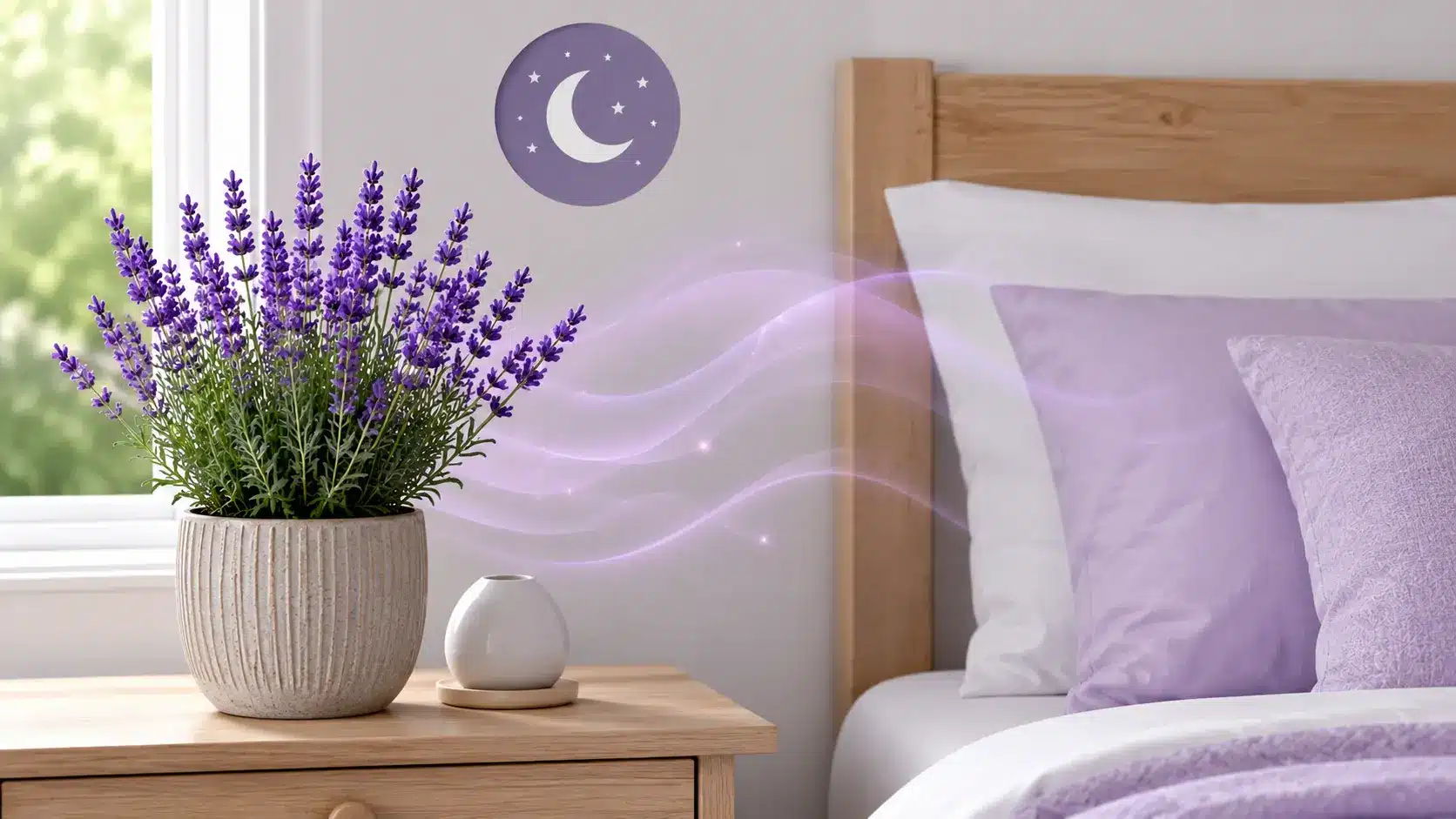
One of the most recognized benefits of lavender plant in the bedroom is its potential to promote restful sleep.
Lavender’s scent has been associated with improved sleep quality and relaxation before bedtime. Many people place a lavender plant near a bed, while others use dried lavender leaves in sachets under pillows.
Practical options include:
- Keeping a potted lavender plant near a bedroom window
- Using dried lavender leaves in sleep sachets
- Adding dried flowers to pillow drawers
- Brewing lavender tea before bedtime
Indoor environments often retain lavender fragrance more effectively than open outdoor spaces, which may enhance the perceived calming effect.
Air Quality and Home Environment Benefits
Lavender is not a powerful air purifier in the same category as some larger foliage plants, but it can contribute positively to the indoor environment.
Potential benefits include:
- Adding natural fragrance without artificial air fresheners
- Supporting a fresher indoor atmosphere
- Slightly increasing localized humidity through transpiration
- Contributing to a more pleasant living space
The combination of fragrance, greenery, and flowering blooms makes lavender one of the most attractive functional houseplants.
Lavender can contribute to a calming and pleasant home environment through its fragrance and ornamental appeal. For a broader look at how greenery can improve indoor spaces, explore our guide to the benefits of indoor plants.
Benefits of the Lavender Plant in Different Home Locations
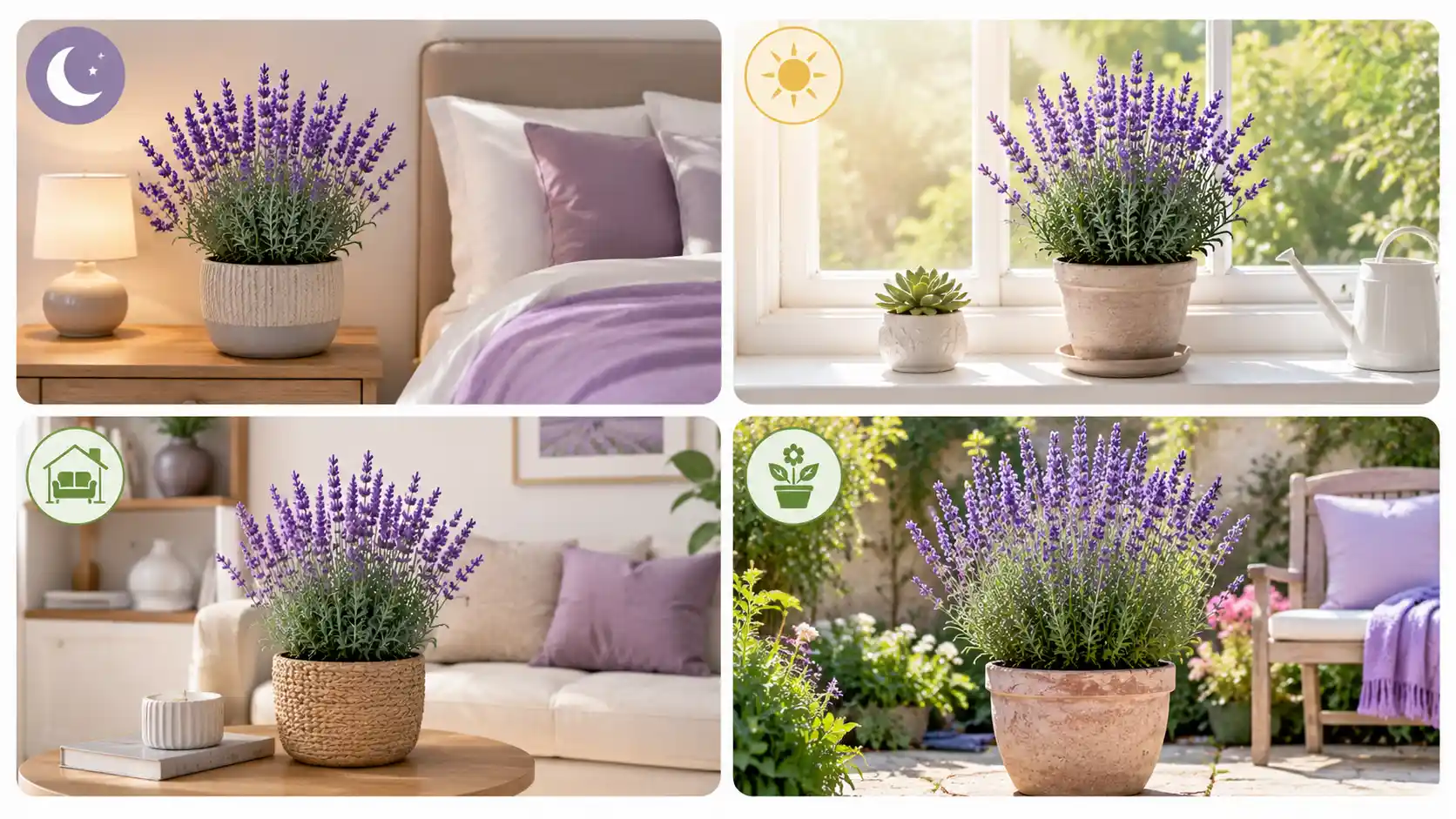
Where you place lavender can influence both its health and the benefits you receive from it.
Lavender Plant in the Bedroom
The bedroom is often considered the best location for lavender.
Benefits include:
- Improved relaxation before sleep
- Passive aromatherapy throughout the evening
- Attractive bedroom décor
- Reduced reliance on synthetic fragrances
Elemo Baker recommends placing lavender near a sunny bedroom window where it receives adequate airflow and direct sunlight.
Lavender Plant in the Garden
The benefits of lavender plant in the garden extend beyond fragrance.
Outdoor advantages include:
- Attraction of bees and pollinators
- Natural pest deterrence
- Companion planting benefits
- Seasonal color and texture
Lavender pairs particularly well with rosemary, sage, and other Mediterranean herbs that prefer similar growing conditions. If you are planning a broader indoor plant collection, our Australian Plants Guide: Indoor Houseplants & Garden Design has more guidance on suitable plants and placement.
Lavender Plant Indoors on Windowsills
A bright windowsill is often the best indoor location for lavender.
Benefits include:
- Easy access to fresh leaves and flowers
- Increased enjoyment of natural fragrance
- Decorative value
- Better plant monitoring and care
Unlike lavender oil or dried lavender, a living plant continues producing fresh growth and flowers throughout the growing season. If you’re unsure which variety suits your indoor space and light conditions best, this lavender variety finder for home growing can help you match the right cultivar to your windowsill setup. Choosing a compact, sun-loving variety early on makes a big difference in how well your plant thrives indoors.
Uses of the Lavender Plant at Home — Beyond Decoration
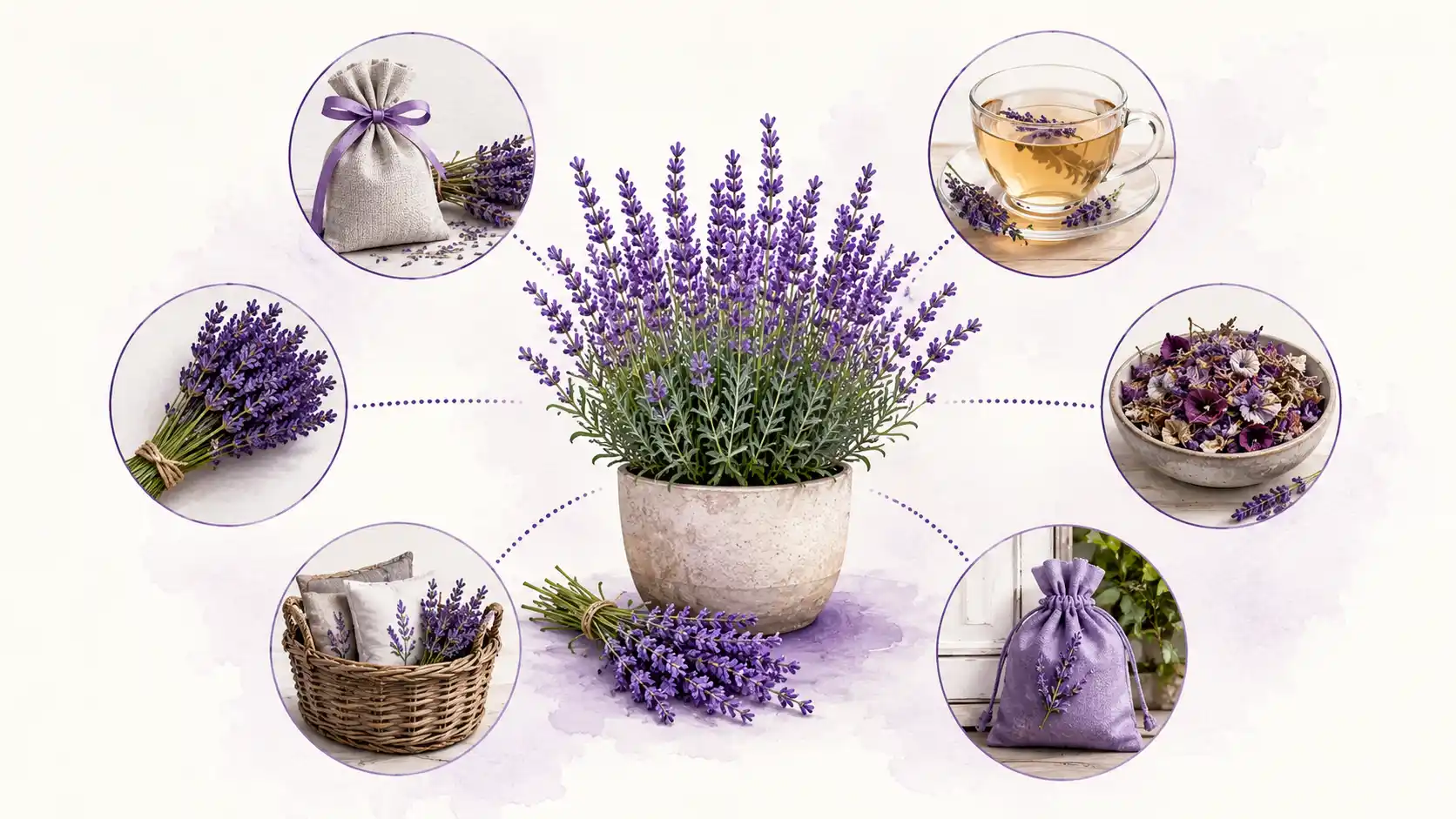
Lavender offers numerous practical uses beyond simply looking attractive.
Uses of Lavender Leaves at Home
Fresh and dried lavender leaves have many household applications.
Common uses include:
- Sleep sachets
- Potpourri blends
- Herbal infusions
- Natural moth deterrents
- Linen storage fragrance
Fresh leaves provide a stronger herbal aroma, while dried lavender leaves are easier to store and use year-round.
Things to do with lavender leaves include creating homemade drawer sachets, adding leaves to herbal tea blends, or placing dried leaves in closets to discourage moth activity. For a broader look at how lavender compares with other calming, aromatic plants suited to home use, this calming aromatic home plants reference database breaks down uses, benefits, and care notes side by side. It’s a handy companion resource if you’re building out a wellness-focused indoor garden beyond just lavender.
Benefits of Lavender Seeds
Lavender seeds are often overlooked but have practical value.
Benefits of lavender seeds include:
- Plant propagation
- Culinary experimentation in certain recipes
- Aromatic crafting projects
- Long-term preservation of preferred varieties
Growing lavender from seed allows gardeners to establish larger plantings at a relatively low cost.
Lavender as a Natural Pest Repellent at Home
Lavender is known for helping deter certain insects.
Pests commonly discouraged by lavender include:
- Moths
- Mosquitoes
- Flies
- Aphids
Dried lavender bundles can be placed in wardrobes, while living plants may help reduce insect activity around doors, patios, and garden beds.
Indoor pest control benefits are generally milder than outdoor applications but remain useful in many homes.
Health Benefits of Lavender — Medicinal and Wellness Uses
Lavender has a long history in traditional medicine and wellness practices.
Medicinal Uses of the Lavender Plant
Historically, lavender has been used for:
- Headache relief
- Relaxation support
- Minor wound care
- Anxiety management
- Sleep support
The medicinal uses of lavender plant are linked primarily to compounds such as linalool, camphor, and various flavonoids.
While traditional use is extensive, it is important to distinguish between historical folk remedies and clinically validated medical treatments.
Health Benefits of Lavender Leaves
Lavender leaves contain beneficial plant compounds with antioxidant, antimicrobial, and anti-inflammatory properties.
Common uses include:
- Herbal infusions
- Compresses
- Aromatic baths
- Sachets and wellness products
Health benefits of lavender leaves may include relaxation support and mild soothing effects when used appropriately.
Benefits of Lavender Tea
Lavender tea is typically prepared from dried flowers and occasionally blended with leaves.
Potential lavender tea benefits include:
- Relaxation support
- Better sleep quality
- Digestive comfort
- Mild antioxidant intake
- Stress management
As of recent herbal wellness recommendations, moderate consumption remains the preferred approach, particularly for individuals sensitive to herbal preparations.
Lavender Oil Benefits — Skin, Face, and Body
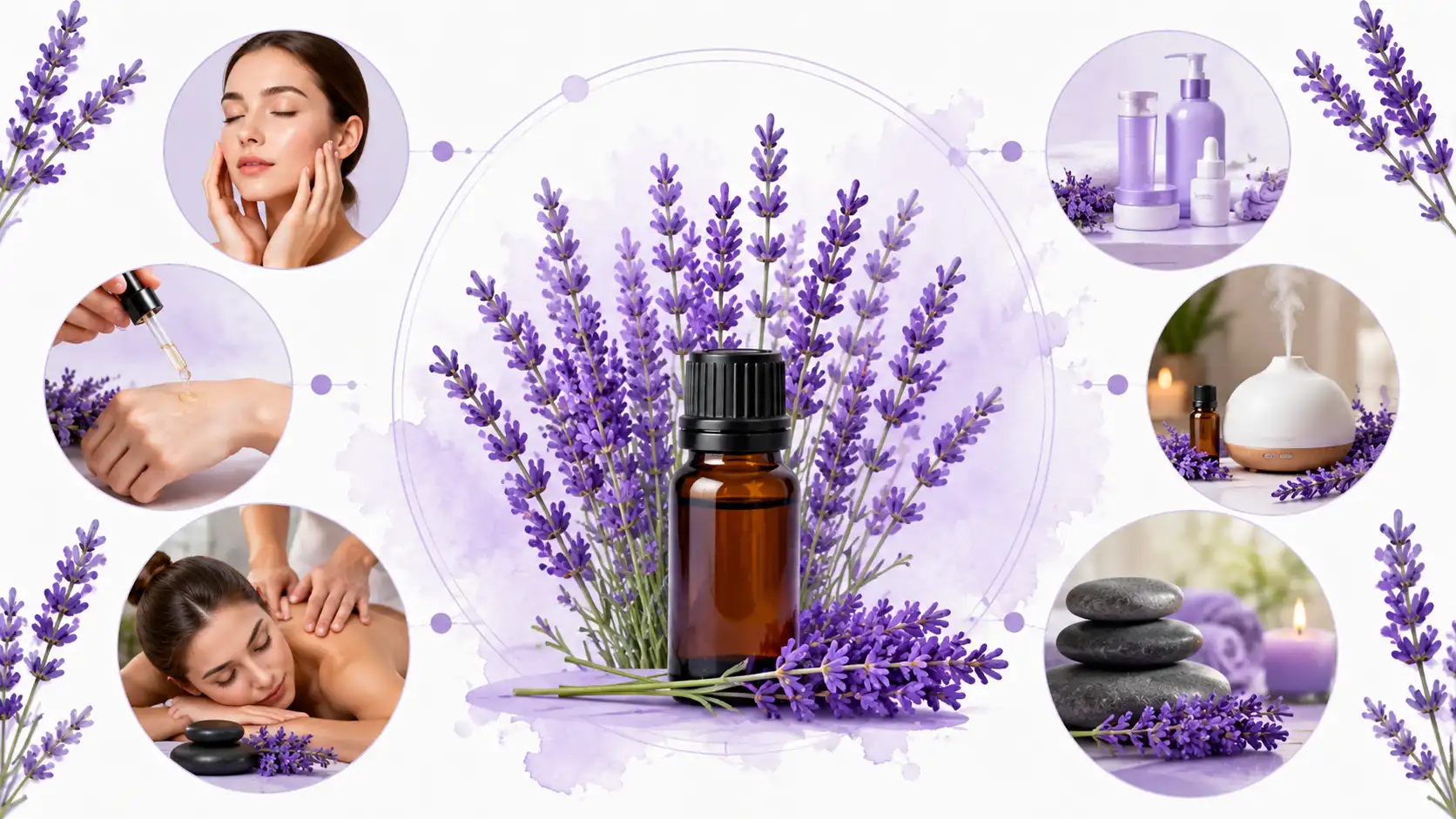
Lavender oil is one of the most widely used essential oils derived from the lavender plant.
Lavender Oil Benefits for Skin
Lavender oil possesses antimicrobial and anti-inflammatory properties that may benefit certain skin concerns.
Potential uses include:
- Acne management
- Minor skin irritation relief
- Dry skin support
- Post-inflammatory redness reduction
Lavender oil should always be diluted with a carrier oil before topical application.
Lavender Oil Benefits for the Face
Lavender oil benefits for the face include soothing irritated skin and supporting a balanced complexion.
Potential benefits:
- Reduced redness
- Support for acne-prone skin
- Temporary soothing of irritation
- Enhanced skincare routines
A commonly recommended dilution ratio is approximately 1–2 drops of essential oil per teaspoon of carrier oil.
Patch testing is recommended before facial use.
Lavender Oil Benefits for the Body
Benefits of lavender oil on the body include:
- Muscle relaxation
- Massage enhancement
- Tension relief
- Scalp care support
- Aromatherapy applications
Many people incorporate diluted lavender oil into evening routines to encourage relaxation and recovery after physical activity.
Benefits of Lavender Plant at Home in Winter
The benefits of lavender plant at home in winter are often underestimated.
During colder months, lavender provides:
- Visual greenery indoors
- Pleasant fragrance when outdoor plants are dormant
- Mood support during darker seasons
- Material for dried arrangements and sachets
Many gardeners move potted lavender indoors for winter protection. This practice helps preserve plants while allowing homeowners to continue enjoying lavender’s fragrance and wellness benefits.
Dried lavender becomes especially valuable during winter, providing aromatic benefits even when living plants are not actively blooming.
Lavender Plant Care at Home — Keeping It Alive and Thriving
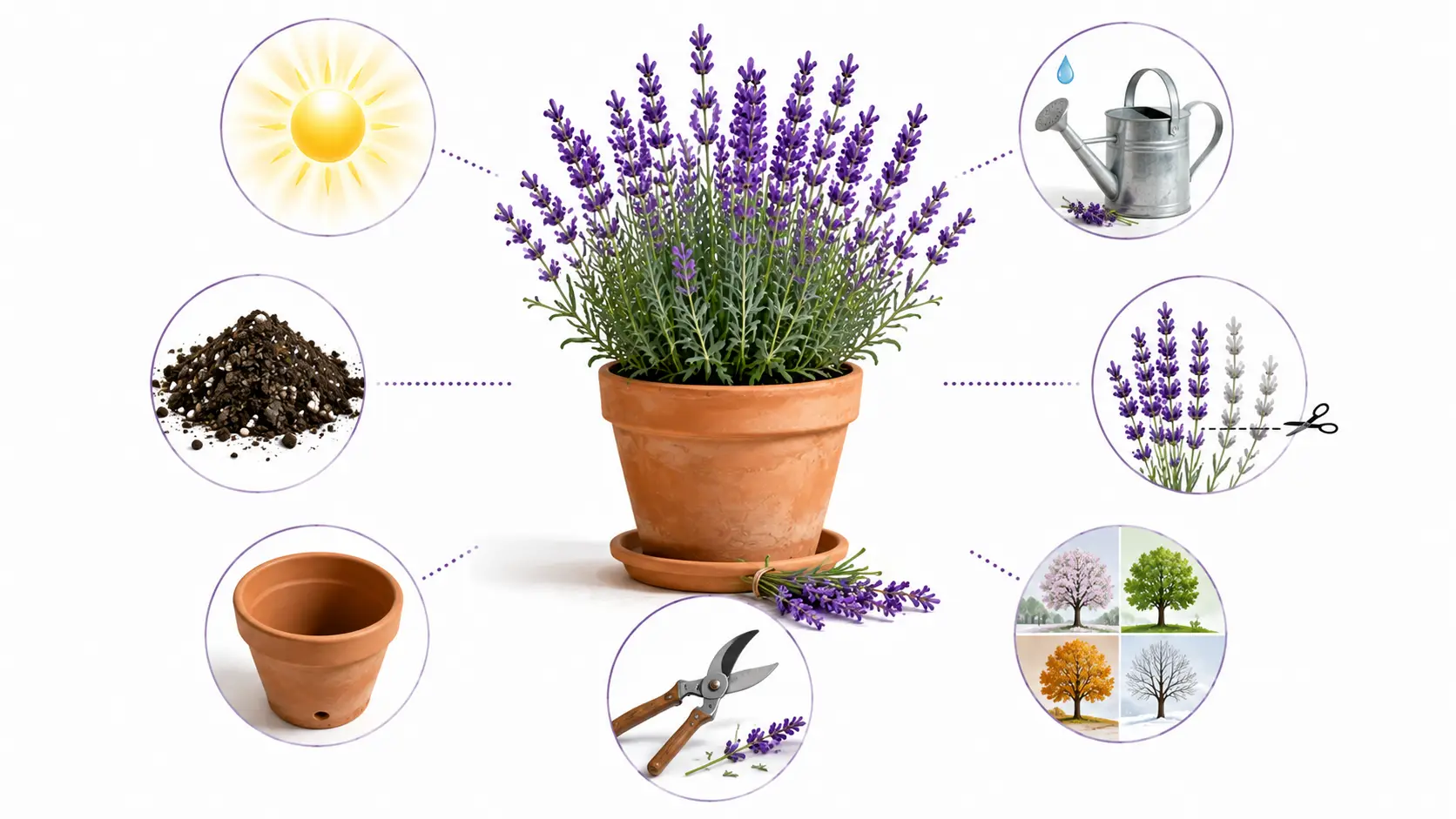
Proper care is essential if you want to maintain the benefits lavender provides.
Light and Watering Requirements
Lavender requires:
| Requirement | Recommendation |
| Sunlight | 6–8 hours daily |
| Watering | Allow soil to dry between watering |
| Indoor Location | South-facing window |
| Supplemental Light | Grow lights if natural light is insufficient |
The most common beginner mistake is overwatering. In our experience, lavender survives occasional underwatering far better than consistently wet soil. To track sunlight hours, watering schedules, and soil conditions across multiple plants, this printable lavender care tracking sheet makes it easy to stay consistent. Logging this data weekly helps you spot patterns before overwatering or light deficiency becomes a bigger problem.
Soil, Drainage, and Pot Selection
Lavender prefers:
- Well-draining soil
- Slightly alkaline conditions
- Containers with drainage holes
- Terracotta pots for improved moisture control
The commonly referenced “8 Rule for Lavender” is not a formal horticultural rule but often refers to practical guidelines such as:
- Around 8 hours of sunlight
- Soil pH approaching 7–8
- Adequate spacing around plants
- Strong air circulation
These principles align with lavender’s Mediterranean origins.
Pruning and Seasonal Maintenance
Pruning helps maintain shape, vigor, and flowering performance.
General guidelines:
- Prune lightly after flowering
- Remove dead stems annually
- Avoid cutting into old woody growth
- Reduce winter stress through proper drainage
Spring encourages new growth, while autumn and winter care focus on protection and moisture management.
Common Lavender Problems at Home and How to Fix Them
Why Is My Lavender Plant Dying Indoors?
The most common reason lavender dies indoors is root rot caused by overwatering.
Other causes include:
- Insufficient sunlight
- Poor drainage
- Excess humidity
- Inadequate airflow
Recovery steps:
- Remove the plant from wet soil.
- Trim damaged roots.
- Replant in fresh, well-draining soil.
- Increase sunlight exposure.
- Reduce watering frequency.
Lavender Side Effects — What to Know Before Using It at Home
Although generally safe, lavender can cause side effects in some individuals.
Potential lavender side effects include:
- Skin irritation
- Allergic reactions
- Sensitivity to essential oils
Lavender tea side effects may include:
- Excessive drowsiness
- Digestive discomfort
- Possible interaction with sedative medications
Children, pregnant individuals, and pet owners should consult qualified healthcare or veterinary professionals regarding concentrated lavender products.
Lavender Plant vs. Lavender Oil vs. Lavender Extract — Which Is Best for Home Use?
| Form | Best Use at Home | Key Benefit | Limitation |
| Living Plant | Bedroom, windowsill, garden | Passive aromatherapy and beauty | Requires care and sunlight |
| Lavender Oil | Skin care, massage, diffuser | Highly concentrated and versatile | Must be diluted |
| Lavender Extract | Tea, culinary use, supplements | Internal wellness applications | Less aromatic |
| Dried Lavender | Sachets, potpourri, pest control | Long shelf life | Fragrance fades gradually |
Each form serves a different purpose, and many households benefit from using more than one.
Read Also:
Conclusion — Is a Lavender Plant Worth Having at Home?
Yes, the benefits of lavender plant at home make it one of the most versatile plants for modern households. Lavender supports relaxation, sleep quality, home fragrance, natural pest control, and decorative appeal while also providing access to leaves, flowers, tea, and essential oil applications. Whether grown indoors on a sunny windowsill or outdoors in a garden, lavender delivers value across wellness, skincare, and everyday home use. For most beginners, the best approach is to start with a single plant in the bedroom, learn its care requirements, and gradually explore additional uses such as dried lavender, tea, and lavender oil.
Frequently Asked Questions About Lavender Plant Benefits at Home
Is a lavender plant good for the home?
Yes. Lavender can contribute to a calmer environment, provide natural fragrance, support sleep quality, help deter certain insects, and enhance indoor or outdoor aesthetics.
What are the benefits of keeping a lavender plant in the bedroom?
The primary benefits of lavender plant in the bedroom include relaxation support, passive aromatherapy, improved sleep quality, and enhanced room ambiance.
Can lavender lower cortisol levels?
Research suggests that lavender’s linalool compound may help reduce cortisol responses associated with stress. This effect is one reason lavender is frequently used in aromatherapy.
What are the side effects of lavender tea?
Lavender tea is generally safe in moderation. Possible lavender tea side effects include drowsiness, digestive discomfort, and potential interactions with sedative medications.
Where should I put a lavender plant in my house for maximum benefit?
For sleep support, place lavender in the bedroom near a sunny window. For fragrance, place it near entryways or living spaces. For plant health, a south-facing windowsill is often the best location.
What is lavender oil good for on skin and face?
Lavender oil may help soothe irritation, reduce redness, support acne-prone skin, and improve overall skin comfort when properly diluted and patch tested.
How do I use lavender leaves at home?
You can use lavender leaves in dried sachets, herbal infusions, fresh compresses, potpourri blends, linen drawers, and natural moth-repellent applications.
9 Comments