

Purple Passion Plant Benefits: Health, Care & Uses
Introduction
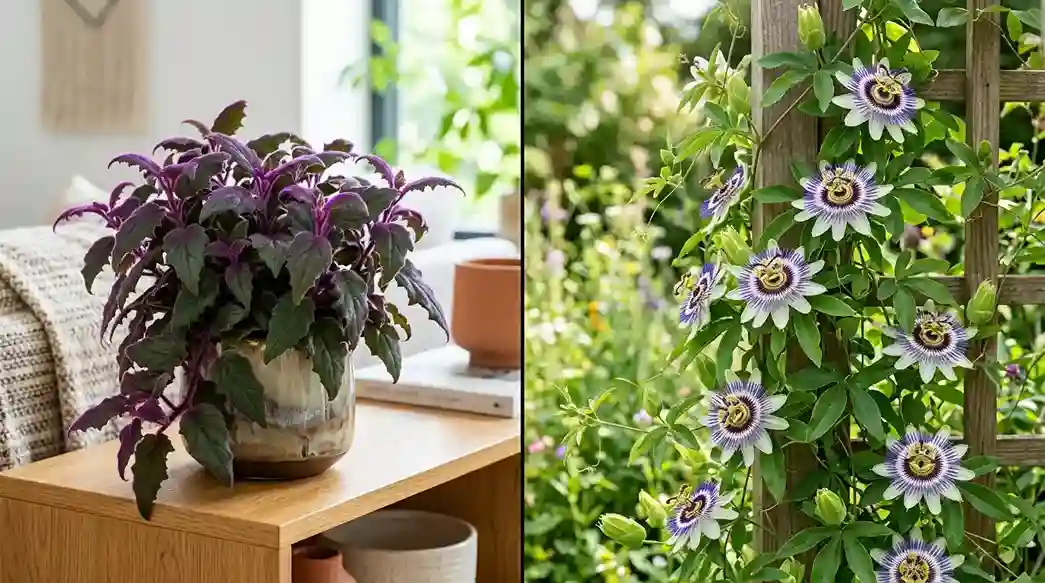
The term purple passion plant is commonly used to describe two very different plants: Gynura aurantiaca, an ornamental houseplant known for its velvety purple foliage, and Passiflora incarnata, a medicinal passionflower vine valued for its calming effects and traditional wellness uses. Because both plants are associated with the phrase “purple passion plant,” confusion is common among gardeners and health-conscious consumers. While one is primarily grown indoors for beauty and air-quality benefits, the other has a long history of use for anxiety relief, sleep support, and general wellness. Understanding the differences between these plants is essential before applying care advice or considering potential health benefits.
For a broader look at how houseplants support your health and home, see our complete guide to indoor plant benefits and natural wellness.
Quick Summary
- The term “purple passion plant” may refer to either Gynura aurantiaca or Passiflora incarnata.
- Gynura aurantiaca is an ornamental houseplant prized for its purple velvet-like foliage and indoor appeal.
- Passiflora incarnata is a medicinal herb commonly used for anxiety management and sleep support.
- Both plants offer unique benefits, but they serve entirely different purposes.
- Proper identification is important before following care instructions or using herbal preparations.
What Is the Purple Passion Plant?
The phrase “purple passion plant” can refer to either a decorative houseplant or a medicinal flowering vine. Although these plants share a common name, they belong to different botanical groups and have distinct uses. Understanding the differences helps prevent confusion when researching plant care or health applications.
Gynura Aurantiaca — The Velvet Houseplant
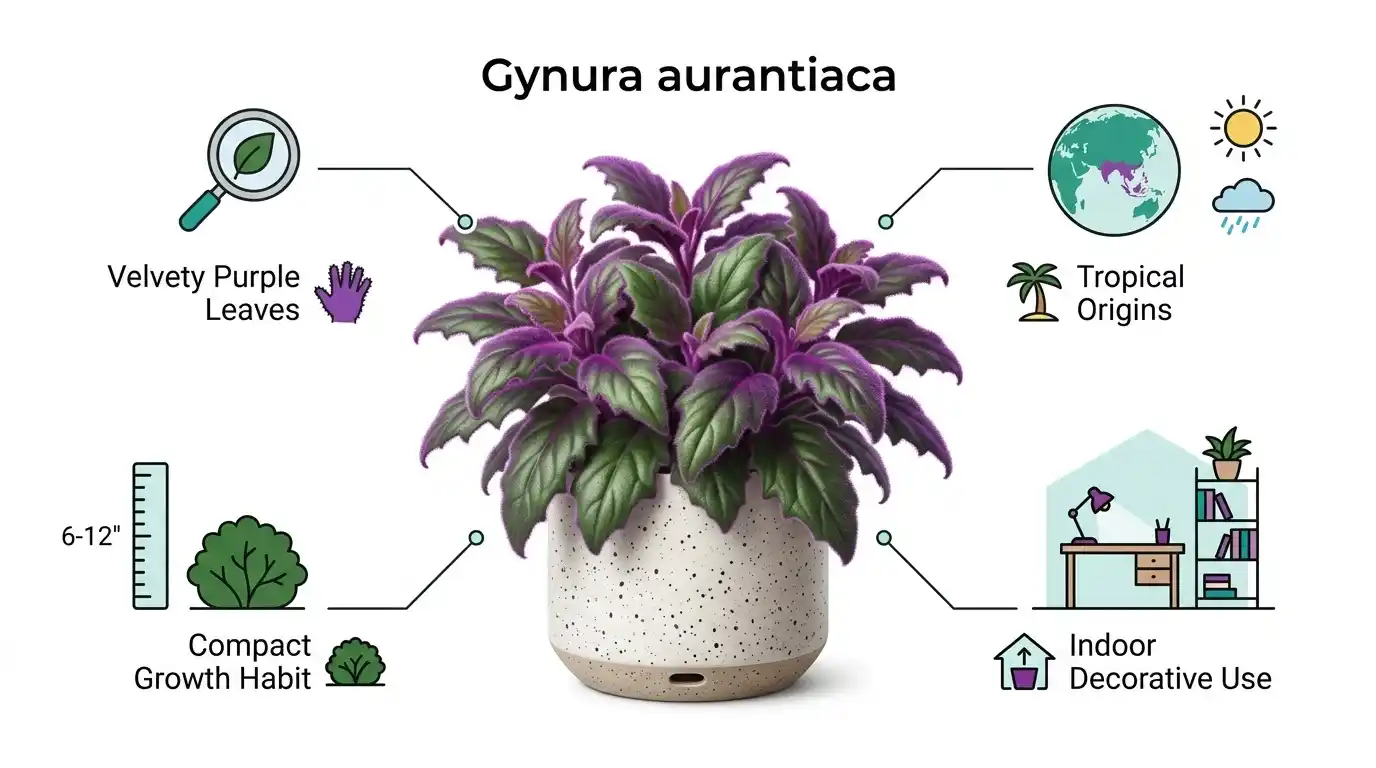
Gynura aurantiaca, commonly called the velvet plant or purple passion plant, is a tropical ornamental species admired for its striking appearance. The leaves are covered with fine purple hairs that create a soft, velvety texture and a vibrant purple glow under bright light.
Native to Southeast Asia, this plant naturally grows in warm, humid environments. Indoors, it develops a compact growth habit that makes it suitable for containers, desks, shelves, and decorative plant displays.
Because “purple passion plant” commonly refers to two unrelated species, our interactive purple passion plant identity and care comparator lets you filter Gynura aurantiaca against passionflower vines, purple-foliage plants, and succulents side-by-side.
Several characteristics contribute to its popularity as a houseplant:
- Deep green leaves covered with purple fuzz
- Compact growth suitable for indoor spaces
- Relatively easy maintenance requirements
- Attractive appearance in modern interior design
- Fast response to pruning and shaping
In our experience growing Gynura aurantiaca, consistent bright indirect light produces the most intense purple coloration. Plants kept in darker areas often lose much of their signature vibrancy.
When people ask, “What is a purple passion plant?” they are often referring to this ornamental species because of its widespread popularity among indoor plant enthusiasts.
Passiflora Incarnata — The Medicinal Passionflower
Passiflora incarnata, commonly known as passionflower, is a climbing vine native to North America. Unlike Gynura aurantiaca, this species is primarily valued for its medicinal properties rather than its foliage.
The plant produces distinctive purple-and-white flowers with intricate structures that make them highly recognizable. It also develops edible fruits and has been used in traditional herbal medicine for centuries.
Key characteristics include:
- Climbing vine growth habit
- Purple and white ornamental flowers
- Edible fruit production
- Long history of herbal use
- Widely researched calming properties
Historically, Indigenous peoples and early herbal practitioners used passionflower preparations to promote relaxation and support restful sleep. Today, Passiflora incarnata remains one of the most studied botanical supplements for anxiety and sleep-related concerns.
It is important to distinguish medicinal passionflower from ornamental passionflower species. While many passionflower vines produce attractive blooms, not all varieties are used therapeutically. Most research specifically focuses on Passiflora incarnata.
Purple Passion Plant Benefits (Gynura Aurantiaca) Indoors
When discussing indoor purple passion plant benefits, most references relate to Gynura aurantiaca. This decorative houseplant provides several practical and psychological advantages that make it a favorite among indoor gardeners.
Air Purification and Indoor Air Quality
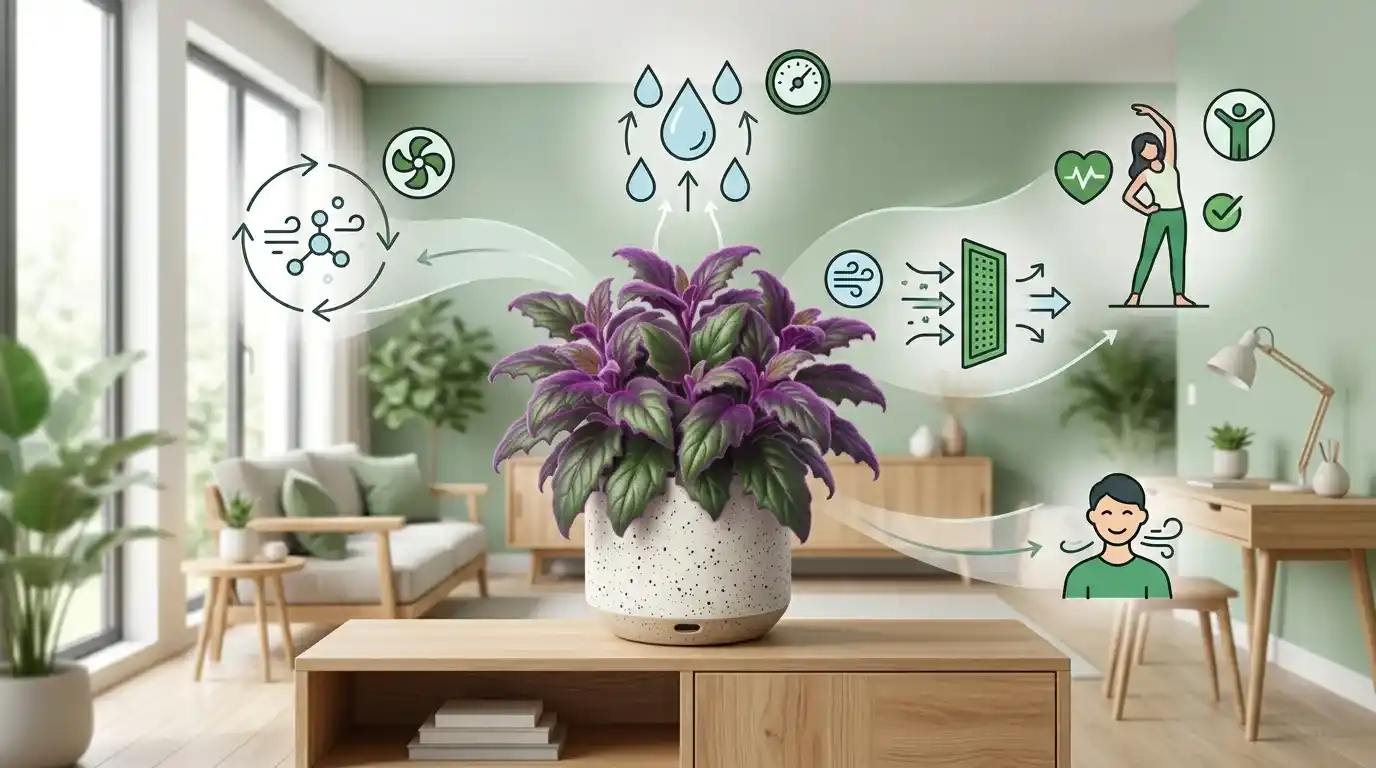
Houseplants contribute to healthier indoor environments by participating in natural gas exchange and increasing humidity around their growing area. While no houseplant can replace proper ventilation, many indoor plants help improve overall indoor comfort.
Gynura aurantiaca contributes to indoor greenery that may support:
- Improved humidity levels
- Better indoor atmosphere
- Reduction of environmental dryness
- Enhanced connection to nature indoors
As part of a diverse indoor plant collection, purple passion plants help create greener living spaces that encourage healthier indoor environments. For people seeking purple passion plant benefits indoors, its contribution to indoor aesthetics and environmental quality is one of its strongest advantages.
If you’re interested in other houseplants that support a healthier indoor environment, the 10 Benefits of Snake Plant for Home and Health explain why this low-maintenance plant remains a favorite for homes and offices.
Its air-purifying reputation and easy-care nature make it a popular companion to the purple passion plant.
Aesthetic and Psychological Benefits
One of the most noticeable benefits of Gynura aurantiaca is its visual appeal. The unique purple coloration immediately attracts attention and creates contrast against traditional green houseplants. For homeowners looking to create a more relaxing living space, the Benefits of Lavender Plant at Home highlight another plant widely associated with calmness and everyday wellness.
Lavender and purple passion plants both contribute beauty, fragrance, and a soothing atmosphere indoors.
Research on biophilic design suggests that interaction with indoor plants can contribute to reduced stress levels and improved emotional well-being. For a broader look at how houseplants can support wellbeing, explore our guide to the benefits of indoor plants. Living plants often create a calming atmosphere that supports concentration and relaxation.
Psychological benefits may include:
- Increased visual interest indoors
- Improved mood through exposure to nature
- Reduced perception of environmental stress
- Enhanced workspace appearance
- Greater mindfulness through routine plant care
Elemo Baker recommends placing purple passion plants near workspaces or reading areas where their vibrant foliage can be appreciated daily.
Many plant owners also find that caring for houseplants encourages routine, patience, and mindful observation, all of which can contribute positively to mental wellness.
Spiritual and Symbolic Meaning of the Purple Passion Plant
The color purple has long been associated with creativity, intuition, spirituality, and personal growth. Because of its distinctive purple foliage, the purple passion plant is often linked to these symbolic meanings.
Common symbolic associations include:
- Creativity and inspiration
- Spiritual awareness
- Personal transformation
- Emotional depth
- Intuition and wisdom
In some cultural interpretations, passion plants symbolize devotion and enduring affection. While red roses remain the traditional answer to the question, “What plant says ‘I love you’?”, passion plants are sometimes associated with deep emotional connections and heartfelt commitment.
For many indoor gardeners, the plant’s symbolism adds another layer of enjoyment beyond its decorative value. The act of nurturing a living plant can itself become a mindful practice that promotes calmness and appreciation for nature.
Passionflower Benefits (Passiflora Incarnata)
Unlike Gynura aurantiaca, Passiflora incarnata is valued primarily for its medicinal and wellness applications. Modern research has explored its potential role in supporting relaxation, sleep quality, and emotional well-being. For a broader look at how passionflower stacks up against other natural calming herbs, browse our calming and sleep support herbal supplements reference database on Notion.
Passionflower for Anxiety Relief
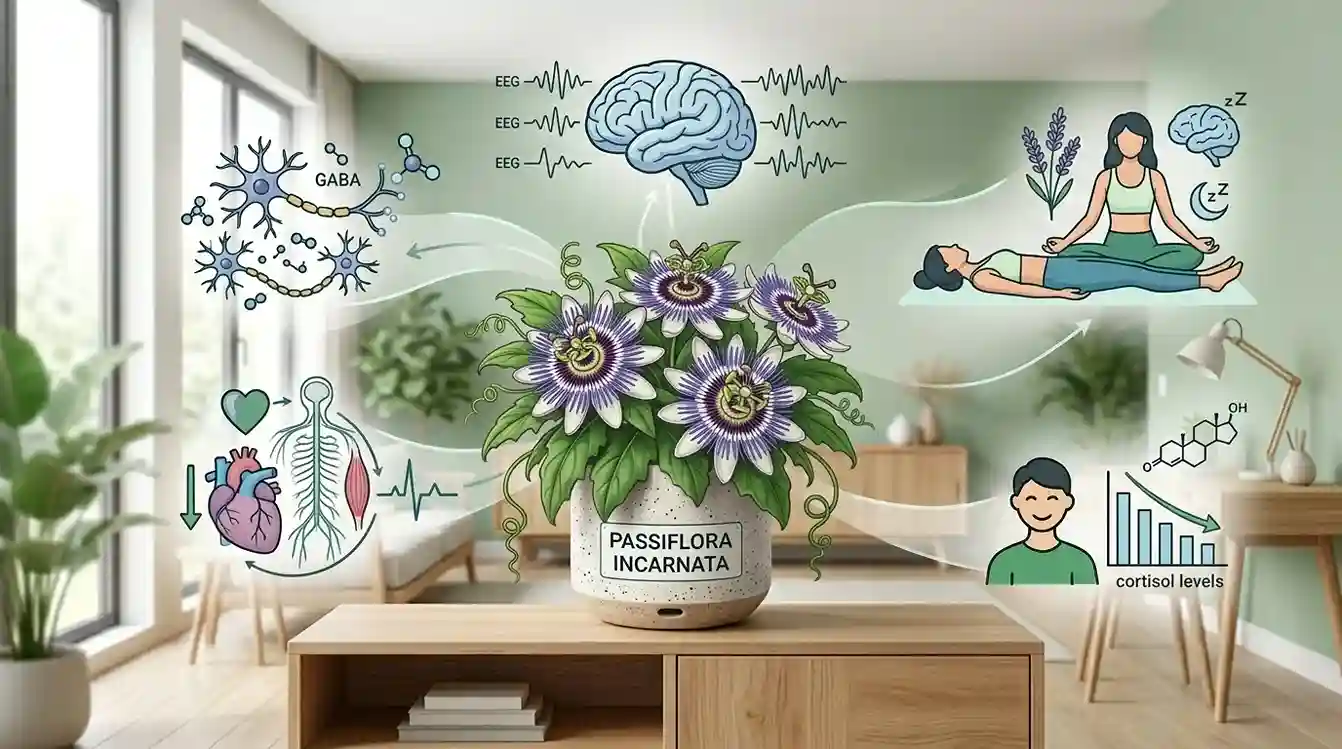
Passionflower is most widely recognized for its potential ability to support anxiety management. Research suggests that compounds within Passiflora incarnata may influence gamma-aminobutyric acid (GABA) activity in the brain.
GABA is a neurotransmitter that helps regulate nervous system activity and promotes feelings of calmness. By supporting normal GABA function, passionflower may help reduce feelings of nervous tension and restlessness.
Studies have investigated passionflower for:
- Situational anxiety
- General nervousness
- Stress-related tension
- Mild emotional discomfort
- Pre-procedure anxiety
One reason passionflower remains popular is that it may provide calming effects without the same dependency concerns associated with certain pharmaceutical sedatives. However, it should not be viewed as a replacement for medical treatment without professional guidance.
People searching for passiflora for anxiety, passionflower anxiety, or passion flower for anxiety are generally referring to these calming properties.
Passionflower for Sleep
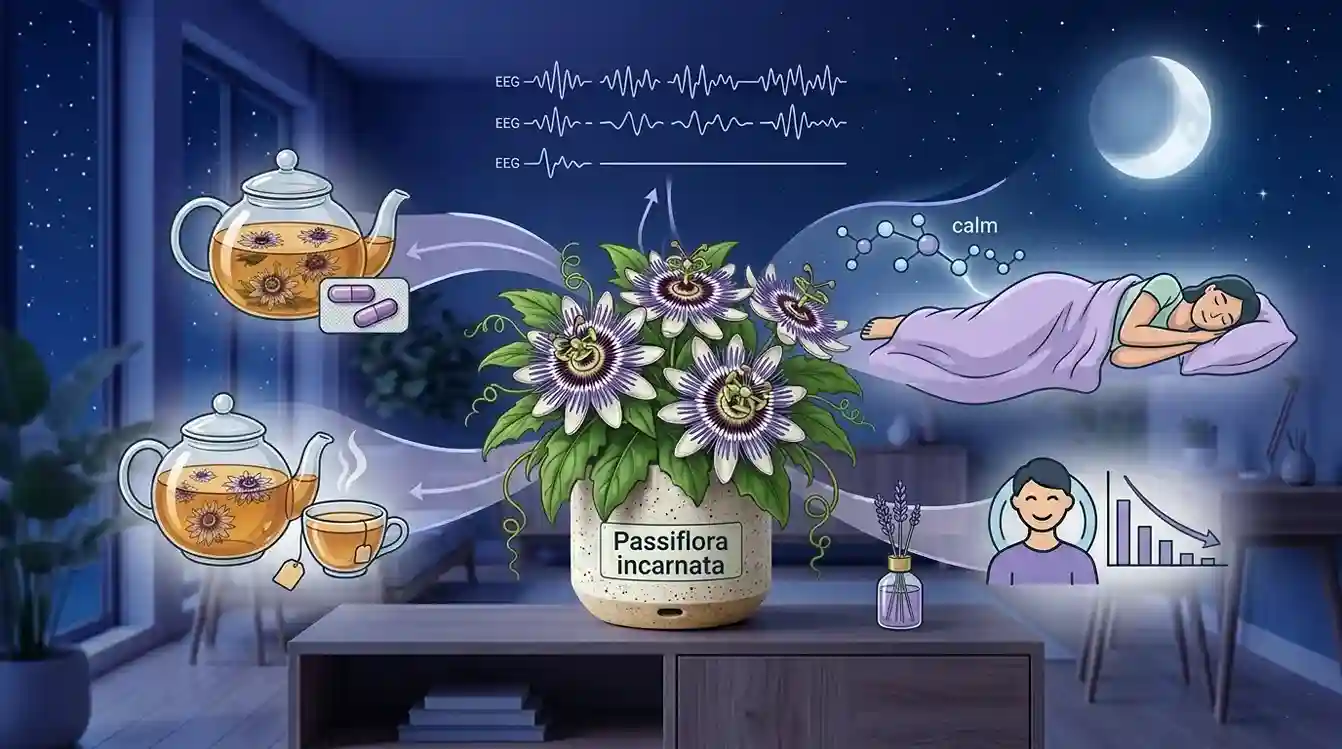
Passionflower may also help support healthy sleep patterns by promoting relaxation before bedtime. Its calming effects can make it easier for some individuals to fall asleep and maintain restful sleep throughout the night. Those interested in aromatic plants for comfort and wellness may also enjoy learning about Vicks Plant Benefits: What This Fragrant Herb Can Do for You.
Its distinctive scent and traditional household uses make it another popular plant among natural wellness enthusiasts.
Commonly reported sleep-related benefits include:
- Improved sleep onset
- Reduced nighttime restlessness
- Enhanced relaxation before bed
- Better overall sleep quality
Research suggests that passionflower’s effects on GABA activity may play a role in these benefits. Many individuals use passionflower tea, tinctures, or supplements approximately 30 to 60 minutes before bedtime.
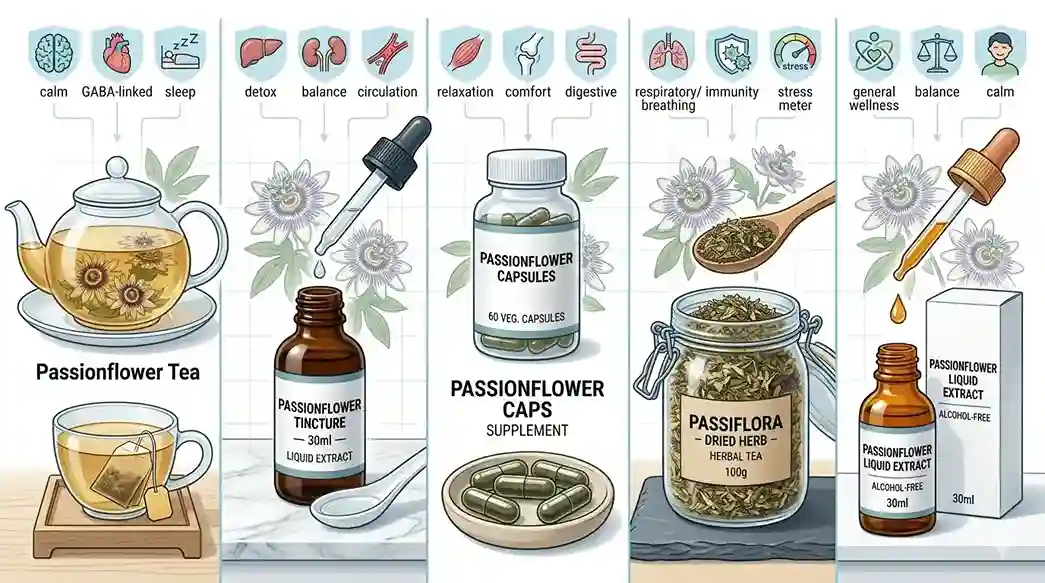
The most commonly used forms include:
- Herbal tea
- Liquid tincture
- Capsules
- Standardized extracts
Individual responses vary, and dosage considerations will be discussed in the next section.
Passion Flower Benefits for Females
Passionflower may offer specific benefits for females, particularly during periods of hormonal fluctuation such as premenstrual syndrome (PMS), perimenopause, and menopause. Many symptoms associated with these life stages involve stress, mood changes, sleep disturbances, and nervous tension—all areas where passionflower has traditionally been used.
Potential benefits for women include:
- Support for emotional balance during PMS
- Reduction of stress-related irritability
- Improved sleep quality during hormonal transitions
- Relief from mild tension and nervousness
- Support for overall relaxation and well-being
Some researchers believe that passionflower’s calming influence on the nervous system may indirectly help women manage the emotional symptoms associated with hormonal changes. Improved sleep can also contribute to better mood regulation and daily functioning.
In our experience, many gardeners and herbal enthusiasts use passionflower tea in the evening during periods of increased stress or hormonal discomfort. However, responses vary between individuals, and herbal supplements should not replace medical care when symptoms are severe.
Women experiencing significant hormonal symptoms should consult a healthcare professional before using passionflower regularly.
Passiflora Incarnata Additional Health Benefits
Beyond anxiety and sleep support, Passiflora incarnata has been studied for several other potential wellness benefits. Although some areas require further research, preliminary findings suggest broader applications.
Anti-Inflammatory Properties
Passionflower contains plant compounds including flavonoids and antioxidants that may contribute to anti-inflammatory activity. While research is ongoing, these compounds are believed to help combat oxidative stress within the body.
Potential benefits include:
- Cellular protection from oxidative damage
- Support for healthy inflammatory responses
- General wellness support
Blood Pressure Regulation
Some preliminary studies suggest passionflower may contribute to relaxation of the nervous system, which could indirectly support healthy blood pressure levels in certain individuals.
However, passionflower should not be considered a treatment for hypertension. Individuals with blood pressure concerns should continue following medical advice and prescribed treatments.
Digestive Calm and Nervous Stomach Relief
Traditional herbal medicine has long associated passionflower with relief from digestive discomfort linked to stress and anxiety.
Potential digestive benefits include:
- Reduced nervous stomach symptoms
- Improved digestive comfort during stressful periods
- Relaxation of tension-related digestive responses
Many herbal practitioners consider passionflower particularly useful when digestive discomfort appears closely connected to emotional stress. Like passionflower, the Leaf of Life Plant Benefits, Uses, Tea & Care Guide explores another plant valued for its long history in traditional herbal wellness practices.
It is commonly used in herbal preparations and is appreciated for both its health-related uses and ease of cultivation.
Passionflower Dosage Guide
Proper dosage is important for achieving desired effects while minimizing potential side effects. Dosage recommendations vary depending on the preparation used.
Recommended Dosage by Form
| Form | Typical Dosage | Purpose |
| Dried Herb / Tea | 0.5–2 g per cup | Sleep, mild anxiety |
| Tincture (1:8) | 0.5–1 ml, 3 times daily | Anxiety, tension |
| Capsule / Tablet | 200–400 mg daily | General wellness |
| Standardized Extract | As directed on product label | Clinical use |
When using passionflower for sleep, many individuals take:
- 300–400 mg standardized extract
- 1–2 cups of tea
- Recommended tincture dose
approximately 30–60 minutes before bedtime.
Elemo Baker recommends starting with the lowest effective dose and monitoring individual response before increasing intake.
Is It Safe to Take Passionflower Every Day?
Passionflower is generally considered safe for short-term daily use in healthy adults. Most available studies have evaluated use periods ranging from a few days to approximately eight weeks. If you want to cross-check dosage forms across multiple calming herbs at once, our herbal calm sleep supplement database spreadsheet lays out standardized amounts, forms, and typical uses side-by-side.
Current evidence suggests:
- Short-term daily use is generally well tolerated.
- Long-term research remains limited.
- Periodic breaks may be beneficial for regular users.
- Individual tolerance can vary significantly.
People who should consult a healthcare professional before daily use include:
- Pregnant women
- Breastfeeding women
- Individuals taking sedatives
- People using antidepressants
- Individuals taking blood thinners
- Those with chronic medical conditions
Because long-term data remains limited, healthcare guidance is recommended for extended daily use.
Passionflower Side Effects and Safety
Although passionflower is generally considered safe when used appropriately, it can cause side effects in some individuals. Understanding potential risks helps ensure responsible use.
Common Side Effects of Passionflower
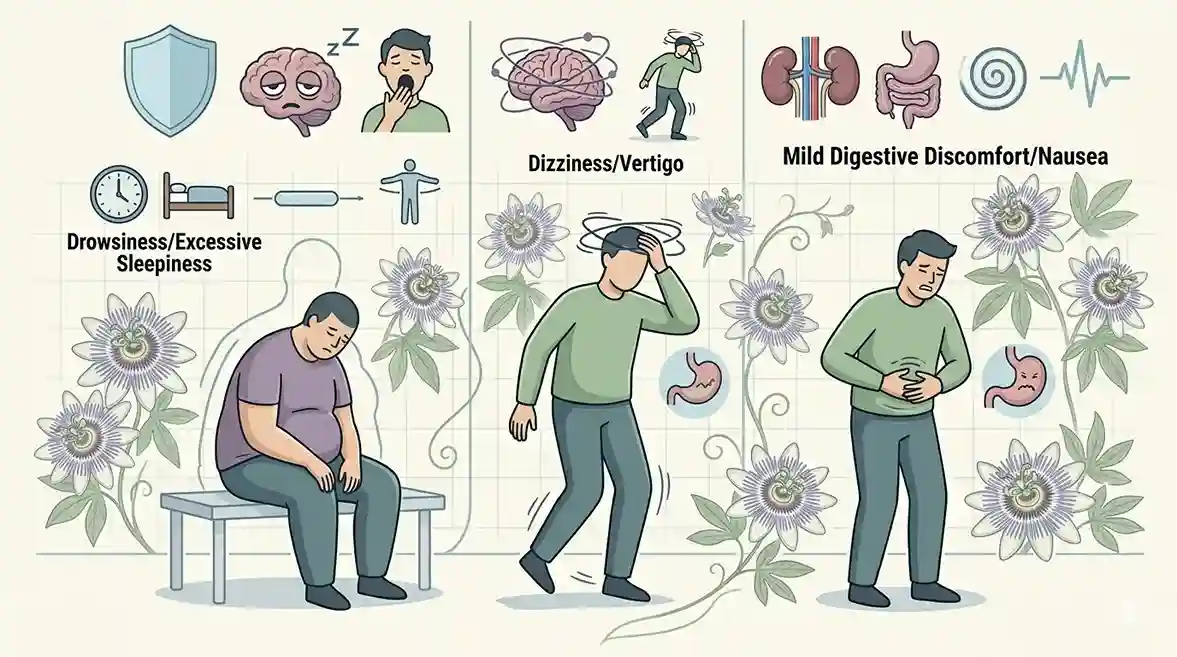
The most frequently reported side effects are related to its calming and sedative properties.
Common side effects may include:
- Drowsiness
- Mild sedation
- Dizziness
- Reduced alertness
- Occasional confusion at higher doses
Some users also report mild digestive symptoms such as:
- Nausea
- Stomach discomfort
- Gastrointestinal upset
Most side effects are mild and often resolve when dosage is reduced or discontinued.
Individuals should avoid driving or operating machinery until they understand how passionflower affects them personally.
Passionflower Tea Side Effects
Passionflower tea is one of the most popular ways to consume the herb, but excessive intake may increase the likelihood of side effects.
Potential concerns include:
- Excessive drowsiness
- Morning grogginess
- Digestive discomfort
- Increased sedation when combined with other calming herbs
Over-steeping tea can create a stronger preparation that may intensify sedative effects.
When combining herbal teas, caution is advised with ingredients such as:
- Valerian root
- Chamomile
- Lemon balm
- Hops
The combined effects may increase sleepiness beyond intended levels.
Passion Flower Side Effects on the Liver
Current research suggests that liver-related side effects from passionflower are rare. However, isolated case reports have documented potential hepatotoxicity concerns associated with herbal supplement use.
Important considerations include:
- Documented cases are uncommon.
- Direct causation is often difficult to confirm.
- Existing liver disease may increase risk.
- High doses should be avoided.
Individuals with:
- Hepatitis
- Cirrhosis
- Chronic liver disease
- Elevated liver enzymes
should consult a physician before using passionflower supplements regularly.
Staying within recommended dosage guidelines significantly reduces potential risk.
Passion Flower Side Effects on the Kidneys
Current scientific evidence does not show strong links between passionflower and kidney toxicity when used appropriately.
Available information suggests:
- No well-established direct kidney toxicity exists.
- Research remains limited.
- Individuals with kidney disease should use caution.
- Adequate hydration remains important during herbal supplementation.
People with chronic kidney conditions should discuss supplement use with their healthcare provider before beginning passionflower therapy.
Drug Interactions and Contraindications
Passionflower may interact with certain medications and medical conditions. These interactions are important because the herb can influence nervous system activity.
Potential interactions include:
Sedatives and Sleep Medications
- Benzodiazepines
- Prescription sleep aids
- Sedating antihistamines
Combining these substances may increase drowsiness.
Antidepressants
- SSRIs
- MAOIs
- Other mood-related medications
Medical supervision is recommended when combining supplements with psychiatric medications.
Blood Thinners
Passionflower may theoretically influence bleeding risk when combined with anticoagulant medications.
Common contraindications include:
- Pregnancy
- Breastfeeding
- Scheduled surgery within two weeks
- Known allergy to passionflower
Stop use and seek medical advice if symptoms such as severe dizziness, allergic reactions, confusion, or unusual side effects occur.
Purple Passion Plant Care Guide (Gynura Aurantiaca)
Proper care is essential for maintaining the vibrant purple coloration and healthy growth of Gynura aurantiaca. While the plant is generally considered low-maintenance, providing the right environment helps it thrive indoors.
Light Requirements
Purple passion plants grow best in bright, indirect light. Adequate light is crucial for maintaining the purple hairs that give the plant its distinctive appearance.
Ideal lighting conditions include:
- Bright indirect sunlight
- East-facing windows
- Filtered south-facing windows
- Bright rooms with consistent daylight
Too much direct sunlight may cause:
- Leaf scorch
- Dry leaf edges
- Faded foliage
Too little light can result in:
- Loss of purple coloration
- Green-dominant leaves
- Leggy growth
- Reduced vigor
In our experience growing purple passion plants indoors, placing them within a few feet of a bright window produces the richest purple coloration without risking sun damage.
Watering Needs
The purple passion plant prefers evenly moist soil but does not tolerate waterlogged conditions.
A practical watering approach is:
- Water when the top 1–2 inches of soil feel dry.
- Water thoroughly until excess drains from the pot.
- Empty drainage trays after watering.
Signs of overwatering include:
- Yellow leaves
- Drooping stems
- Soft plant tissue
- Root rot
Signs of underwatering include:
- Wilting
- Dry leaf edges
- Slowed growth
Seasonal adjustments are important. During spring and summer, the plant typically requires more frequent watering due to active growth. Watering needs usually decrease during fall and winter.
Soil, Fertilization, and Potting
A well-draining potting mix helps prevent root problems and supports healthy growth.
Recommended soil components include:
- High-quality indoor potting mix
- Perlite for drainage
- Coco coir or peat moss for moisture retention
Fertilization guidelines:
- Feed monthly during spring and summer.
- Use a balanced liquid houseplant fertilizer.
- Reduce or stop fertilizing during winter dormancy.
Repotting is generally required every 1–2 years or when roots begin circling the container.
Indicators that repotting is needed:
- Roots emerging from drainage holes
- Rapid soil drying
- Slowed growth despite proper care
Elemo Baker recommends choosing a new pot only one size larger than the existing container to avoid excessive moisture retention around the roots.
Temperature and Climate Tolerance
Gynura aurantiaca prefers warm indoor temperatures and does not tolerate frost.
Ideal temperature range:
- 60–75°F (15–24°C)
The plant may struggle when exposed to:
- Temperatures below 50°F (10°C)
- Cold drafts
- Air conditioner vents
- Sudden temperature fluctuations
Moderate humidity levels are beneficial and help maintain healthy foliage. Homes with very dry air may benefit from occasional humidity support through grouping plants together or using a humidifier.
Plant Size and Growth Rate
Purple passion plants remain relatively compact compared to many tropical houseplants.
Typical mature size indoors:
| Characteristic | Size |
| Height | 1–2 feet |
| Width | 1–2 feet |
| Growth Habit | Bushy and spreading |
Growth rate is generally considered moderate.
Factors that accelerate growth include:
- Bright indirect light
- Consistent watering
- Regular feeding
- Warm temperatures
Pruning encourages bushier growth and prevents the plant from becoming leggy. Regular pinching of stem tips promotes fuller, more attractive foliage.
For more inspiration when choosing colourful foliage for Australian homes, explore our Australian Plants Guide: Indoor Houseplants & Garden Design.
Common Problems With Purple Passion Plants
Even healthy purple passion plants can encounter occasional issues. Most problems can be corrected when identified early.
Why Are My Purple Passion Plant Leaves Turning Green?
Purple passion plant leaves typically turn green because the plant is not receiving enough light.
The purple coloration comes from fine hairs that develop most intensely under adequate lighting conditions.
Common causes include:
- Insufficient sunlight
- Placement far from windows
- Seasonal reductions in daylight
Solutions:
- Move the plant closer to a bright window.
- Provide bright indirect light consistently.
- Rotate the plant regularly for even exposure.
Prevention involves maintaining stable lighting throughout the year.
Overwatering and Root Rot
Overwatering is one of the most common causes of failure with purple passion plants.
Symptoms include:
- Yellowing leaves
- Drooping growth
- Mushy stems
- Sour-smelling soil
- Root discoloration
If root rot is suspected:
- Remove the plant from its pot.
- Inspect roots for black or mushy sections.
- Trim damaged roots.
- Repot in fresh, well-draining soil.
Prevention strategies:
- Use containers with drainage holes.
- Avoid watering on a fixed schedule.
- Check soil moisture before watering.
Pest Infestations (Spider Mites, Aphids, Mealybugs)
Several common indoor plant pests may affect Gynura aurantiaca.
Most frequently encountered pests include:
- Spider mites
- Aphids
- Mealybugs
Signs of infestation:
- Sticky residue
- Webbing on leaves
- Distorted growth
- Visible insects
Treatment options:
- Neem oil applications
- Insecticidal soap
- Manual removal with cotton swabs
- Isolation from other houseplants
Regular inspection remains the most effective prevention method.
Leggy Growth and Loss of Shape
Leggy growth occurs when stems stretch excessively in search of light.
Common causes:
- Low light levels
- Lack of pruning
- Overcrowded growing conditions
Corrective measures:
- Increase light exposure.
- Prune elongated stems.
- Pinch growing tips regularly.
Pruning stimulates branching and helps maintain a compact appearance.
Passionflower vs Similar Herbal Supplements
Many people compare passionflower to other natural sleep and stress-support supplements. Each option works differently and offers distinct benefits.
| Feature | Passionflower | Valerian Root | Ashwagandha | Melatonin |
| Primary Use | Anxiety + Sleep | Sleep | Stress + Energy | Sleep Onset |
| Mechanism | GABA Modulation | GABA Modulation | Cortisol Regulation | Circadian Rhythm Support |
| Sedation Level | Mild–Moderate | Moderate–Strong | Low | Moderate |
| Daily Use Safety | Short-Term OK | Short-Term OK | Generally OK | Occasional Best |
| Liver Concern | Rare, Noted Cases | Rare | Rare | None Noted |
Key differences include:
- Passionflower primarily supports relaxation and sleep quality.
- Valerian root is often more sedating.
- Ashwagandha focuses on stress adaptation and energy balance.
- Melatonin specifically targets sleep timing and circadian rhythm regulation.
For individuals seeking both anxiety relief and sleep support, passionflower remains one of the most versatile herbal options available.
Conclusion
The purple passion plant offers benefits that extend far beyond its name. Whether you are growing Gynura aurantiaca for its stunning velvety foliage or using Passiflora incarnata for its traditional wellness applications, each plant provides unique value.
As an ornamental houseplant, Gynura aurantiaca enhances indoor spaces with vibrant color, visual interest, and a calming connection to nature. Its manageable size and relatively simple care requirements make it an excellent choice for indoor gardeners.
As a medicinal herb, Passiflora incarnata is widely recognized for supporting relaxation, sleep quality, and emotional well-being. Research continues to explore its role in anxiety management and broader wellness applications.
Understanding the differences between these two plants, following appropriate care practices, using safe dosage guidelines, and recognizing potential side effects will help you enjoy the full range of purple passion plant benefits.
Frequently Asked Questions (FAQs)
Q1: What are the benefits of the purple passion plant?
The benefits depend on which plant is being discussed. Gynura aurantiaca offers indoor benefits such as visual appeal, stress reduction through plant care, and support for a pleasant indoor environment. Passiflora incarnata is valued for its potential ability to support sleep, reduce anxiety, and promote relaxation.
Q2: What is the purple passion flower used for?
The purple passion flower, commonly referring to Passiflora incarnata, is primarily used for anxiety management, sleep support, relaxation, and emotional wellness. It is available as teas, capsules, tinctures, and herbal supplements.
Q3: How much passionflower should I take for sleep?
Typical sleep-support dosages include approximately 300–400 mg of standardized extract or 1–2 cups of passionflower tea taken 30–60 minutes before bedtime. Individual responses vary, and healthcare guidance is recommended for long-term use.
Q4: Is it safe to take passionflower every day?
Passionflower is generally considered safe for short-term daily use, often for periods up to eight weeks. Long-term research remains limited. Individuals who are pregnant, breastfeeding, taking sedatives, or using blood thinners should consult a healthcare professional before daily use.
Q5: Does passionflower have any side effects on the liver or kidneys?
Rare reports have suggested possible liver-related reactions associated with passionflower supplementation, although such cases are uncommon. Evidence of direct kidney toxicity is limited. Individuals with existing liver or kidney conditions should seek medical advice before use.
Q6: What plant symbolizes “I love you”?
Red roses are traditionally recognized as the plant most strongly associated with love. However, passion plants are sometimes viewed as symbols of devotion, enduring affection, and deep emotional connection, making them meaningful gifts in certain cultural contexts.
Q7: What are the common problems with purple passion plants indoors?
Common issues include leaves turning green due to insufficient light, overwatering and root rot, pest infestations such as spider mites and mealybugs, and leggy growth caused by inadequate light or lack of pruning. Most of these problems can be corrected through proper care and environmental adjustments.
2 Comments