
Rare Blue Bougainvillea Flower: Is It Real?
Introduction
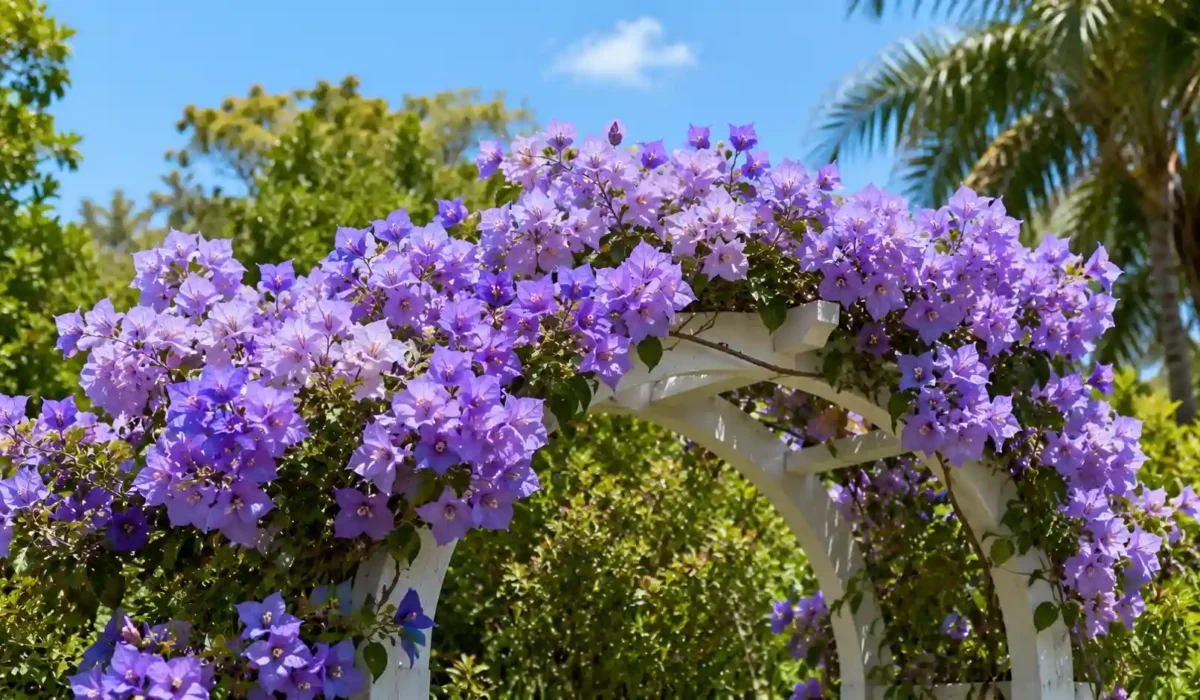
The rare blue bougainvillea flower is one of the most searched bougainvillea topics online because many gardeners have seen striking blue images and want to know whether the plant is genuine. The simple answer is that bougainvillea does not naturally produce true blue bracts. Instead, a handful of uncommon cultivars display cool violet-blue or lavender-blue tones that can appear blue under certain lighting conditions. These varieties are attractive, unusual and highly sought after, but they are not genetically capable of producing genuine blue pigments. Understanding this distinction helps you choose authentic bougainvillea plants while avoiding misleading marketing claims and digitally enhanced product photos.
By Elemo Baker | Plant Care & Gardening Expert
Quick Summary
- True blue bougainvillea does not exist because bougainvillea lacks the genetics needed to produce genuine blue flower pigments.
- “Blue bougainvillea” usually refers to cool-toned violet or lavender cultivars such as Blueberry Ice and Yuyu Light Blue.
- Bougainvillea naturally flowers in shades of pink, magenta, red, orange, yellow, white and purple—not true blue.
- Many “rare blue bougainvillea seeds” advertised online use edited photographs or misleading descriptions.
- Choosing recognised cultivars from reputable nurseries is the safest way to obtain authentic plants.
Is the Blue Bougainvillea Flower Real?
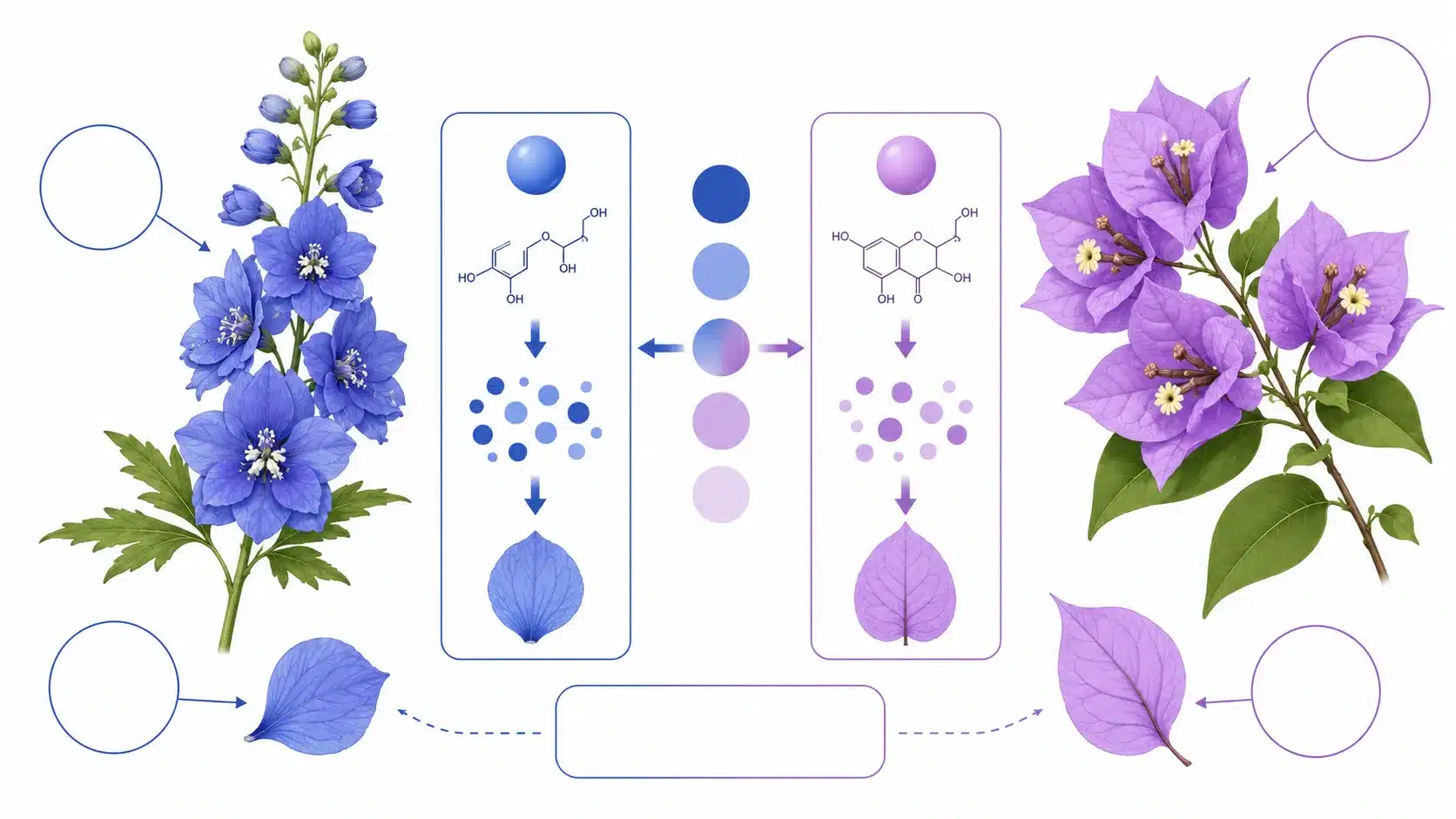
The blue bougainvillea flower is not real in the botanical sense. No known bougainvillea variety produces true blue bracts. What many sellers market as blue is actually a cool-toned purple, violet or lavender cultivar whose colour may appear blue under particular lighting or in edited photographs.
Although gardeners commonly search for “blue bougainvillea” or “is blue bougainvillea real”, the closest genuine options are rare purple-toned cultivars rather than naturally blue flowering plants.
Why Bougainvillea Can’t Produce True Blue Bracts
Bougainvillea belongs to the family Nyctaginaceae, and its colourful display comes from modified leaves called bracts, not petals. The plant lacks sufficient delphinidin-based anthocyanins, the pigment responsible for producing true blue flowers in species such as delphiniums, cornflowers and Himalayan blue poppies.
For readers interested in the botanical background of this plant, the Bougainvillea Wikipedia article provides an overview of its classification, species and cultivation.
Instead, bougainvillea produces pigments that create colours including:
- Pink
- Magenta
- Red
- Purple
- Orange
- White
- Yellow
Without the genetic pathway needed for blue pigment production, breeders cannot simply select or cultivate a naturally blue bougainvillea.
Why the “Blue” Illusion Happens
Several factors make some bougainvillea varieties appear bluer than they actually are.
These include:
- Cool morning or evening light
- Cloudy weather enhancing violet tones
- Viewing flowers from a distance
- Digital photo editing
- Camera white balance adjustments
- Highly saturated online product images
In our experience growing bougainvillea in Australian gardens, cool purple cultivars often appear noticeably bluer during winter mornings than they do under bright midday sunshine.
Blue Bougainvillea Colours and Closest Varieties
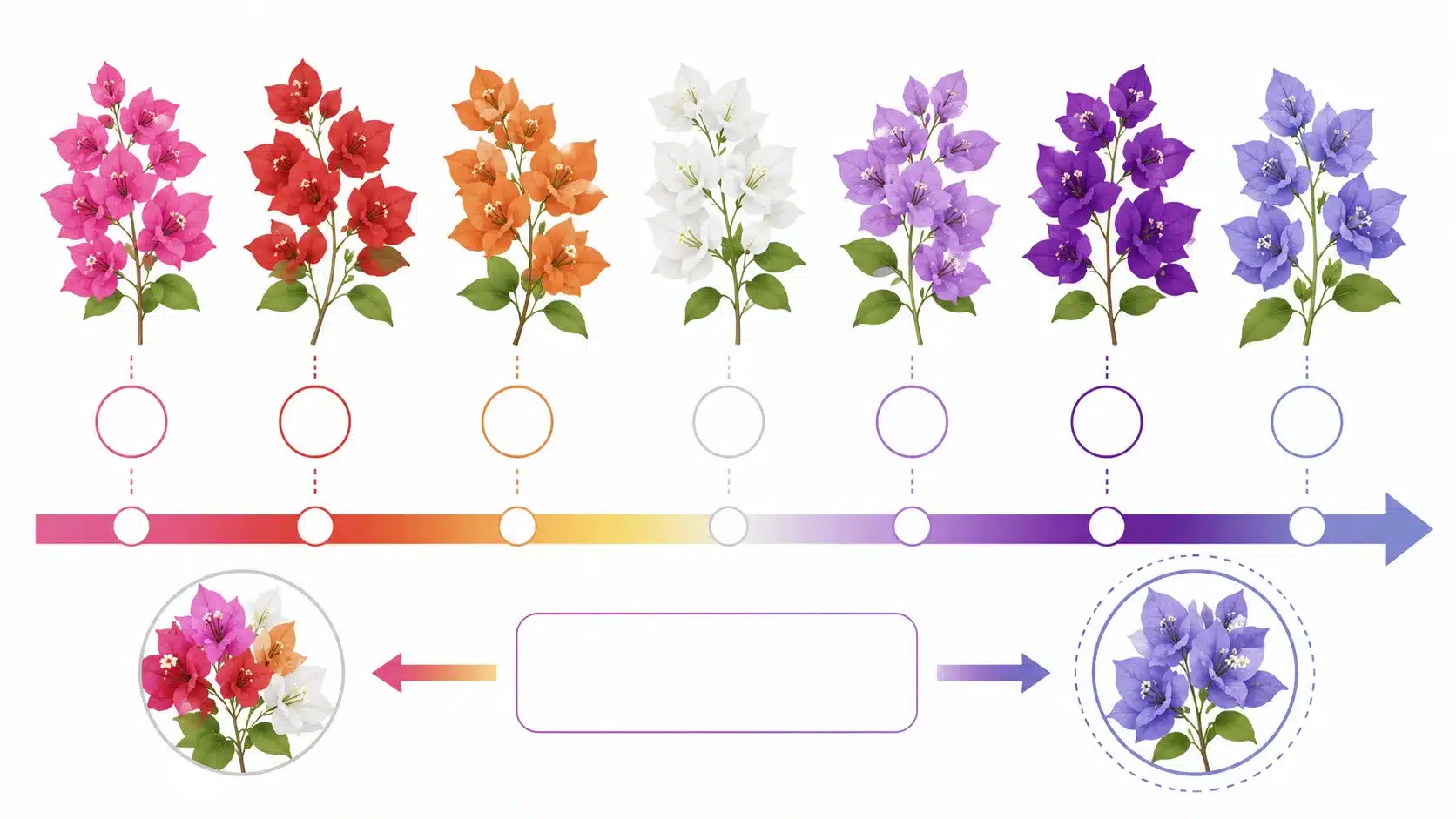
Although true blue is unavailable, several cultivars offer the closest appearance.
Closest-to-Blue Bougainvillea Varieties
Blueberry Ice
Blueberry Ice is among the best-known “blue” bougainvilleas. It produces soft lavender-purple bracts paired with attractive variegated foliage. Under cool lighting, the bracts may appear bluish.
Yuyu Light Blue
Despite its name, Yuyu Light Blue produces pale lavender or violet bracts rather than true blue. Its compact habit makes it suitable for containers and smaller gardens.
Purple Queen / James Walker
These cultivars develop rich cool-purple bracts that often photograph with a blue tint, especially under overcast skies.
For gardeners who prefer naturally purple-flowering species, see our Australian Native Purple Flowers: Types, Care & Guide.
Is Blueberry Ice Bougainvillea Genuinely Rare?
Yes. Blueberry Ice is relatively rare compared with common pink, magenta and red bougainvillea varieties.
However, its rarity comes from limited nursery availability—not because it produces genuine blue flowers.
Gardeners value Blueberry Ice for:
- Attractive variegated foliage
- Cool lavender-purple bracts
- Decorative container performance
- Distinct appearance among common cultivars
In our experience, Blueberry Ice maintains its strongest colour when grown in full sun with moderate watering and well-drained soil.
Bougainvillea Colour Comparison
| Colour Family | Example Variety | Blue-like Appearance |
| Pink | Barbara Karst | No |
| Red | Scarlet O’Hara | No |
| Orange | California Gold | No |
| Yellow | California Gold Yellow | No |
| White | White Madonna | No |
| Standard Purple | Purple Queen | Slightly |
| Lavender-Blue | Blueberry Ice | Closest |
| Soft Violet | Yuyu Light Blue | Closest |
Rare Blue Bougainvillea Flower Care Guide
Plant Size
Most bougainvillea varieties are vigorous climbers.
Typical mature size includes:
- Height: 3–10 metres outdoors
- Width: 2–6 metres
- Container plants: approximately 1–3 metres
Regular pruning, climate and growing conditions significantly influence final size. For evergreen privacy planting, compare bougainvillea with Photinia Fraseri Robusta: Growth, Care & Hedge Guide.
Growth Rate
Bougainvillea is considered a fast-growing ornamental vine in warm climates. If rapid garden screening is your goal, you may also want to compare bougainvillea with Pittosporum Silver Sheen Growth Rate Guide.
Growth is strongest during:
- Spring
- Summer
- Early autumn
Flowering occurs in repeated flushes when plants receive abundant sunlight and slightly dry soil between watering. If you’re designing a larger landscape, our Fast Growing Evergreen Trees Australia Guide offers complementary planting options alongside bougainvillea.
As of the 2026 growing season, experienced growers continue recommending controlled watering rather than frequent irrigation to maximise flowering.
Watering, Light and Soil Needs
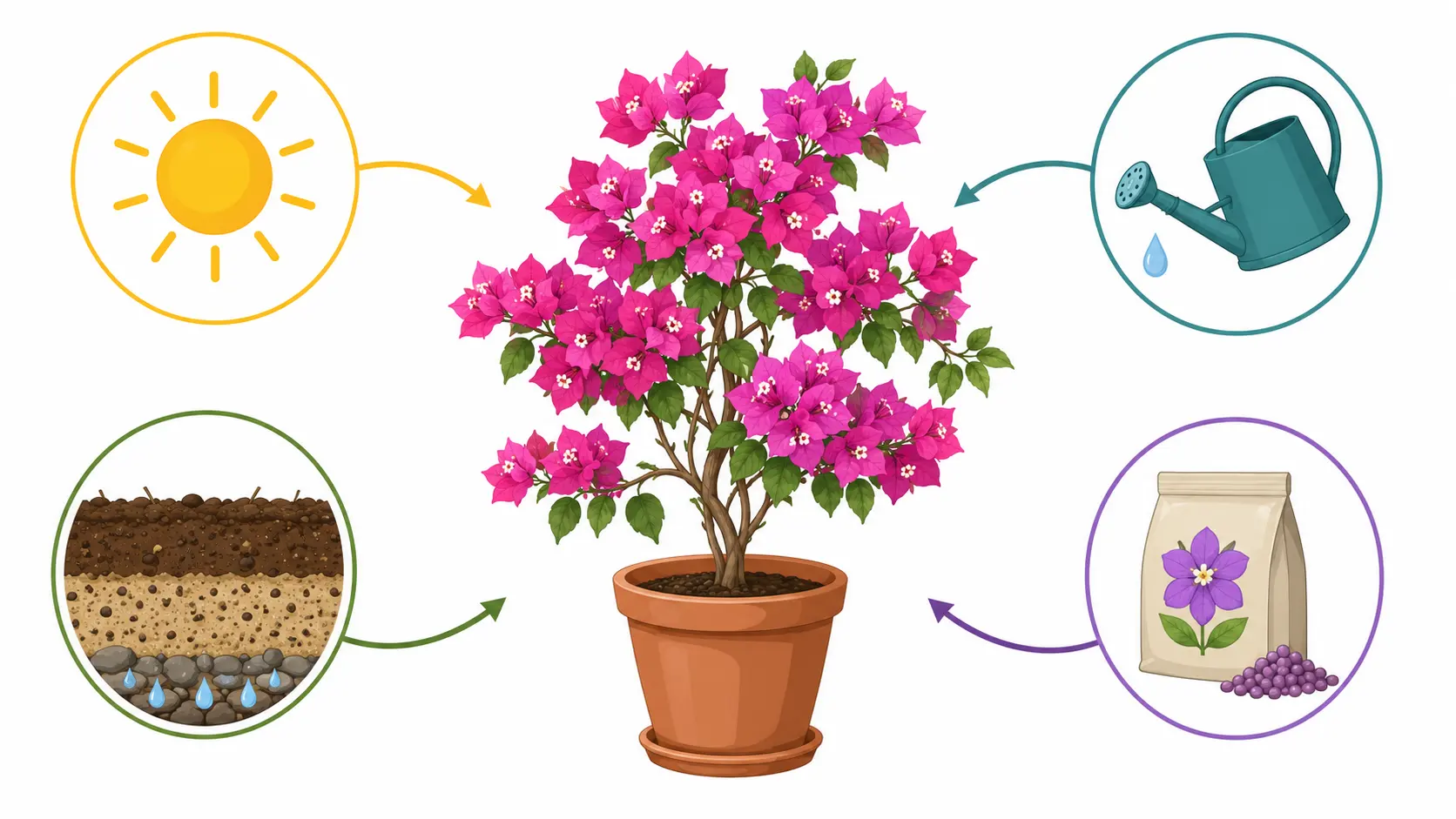
Healthy purple and lavender-toned bougainvilleas require:
- Full sun (at least six hours daily)
- Excellent drainage
- Slightly dry conditions between watering
- Sandy or well-drained loam
Bougainvillea is drought tolerant once established.
For Australian gardens:
- Tropical and subtropical regions support year-round outdoor growth.
- Warm temperate regions also perform well with frost protection.
- Cooler southern states often grow bougainvillea successfully in large containers that can be protected during winter.
Elemo Baker recommends avoiding heavy clay soils, which commonly lead to root problems and poor flowering.
Fertilising and Pruning
Apply a balanced fertiliser formulated for flowering plants during active growth.
Avoid excessive nitrogen because it encourages leafy growth instead of blooms.
For pruning:
- Prune immediately after a flowering flush.
- Remove weak or tangled stems.
- Avoid heavy pruning while the plant is actively flowering.
- Shape lightly throughout the growing season if necessary.
Buying Rare Blue Bougainvillea Flower Seeds and Plants
What to Check Before Buying “Blue” Bougainvillea Seeds
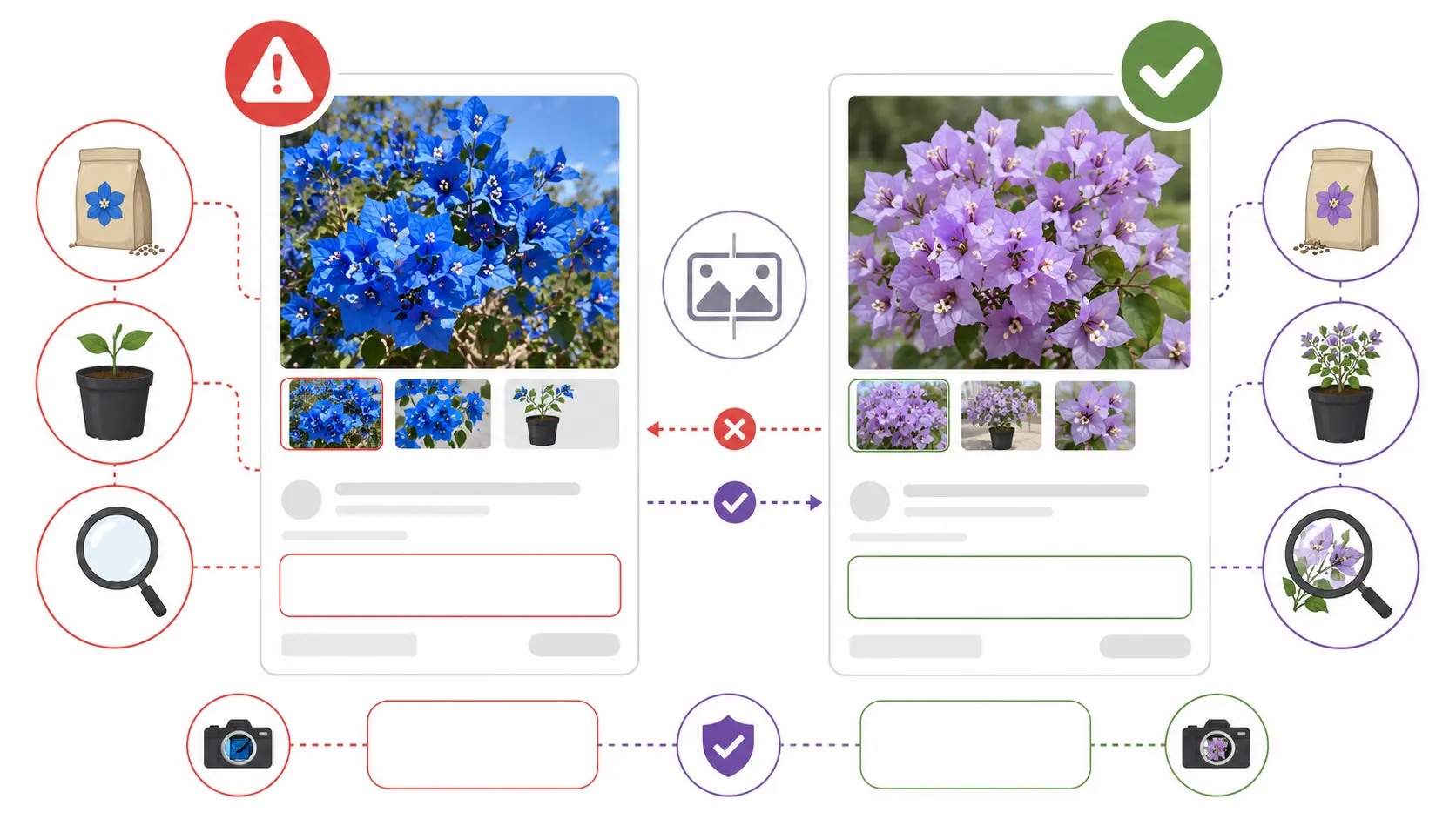
Many online listings advertise “rare blue bougainvillea seeds” using unrealistic photographs.
Before purchasing:
- Check the botanical cultivar name.
- Avoid listings promising true blue flowers.
- Be cautious of heavily edited images.
- Read independent customer reviews.
- Purchase from established nurseries where possible.
True blue bougainvillea genetics do not exist, so any seller guaranteeing genuine blue blooms should be treated cautiously.
Where Australian Gardeners Can Source Genuine Varieties
Australian gardeners should look for reputable specialist nurseries and established online plant retailers.
When shopping:
- Search using recognised cultivar names.
- Compare plant photographs from multiple trusted sources.
- Confirm suitability for your climate.
- Ask whether the plant is propagated from cuttings rather than unidentified seed.
Searching specifically for cultivars such as Blueberry Ice or Yuyu Light Blue generally produces more reliable results than searching for “rare blue bougainvillea”. If you’re purchasing ornamental plants online, you may also find our Money Tree Australia: Care, Meaning & Buying Guide helpful for choosing healthy nursery stock.
Bougainvillea Varieties and Colours Beyond Blue
Most Popular Bougainvillea Colours
Bougainvillea offers one of the widest colour ranges among ornamental climbers. Gardeners interested in expanding their flowering landscape can also explore our Tree With Pink Flowers Australia: Identification Guide for additional colourful planting ideas.
Popular colours include:
- Pink – Barbara Karst
- Red – Scarlet O’Hara
- Orange – Orange King
- White – White Madonna
- Yellow – California Gold
- Purple – Purple Queen
Each colour performs similarly under suitable growing conditions, although individual cultivars vary in vigour and flowering intensity. If you enjoy colourful ornamental plants, you may also like our guide to Purple Flower Tree Australia: Native & Popular Species Guide, which explores trees that naturally produce striking purple blooms.
What Is the Rarest Bougainvillea Colour?
The rarest naturally occurring bougainvillea colours are generally considered to be:
- Soft lavender
- Pale yellow or gold
True blue is not considered a naturally occurring bougainvillea colour because the species cannot produce genuine blue pigmentation.
Common Problems With Blue and Purple-Toned Bougainvillea
Bracts Fading or Losing Colour
Cause
- Too little sunlight
- Excessive watering
- Prolonged cloudy weather
Solution
- Increase direct sunlight.
- Allow soil to dry slightly between watering.
- Improve drainage.
Prevention
Maintain full sun and avoid consistently wet soil.
Learning to diagnose common plant issues is easier when you compare them with our Woolly Bush Problems: Causes, Solutions and Care Guide.
Slow or Stalled Flowering
Cause
- Excess nitrogen
- Insufficient sunlight
Solution
- Reduce nitrogen fertiliser.
- Increase sun exposure.
- Encourage mild water stress between flowering cycles.
Leaf Yellowing
Cause
- Overwatering
- Poor drainage
- Nutrient imbalance
Solution
- Improve drainage.
- Adjust watering frequency.
- Apply balanced fertiliser if deficiencies are confirmed.
Aphids and Mealybugs
Cause
Sap-feeding insects weaken new growth and reduce overall plant appearance.
Solution
- Remove infestations early.
- Wash plants with water.
- Use appropriate horticultural treatments when necessary.
Regular inspection prevents severe infestations.
Beginner Mistakes When Growing Bougainvillea for Colour
Many first-time growers unknowingly reduce flowering by making a few common mistakes.
These include:
- Expecting true blue blooms from misleading seed advertisements.
- Watering too frequently.
- Growing plants in partial shade.
- Applying excessive nitrogen fertiliser.
- Pruning heavily during flowering.
Elemo Baker recommends prioritising sunlight over fertiliser. In our experience, healthy bougainvillea grown in full sun consistently produces brighter bracts than heavily fertilised plants grown in shade.
Conclusion
The rare blue bougainvillea flower is best understood as a group of unusual violet-blue or lavender-toned cultivars rather than a genuinely blue flowering plant. Because bougainvillea lacks the genetic ability to produce true blue pigments, varieties such as Blueberry Ice and Yuyu Light Blue represent the closest realistic options available. When buying plants or seeds, always rely on recognised cultivar names instead of marketing claims. With full sun, well-drained soil and proper care, these beautiful purple-toned bougainvilleas can provide long-lasting colour while setting realistic expectations about what a “blue” bougainvillea truly is. If you’re looking to add more ornamental flowering plants to your garden, our Dwarf Cherry Blossom Tree: Size, Care & Australian Guide is another useful resource.
FAQs
1. Do blue bougainvilleas exist?
No. True blue bougainvillea does not exist. The closest options are lavender-blue or violet-purple cultivars that only appear blue under certain lighting conditions.
2. What is the rarest bougainvillea colour?
Soft lavender and true yellow or gold cultivars are generally considered the rarest naturally occurring bougainvillea colours. Genuine blue does not occur naturally.
3. Is Blueberry Ice bougainvillea rare?
Yes. Blueberry Ice is relatively uncommon compared with standard pink or red cultivars. Its popularity comes from its attractive variegated foliage and lavender-blue toned bracts rather than genuine blue flowers.
4. What is the rarest blue flower in general?
Several flowers naturally produce genuine blue blooms, including Himalayan blue poppies, certain delphiniums and some cornflowers. Unlike these species, bougainvillea lacks the pigments needed to create true blue flowers.
5. Can bougainvillea change colour over time?
The cultivar’s genetic colour remains stable, but sunlight, temperature, plant stress and overall growing conditions can influence how vibrant or pale the bracts appear.
6. How do I grow bougainvillea for the most vivid colour?
Grow bougainvillea in full sun, use well-drained soil, water moderately, avoid excessive nitrogen fertiliser and prune immediately after flowering. These practices encourage abundant blooms with the strongest possible colour.
1 Comment