
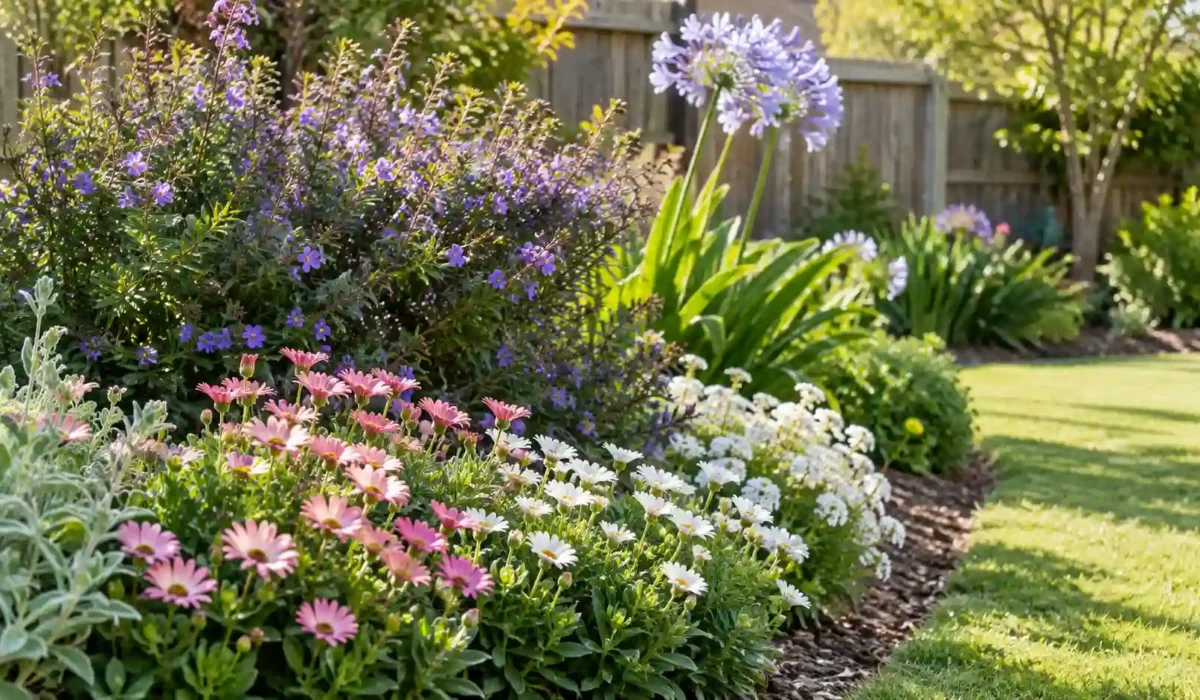
Flowers and Blooms: Australian Growing Guide 2026
By Elemo Baker | Plant Care & Gardening Expert
Last Updated: September 2026
Quick Summary
- Australian bloom timing runs on our own seasonal calendar, not a US planting guide — what “blooms in spring” in an American gardening article often has no bearing on when it flowers here.
- Annuals give fast, cheap colour but need replanting each year; perennials, bulbs, and flowering shrubs cost more upfront but return season after season.
- Native flowering plants generally settle into Australian conditions with less water and feeding than exotic bedding flowers, once established.
- Most “my flowers won’t bloom” complaints trace back to light, deadheading, or feeding habits — not a faulty plant.
Getting flowers and colour into an Australian garden is less about knowing plant names and more about knowing which category of flower fits your space, your climate, and how much upkeep you’re willing to do. This guide walks through that decision in order, then covers seasonal timing, native versus exotic choices, and what to do when flowers stop blooming.
What Counts as a “Flower or Bloom” in an Australian Garden?
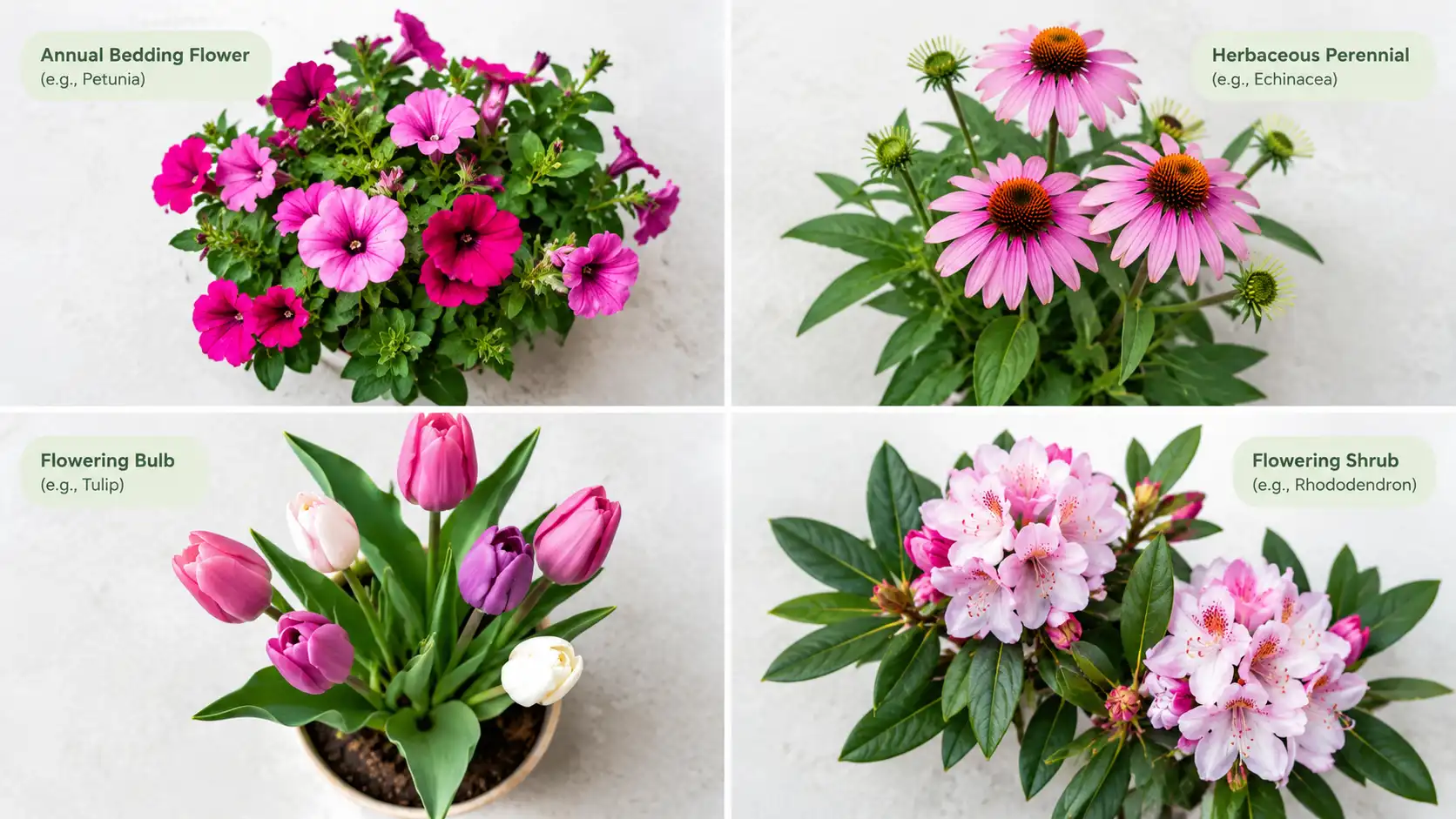
Flowering plants fall into four broad categories, and the category matters more than the species name when you’re starting out — it determines cost, effort, and how long the plant sticks around.
- Annuals — complete their life cycle in one season, then need replanting. Marigolds are a classic example, and come in a range of colours from purple to pink and red.
- Perennials — die back and return year after year. Ornamental varieties like the pink fern leaf peony fall here.
- Bulbs — store energy underground and re-emerge on a seasonal cycle, such as the pink tuberose or blue heart lily.
- Flowering shrubs — woody, longer-lived plants that flower on a cycle but keep structure year-round; see this guide to identifying a pink flowering shrub.
Annuals vs Perennials vs Bulbs vs Flowering Shrubs
| Type | Effort | Longevity | Upfront Cost | Colour Payoff |
| Annuals | Low-medium (replant yearly) | 1 season | Low | High, fast |
| Perennials | Low once established | Multiple years | Medium | Moderate, builds over time |
| Bulbs | Low | Multiple years (dormant cycles) | Low-medium | High, seasonal burst |
| Flowering shrubs | Low-medium (occasional pruning) | Many years | Medium-high | Moderate, structural |
Which Type Suits a Beginner?
If you want quick, visible results with no long-term commitment, start with annuals. If you’d rather plant once and get colour back every year with minimal fuss, bulbs or a flowering shrub are the better investment.
When Do Different Flowers Bloom in Australia?
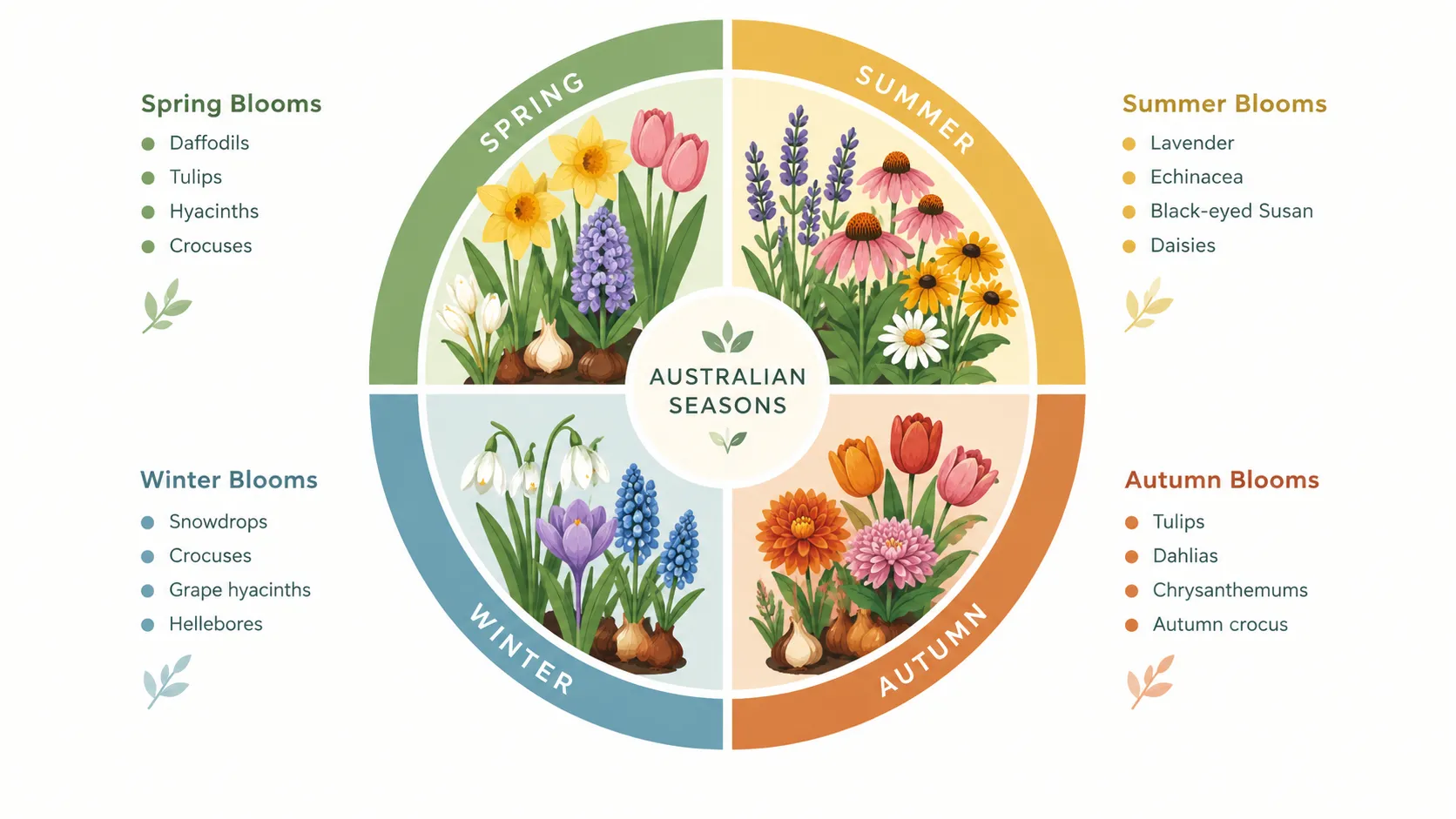
Bloom timing follows Australian seasons and shifts by state and climate zone — not the US calendar most generic gardening content is written around. A “spring bloomer” in a US guide is calibrated to the northern hemisphere’s spring, which lands roughly six months out of step with ours.
Australian Seasonal Bloom Calendar
| Season (AU) | What Typically Blooms |
| Spring (Sep–Nov) | Bulbs emerging from winter dormancy, early annuals |
| Summer (Dec–Feb) | Peak annual colour, many flowering shrubs |
| Autumn (Mar–May) | Late perennials, some shrub varieties |
| Winter (Jun–Aug) | Limited bloom in most zones; hardy natives and select shrubs |
Not everything follows a strict seasonal window — some plants buck the pattern entirely. Certain varieties are bred or selected to bloom all year round in Australian conditions, and others, like the blue moonflower, open specifically at night rather than following a seasonal cue at all.
How to Get Continuous Colour Year-Round (Not One Big Flush)
Relying on a single flower type gives you one big flush and then months of bare garden. Layering categories — a spring bulb, a summer annual, an autumn perennial, and a winter-hardy shrub — spreads colour across the calendar instead of concentrating it.
Native vs Exotic Flowers — Which Is Lower-Maintenance in Australia?
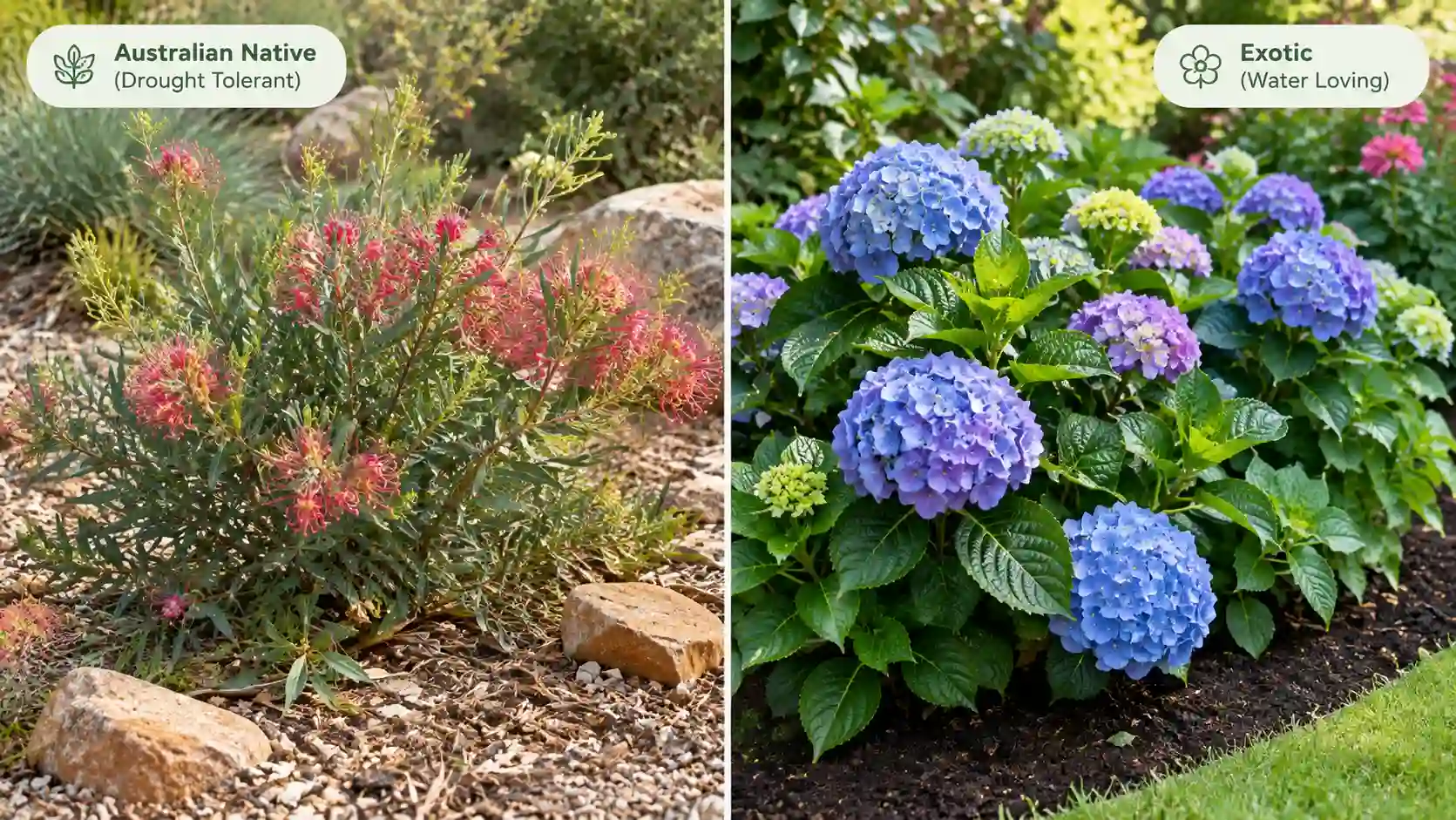
Once established, native flowering plants generally need less water and feeding than exotic bedding flowers, because they’re already adapted to local rainfall and soil patterns.
Exotic flowers like the pink tuberose or purple sunflowers can deliver a bigger, showier bloom, but often demand more consistent watering and feeding to perform. Australian native purple flowers, by contrast, tend to tolerate dry spells and poorer soil once their root system is established.
| Factor | Native Flowers | Exotic Flowers |
| Water needs (established) | Low | Moderate–high |
| Soil tolerance | Broad | Often needs amendment |
| Visual impact | Subtler, textural | Often bolder, showier |
| Pest/disease resistance | Generally higher | Varies by species |
Unusual and Uncommon Blooms Worth Knowing
Beyond the mainstream choices, a handful of flowers get searched for their novelty or symbolism rather than pure garden performance — worth knowing even if they’re not your first pick. These include bubble blossoms, the nardos flower, the black lotus, and flowers with masculine associations or symbolism, covered in the most masculine flower and masculine plants more broadly.
Choosing Flowers for Pots vs Garden Beds
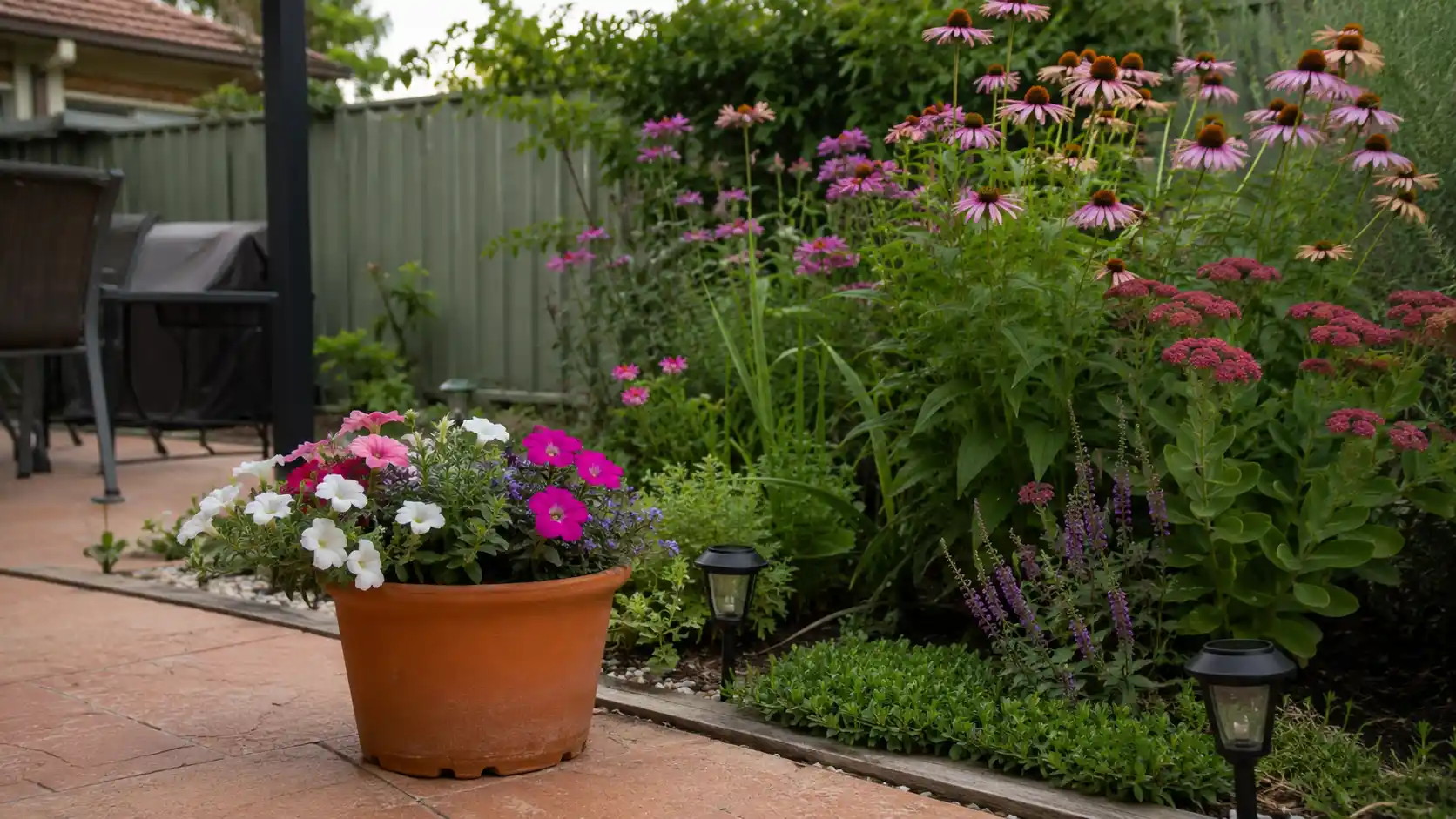
Compact annuals and bulbs generally suit pots best; spreading perennials and flowering shrubs are better suited to garden beds.
Pots restrict root space and dry out faster, which favours plants with shallower, more contained root systems and shorter watering intervals you can manage closely. Garden beds give roots room to spread, which suits perennials and shrubs that need years to reach full size.
Garden beds give roots room to spread, which suits perennials and shrubs that need years to reach full size — the same beds that typically host your outdoor plants and trees too.
Why Aren’t My Flowers Blooming? Troubleshooting Common Problems
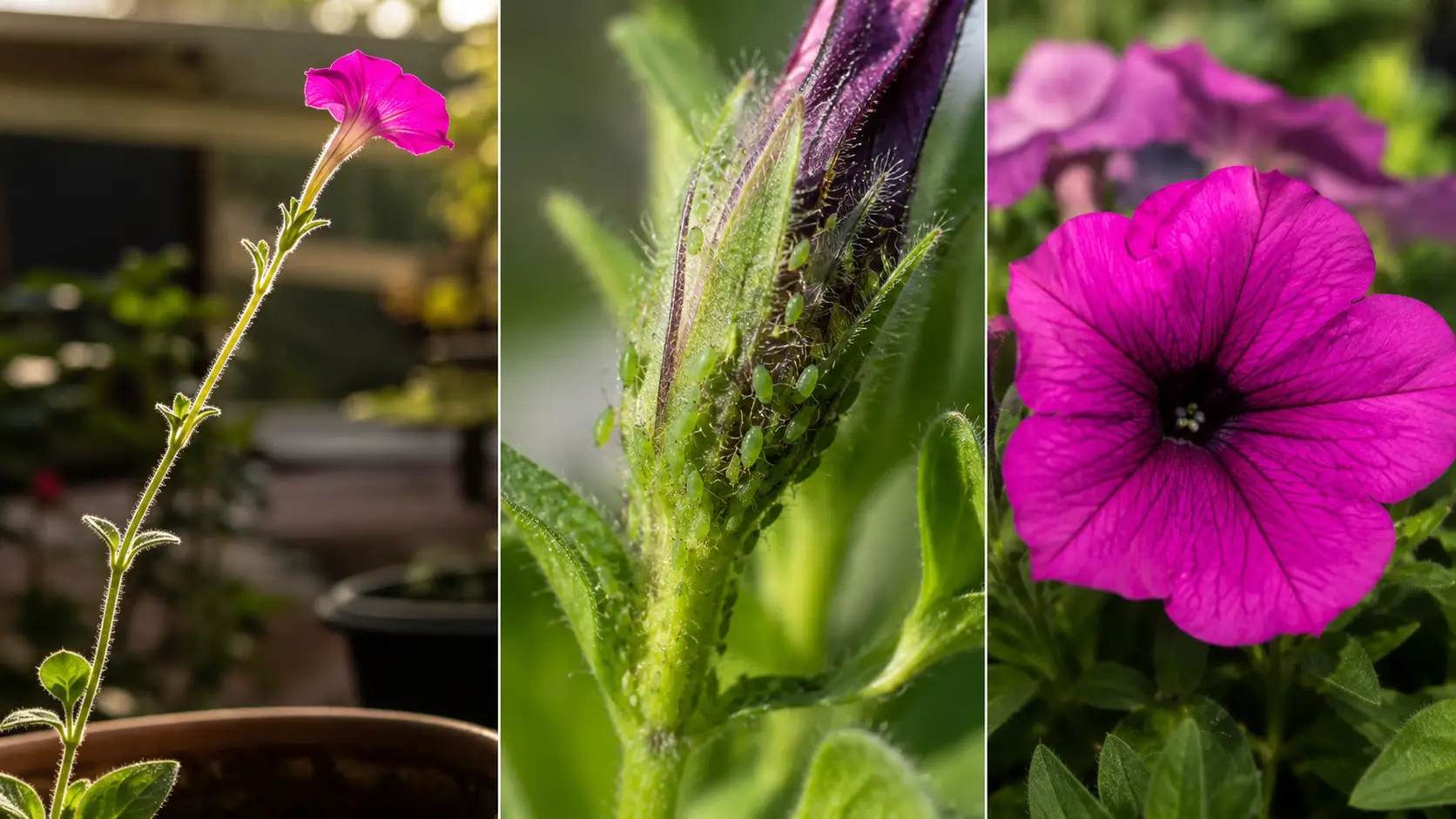
Most non-blooming flowers are suffering from one of four fixable issues: insufficient light, missed deadheading, wrong feeding, or overwatering — not a defective plant.
Leggy Growth and No Flowers
This usually signals too little direct light, causing the plant to stretch toward a light source instead of putting energy into flowers. Move to a brighter spot or thin out overhanging shade.
Overwatering and Root Problems
Consistently soggy soil suffocates roots and redirects the plant’s energy into survival rather than blooming. Let soil dry slightly between waterings for most flowering types.
Pests Affecting Flowering Plants
Aphids and similar sap-suckers target new buds specifically, which can abort flowering before it starts. Regular inspection of new growth catches this early, before it spreads.
Basic Flower Care Guide
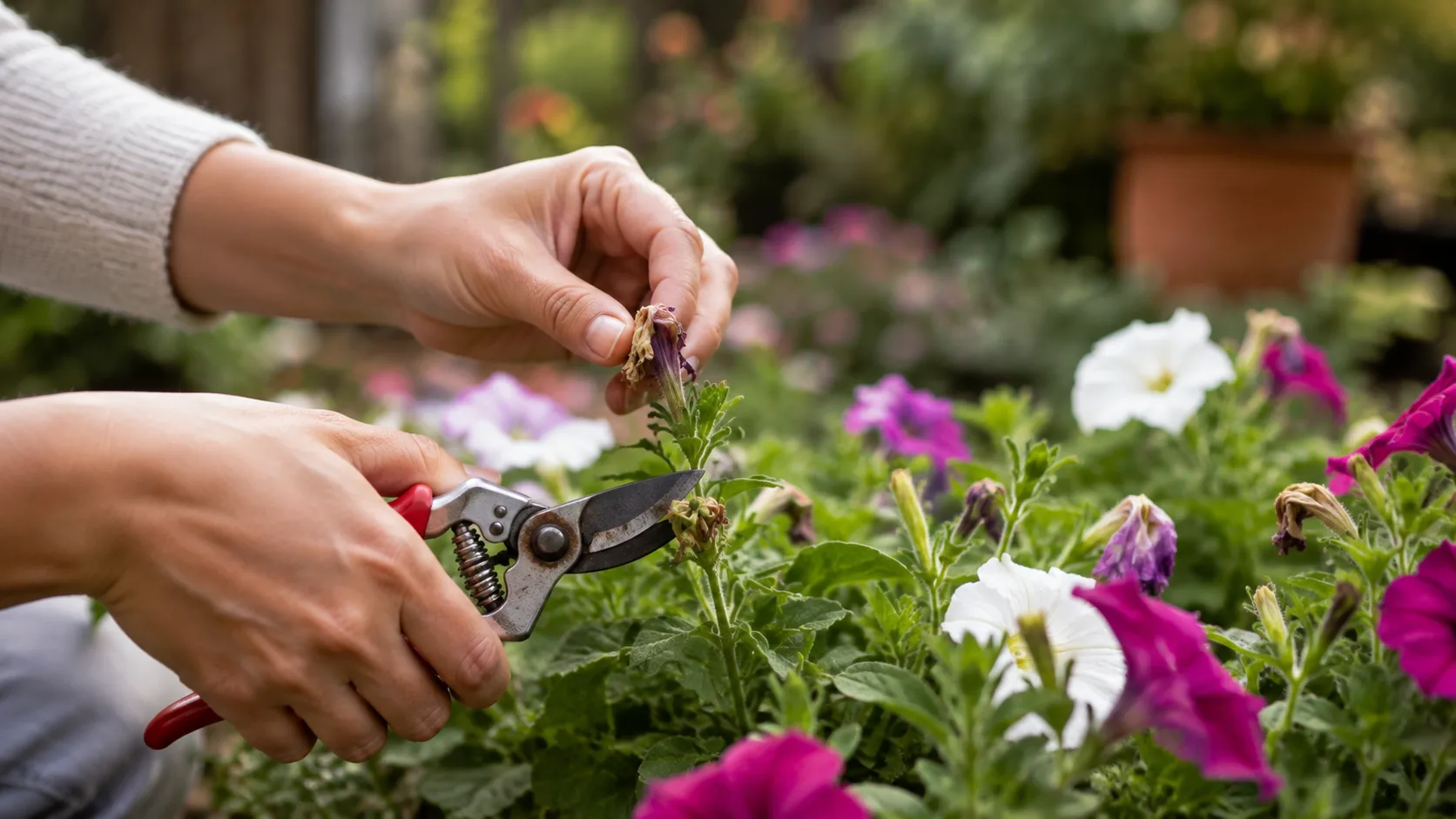
- Watering: Deep, less frequent watering encourages stronger roots than light daily watering.
- Light: Most flowering annuals and exotics need 6+ hours of direct sun; natives are often more shade-tolerant.
- Soil: Well-draining soil prevents the root problems behind most non-blooming complaints.
- Fertilising: A phosphorus-leaning feed supports flowering specifically, rather than just leaf growth.
- Deadheading: Removing spent blooms redirects energy into producing new ones rather than seed.
- Climate tolerance: Match species to your zone rather than fighting conditions with extra intervention.
For hands-on seasonal care tips from Australian horticulturists, ABC’s Gardening Australia fact sheets are a trusted ongoing resource.
Beginner Mistakes to Avoid When Growing Flowers
- Buying based on the flower photo alone without checking the category (annual vs perennial) it belongs to
- Copying a US planting calendar instead of an Australian one
- Skipping deadheading and wondering why blooming slows
- Overwatering “just in case,” which causes more flowering failures than underwatering
- Planting exotic, high-maintenance species in a low-water garden without a plan to support them
Conclusion
Choosing flowers for an Australian garden starts with picking the right category — annual, perennial, bulb, or shrub — before ever naming a species. From there, timing planting to Australian seasons (not borrowed US guides), weighing native against exotic options, and matching flowers to pots or beds sets up a garden that actually blooms reliably. When flowers stop performing, the fix is almost always light, water, or feeding — rarely the plant itself. Get those fundamentals right, and continuous colour across the Australian calendar is a realistic goal, not a fluke.
FAQs
What’s the easiest flower to grow for beginners in Australia?
Marigolds are a common beginner choice — fast-growing, tolerant of mistakes, and available in multiple colours.
Do Australian flowers bloom at different times than in the US?
Yes. Because the hemispheres are reversed, US “spring” and “summer” bloom guides don’t line up with Australian seasonal timing.
Are native flowers easier to maintain than exotic ones?
Generally yes, once established — natives are adapted to local rainfall and soil, needing less supplemental water and feeding.
Why do my flowers keep dying or not blooming?
The most common causes are insufficient light, overwatering, missed deadheading, or incorrect feeding — check these before assuming the plant is faulty.
Can I grow flowers in pots year-round in Australia?
Yes, particularly compact annuals and bulbs, though pots need closer watering attention than garden beds.
What flowering plants work best in small spaces?
Compact annuals and bulb varieties tend to suit small spaces and pots better than spreading perennials or shrubs.
1 Comment