

Magenta Plant Benefits: Edibility, Uses & Care Guide
Introduction
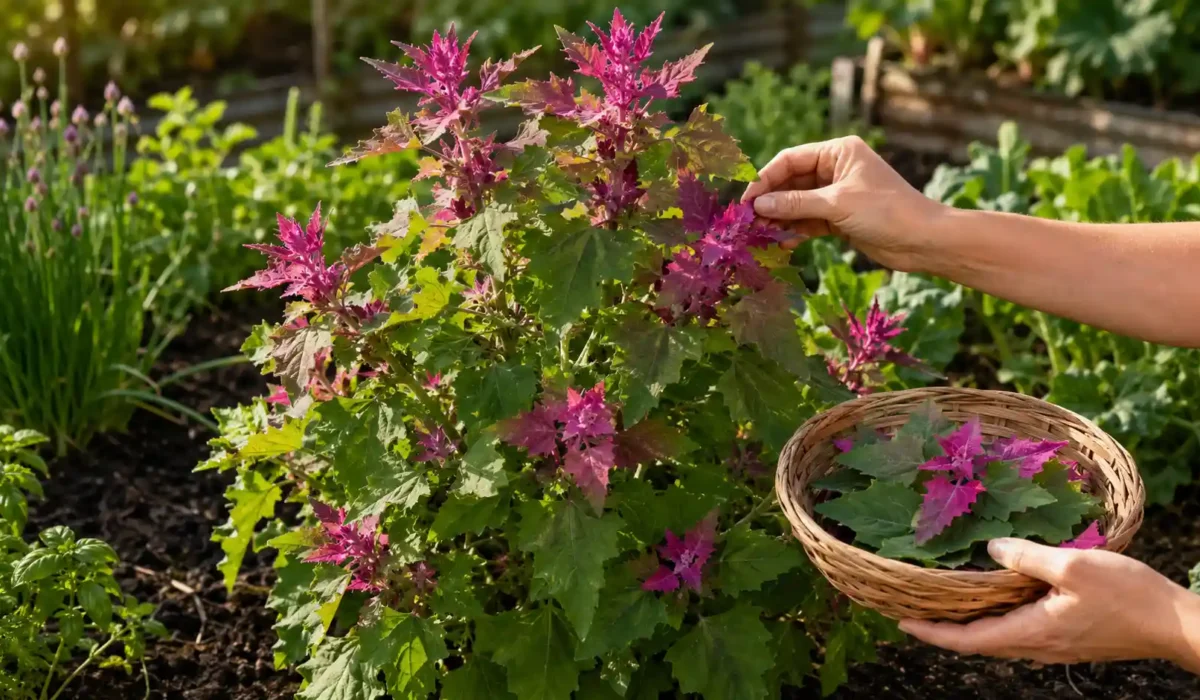
Magenta spreen is a fast-growing edible leafy plant related to lambsquarters and quinoa. Scientifically known as Chenopodium giganteum, it is easily recognised by the bright magenta-pink powder-like colouring on its young leaves and shoot tips. The main magenta plant benefits include its edible leaves, nutritional value, low-maintenance growth, drought tolerance, and ability to provide a colourful addition to productive gardens. The plant can be eaten raw or cooked, with young leaves, shoots, and flowers used as food. Gardeners grow magenta spreen because it combines the usefulness of a leafy green with the visual appeal of an ornamental plant.
This magenta plant fits into the wider world of houseplants prized for their looks and mood-boosting qualities — explore our full guide to indoor plant benefits and natural wellness for more.
Quick Summary
- Magenta spreen is an edible leafy green related to spinach, quinoa, and lambsquarters.
- Young leaves, shoots, and flowers can be eaten raw or cooked in moderation.
- It is valued for fast growth, drought tolerance, and strong self-seeding ability.
- The magenta colour comes from natural betalain pigments, not harmful substances.
What Is a Magenta Plant?
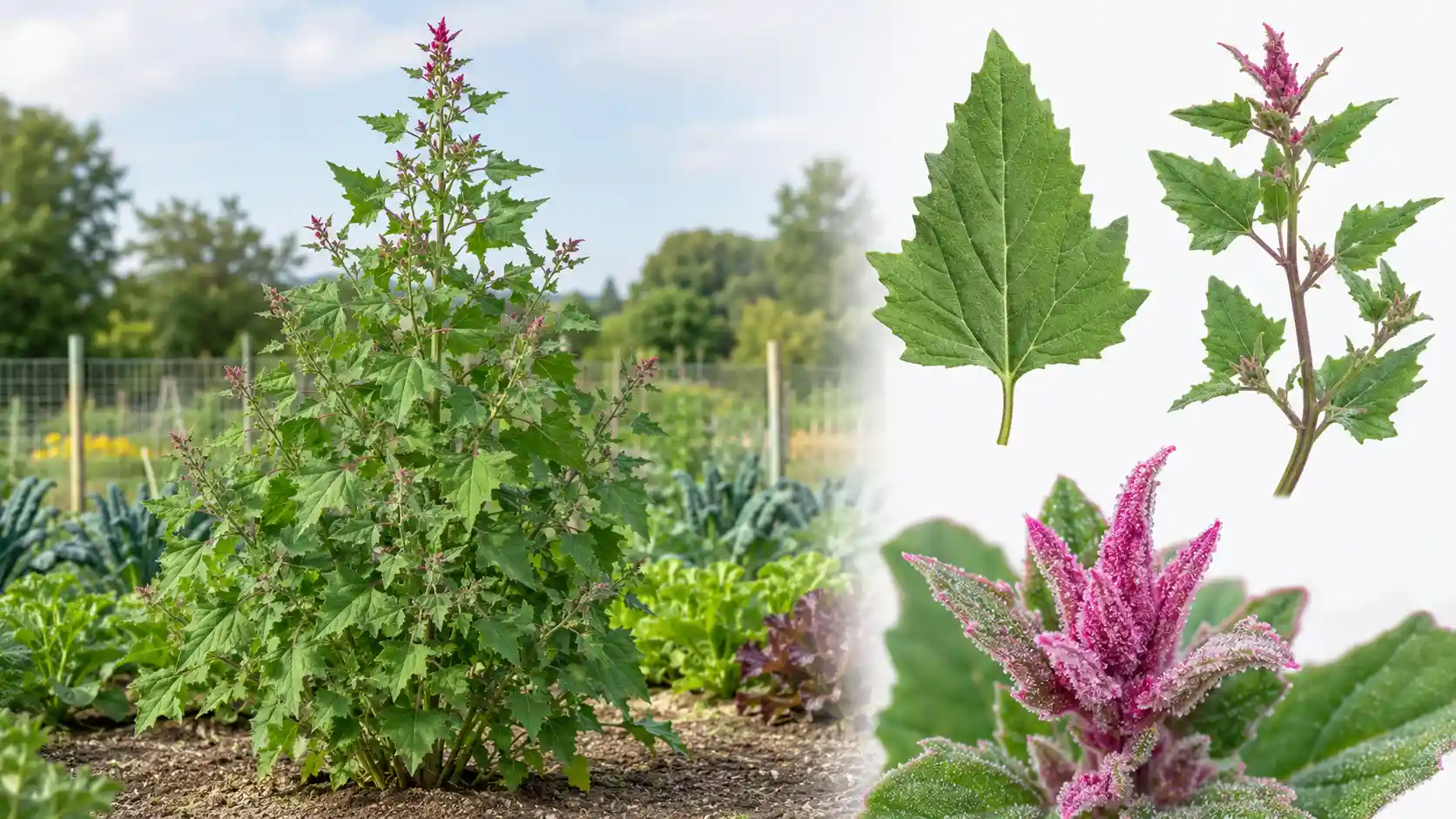
A magenta plant, commonly called magenta spreen, magenta lambsquarters, or tree spinach, is an edible annual leafy plant from the Amaranthaceae family. Its botanical name is Chenopodium giganteum. This family also includes familiar plants such as quinoa (Chenopodium quinoa) and several edible amaranth species.
Magenta spreen belongs to the Chenopodium genus, a group of plants that includes several edible species such as quinoa and lambsquarters. More botanical background about this plant group can be found through the Wikipedia entry for Chenopodium.
Magenta spreen is believed to have originated from regions of Asia and has become naturalised in many temperate areas where it can grow successfully. It is cultivated by gardeners worldwide as a nutritious green and as an attractive edible landscape plant.
Unlike many traditional vegetables grown only for food production, magenta spreen offers both culinary and ornamental value. Its young leaves develop a distinctive pink-magenta coating that creates a striking contrast against the green foliage.
The plant is sometimes grouped with lambsquarters because of its similar growth habit and leaf structure. However, magenta spreen is generally taller, more vigorous, and more visually distinctive due to its coloured new growth.
How to Identify Magenta Spreen
Magenta spreen can be identified by several unique characteristics:
- Leaf appearance: Leaves are broad, slightly triangular, and resemble other Chenopodium species.
- Magenta colouring: The youngest leaves and shoot tips display a bright pink or purple powder-like coating.
- Growth habit: Mature plants can become tall and bushy, often reaching 1.5–2 metres in suitable conditions.
- Stem structure: Stems are upright and branching, supporting many edible leaves.
The most noticeable difference between magenta spreen and ordinary lambsquarters is the colourful young growth. Common lambsquarters usually have green-grey leaves with a dusty coating but lack the intense magenta pigmentation.
In our experience growing edible garden plants, magenta spreen often performs best when harvested regularly from young plants because removing the tips encourages fresh branching and maintains a productive shape.
Is the Magenta Plant Edible?
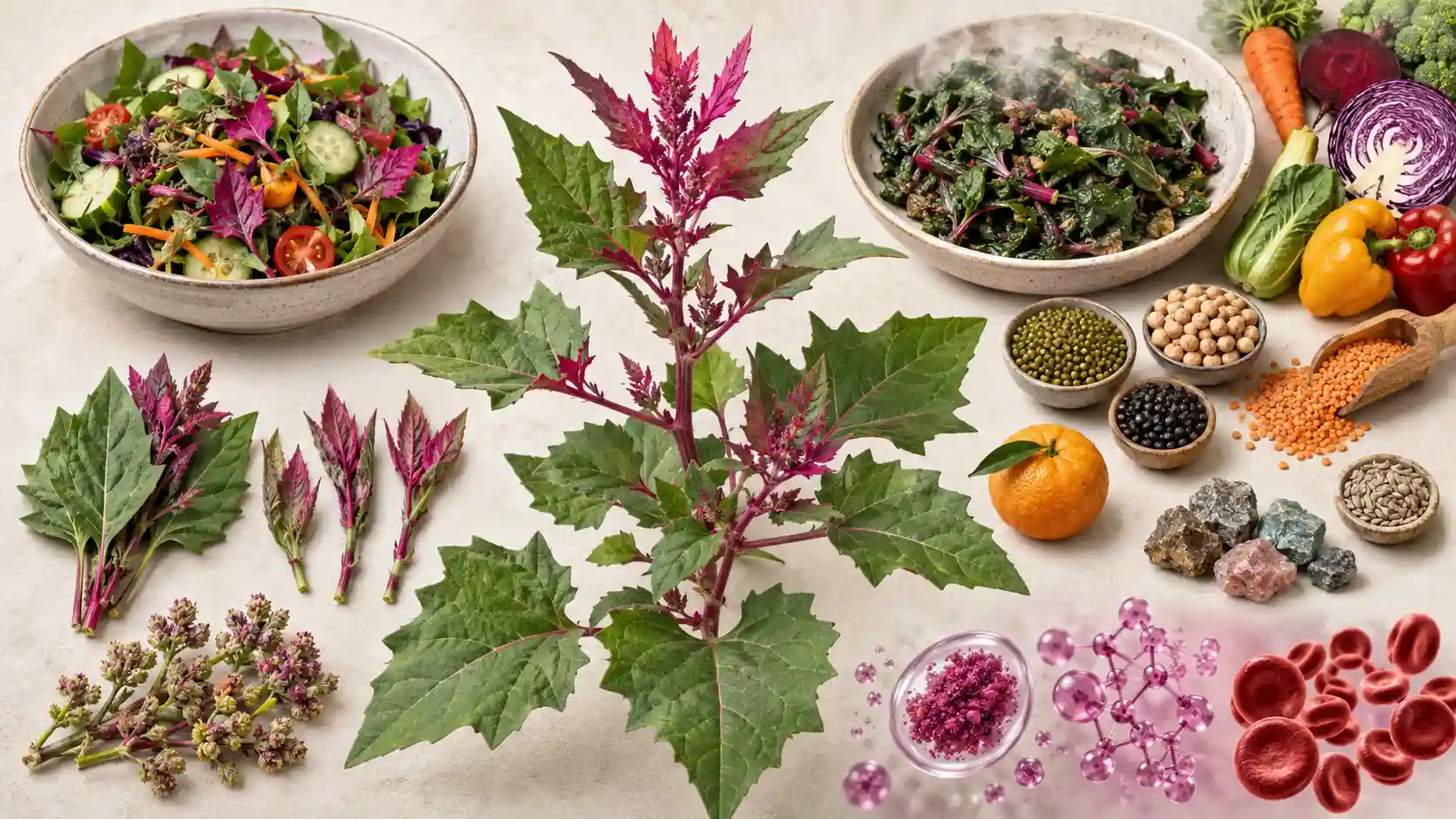
Yes, the magenta plant is edible. Young leaves and shoots of Chenopodium giganteum can be eaten raw or cooked, similar to spinach. The plant is considered a useful edible green when correctly identified and prepared.
The flavour is generally mild, with a slightly earthy taste similar to spinach or other leafy vegetables. Younger leaves tend to have a softer texture, making them suitable for salads, while mature leaves are often better cooked. Like other edible members of the Chenopodium group, magenta spreen shares similarities with plants such as goosefoot, which is also valued for its edible leaves, nutritional properties, and traditional food uses.
Safe uses include:
- Young leaves: Added raw to salads or cooked as a spinach substitute.
- Young shoots: Stir-fried, steamed, or added to vegetable dishes.
- Flower heads: Edible with a mild flavour and can be used as a garnish or cooked ingredient.
Like spinach, silverbeet, and other leafy greens, magenta spreen contains naturally occurring oxalates. These compounds are common in many edible plants and are usually managed by eating a varied diet.
People who need to monitor oxalate intake, including those with a history of calcium oxalate kidney stones, should avoid eating very large amounts regularly and may prefer cooking the leaves, as boiling can reduce some soluble oxalates.
Nutritional Value and Health Benefits
The nutritional value of magenta spreen is one reason it is appreciated by edible gardeners. The leaves provide vitamins, minerals, and natural plant compounds that contribute to a balanced diet.
Potential nutritional advantages include:
- Vitamin A compounds: Support normal vision, immune function, and healthy skin.
- Vitamin C: Acts as an antioxidant nutrient involved in normal immune processes.
- Minerals: Leaves contain minerals such as iron and calcium.
- Betalain pigments: The magenta colour comes from betalains, natural antioxidant pigments also found in plants such as beetroot.
The magenta plant benefits associated with skin are mainly linked to its nutritional content. A diet containing colourful vegetables and antioxidant-rich foods may support general skin health, although magenta spreen is not a medicinal treatment for skin conditions.
Claims about the “healing properties of magenta” should be separated from the plant itself. The colour pigments provide nutritional interest, but the plant should be considered a nutritious edible vegetable rather than a medical remedy.
What Is the Magenta Plant Used For?
The magenta plant is used mainly as an edible leafy green, ornamental garden plant, and low-maintenance food crop. Its combination of productivity and unusual colouring makes it popular among gardeners interested in edible landscapes. Edible plants like magenta spreen can also contribute to Australian garden design by combining food production with attractive greenery and biodiversity-friendly planting choices.
Common uses include:
- Salads: Young leaves can add colour and texture to fresh dishes.
- Cooked meals: Leaves can replace spinach in stir-fries, soups, and vegetable recipes.
- Smoothies: Tender leaves may be blended with other greens.
- Ornamental planting: The bright magenta growth adds visual interest to vegetable gardens and mixed borders.
- Seed saving: Gardeners often allow selected plants to produce seeds for future crops.
Magenta spreen has also been valued in traditional food gardens because it grows easily, produces abundant foliage, and requires less attention than many cultivated vegetables.
Elemo Baker recommends harvesting only part of the plant at a time rather than removing all leaves. This allows continued growth and encourages a longer harvest period.
Magenta Spreen vs Ordinary Lambsquarters
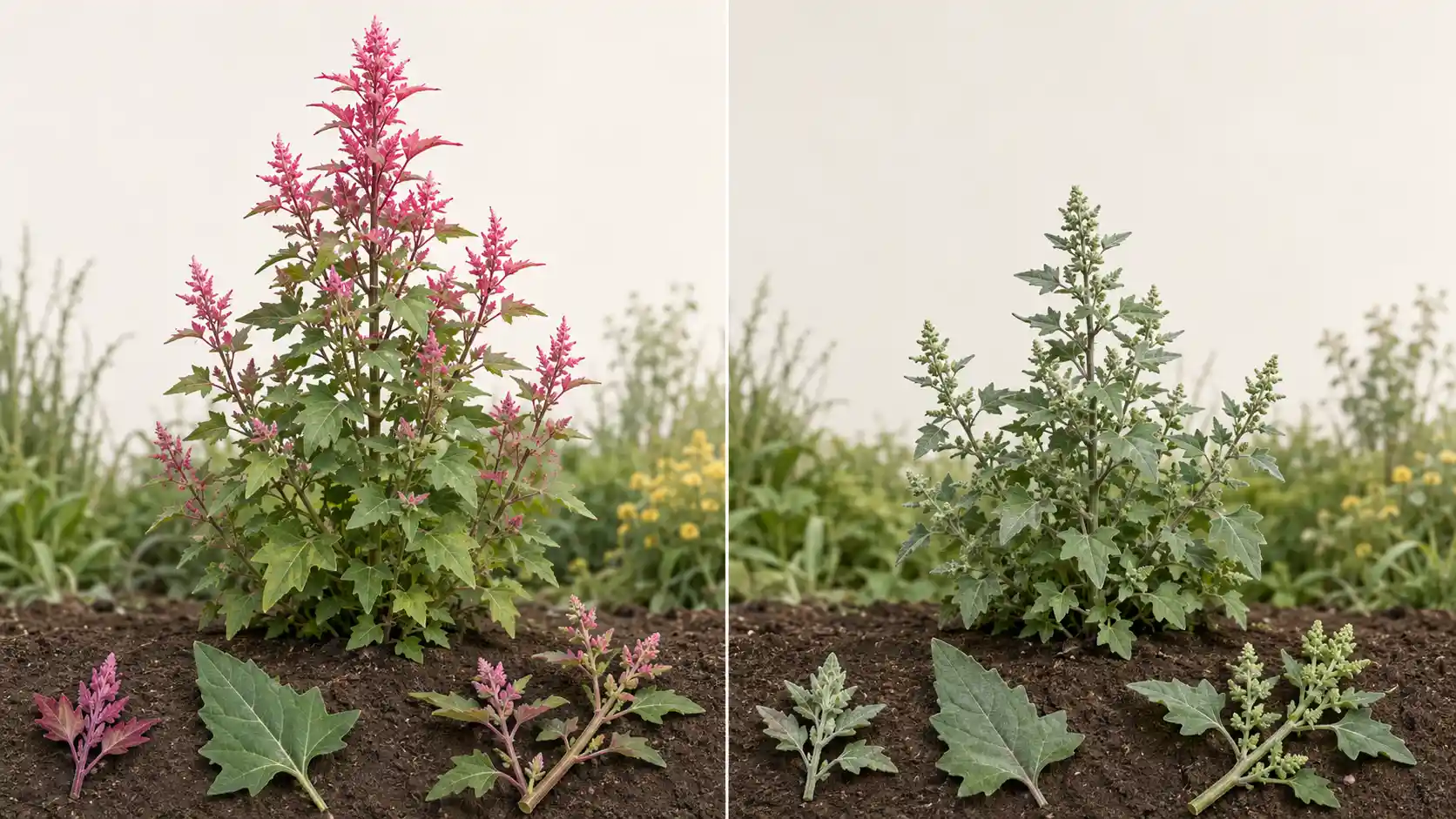
Magenta spreen and ordinary lambsquarters are closely related plants with similar edible uses, but they have noticeable differences.
| Feature | Magenta Spreen | Common Lambsquarters |
| Leaf colouring | Magenta-pink powder on new growth | Plain green with greyish coating |
| Height | Taller and more vigorous | Usually shorter and more compact |
| Culinary use | Edible leafy green with ornamental appeal | Traditional edible wild green |
| Appearance | Bright coloured shoots and leaves | Mostly green foliage |
Both plants belong to the Chenopodium group and share similar growing habits. However, magenta spreen is often preferred by gardeners who want both food production and decorative value.
How to Grow and Care for a Magenta Plant
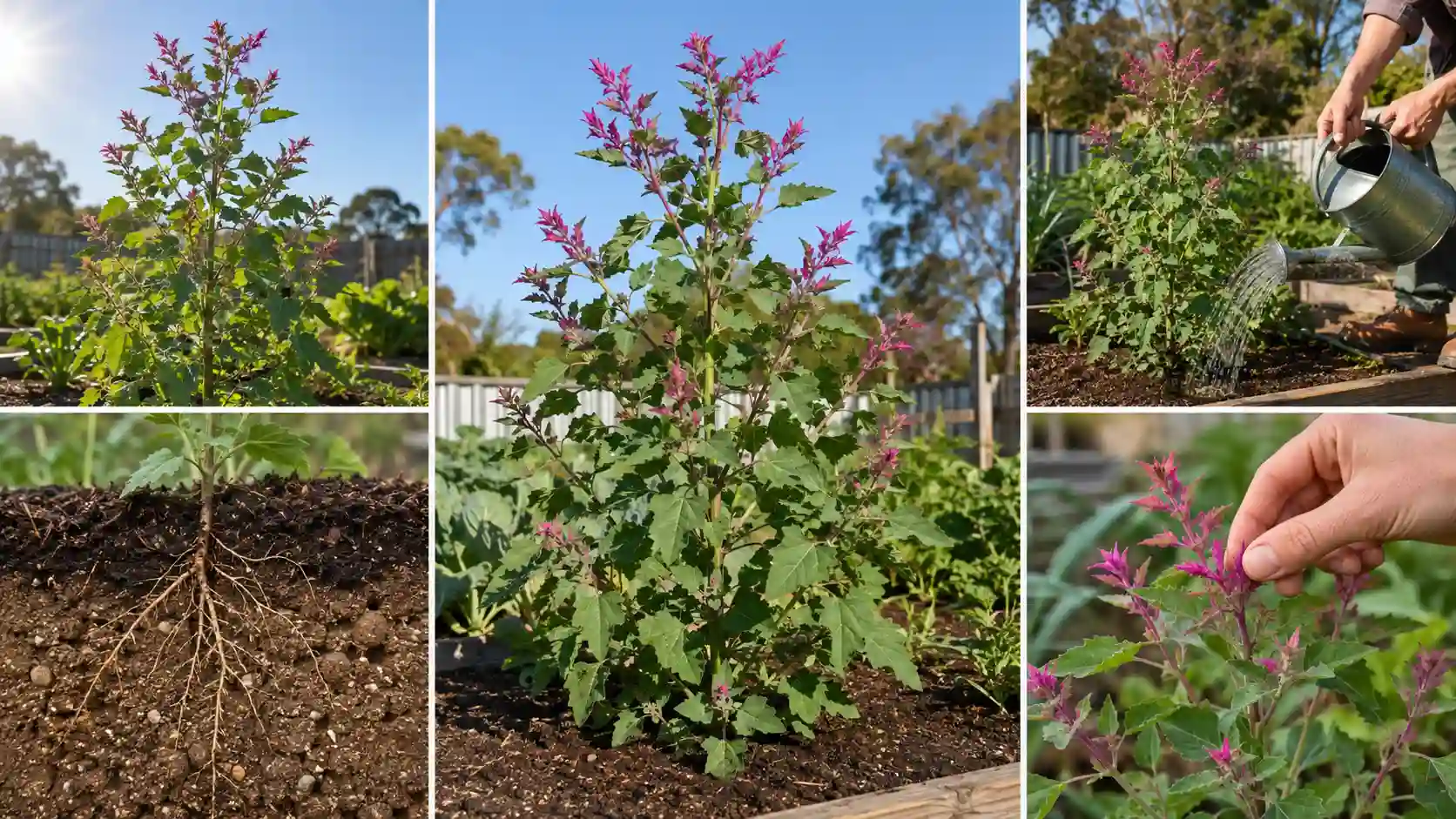
Magenta spreen is a relatively easy plant to grow because it adapts well to different garden conditions. It performs particularly well in Australian gardens with warm growing seasons, good sunlight, and reasonable soil drainage.
The plant is suitable for many temperate and warm Australian regions, where it can grow rapidly during spring and summer.
Plant Size
Magenta spreen commonly reaches 1.5–2 metres tall with a spread of around 60 centimetres to 1 metre when grown in fertile soil.
Its final size depends on:
- Soil quality and nutrient availability
- Amount of sunlight received
- Water availability
- Whether it is grown in containers or garden beds
In garden beds, plants usually become larger and bushier due to greater root space. Container-grown plants generally remain smaller but can still produce useful leaves when provided with adequate nutrients and moisture.
Growth Rate
Magenta spreen is considered a fast-growing leafy plant. It can produce substantial foliage within one growing season, especially during warm spring and summer conditions.
Growth is influenced by:
- Warm temperatures
- Long daylight hours
- Regular harvesting
- Soil fertility
In Australia, growth often increases significantly during warmer months. The plant also self-seeds readily, allowing new plants to appear naturally in suitable garden areas.
Care Guide
Magenta spreen is a low-maintenance plant that tolerates a range of conditions, making it suitable for beginner gardeners. Although it can survive with limited attention, providing the right growing environment improves leaf production, colour intensity, and overall plant health.
Watering:
Magenta spreen prefers moderate watering during active growth. Young plants need consistent moisture while establishing roots, but mature plants become reasonably drought-tolerant. Avoid keeping the soil constantly wet, as poor drainage can weaken roots and slow growth.
Light:
Full sun is ideal for strong growth and the best magenta colouring. Plants grown in bright light generally develop more intense pigmentation on new leaves. Partial shade can be tolerated, but reduced sunlight may result in weaker growth and less noticeable colour.
Soil:
The plant adapts to many soil types but performs best in well-drained soil with reasonable organic matter. It can tolerate poorer soils, although fertile soil usually produces larger leaves and a more vigorous plant.
Fertilising:
Heavy fertilising is usually unnecessary. A small amount of compost or organic matter added before planting is often enough to support healthy growth. Excess nitrogen fertiliser may encourage excessive leafy growth while reducing overall plant balance.
Pruning:
Regular harvesting acts as natural pruning. Pinching out young growing tips encourages branching and creates a bushier plant. Removing flower heads before seed formation can also help prevent unwanted spreading.
Climate tolerance:
Magenta spreen grows well in many Australian temperate and warm regions. It performs best during warmer seasons but may slow down in colder conditions. In cooler climates, planting after the risk of frost has passed generally produces better results.
As of July 2026, many edible gardening practices continue to favour low-input plants like magenta spreen because they support productive gardens while requiring fewer chemical inputs and less intensive maintenance.
How Do You Propagate Magenta Plants?
Magenta plants are most commonly propagated through seeds. The plant naturally produces large numbers of seeds, allowing it to regenerate easily in suitable garden conditions.
Propagation methods include:
- Direct sowing: Scatter seeds directly into prepared garden soil after cold temperatures have passed. Lightly cover seeds with soil because they require suitable conditions to germinate.
- Self-seeding: Mature plants naturally drop seeds, creating new seedlings around the original plant.
- Seed collection: Gardeners can collect mature seeds and store them for planting in the following growing season.
Because magenta spreen can spread quickly, gardeners should decide where they want new plants before allowing extensive self-seeding.
To control spread:
- Remove unwanted seedlings early.
- Cut off flower heads before seeds mature.
- Keep plants in dedicated edible garden areas if space is limited.
Common Problems When Growing Magenta Spreen
Although magenta spreen is generally easy to grow, gardeners may experience problems related to its vigorous nature, environmental conditions, or incorrect placement.
Excessive self-seeding or weediness:
Magenta spreen produces many seeds, which allows it to return each year. While this is beneficial for gardeners wanting a continuous supply, uncontrolled seed production can make it appear weedy.
Solution: Remove flowers before seed formation or regularly thin unwanted seedlings. Keeping only the strongest plants helps maintain an organised garden bed.
Leaves losing magenta colour:
Reduced colour intensity is often caused by insufficient sunlight. The plant’s magenta appearance comes from natural pigments that are usually stronger in bright growing conditions.
Solution: Move plants to a sunnier location where possible. Improving light exposure can increase colour development and improve plant vigour.
Slow establishment:
New plants may grow slowly when planted in cold soil, compacted ground, or areas with poor drainage.
Solution: Wait until suitable temperatures arrive, loosen the soil before planting, and ensure excess water can drain away from the roots.
Regular observation of leaves and stems helps gardeners identify early signs of pests or environmental stress before they affect plant growth.
Magenta as a Colour — Symbolism and Meaning (Brief, Clearly Separated Section)
The meaning of magenta as a colour belongs mainly to colour psychology and cultural symbolism, not plant science. While the magenta colour of magenta spreen comes from natural pigments called betalains, beliefs about energy, luck, or spiritual effects are cultural interpretations rather than scientifically proven plant properties. While magenta spreen is primarily grown outdoors as an edible plant, many gardeners also value plants generally for the wellbeing benefits associated with bringing greenery into living spaces.
In colour symbolism, magenta is often associated with:
- Compassion and emotional warmth
- Creativity and imagination
- Balance between emotional and practical thinking
- Individuality and confidence
Questions such as “which plant removes negative energy” or “what plant keeps evil away” are based on folklore and personal beliefs rather than horticultural evidence. Plants can improve environments by adding beauty, greenery, and connection with nature, but there is no scientific proof that they remove bad luck or harmful energy.
Some flowers are naturally magenta in colour, including:
- Bougainvillea (Bougainvillea species)
- Certain orchids
- Celosia (Celosia argentea and related species)
- Some varieties of petunias and dahlias
Magenta flowers are generally described by their bright pink-purple tones. Their visual appeal makes them popular in ornamental gardens. Gardeners interested in adding more purple and magenta tones to outdoor spaces can also explore Australian flowering plants with naturally colourful blooms.
Similarly, ideas about “what plants attract money” are cultural traditions found in different societies. They should be understood as symbolic practices rather than factual plant characteristics.
What Makes Magenta Spreen Different from Typical Garden Greens
Magenta spreen stands out from common garden greens because it combines edible value, fast growth, and ornamental appeal. Compared with vegetables such as spinach and silverbeet, it requires less intensive care and naturally regenerates through self-seeding.
Key differences include:
| Feature | Magenta Spreen | Spinach and Silverbeet |
| Growth habit | Tall, vigorous annual plant | Shorter cultivated vegetable crops |
| Maintenance | Low maintenance once established | Requires more planned cultivation |
| Colour | Bright magenta young growth | Mostly green leaves |
| Seed behaviour | Strong self-seeding ability | Usually controlled planting |
| Harvest style | Continuous picking of young leaves | Harvest according to crop cycle |
Common beginner mistakes include harvesting too heavily when plants are young, which can slow establishment. Allowing every plant to produce seeds can also result in overcrowding.
Seasonal care differences are important. During warm months, magenta spreen grows rapidly and may need regular harvesting. During cooler periods, growth slows and plants may require less water.
In our experience with edible garden plants, allowing a few healthy plants to mature while harvesting others provides a good balance between ongoing production and natural regeneration.
Conclusion
Magenta spreen is an unusual but highly useful edible garden plant that combines nutrition, easy care, and attractive colouring. The main magenta plant benefits include edible leaves and shoots, antioxidant-rich pigments, fast growth, drought tolerance, and suitability for low-maintenance gardens.
Scientifically known as Chenopodium giganteum, magenta spreen is related to quinoa and lambsquarters and can be grown successfully across many Australian climates. Its young leaves and shoots can be eaten raw or cooked, while responsible harvesting and seed management help maintain healthy garden growth.
For gardeners seeking a productive plant with both culinary and ornamental value, magenta spreen offers a practical option that supports sustainable home gardening.
FAQs
Is the magenta plant edible?
Yes, magenta spreen is edible. The young leaves, shoots, and flower heads can be eaten raw or cooked. Because it contains naturally occurring oxalates, it is best consumed as part of a varied diet and prepared appropriately.
What is the magenta plant used for?
The magenta plant is used as an edible leafy green, ornamental garden plant, and self-seeding food crop. Its leaves can be added to salads, cooked dishes, and smoothies, while its colourful growth adds decorative value.
How do you propagate magenta plants?
Magenta plants are propagated mainly through seeds. They can be directly sown into garden soil or allowed to self-seed naturally. Gardeners should manage seed production to prevent unwanted spreading.
What are the healing properties of magenta (as a colour, not medicinal plant claim)?
Magenta as a colour is often associated with emotional warmth, creativity, and balance in colour symbolism. These associations are cultural beliefs and are not scientifically proven healing properties.
How do you care for a magenta plant in an Australian garden?
Care for magenta spreen by providing full sun, moderate watering, well-drained soil, and occasional harvesting. It tolerates many Australian climates and requires minimal fertilising once established.
What flowers are naturally magenta in colour?
Naturally magenta-coloured flowers include bougainvillea, some orchids, celosia, petunias, and certain dahlias. Their colour comes from natural plant pigments that create pink-purple shades.