

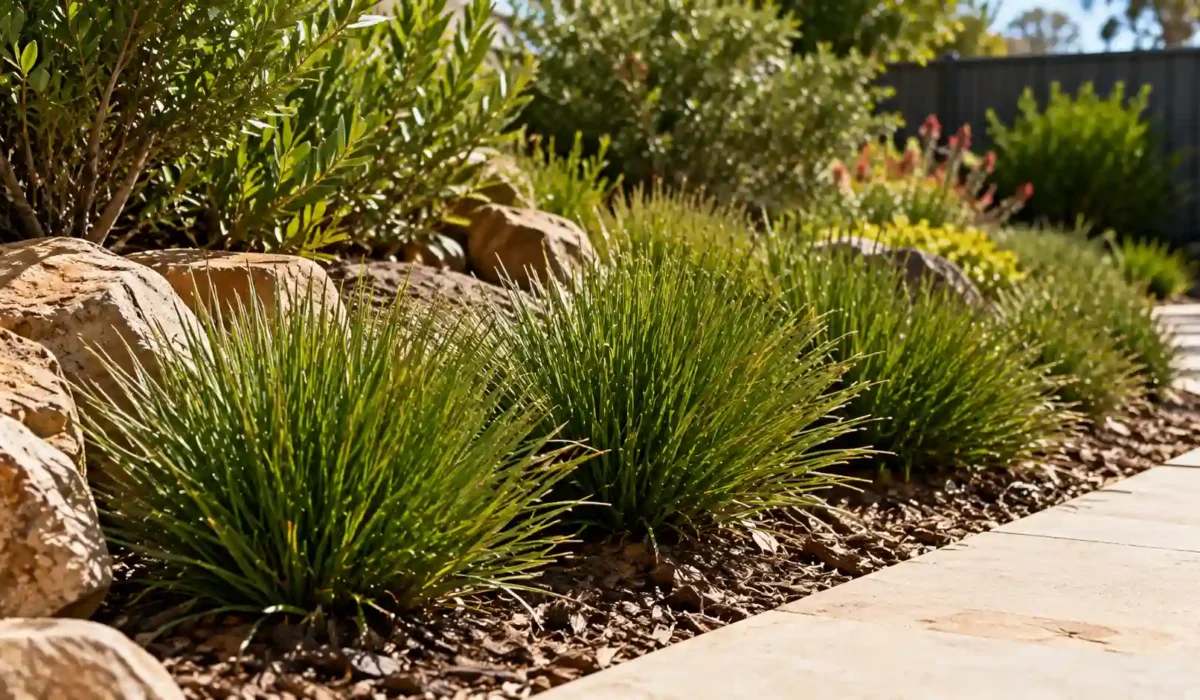
Evergreen Baby Lomandra: Size, Care & Growing Guide
Evergreen Baby Lomandra is a compact Lomandra longifolia cultivar reaching just 40–45cm high and wide, according to Elemo Baker. It features fine, dark green foliage, golden-yellow spring flower spikes, and is male sterile so it won’t self-seed. It tolerates drought, periodic wet feet, frost down to -8°C, and most Australian soil types.
Bred by Ozbreed under the cultivar code ‘LM600’, this variety shows notable Phytophthora resistance and only underperforms in far northern Queensland, growing reliably across NSW, ACT, VIC, SA and WA. It needs minimal upkeep beyond an occasional cutback every three to five years, and is well suited to water-sensitive urban design plantings where irrigation is inconsistent.
By Elemo Baker | Plant Care & Gardening Expert
Last Updated: August 2026
Quick Summary
- Evergreen Baby Lomandra is a compact evergreen grass growing approximately 40–45cm high and wide.
- It tolerates drought, frost, coastal wind and occasional wet soil conditions once established.
- It produces sterile golden-yellow flowers in spring and summer without unwanted seed spread.
- It performs best in full sun to part shade and suits borders, rockeries, containers and mass planting.
- It is one of the smallest Lomandra cultivars, requiring minimal maintenance compared with larger varieties.
What Is Lomandra ‘Evergreen Baby’?
Lomandra ‘Evergreen Baby’ is a compact ornamental grass cultivar scientifically identified as Lomandra labill ‘LM600’ PBR. It was developed by Ozbreed as a smaller alternative within the Lomandra group, combining fine foliage, durability and low-maintenance performance for modern Australian gardens. Evergreen Baby belongs to the broader Lomandra genus, a group of Australian native perennial plants known for their resilience and ornamental foliage.
The Lomandra genus contains many popular landscape plants, including ‘Lime Tuff’, ‘Little Con’, ‘Tanika’ and ‘Breeze’. Like other Lomandra grasses, Evergreen Baby is an evergreen perennial that maintains foliage throughout the year rather than dying back seasonally.
The cultivar is protected under Plant Breeder’s Rights (PBR), which means genuine plants are produced and sold through licensed growers. Its sterile flowering habit is an important feature because it prevents unwanted seedlings spreading through garden beds.
Is Lomandra an Australian Native?
Yes, Lomandra is an Australian native plant genus naturally found across many parts of Australia. These hardy grasses have adapted to a wide range of environments, including coastal areas, dry inland regions and temperate gardens.
Evergreen Baby is not a wild species but a cultivated selection bred specifically for compact garden performance. It retains the natural toughness of Australian Lomandra while offering a smaller, more controlled size suitable for residential landscapes.
Evergreen Baby Lomandra Size and Growth Habit
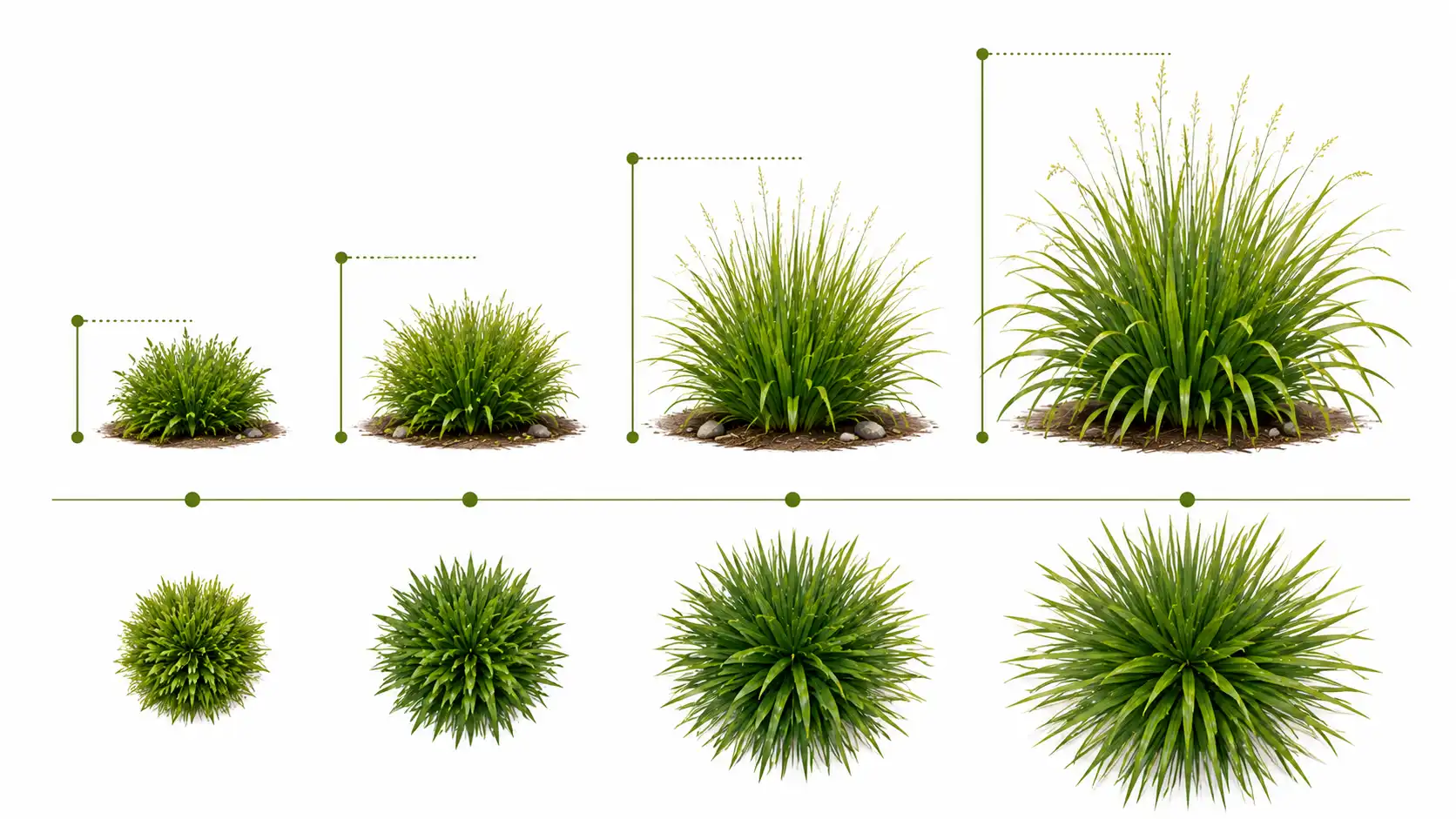
Evergreen Baby Lomandra has a compact clumping growth habit, usually reaching around 40–45cm in height and 40–45cm in width at maturity. Its narrow, fine-textured leaves create a dense rounded clump without becoming overly large or difficult to manage.
Compared with larger Lomandra varieties, Evergreen Baby provides a smaller footprint while maintaining similar resilience. It is particularly useful for garden edging, pathways, decorative pots and areas where taller grasses would overwhelm the design.
| Variety | Approximate Height | Approximate Width | Growth Speed |
| Evergreen Baby | 40–45cm | 40–45cm | Moderate |
| Little Con | 30–40cm | 40–50cm | Moderate |
| Lime Tuff | 60–70cm | 60–70cm | Moderate to fast |
| Tanika | 50–60cm | 50–60cm | Moderate |
How Quickly Does Lomandra Grow?
Lomandra Evergreen Baby has a moderate growth rate. After planting, it generally requires around 8–13 weeks to establish a strong root system, depending on soil conditions, climate and watering consistency.
The strongest growth usually occurs during the warmer months, particularly spring and summer when temperatures and daylight encourage active foliage production. Growth slows during colder periods but the plant remains evergreen.
In our experience growing compact Lomandra cultivars, establishing plants with consistent moisture during the first few months produces denser clumps and better long-term performance. Once established, Evergreen Baby becomes much more drought tolerant and requires less frequent irrigation.
Can You Keep Lomandra Small?
Yes. Evergreen Baby is naturally one of the smallest Lomandra cultivars available, so it does not require regular size control like larger varieties.
Its compact genetics mean gardeners usually only need occasional tidying rather than frequent pruning. Correct spacing during planting is the most important factor for maintaining its neat appearance.
What Is the Smallest Growing Lomandra?
Evergreen Baby and Little Con are among the smallest-growing Lomandra cultivars available, making them ideal choices for compact gardens, borders and containers. Larger varieties such as Lime Tuff and many Lomandra longifolia selections grow considerably taller and wider.
When choosing the smallest Lomandra, gardeners should consider not only height but also foliage texture, hardiness and garden purpose.
| Variety | Size | Foliage Characteristics | Best Use |
| Evergreen Baby | 40–45cm | Fine, dense green leaves | Borders, rockeries, mass planting |
| Little Con | 30–40cm | Fine compact foliage | Small gardens and edging |
| Little Pal | Around 40–50cm | Narrow green foliage | Low-maintenance landscapes |
Evergreen Baby is often preferred when gardeners want a balance between compact size and toughness, especially in exposed Australian conditions.
Growing Conditions — Sun, Soil and Water Needs
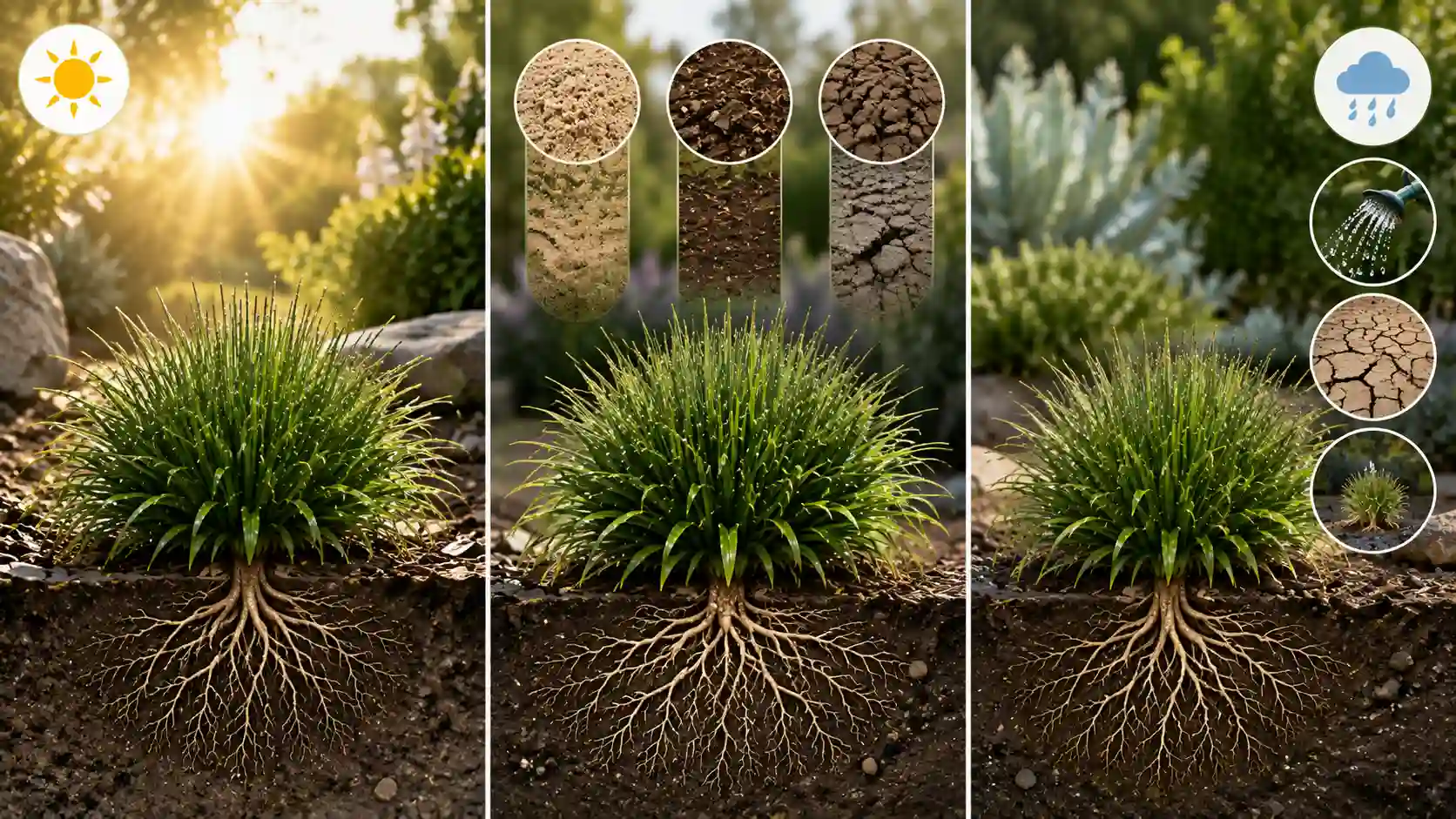
Evergreen Baby Lomandra is adaptable and performs well in many Australian garden environments. It prefers full sun to part shade, although it is most vigorous when it receives several hours of direct sunlight each day.
The plant grows in a wide range of soils, from sandy loam to heavier clay, provided drainage is adequate. Once established, it has excellent drought tolerance and can survive periods of limited rainfall.
Key growing requirements include:
- Light: Full sun to part shade.
- Soil: Adaptable to sandy, loamy and clay soils.
- Water: Regular watering during establishment, reduced watering once mature.
- Climate: Suitable for frost, heat, coastal exposure and variable Australian conditions.
Will Lomandra Grow in Full Shade?
Lomandra Evergreen Baby can survive in part shade but does not perform well in heavy full shade. Reduced sunlight can lead to thinner foliage, slower growth and fewer flowers.
For the healthiest, densest clumps, planting in full sun or an area receiving filtered sunlight for part of the day is recommended.
Root System and Wet-Feet Tolerance
Evergreen Baby Lomandra develops a fibrous root system that helps it tolerate difficult growing conditions. Its roots efficiently capture available moisture and contribute to its drought resistance.
A major advantage of Lomandra cultivars is their ability to tolerate occasional wet conditions better than many ornamental grasses. Evergreen Baby has improved tolerance to periodic wet feet and is recognised for good resistance to soil-related issues such as Phytophthora when planted correctly.
However, prolonged waterlogging should still be avoided, as continuously saturated soil can damage roots and reduce plant health.
Is Lomandra Low Maintenance?
Yes, Lomandra Evergreen Baby is a low-maintenance perennial grass that requires minimal ongoing care once established. Its natural toughness, evergreen foliage and sterile flowers reduce many common garden maintenance tasks.
Unlike flowering plants that require regular deadheading, Evergreen Baby does not need flower removal because its golden-yellow flower spikes are sterile and do not produce viable seeds. It also requires less frequent watering after establishment due to its drought-tolerant root system.
Key low-maintenance benefits include:
- Minimal irrigation once established.
- No regular deadheading required.
- Limited pruning requirements.
- Good tolerance of drought, frost and coastal conditions.
- Long-lasting evergreen foliage throughout the year.
Because Lomandra grass is a perennial, it returns and maintains its structure year after year without needing seasonal replacement.
How to Prune and Care for Lomandra Evergreen Baby
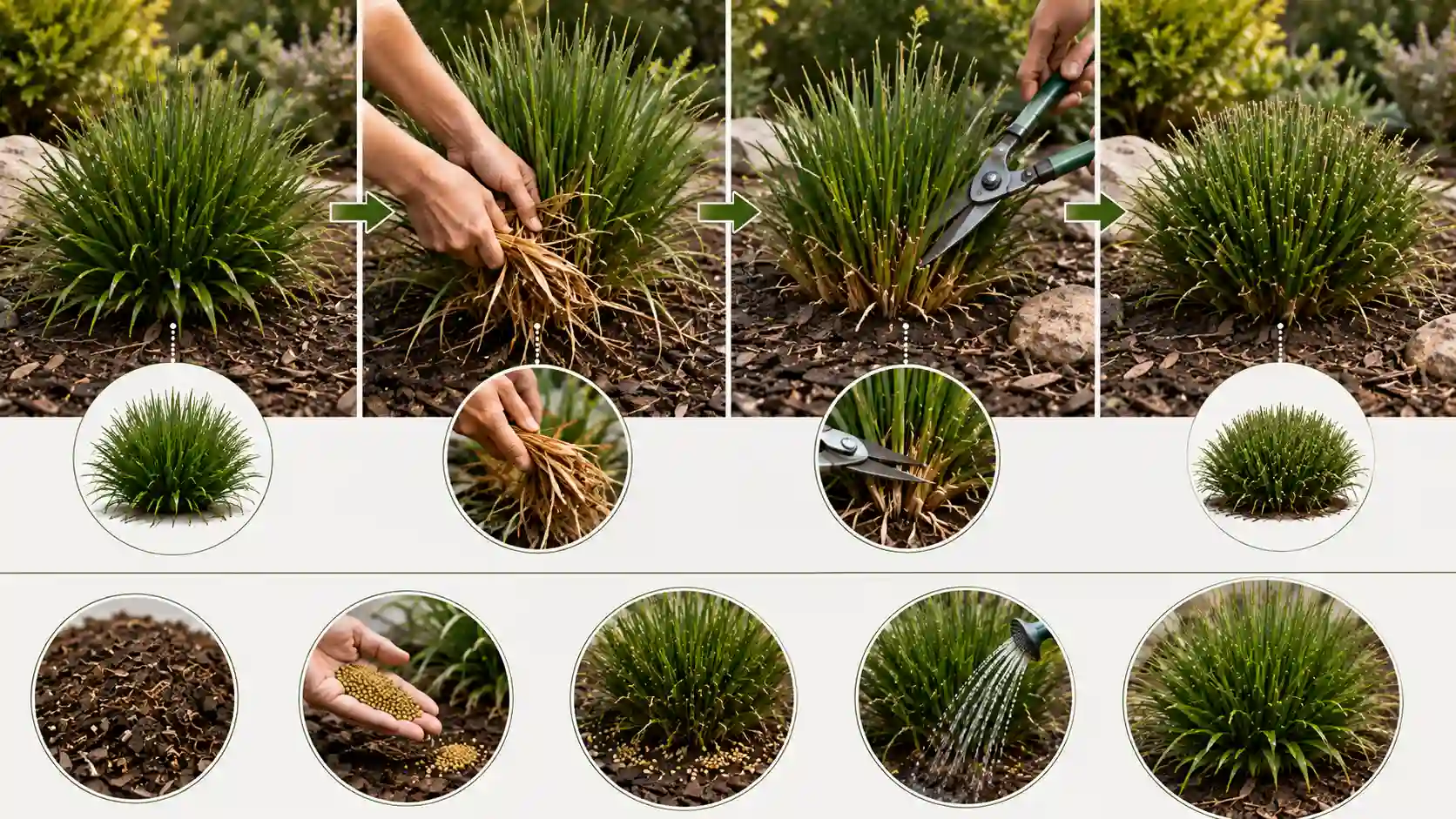
Lomandra Evergreen Baby requires only occasional pruning to maintain a tidy appearance. Unlike larger ornamental grasses, it naturally keeps a compact shape and rarely needs aggressive management.
A light tidy-up every few years is usually sufficient. Most established plants benefit from pruning approximately every 3–5 years, depending on appearance and growing conditions.
Elemo Baker recommends removing tired foliage before the active spring growth period, allowing fresh leaves to develop evenly through the warmer months.
Light pruning and tidying guide:
- Remove damaged, brown or old leaves by hand.
- Trim back any uneven foliage to maintain the rounded clump shape.
- If the plant becomes congested, cut the entire clump back to around 15cm above ground level.
- Apply a slow-release native plant fertiliser in spring to support fresh growth.
- Add a layer of mulch around the plant base while keeping mulch away from the crown.
Spring is generally the best time for major maintenance because the plant can recover quickly during its strongest growing season.
Should Lomandra Be Cut Back?
Lomandra does not need to be cut back every year. Regular hard pruning can be unnecessary and may stress healthy plants.
For Evergreen Baby, occasional removal of older leaves is usually enough. A harder cut is only recommended when a mature clump looks tired, develops excessive dead foliage or needs rejuvenation.
Common Lomandra Problems and How to Fix Them (Problem-Solution Coverage)
Although Evergreen Baby Lomandra is a hardy plant, poor planting conditions or incorrect care can still cause problems. Most issues are related to water management, soil conditions or environmental stress.
Why Are My Lomandras Dying?
Lomandra plants commonly decline due to incorrect watering, planting depth issues or unsuitable soil conditions. Healthy Evergreen Baby plants should have firm green foliage and a dense central clump.
Common causes of decline include:
- Poor drainage: Constantly wet soil can damage roots.
- Planting too deeply: Covering the crown can encourage rotting.
- Extreme heat stress: Newly planted grasses may struggle during severe heat without adequate establishment watering.
- Pest pressure: Insects can weaken foliage and reduce plant vigour.
To improve plant health, check soil moisture, ensure the crown sits at soil level and remove damaged foliage to encourage recovery.
Overwatering and Root Rot
Overwatering is one of the most common causes of Lomandra problems.
Symptoms of excessive moisture include:
- Browning leaf tips.
- Yellowing foliage.
- Soft or rotting central growth.
- Poor overall plant density.
To prevent root problems:
- Plant in well-drained soil where possible.
- Avoid excessive irrigation after establishment.
- Do not bury the plant crown under soil or mulch.
- Improve drainage in heavy clay areas if water remains trapped.
Evergreen Baby tolerates occasional wet conditions, but even hardy native plants perform poorly when roots remain permanently waterlogged.
Pests and What Animals Eat Lomandra
Lomandra is generally resistant to many pests, but some problems can occur depending on location and growing conditions. For help identifying common garden pests and understanding treatment options, see our Garden Pest Identification Guide for Australian Gardens.
Potential pests include:
- Mealybugs: Small insects that create white cotton-like deposits on foliage.
- Scale insects: Sap-feeding pests that may weaken leaves.
In some Australian regions, browsing animals such as wallabies and possums may occasionally nibble Lomandra foliage. Damage is usually more noticeable in areas with high wildlife activity.
Regular inspection and maintaining healthy plants are the best preventative measures.
Does Lomandra Spread? Is It Invasive?
Lomandra Evergreen Baby does not spread aggressively and is not considered invasive because it is a sterile, clumping cultivar that does not produce viable seed.
Unlike some naturally occurring Lomandra populations that can reproduce through seed, Evergreen Baby remains contained within its planted clump. This makes it suitable for structured garden designs where controlled growth is important.
Can You Split Lomandra Plants?
Yes, established Lomandra clumps can be divided to create new plants. Division is usually performed during cooler months, such as autumn or early spring, when the plant experiences less stress.
To divide Lomandra:
- Dig up an established clump carefully.
- Separate sections with healthy roots and foliage.
- Replant divisions at the correct depth.
- Water regularly until new plants establish.
Division is best suited to mature plants with strong root systems.
Planting Guide — Spacing and Companion Plants
Evergreen Baby Lomandra works well in Australian landscapes because its compact size allows flexible planting options. It can be used as edging, ground-level structure, feature planting or repeated mass planting. For gardeners planning larger landscape areas, combining Lomandra with other low-maintenance plants for fence lines in Australia can create a durable planting design with year-round structure.
How Far Apart Should You Plant Lomandra?
Spacing depends on the desired garden effect:
- Mass planting: Approximately 40–50cm apart for a dense appearance.
- Borders and edging: Around 40cm apart for a continuous line.
- Feature planting: Allow approximately 50cm or more between plants to highlight individual clumps.
Correct spacing improves airflow, reduces overcrowding and helps each plant develop its natural rounded shape.
What to Plant Next to Lomandra?
Evergreen Baby pairs well with other plants that prefer similar Australian growing conditions.
Suitable companions include:
- Native flowering groundcovers.
- Drought-tolerant shrubs.
- Other compact grasses.
- Australian native perennials.
- Low-growing coastal plants.
Good companion planting creates layers of texture while maintaining similar watering and sunlight requirements. Adding flowering Australian natives, such as those featured in our Australian Native Purple Flowers: Types, Care & Guide, can introduce seasonal colour while maintaining similar climate requirements.
Benefits of Lomandra Evergreen Baby
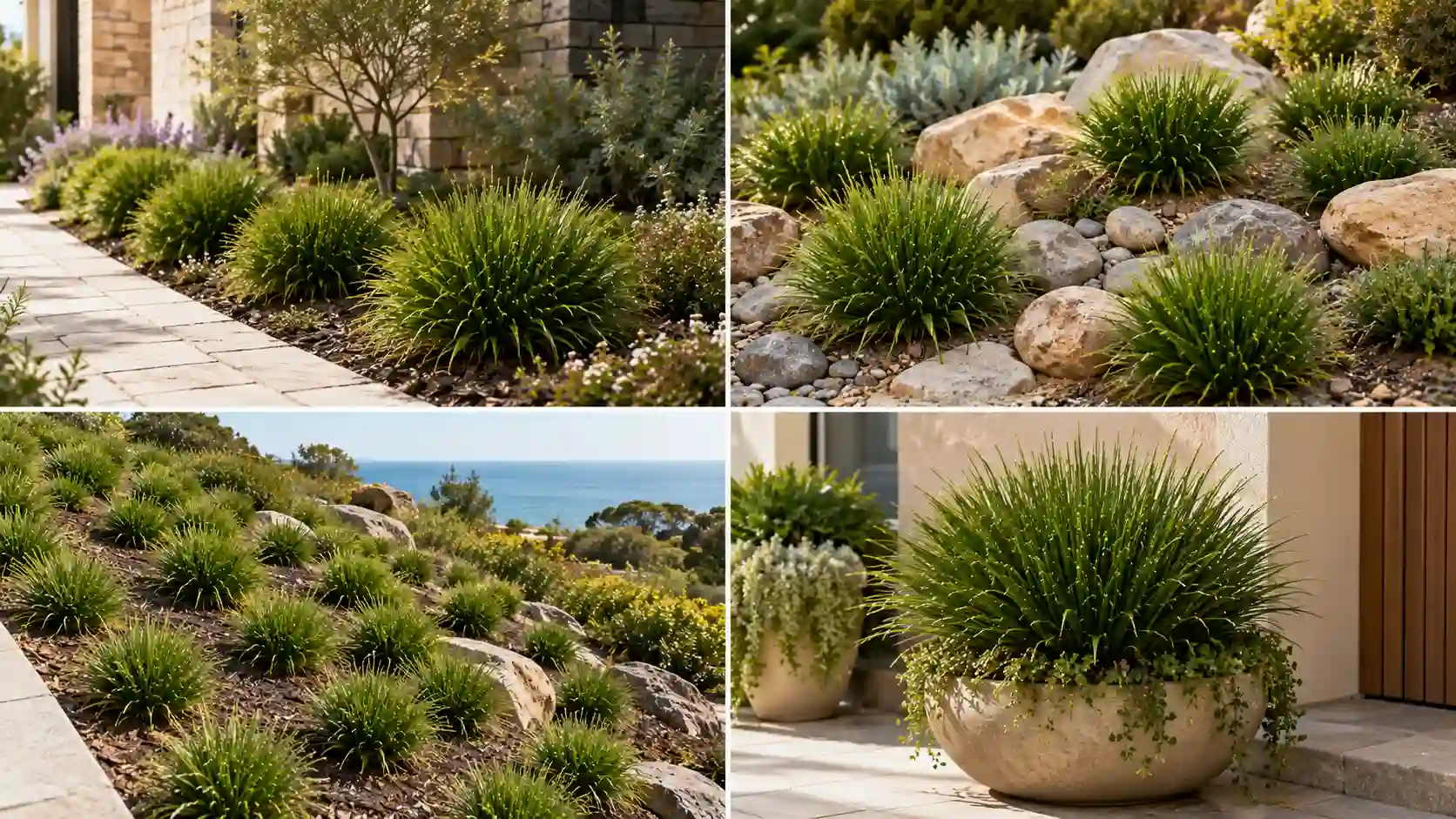
Evergreen Baby Lomandra provides several landscape benefits that make it popular among Australian gardeners. While Evergreen Baby Lomandra provides low-level coverage and structure, taller options such as fast growing trees for screening in Australia can be combined with it to create layered privacy planting.
Major advantages include:
- Erosion control: Its fibrous root system helps stabilise soil on banks and slopes.
- Year-round structure: Evergreen foliage maintains garden interest in every season.
- Low water requirements: Suitable for water-conscious gardens once established.
- Climate tolerance: Handles frost, heat, coastal wind and challenging conditions.
- Container suitability: Its compact growth makes it suitable for pots and small spaces.
Its smaller size also makes it useful where traditional Lomandra varieties would become too large. Similar low-growing grasses, such as Mondo Grass Garden, are also popular choices for borders, pathways and low-maintenance Australian garden designs where evergreen ground cover is needed.
Evergreen Baby vs Lime Tuff vs Little Con — Which Lomandra Should You Choose?
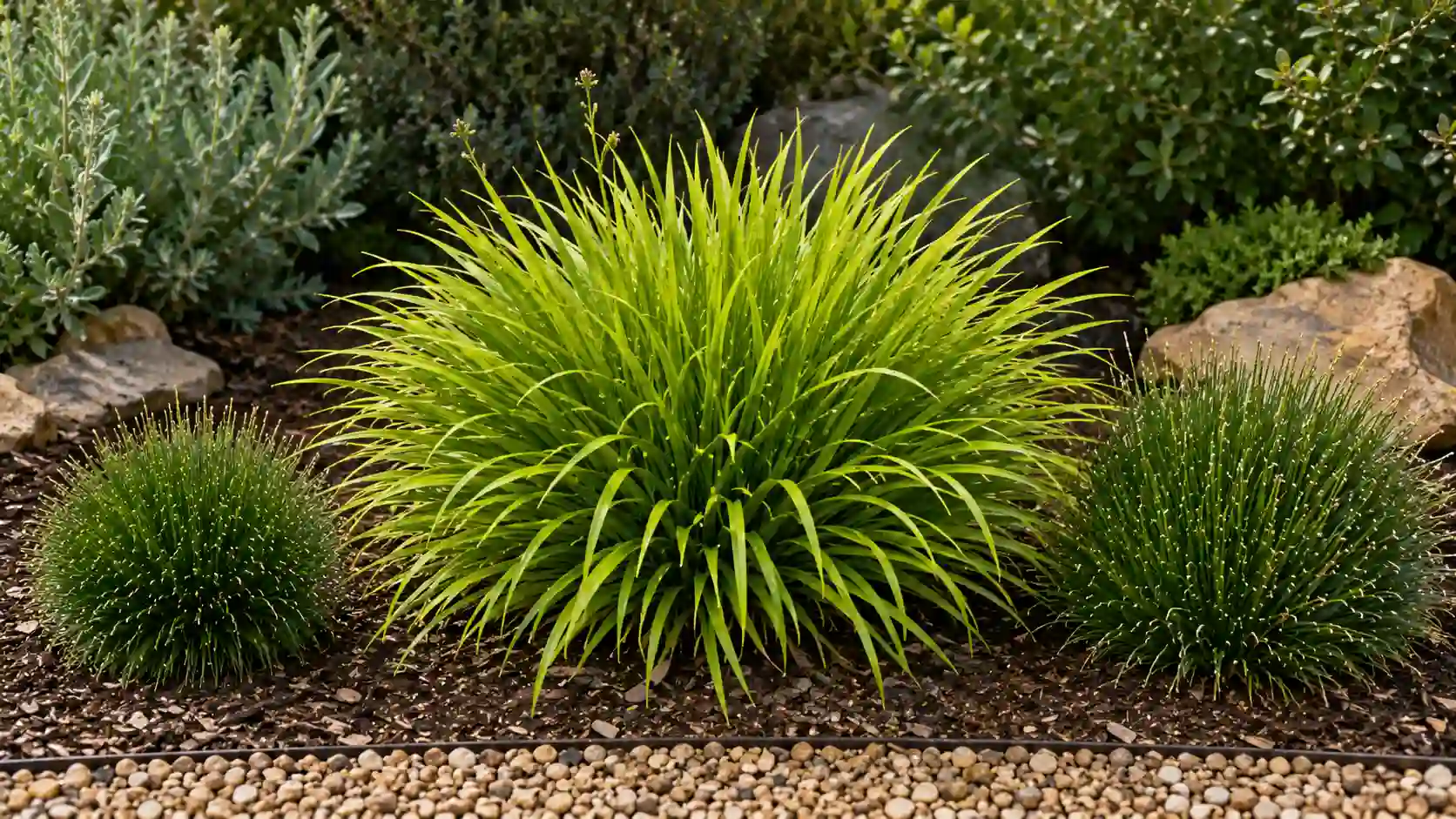
Choosing the right Lomandra depends on available space, desired appearance and garden conditions.
| Feature | Evergreen Baby | Lime Tuff | Little Con |
| Mature Size | 40–45cm | 60–70cm | 30–40cm |
| Foliage | Fine green leaves | Broader lime-green foliage | Fine compact leaves |
| Flower Colour | Golden-yellow | Yellow tones | Yellow tones |
| Spread Behaviour | Clumping, sterile | Clumping | Clumping |
| Best Use | Borders, rockeries, mass planting | Larger landscapes and screening | Small gardens and edging |
Evergreen Baby is the best choice when a compact but tough Lomandra is required. Lime Tuff suits gardeners wanting a larger feature grass, while Little Con is ideal for very small spaces.
Where to Buy Evergreen Baby Lomandra in Australia
Lomandra Evergreen Baby is available through Australian nurseries, specialist native plant growers and selected garden retailers. Because it is a PBR-protected Ozbreed cultivar, genuine plants are supplied through licensed growers rather than unverified propagation sources.
When purchasing, look for:
- Correct cultivar labelling.
- Healthy green foliage.
- Licensed nursery supply.
- Plants identified as Lomandra labill ‘LM600’ PBR.
Search terms such as evergreen baby lomandra for sale, evergreen baby lomandra Bunnings, and is lomandra evergreen baby available in Australia are commonly used by gardeners looking for availability.
Conclusion
Evergreen Baby Lomandra is a compact, hardy and low-maintenance Australian ornamental grass suited to a wide range of garden applications. With its evergreen foliage, sterile flowering habit and mature size of approximately 40–45cm, it is one of the smallest and most versatile Lomandra cultivars available.
Its ability to tolerate drought, frost, coastal exposure and occasional wet conditions makes it suitable for Australian landscapes, while its compact growth habit works especially well in borders, rockeries, containers and mass planting designs. For gardeners seeking a reliable native-style grass with minimal maintenance requirements, Evergreen Baby offers a practical combination of durability, beauty and controlled growth. Gardeners looking to create a broader Australian plant collection can explore our Australian Plants Guide: Indoor Houseplants & Garden Design for ideas on selecting suitable plants for different spaces and growing conditions.
Frequently Asked Questions
Is Lomandra Evergreen Baby available in Australia?
Yes, Lomandra Evergreen Baby is available in Australia through licensed nurseries and native plant suppliers. As an Ozbreed PBR-protected cultivar, genuine plants are produced by authorised growers.
What is the typical size of Lomandra Evergreen Baby?
Lomandra Evergreen Baby typically grows to around 40–45cm high and 40–45cm wide at maturity, making it one of the more compact Lomandra varieties.
Is Lomandra evergreen all year round?
Yes, Lomandra Evergreen Baby remains evergreen throughout the year. Its fine green foliage is maintained across different seasons, including cooler months.
What are the most common Lomandra problems?
The most common Lomandra problems include overwatering, poor drainage, planting too deeply, heat stress and occasional pest issues such as scale or mealybugs.
Does Lomandra Evergreen Baby spread or self-seed?
No. Evergreen Baby is a sterile clumping cultivar, meaning it does not self-seed or spread invasively through unwanted seedlings.
How often should Lomandra be pruned?
Lomandra Evergreen Baby usually needs pruning only every 3–5 years or when older foliage becomes untidy. Annual hard pruning is generally unnecessary.
Is Lomandra Evergreen Baby the smallest growing Lomandra variety?
Evergreen Baby and Little Con are among the smallest Lomandra cultivars. Evergreen Baby is especially valued for combining compact size with strong hardiness and broad landscape suitability.