
Philodendron Temperature Range Guide for Healthy Growth
Introduction
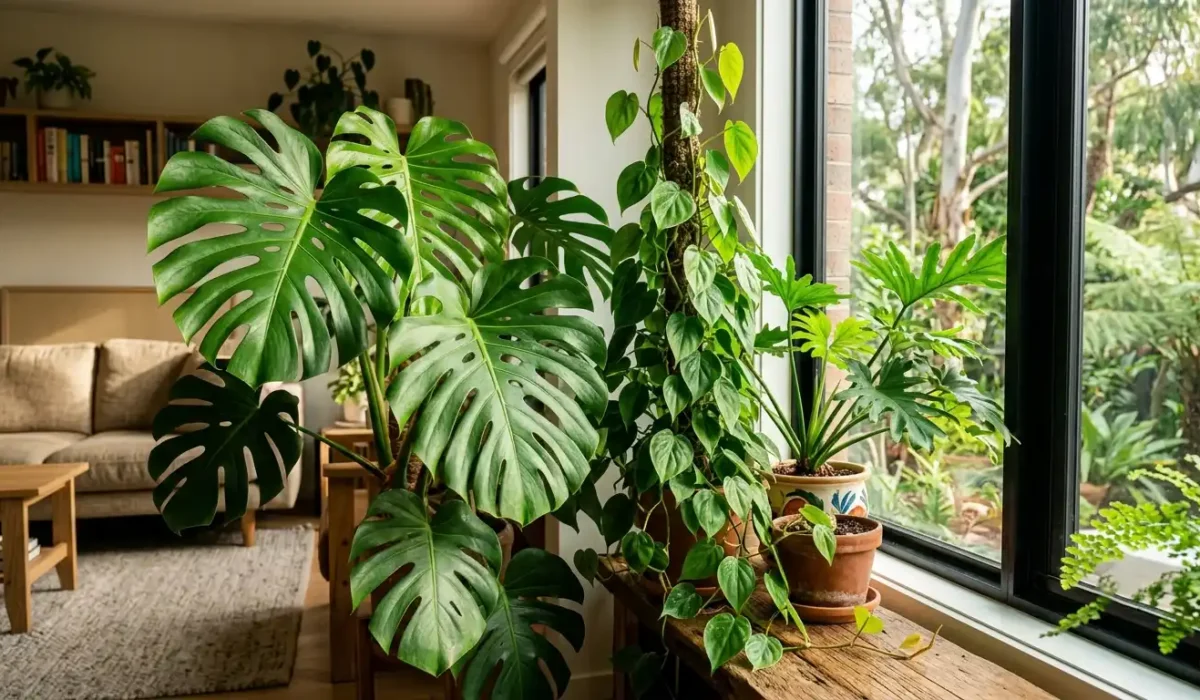
Philodendron temperature range refers to the ideal environmental warmth needed for healthy growth, typically between 18–27°C. Philodendrons are tropical plants native to Central and South America, meaning they prefer stable warmth and struggle in cold conditions below 10°C.
Different varieties such as Philodendron scandens, Philodendron gloriosum, and split-leaf types may show slight variation in tolerance, but all share the same core requirement: warmth and humidity. This guide explains their temperature needs, cold damage signs, seasonal care, and how Australian growers can maintain healthy plants year-round in varying climates.
By Elemo Baker | Plant Care & Gardening Expert
Last Updated: July 2026
Quick Summary
- Most philodendrons thrive between 18–27°C and should never drop below 10°C
- Cold damage appears as blackened, mushy, or drooping leaves
- Indoor plants need bright, indirect light and stable warmth year-round
- Australian temperate regions require winter protection or indoor growing
- Consistent temperature is more important than occasional watering mistakes
What Temperature Range Do Philodendrons Need?
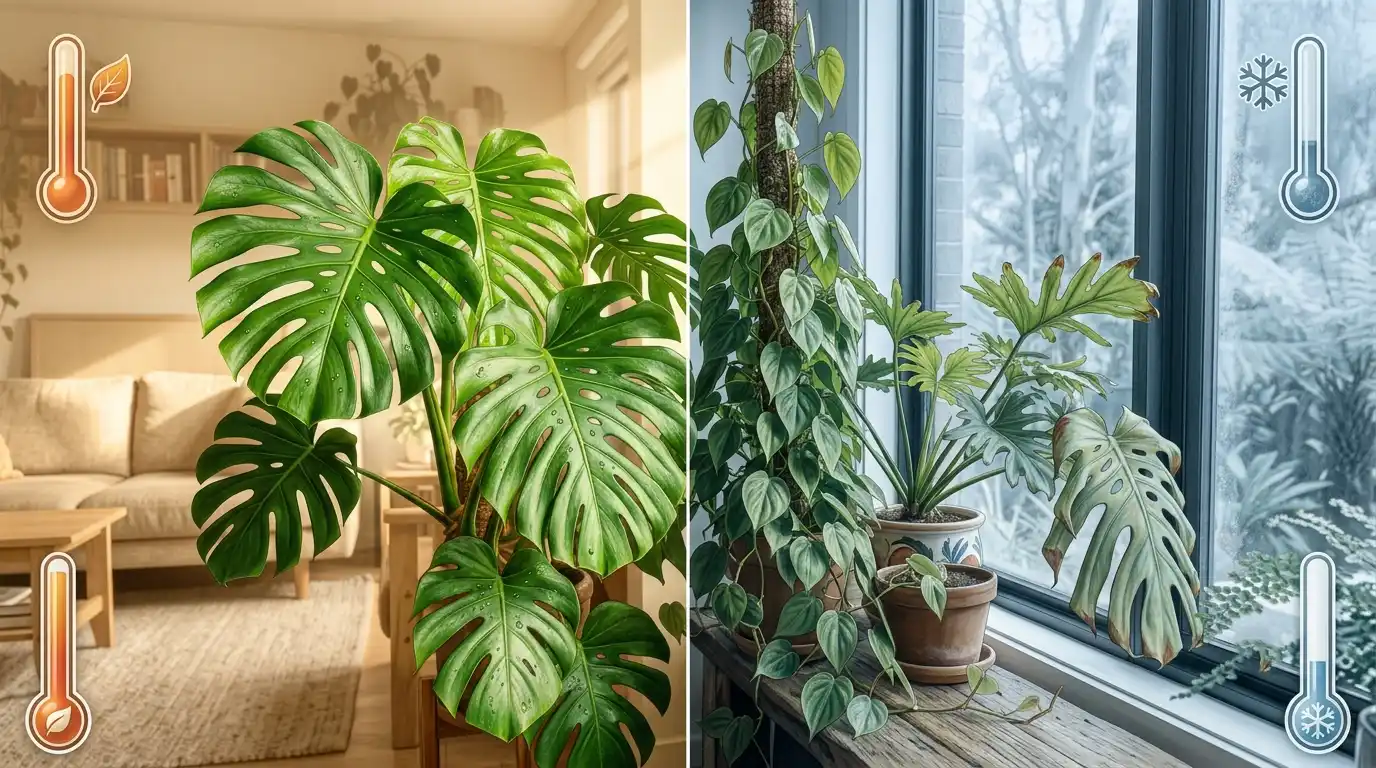
Philodendrons grow best in a stable tropical-like environment. The ideal philodendron temperature range is 18–27°C during the day, with nighttime temperatures not falling below 15°C. Because they originate from warm rainforests, they are highly sensitive to cold stress and sudden temperature fluctuations.
Ideal Daytime vs Nighttime Temperatures
- Daytime: 18–27°C (optimal growth zone)
- Nighttime: 15–18°C (safe minimum range)
- Below 10°C: Risk of tissue damage and stunted growth
Warm, consistent temperatures encourage larger leaves, faster climbing growth, and stronger root development.
What Is the Lowest Temperature a Philodendron Can Tolerate?
The lowest safe temperature for most philodendrons is around 10°C, but prolonged exposure near this level can cause stress. Below this threshold, cells begin to weaken, leading to leaf damage and slowed nutrient uptake. In our experience growing tropical foliage indoors, even brief cold drafts near windows can trigger visible decline within days.
Philodendron Temperature Range by Season
Philodendron Temperature Range Winter
In winter, philodendrons slow their growth significantly. Indoor heating helps maintain stability, but cold drafts from windows or doors can be harmful. Keep plants above 15°C and avoid placing them near unheated areas.
Philodendron Temperature Range Indoors
Indoors, philodendrons prefer consistent warmth with moderate humidity. Avoid air-conditioner vents and cold glass surfaces. Stable indoor environments are ideal for year-round growth.
Philodendron Temperature Range Australia
- Tropical North (Cairns, Darwin): Suitable for outdoor growth year-round
- Temperate South (Melbourne, Sydney, Hobart): Requires indoor protection in winter
- Arid regions: Needs humidity support and temperature buffering
Australian growers must prioritise indoor cultivation during cold months.
For a broader understanding of how tropical indoor plants adapt to local conditions, see the full guide on Australian indoor plant styling and care systems in Australian Plants Guide: Indoor Houseplants & Garden Design.
Can Philodendrons Survive Frost?
Philodendrons cannot survive frost. Exposure to frost typically causes irreversible damage to leaves and stems due to ice crystal formation inside plant tissue. Even short frost exposure can kill soft growth.
Protective measures include:
- Moving plants indoors before winter
- Using frost cloth in borderline climates
- Keeping plants away from exposed outdoor areas
Philodendron Cold Damage — Signs and Recovery
What Does Cold Damage Look Like?
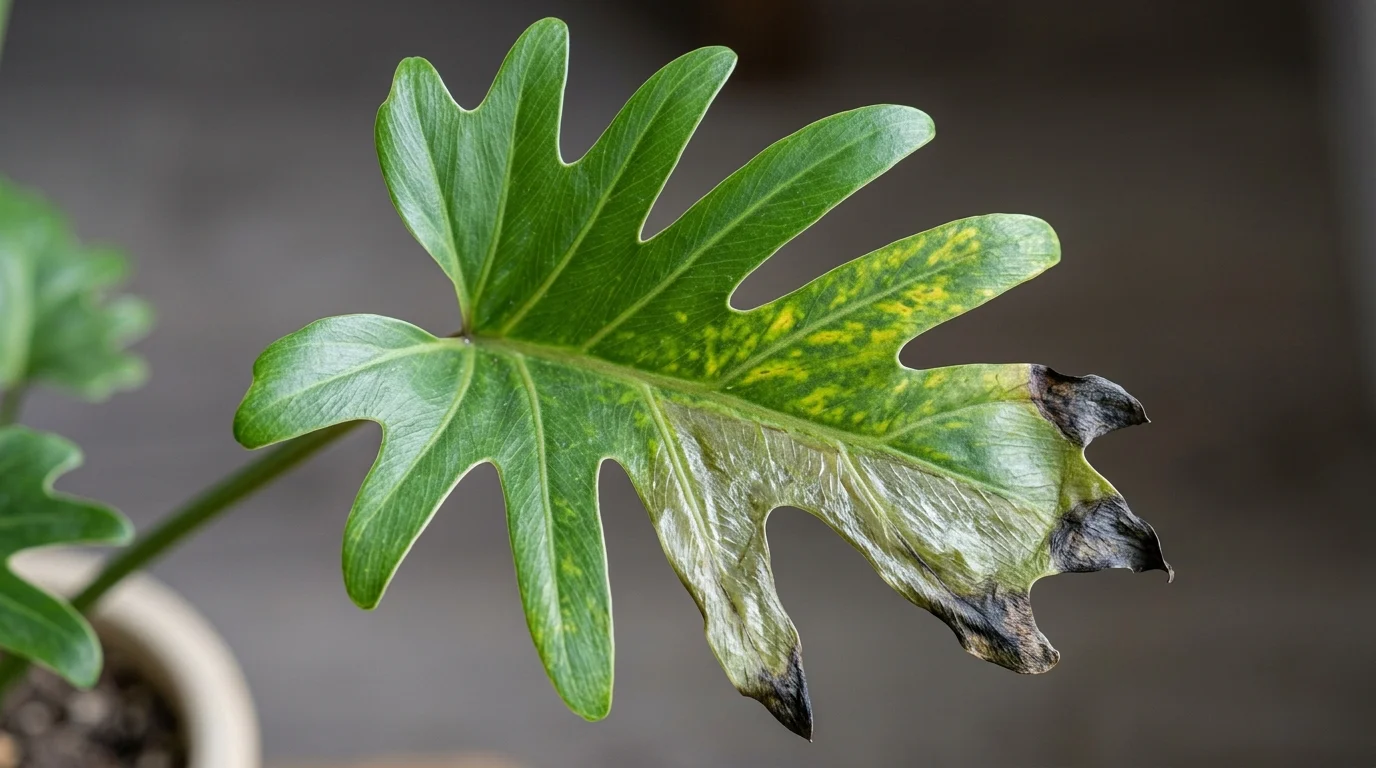
Cold-damaged philodendrons show clear symptoms:
- Blackened leaf tips or edges
- Translucent or mushy patches
- Drooping or collapsed stems
- Sudden leaf drop
How to Revive a Sick Philodendron?
If cold damage occurs, recovery is possible if the stem is still healthy:
- Move plant immediately to a warm environment (18–24°C)
- Remove severely damaged leaves
- Reduce watering until soil stabilises
- Maintain indirect light and humidity
- Monitor new growth for recovery signs
Philodendron Light Requirements
Philodendrons prefer bright, indirect light. Too much direct sun scorches leaves, while too little light slows growth and reduces leaf size. In Australian homes, east-facing windows often provide ideal conditions.
Signs of poor light:
- Leggy growth (too little light)
- Yellowing or fading leaves (too much direct light)
Light tolerance patterns in philodendrons are similar to other low-maintenance indoor species such as Dracaena, detailed in Dracaena Plant Indoor Benefits, Care, Meaning & Propagation, which also prefers indirect lighting conditions.
Philodendron Watering Guide
How Often to Water an Indoor Philodendron?
Water every 7–10 days in warm months and less frequently in winter. Always check the top 2–3 cm of soil before watering.
Should I Bottom Water My Philodendron?
Bottom watering ensures even moisture absorption and reduces leaf wetting. However, top watering helps flush salts from fertiliser build-up. A balanced approach works best.
What Does an Overwatered Philodendron Look Like?
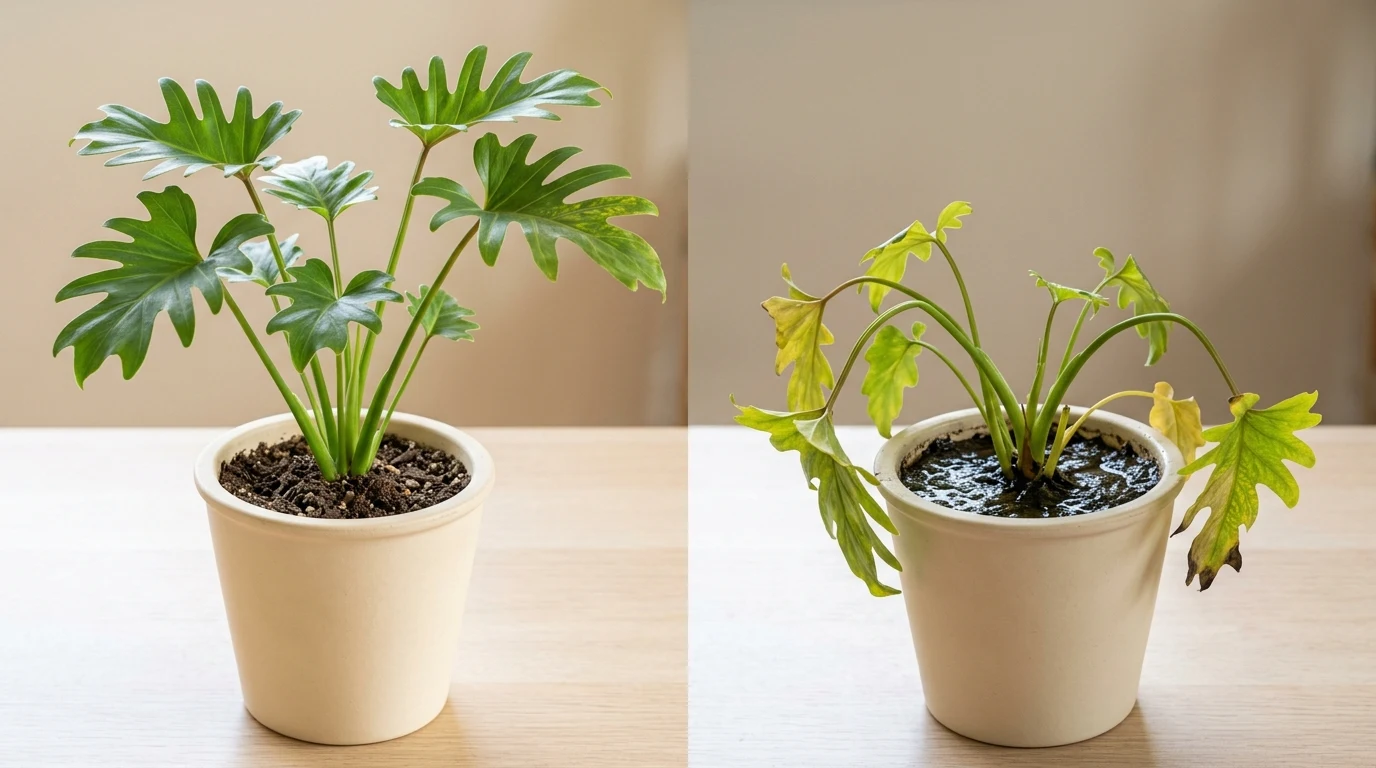
- Yellowing leaves
- Soft or mushy stems
- Musty root smell
- Drooping despite wet soil
Is Miracle-Gro Good for Philodendron?
Yes, diluted all-purpose fertilisers like Miracle-Gro can be used, but over-fertilising causes leaf burn. Always apply at half strength during active growth.
Caring for a Philodendron — Complete Guide
| Requirement | Ideal Condition |
| Light | Bright, indirect |
| Water | Moderate, allow topsoil to dry |
| Soil | Well-draining aroid mix |
| Humidity | 50–70% |
| Fertiliser | Monthly in growing season |
| Temperature | 18–27°C |
Caring for Philodendron Cordatum
This trailing variety thrives in hanging baskets and tolerates lower light. It prefers consistent moisture and warm indoor conditions.
Caring for Philodendron Erubescens
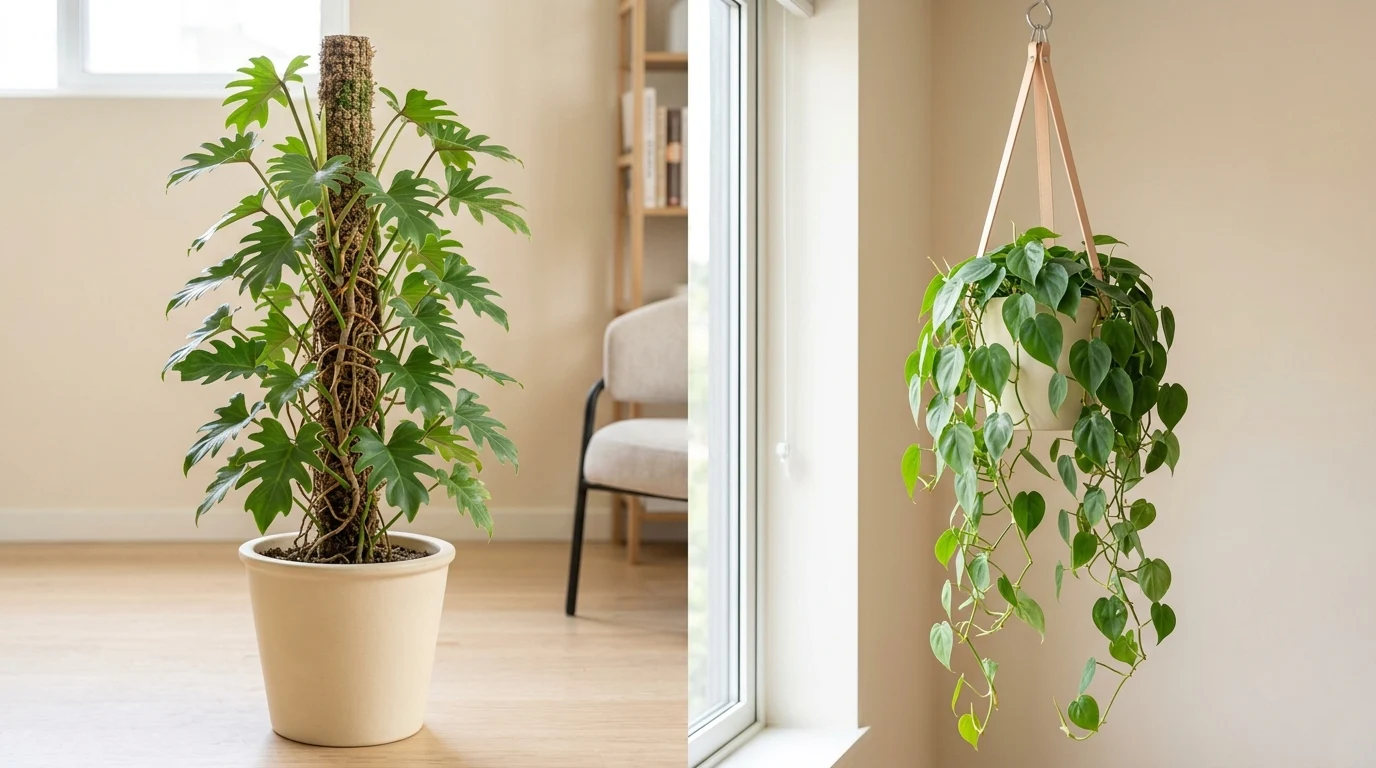
A climbing variety with coloured stems. It requires support structures and stable warmth to maintain strong growth.
Indoor vs Australia Care
Indoor plants require stable humidity, while Australian outdoor growth depends heavily on regional climate control, especially in southern states.
Types of Philodendron — Popular Varieties
Philodendrons vary widely in growth habits:
- Philodendron scandens – beginner-friendly trailing type
- Philodendron gloriosum – large velvety leaves, crawling habit
- Florida Ghost – rare collector plant with pale new leaves
- Philodendron pedatum – deeply lobed climbing species
Philodendron Gloriosum Care
This species requires warm, humid conditions and indirect light. It grows horizontally via rhizomes rather than climbing.
In our experience, gloriosum struggles most when exposed to cold drafts or compacted soil.
Split-Leaf Philodendron Temperature Tolerance
Split-leaf types are slightly more resilient but still require temperatures above 12°C for safe growth.
Common Problems With Philodendrons
Leaves Turning Yellow
Usually caused by overwatering or poor drainage.
Overwatering Issues
Leads to root rot and oxygen deprivation in soil.
Pest Infestations
Spider mites and mealybugs are common in dry indoor environments. Similar leaf issues such as spotting and discoloration are also common in Anthurium species, as explained in Brown Spots on Anthurium Leaves: Causes and Treatment, often caused by humidity imbalance or fungal stress.
Slow Growth
Often due to low light or cold temperatures.
Conclusion
Philodendrons thrive best in a stable philodendron temperature range of 18–27°C, with minimal exposure below 10°C. For Australian growers, maintaining warmth during winter is essential for preventing cold damage and ensuring healthy growth. Whether growing scandens, gloriosum, or erubescens, temperature stability is the key factor in long-term plant health.
FAQs
What is the lowest temperature a philodendron can tolerate?
Around 10°C, but prolonged exposure causes damage.
Can philodendrons survive frost?
No, frost is usually fatal to leaves and stems.
How often should you water an indoor philodendron?
Every 7–10 days, depending on season and temperature.
What is the lifespan of a philodendron?
Many philodendrons can live 10–20+ years indoors with proper care.
What is the king of philodendrons?
Often considered Philodendron gloriosum or melanochrysum among collectors.
Do philodendrons prefer to climb or hang?
It depends on the variety—some climb, others trail.
What does an overwatered philodendron look like?
Yellow, soft leaves with soggy soil and possible root rot smell.