

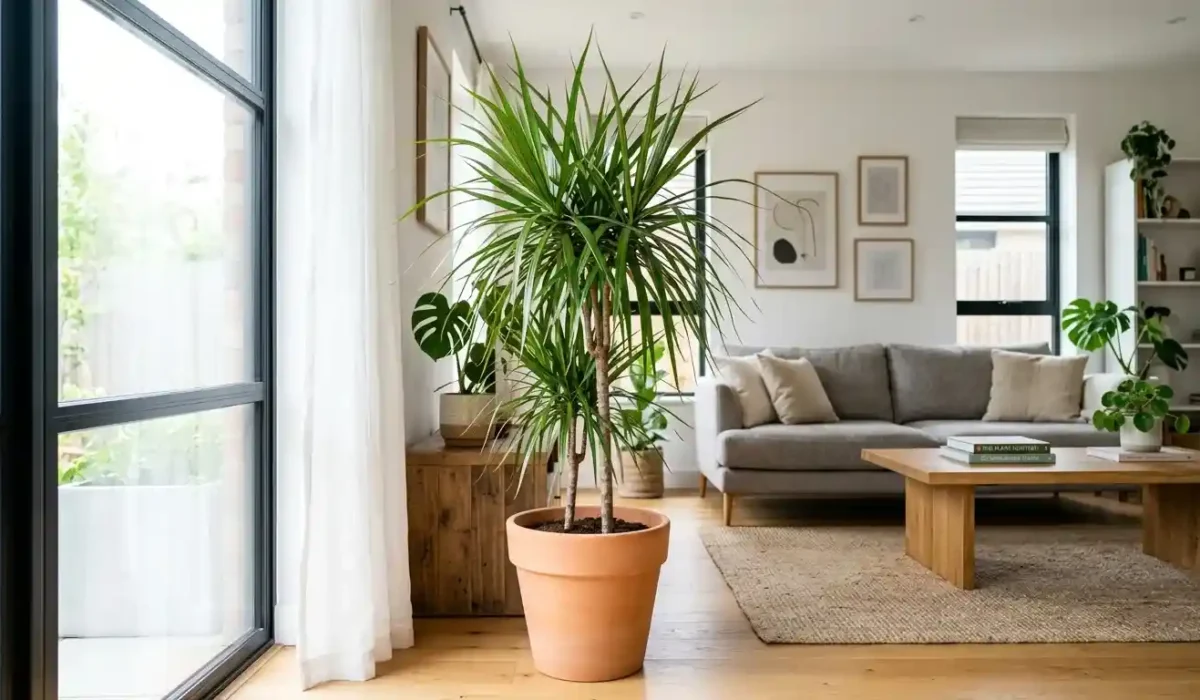
Dracaena Plant Indoor Benefits, Care, Meaning & Propagation
Introduction
The dracaena plant is one of the most popular indoor houseplants due to its attractive foliage, adaptability, and low-maintenance care requirements. Belonging to the genus Dracaena, these tropical plants are widely grown in homes, offices, and commercial spaces around the world. Popular varieties include Dracaena marginata, Dracaena fragrans, and Dracaena sanderiana, commonly known as lucky bamboo. Their ability to thrive in indoor conditions, combined with their air-purifying qualities and ornamental appeal, makes them a preferred choice for both beginner and experienced plant owners. This guide covers dracaena plant indoor benefits, care requirements, placement, spiritual meaning, growth habits, and propagation methods.
Quick Summary
- Dracaena plants are proven air-purifying houseplants that help remove common indoor pollutants.
- They are low-maintenance plants that thrive in a wide range of indoor conditions.
- Dracaena is associated with positive energy, protection, and good fortune in various cultures.
- Most dracaena varieties prefer bright indirect light and moderate watering.
- They are easy to propagate and suitable for both beginners and experienced plant enthusiasts.
What Is the Dracaena Plant? (Overview & Key Varieties)
Common Dracaena Varieties Grown Indoors
The genus Dracaena contains more than 100 species of tropical plants and shrubs. Several varieties have become popular indoor plants because of their attractive appearance and ease of care.
Common indoor dracaena varieties include:
- Dracaena marginata (Dragon Tree): Known for its slender stems and narrow, arching leaves.
- Dracaena sanderiana (Lucky Bamboo): Frequently used in feng shui practices despite not being a true bamboo.
- Dracaena fragrans (Corn Plant): Features broad green leaves and exceptional indoor adaptability.
- Dragon Tree: Another common name often associated with Dracaena marginata.
Many people use the terms “dragon plant” and “dragon tree” interchangeably when referring to Dracaena marginata. Meanwhile, lucky bamboo belongs to the dracaena genus despite its common name.
Is Dracaena a Good Indoor Plant?
Yes, dracaena is considered one of the best indoor plants because it adapts well to indoor environments, tolerates low-light conditions, and requires relatively little maintenance.
Reasons dracaena is a good houseplant include:
- Tolerates lower light levels than many tropical plants
- Requires infrequent watering
- Adapts well to indoor temperatures
- Provides year-round ornamental value
- Helps improve indoor air quality
Its versatility makes it suitable for homes, offices, apartments, and commercial spaces. Dracaena is one of many adaptable plants covered in our broader Australian Plants Guide: Indoor Houseplants & Garden Design, including practical ideas for selecting plants for your home.
Dracaena Plant Indoor Benefits
Air Purification Benefits
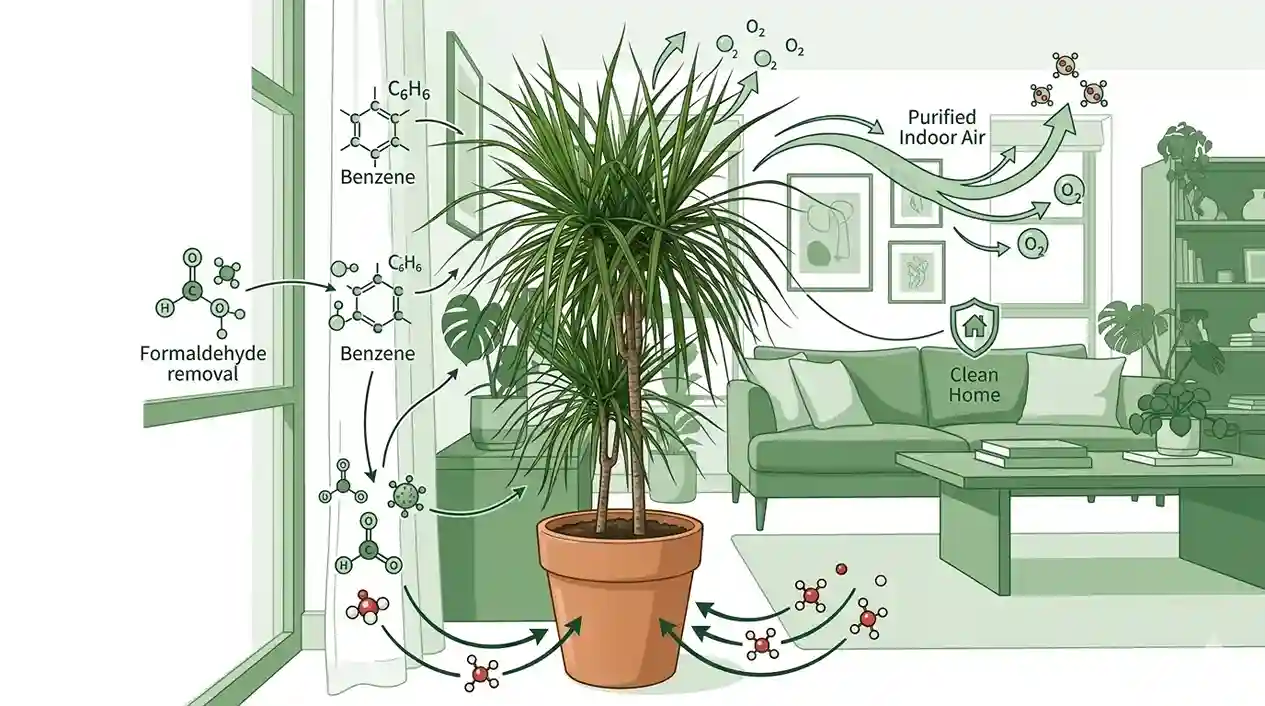
One of the most recognized dracaena benefits is its contribution to indoor air quality. The NASA Clean Air Study identified several dracaena species as effective at helping remove airborne pollutants from enclosed environments. For a deeper look at other air-purifying, low-maintenance houseplants, browse our Indoor Air-Purifying Plant Reference Database. It’s a growing collection of plant profiles organized by care difficulty and air-quality benefits.
Dracaena may help filter:
- Formaldehyde
- Benzene
- Trichloroethylene
- Xylene
These compounds are commonly released from furniture, paint, adhesives, carpets, and household products. While houseplants alone cannot completely purify indoor air, they can contribute to a healthier indoor environment when combined with proper ventilation. For a broader look at how different houseplants can support indoor air quality, wellbeing, humidity and the home environment, see our guide to the benefits of indoor plants. Dracaena is often grouped with other popular air-purifying houseplants that help create a healthier indoor environment. 10 Benefits of Snake Plant for Home and Health explores another low-maintenance plant known for improving indoor spaces.
Dracaena Plant Indoor Benefits for Skin
Dracaena plant indoor benefits for skin are primarily indirect rather than direct.
Improved indoor environments may support healthier skin by:
- Reducing airborne pollutants
- Increasing humidity levels slightly
- Creating cleaner indoor air conditions
- Reducing environmental stressors
Healthier indoor air can help minimize dryness and irritation associated with poor indoor environmental quality. However, dracaena should not be viewed as a skincare treatment. Indoor plants contribute to a healthier living environment in different ways, from improving air quality to providing pleasant natural aromas. Read about Vicks Plant Benefits: What This Fragrant Herb Can Do for You to explore another plant valued for its refreshing qualities.
Mental Health and Wellbeing Benefits

Research on biophilic design suggests that indoor plants can positively influence mental wellbeing. Dracaena contributes to a more natural indoor environment, which may help reduce stress and improve concentration.
Potential wellbeing benefits include:
- Improved mood
- Reduced stress levels
- Enhanced focus and productivity
- Increased feelings of relaxation
In our experience growing dracaena indoors, plants placed near workspaces often create a calmer and more visually appealing environment. Many homeowners also use dracaena in bedrooms and living rooms to introduce greenery without demanding maintenance requirements. Many homeowners combine dracaena with calming indoor plants to create a relaxing and stress-free atmosphere. Learn more about the Benefits of Lavender Plant at Home and how it supports comfort and wellbeing indoors.
Dracaena Plant Indoor Benefits and Side Effects
Dracaena offers numerous benefits, but it is important to understand its limitations and potential side effects.
Benefits include:
- Air purification
- Decorative appeal
- Low maintenance requirements
- Stress reduction
- Feng shui value
Potential side effects include:
- Mild toxicity if ingested
- Gastrointestinal irritation in pets
- Possible vomiting or drooling in animals
For humans, accidental ingestion typically results in only mild symptoms. Pets, however, are more sensitive to compounds found in the plant.
Dracaena Plant Spiritual Meaning
What Does the Dracaena Plant Symbolize?
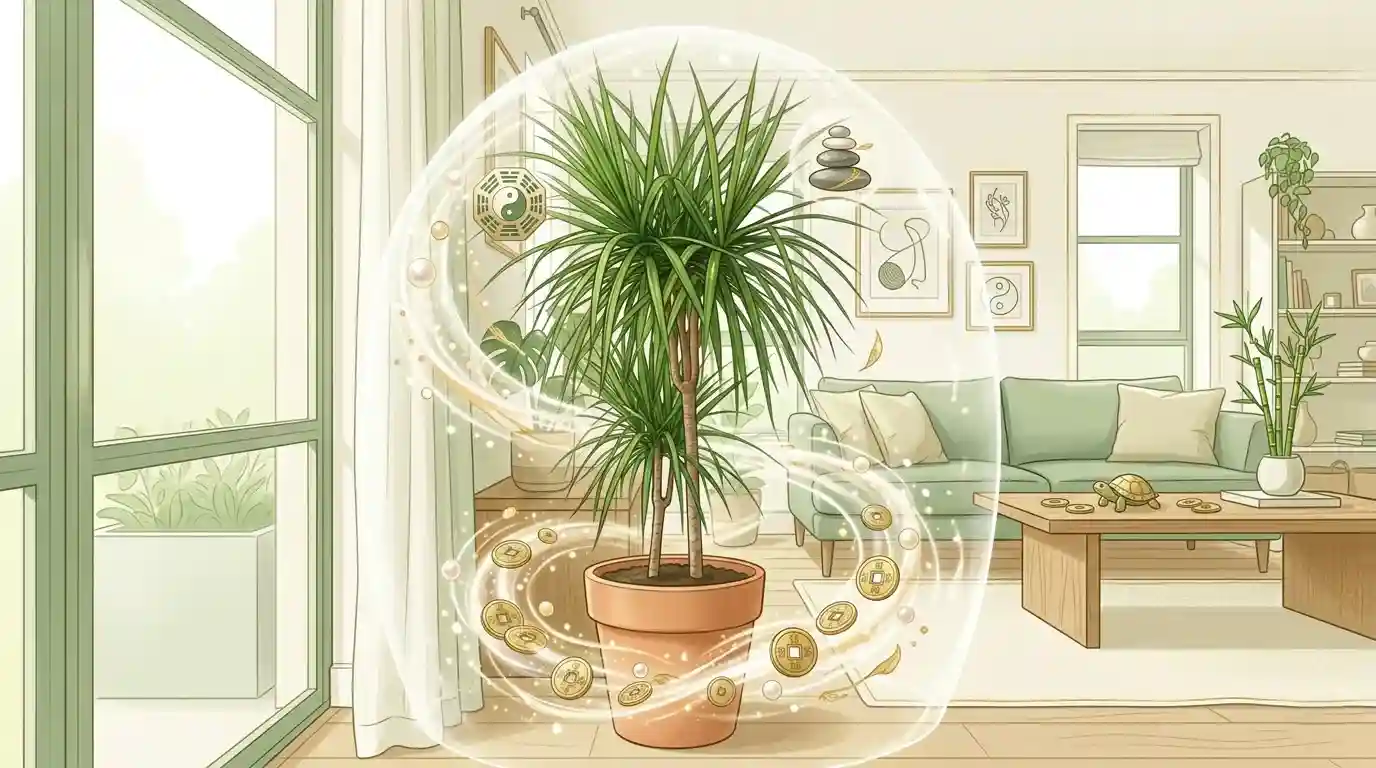
The dracaena plant symbolizes strength, resilience, protection, prosperity, and good fortune in many traditions.
The name “dracaena” originates from the Greek word meaning “female dragon.” Historically, dragon-themed symbolism has been associated with protection, courage, and power.
Many people consider dracaena a good luck plant because it is believed to:
- Attract positive energy
- Represent personal growth
- Encourage prosperity
- Symbolize endurance
As a result, dracaena is frequently given as a housewarming or office gift.
Dracaena Plant Indoor Benefits — Feng Shui
In feng shui, dracaena is valued for its ability to attract positive chi energy.
Common feng shui placement recommendations include:
- Southeast area for wealth and abundance
- Entryways for protection and positive energy
- Living rooms for harmony and balance
- Home offices for productivity and focus
Elemo Baker recommends positioning dracaena in bright areas with indirect light to support both plant health and feng shui goals.
Where Should You Place Dracaena in Your Home?
Best Room Placement for Dracaena Indoors
The best place to put dracaena indoors is in a location with bright, indirect light.
Suitable rooms include:
- Living rooms
- Home offices
- Bedrooms
- Entryways
When selecting a location, ensure the plant receives sufficient light while remaining protected from harsh afternoon sun.
What Plants Should Not Go in the Bedroom?
Most houseplants, including dracaena, are suitable for bedrooms.
Plants that may be less suitable for some bedrooms include:
- Strongly fragrant flowering plants
- Plants that trigger allergies
- Large plants that significantly reduce available space
Dracaena is generally considered bedroom-friendly because of its air-filtering qualities and low maintenance requirements.
Is the Dracaena Plant Good for Home?
Yes, the dracaena plant is an excellent choice for homes.
Benefits include:
- Improved indoor aesthetics
- Better indoor air quality
- Positive symbolic meaning
- Minimal maintenance
- Adaptability to indoor conditions
These qualities make dracaena one of the most versatile houseplants available. While dracaena is valued mainly for its ornamental and air-quality benefits, some plants are appreciated for both wellness and traditional uses. Discover the Leaf of Life Plant Benefits, Uses, Tea & Care Guide to learn about another versatile household plant.
Dracaena Plant Care Indoors
Light Requirements
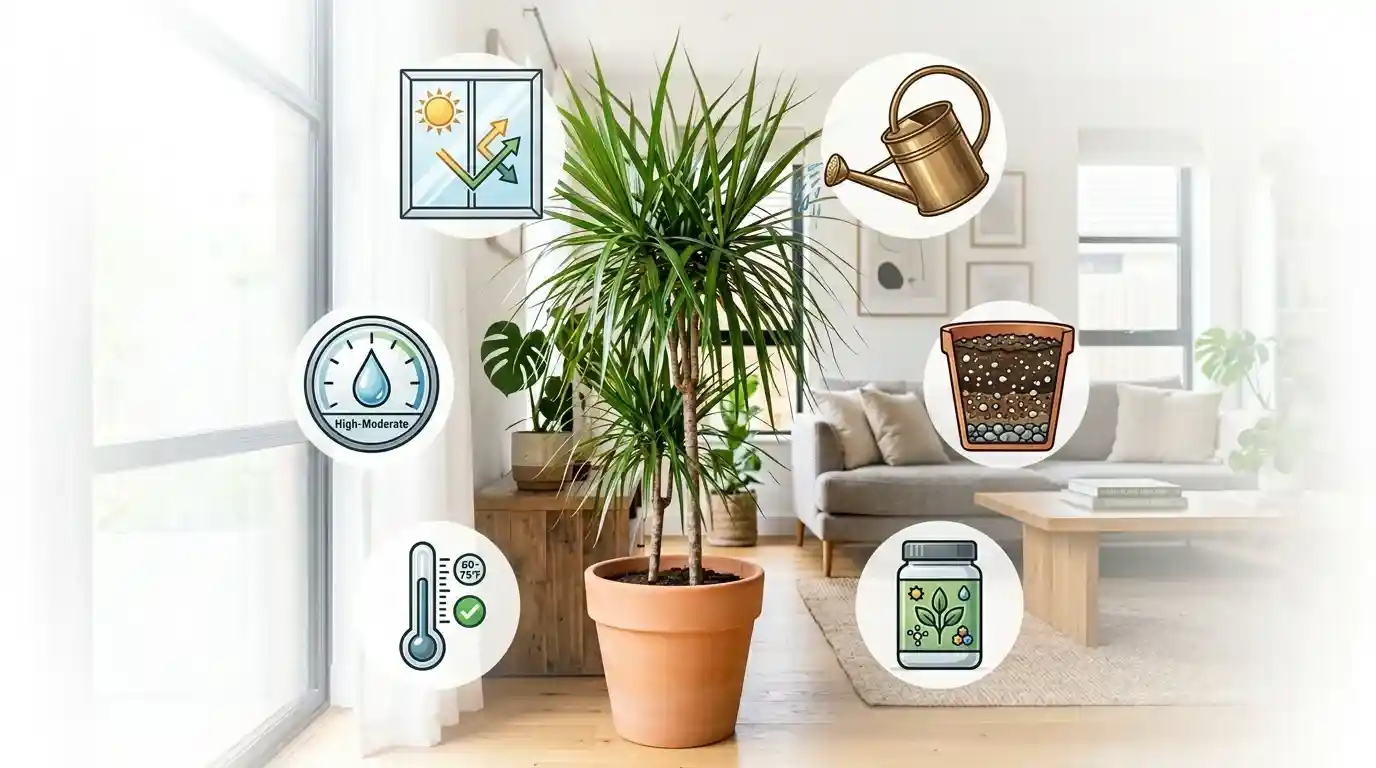
Dracaena grows best in bright, indirect light but can tolerate lower-light conditions.
Too much direct sunlight may cause:
- Leaf scorch
- Brown patches
- Faded foliage color
For optimal growth, place dracaena near a bright window with filtered sunlight.
Watering Needs
Dracaena prefers slightly dry conditions and generally performs better when underwatered rather than overwatered.
Watering guidelines:
- Allow the top layer of soil to dry before watering
- Water thoroughly but avoid waterlogged soil
- Reduce watering during winter
Dracaena is sensitive to fluoride found in some tap water. Using filtered or distilled water may help prevent brown leaf tips.
Soil and Fertilization
Dracaena requires well-draining soil that retains moderate moisture.
A suitable mix typically contains:
- Potting soil
- Perlite
- Pine bark or similar amendments
Fertilize lightly during spring and summer using a balanced houseplant fertilizer. Reduce feeding during autumn and winter when growth slows.
Temperature and Humidity
Ideal temperatures range from 65–80°F (18–27°C).
Dracaena prefers:
- Moderate humidity
- Stable temperatures
- Protection from cold drafts
As of 2026, indoor growers continue to recommend maintaining consistent temperatures for optimal growth and foliage quality.
Pruning and Maintenance
Pruning helps maintain shape and encourages fresh growth.
Maintenance tasks include:
- Removing yellow leaves
- Trimming damaged foliage
- Cutting back overly tall stems
In our experience, occasional pruning helps dracaena maintain a fuller and more attractive appearance.
Dracaena Plant Size and Growth Rate
How Big Does Dracaena Grow Indoors?
Indoor size varies by species.
Typical indoor sizes:
| Variety | Typical Indoor Height |
| Dracaena marginata | 4–6 feet |
| Dracaena fragrans | 4–6 feet |
| Dracaena reflexa | 3–6 feet |
| Dracaena sanderiana | 2–4 feet |
Pot size, light levels, and care practices significantly influence final size.
How Fast Does Dracaena Grow?
Dracaena is generally classified as a slow-to-moderate grower.
Growth rates depend on:
- Light availability
- Watering practices
- Fertilization
- Temperature
- Humidity
Most growth occurs during spring and summer.
How to Propagate Dracaena
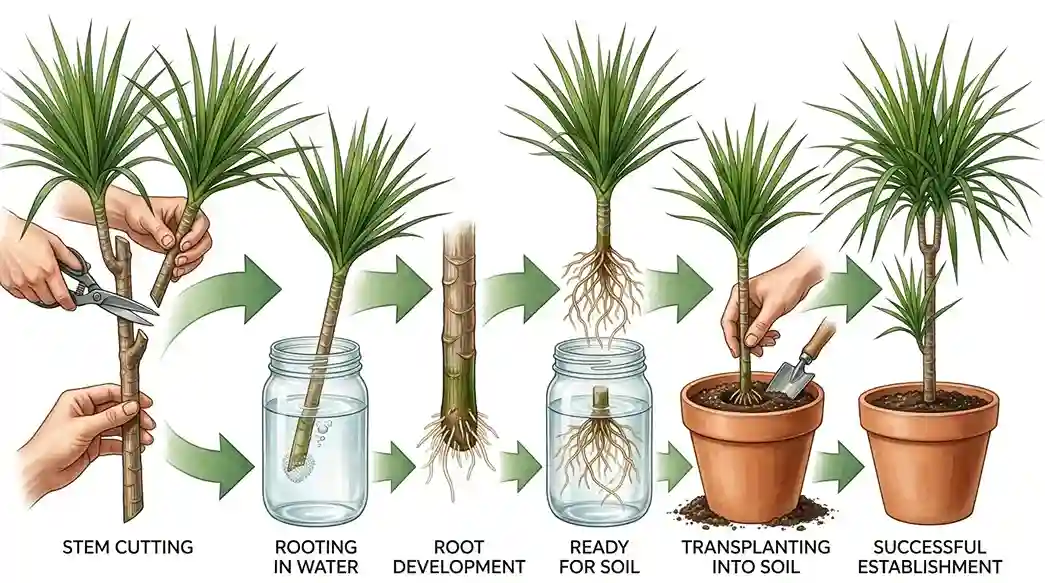
Dracaena Propagation Methods
Dracaena can be propagated through several methods:
- Stem cuttings
- Tip cuttings
- Air layering
Spring and early summer are typically the best times for propagation because plants are actively growing.
Step-by-Step Guide to Propagating Dracaena from Cuttings
Follow these steps:
- Select a healthy stem.
- Cut a section using sterilized pruners.
- Allow the cut end to dry briefly.
- Place the cutting in water or moist soil.
- Keep it warm and in bright indirect light.
- Wait for roots to develop.
Root formation often occurs within 2–8 weeks depending on environmental conditions.
Is Dracaena Toxic to Dogs and Pets?
Yes, dracaena is toxic to dogs and cats because it contains naturally occurring compounds called saponins.
Common symptoms include:
- Vomiting
- Drooling
- Loss of appetite
- Lethargy
- Dilated pupils in cats
Dracaena Toxicity Overview
| Subject | Toxicity Level | Common Symptoms |
| Dogs | Mild–Moderate | Vomiting, drooling, lethargy |
| Cats | Mild–Moderate | Vomiting, dilated pupils |
| Humans | Very Low | Mild GI irritation if ingested |
Pet owners should place dracaena in locations inaccessible to animals.
Common Dracaena Problems and How to Fix Them
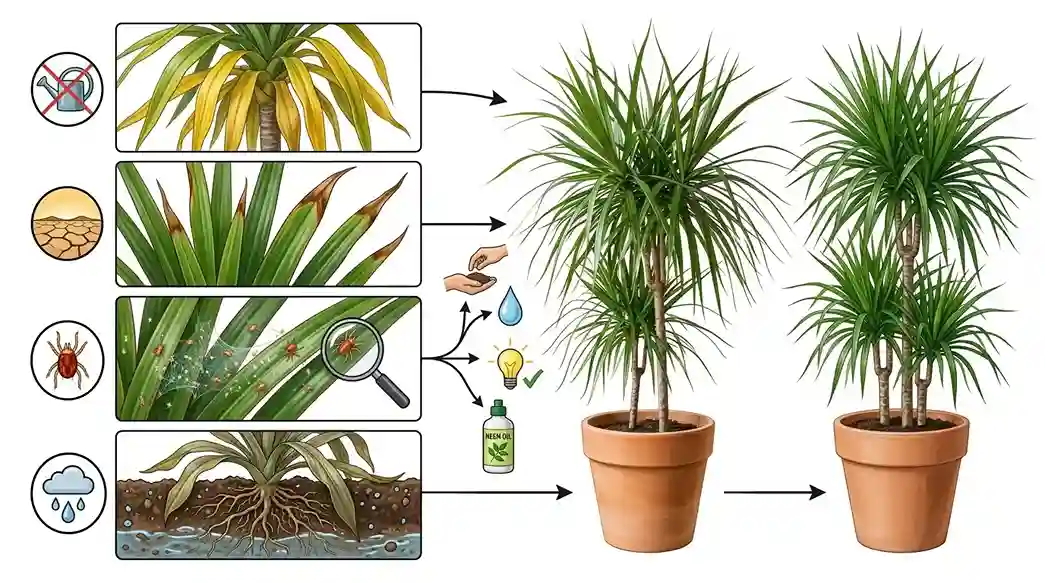
Why Are My Dracaena Leaves Turning Yellow or Brown?
Yellow or brown leaves are usually caused by environmental stress.
Common causes include:
- Overwatering
- Fluoride toxicity
- Low humidity
- Root rot
- Excessive sunlight
Solutions include adjusting watering practices, using filtered water, and improving environmental conditions.
Common Pests Affecting Dracaena Indoors
Indoor dracaena may occasionally attract:
- Spider mites
- Mealybugs
- Scale insects
Treatment options include:
- Insecticidal soap
- Neem oil
- Manual removal
- Improved airflow
Regular inspections help prevent serious infestations.
Beginner Mistakes When Caring for Dracaena
Common mistakes include:
- Overwatering
- Using high-fluoride tap water
- Placing plants in direct sunlight
- Repotting too frequently
Elemo Baker recommends focusing on consistent care rather than excessive intervention, as dracaena generally performs best when left relatively undisturbed.
Dracaena Indoors vs. Outdoors — Which Is Better?
| Factor | Indoors | Outdoors |
| Light | Indirect light preferred | Partial shade required |
| Growth Rate | Slower | Faster |
| Size | Limited by pot | Can exceed 10 feet |
| Climate Sensitivity | Controlled environment | Cold-sensitive below 50°F |
| Best For | Year-round display | Warm climates (USDA Zone 10–12) |
For most gardeners, indoor growing provides the greatest flexibility and protection. Outdoor cultivation is best suited to frost-free regions. If you’d like to compare these growth and care factors across more species, check our Indoor Plant Comparison Database spreadsheet. It lays out light, humidity, and growth-rate data in one sortable view for quick side-by-side reference.
Dracaena Plant Varieties — A Quick Comparison
| Variety | Common Name | Key Benefit | Toxicity to Pets |
| Dracaena marginata | Dragon Tree | Air purification, architectural look | Yes (mild) |
| Dracaena sanderiana | Lucky Bamboo | Feng shui, luck symbol | Yes (mild) |
| Dracaena fragrans | Corn Plant | Broad leaves, easy care | Yes (mild) |
| Dracaena reflexa | Song of India | Decorative foliage | Yes (mild) |
Each variety offers unique ornamental and practical benefits while maintaining the low-maintenance characteristics associated with the dracaena genus. If you enjoy unique foliage plants, dracaena is not the only decorative option suitable for indoor growing. Explore Purple Passion Plant Benefits: Health, Care & Uses to learn about another eye-catching houseplant with distinctive features. If you’re weighing Dracaena against other low-maintenance options, our Indoor Houseplant Comparison Reference breaks down light, water, and toxicity data side by side. It’s a handy sortable table for matching plant care needs to your specific home setup.
Conclusion
The dracaena plant remains one of the most versatile and rewarding indoor plants available. Its benefits extend beyond aesthetics, offering air purification, support for indoor environmental quality, stress-reducing greenery, and meaningful cultural symbolism. Whether grown for its feng shui associations, attractive foliage, or ease of care, dracaena adapts well to a wide range of indoor environments.
Its low-maintenance requirements make it suitable for beginners, while its variety of forms and growth habits appeal to experienced plant enthusiasts. With proper placement, occasional maintenance, and careful watering, dracaena can thrive for many years. It is also easy to propagate, making it a practical and rewarding addition to almost any indoor space.
Frequently Asked Questions (FAQs)
What are the main benefits of keeping a dracaena plant indoors?
The main benefits include improved indoor air quality, attractive foliage, low-maintenance care, stress reduction, and positive feng shui associations. Dracaena is also adaptable to many indoor environments.
Is the dracaena plant good for bedrooms?
Yes, dracaena is generally considered a suitable bedroom plant because it helps create a calming atmosphere, tolerates indoor conditions, and contributes to improved indoor environmental quality.
What does the dracaena plant mean spiritually?
Spiritually, dracaena symbolizes strength, protection, resilience, prosperity, and good fortune. It is commonly associated with positive energy and feng shui principles.
Are dracaena plants toxic to dogs and cats?
Yes. Dracaena contains saponins that can cause vomiting, drooling, lethargy, and other mild-to-moderate symptoms in dogs and cats. Pet owners should keep the plant out of reach.
How do you propagate a dracaena plant from cuttings?
Take a healthy stem cutting, place it in water or moist soil, provide bright indirect light, and maintain warmth. Roots usually develop within several weeks.
Can dracaena be grown both indoors and outdoors?
Yes. Dracaena can be grown outdoors in warm, frost-free climates. In cooler regions, indoor cultivation is generally the preferred option.
Where is the best place to put a dracaena plant in the house according to feng shui?
According to feng shui principles, the southeast area of the home is associated with wealth and prosperity, while entryways are often recommended for protection and positive energy flow.
8 Comments