


Katuk Plant Benefits: Nutrition, Uses & Care Guide
Introduction
Katuk plant benefits include its high nutritional value, edible leaves, and versatility in the kitchen. Katuk (Sauropus androgynus) is a leafy, nutrient-dense perennial shrub commonly known as sweet leaf or star gooseberry. Native to Southeast Asia, it has long been grown for its tender shoots and leaves and is now becoming popular in Australian home gardens. Katuk is valued for its protein-rich foliage, vitamins, and traditional culinary uses. However, safe preparation is important because excessive consumption of raw katuk—particularly as concentrated juice—has been linked to health risks. When enjoyed in moderation and cooked appropriately, katuk can be a nutritious addition to a balanced diet.
By Elemo Baker | Plant Care & Gardening Expert
Last Updated: July 2026
Quick Summary
- Katuk is a nutrient-rich leafy shrub containing protein, vitamins A and C, calcium, and iron.
- It has been traditionally used throughout Southeast Asia as both a vegetable and a wellness plant.
- Young leaves, shoots, and berries are edible and suitable for soups, stir-fries, and other cooked dishes.
- Moderate consumption of cooked katuk is generally preferred, while excessive raw juice should be avoided.
What Is Katuk?
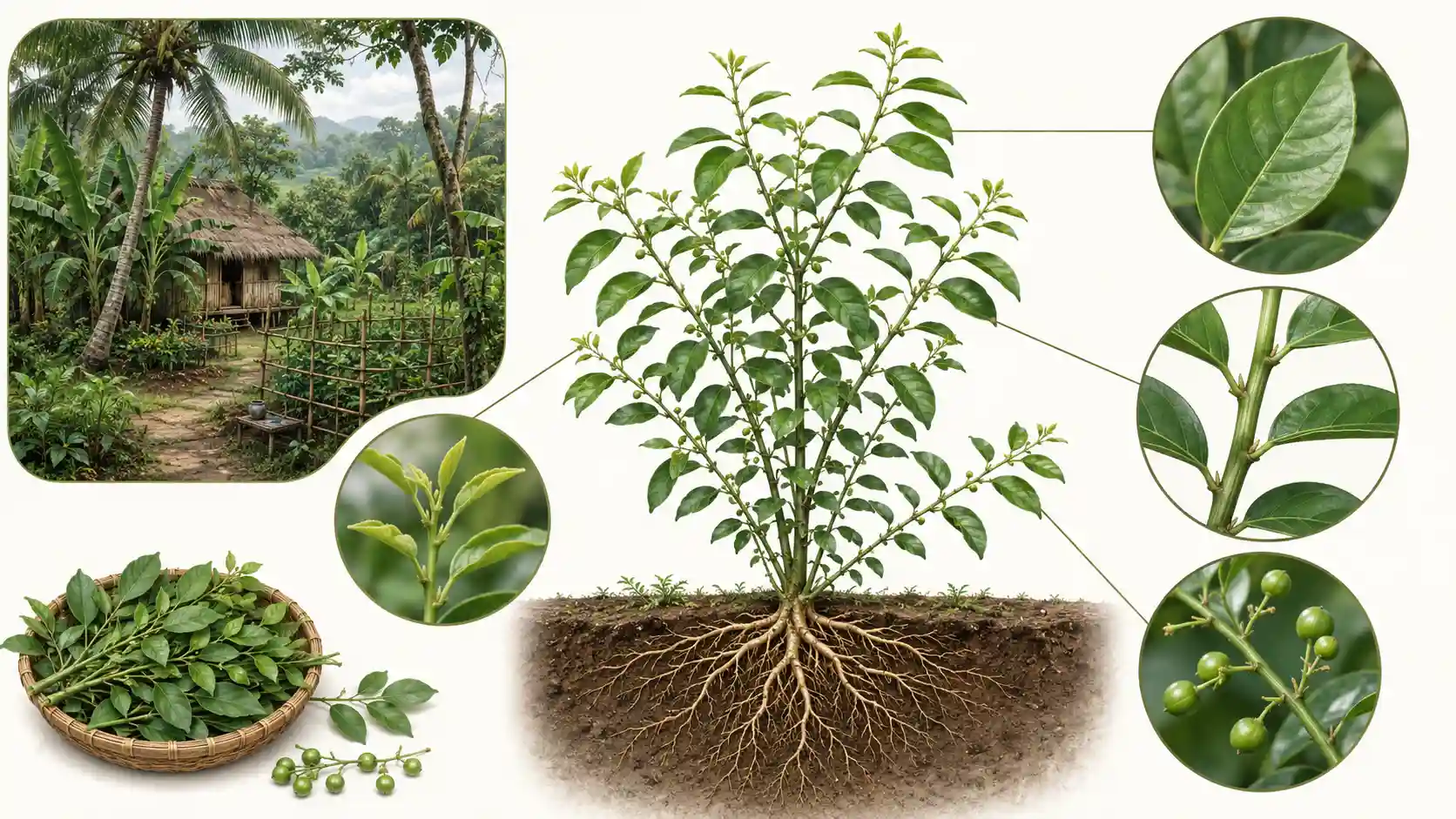
The botanical classification and scientific background of katuk (Sauropus androgynus) are documented in botanical references, including its classification within the Phyllanthaceae family. It is widely cultivated for its edible leaves and tender stems, which are commonly used in Malaysian, Indonesian, Thai, and Vietnamese cooking. The plant grows quickly in warm climates and adapts well to many Australian subtropical and tropical gardens.
English Name and Common Names for Katuk
The English name for katuk is commonly sweet leaf, although it is also known as star gooseberry, multivitamin leaf, and simply Sauropus androgynus. In Malay and Indonesian, it is called daun katuk, meaning “katuk leaves.”
Where the Katuk Plant Comes From
Katuk originated in Southeast Asia, where it has been cultivated for centuries. It naturally grows in countries including Indonesia, Malaysia, Thailand, and Vietnam. Although katuk is grown in parts of Florida, it is not native to Florida. Instead, it is considered an introduced or naturalised plant in suitable warm climates.
Katuk Plant Benefits
Katuk is recognised for its impressive nutritional profile and has traditionally been valued as both a leafy vegetable and a nutritious home garden crop. Similar to other edible plant leaves explored by gardeners, such as avocado leaves, katuk should always be researched carefully before consumption because preparation methods and safety considerations vary between plant species.
Katuk is one of several nutrient-dense edible plants worth adding to your garden — explore more in our guide to plant benefits and natural wellness.
Is Katuk High in Protein?
Yes. Katuk contains more protein than many common leafy greens on a fresh-weight basis. While it is not a replacement for legumes or animal protein, it contributes meaningful plant protein alongside fibre, vitamins, and minerals.
Katuk Nutrition Facts
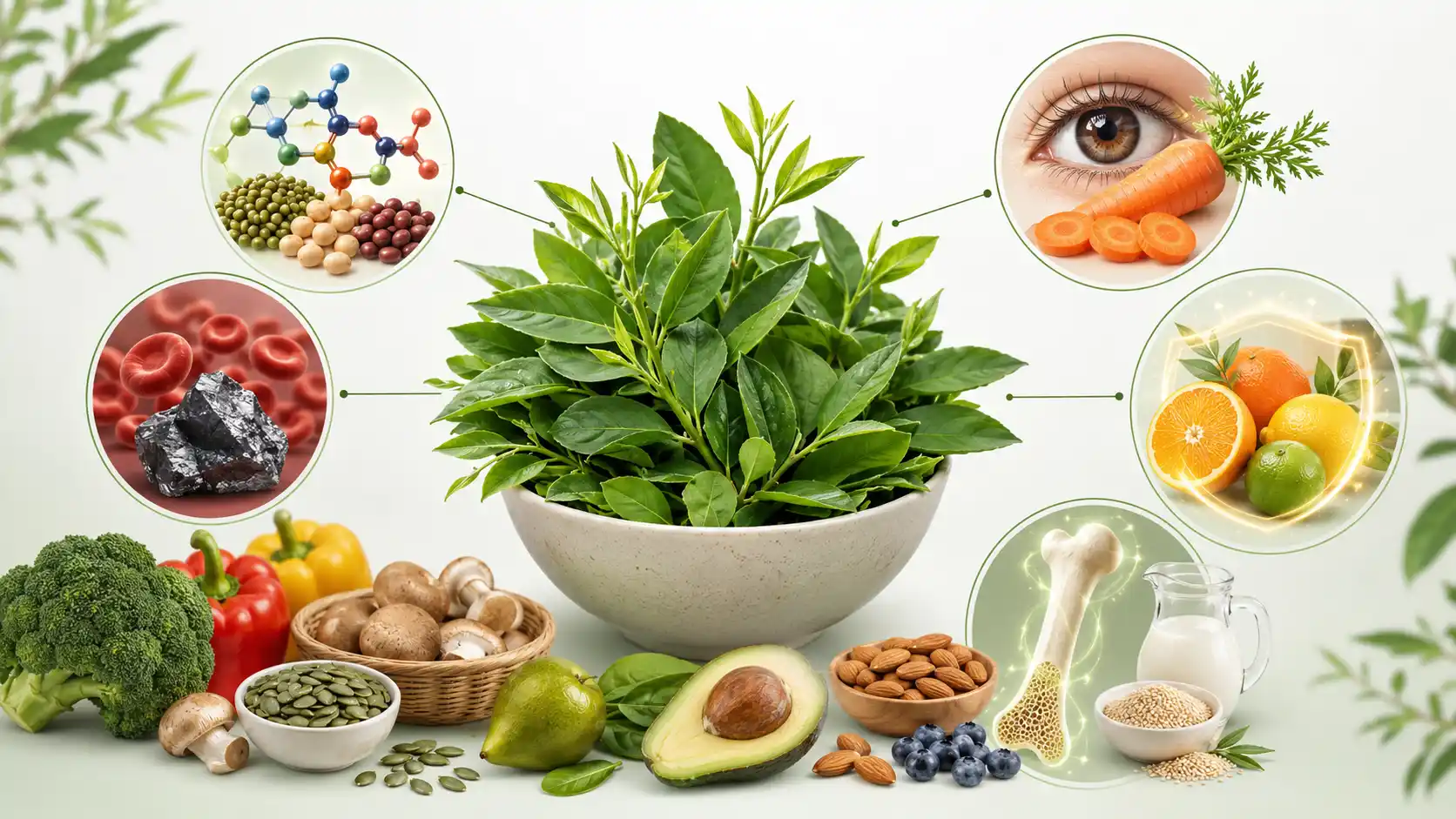
| Nutrient (per 100 g fresh leaves) | Approximate Amount |
| Protein | 6–7 g |
| Vitamin A | High |
| Vitamin C | Moderate to High |
| Calcium | High |
| Iron | Moderate |
Nutrient values vary depending on growing conditions and leaf maturity.
Katuk Plant Benefits for Skin
Katuk leaves contain antioxidants, vitamin A, and vitamin C, which support healthy skin by contributing to normal collagen production and protecting cells from oxidative stress. Eating a varied diet that includes nutrient-rich leafy vegetables may help maintain healthy skin.
Is Katuk Considered a Superfood?
Katuk is often described as a superfood because of its nutrient density. Although “superfood” is a marketing term rather than a scientific classification, katuk offers an excellent combination of protein, vitamins, minerals, and antioxidants, making it a highly nutritious leafy vegetable.
In our experience growing katuk, regular harvesting of young shoots produces the most tender and nutritious leaves.
Traditional and Medicinal Uses of Katuk
Katuk has a long history in traditional Southeast Asian medicine. It has commonly been consumed by new mothers as part of traditional diets intended to support breast milk production. It has also been used historically for general wellness and as a nutrient-rich vegetable.
Modern research continues to investigate these traditional uses, but they should not be considered proven medical treatments. Katuk should be viewed primarily as a nutritious food rather than a medicine. Many leafy plants used traditionally as food sources have gained attention for their nutritional value, including goosefoot, another edible plant studied for its uses, nutrition, and safe preparation methods.
Elemo Baker recommends relying on balanced nutrition and consulting a healthcare professional before using any plant for therapeutic purposes.
What Does Katuk Taste Like?
Katuk leaves have a mild, pleasant flavour that is often described as slightly nutty with hints of fresh peas or young asparagus. The tender shoots are crisp and mildly sweet, making them suitable for both cooked dishes and limited fresh use.
Katuk berries are small and mildly sweet when ripe, although the leaves remain the most commonly eaten part of the plant.
Can You Eat Katuk Leaves and Berries?
Yes. Both katuk leaves and berries are edible when properly prepared and consumed in moderation. Gardeners interested in edible ornamental and useful plants can also explore other species with culinary potential, such as the magenta plant, which combines attractive growth with traditional uses.
Can You Eat Katuk Leaves Raw?
Yes, but only in small amounts. Large quantities of raw katuk—especially concentrated raw juice—should be avoided due to documented health concerns. Cooking is generally considered the safer preparation method.
How to Eat Katuk Berries
Ripe berries can be eaten fresh or added to salads. Although edible, they are less commonly consumed than the young leaves and shoots.
How to Cook Katuk Leaves
Popular cooking methods include:
- Light stir-frying
- Adding to soups
- Steaming
- Mixing into vegetable curries
- Cooking with garlic and other leafy greens
Cooking helps reduce naturally occurring compounds associated with excessive raw consumption.
Katuk Leaves Recipe Ideas
Katuk is a versatile cooking green suitable for many everyday meals.
Popular recipe ideas include:
- Garlic stir-fried katuk leaves
- Chicken and katuk soup
- Coconut milk vegetable curry
- Omelettes with chopped katuk
- Mixed Asian vegetable stir-fries
As of 2026, many Australian home gardeners prefer harvesting young shoots every one to two weeks because they remain softer and develop a sweeter flavour.
Are There Side Effects of Eating Katuk?
Yes. Excessive consumption of raw katuk juice has been linked to bronchiolitis obliterans, a rare but serious lung condition reported during the 1990s in Taiwan. The cases were associated with drinking very large amounts of uncooked katuk juice for weight loss.
How Much Katuk Can You Safely Eat Daily?
There is no universally established daily intake. Most experts recommend enjoying katuk as part of a varied diet in moderate servings rather than consuming large quantities daily. Cooked leaves are generally preferred over concentrated raw preparations.
Why Cooking Reduces Risk
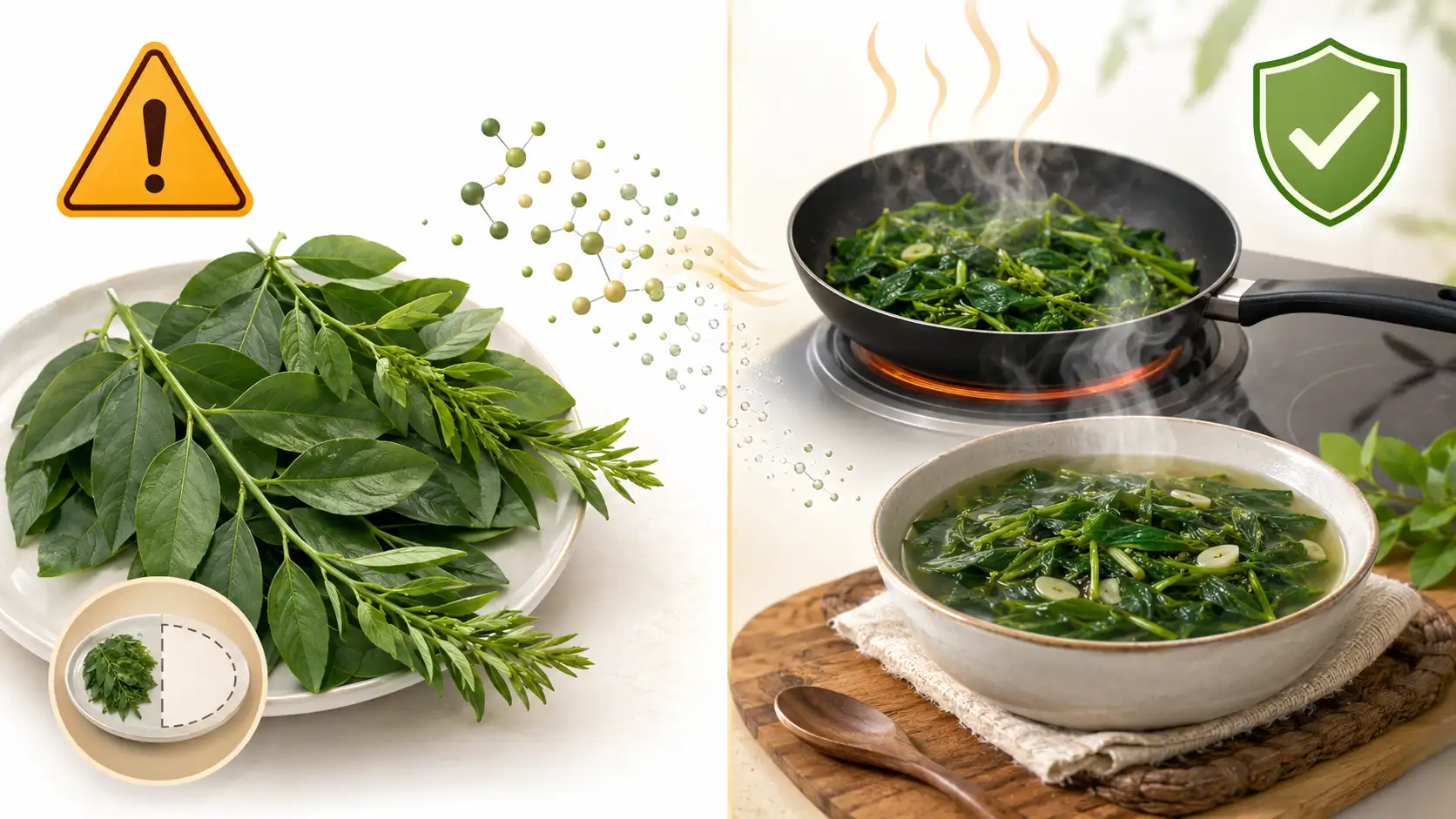
Heat reduces certain naturally occurring compounds found in fresh katuk leaves. While cooking does not eliminate every compound, it significantly lowers the risk associated with excessive raw consumption and remains the recommended preparation method.
Growing the Katuk Plant
Katuk is an easy-to-grow shrub suited to frost-free Australian regions.
How Big Does a Katuk Plant Get?
A mature katuk plant typically reaches 2–3 metres outdoors. Container-grown or indoor plants generally remain smaller, around 1–1.5 metres, depending on pruning and growing conditions.
Katuk Growing Zone and Hardiness
Katuk grows best in tropical and subtropical climates. In Australia, it performs well in warm, humid regions and should be protected from frost. Katuk is one example of an edible plant suitable for home gardens, alongside many other fruit trees and edible plants that can be grown across suitable Australian climates.
How to Harvest Katuk
Harvest young shoots by pinching or cutting the growing tips. Frequent harvesting encourages bushier growth and continuous leaf production.
Katuk Cuttings and Propagation
Katuk is easily propagated from stem cuttings planted in moist, well-drained soil. Seeds can also be used, although cuttings usually establish faster.
Katuk Plant Care Guide
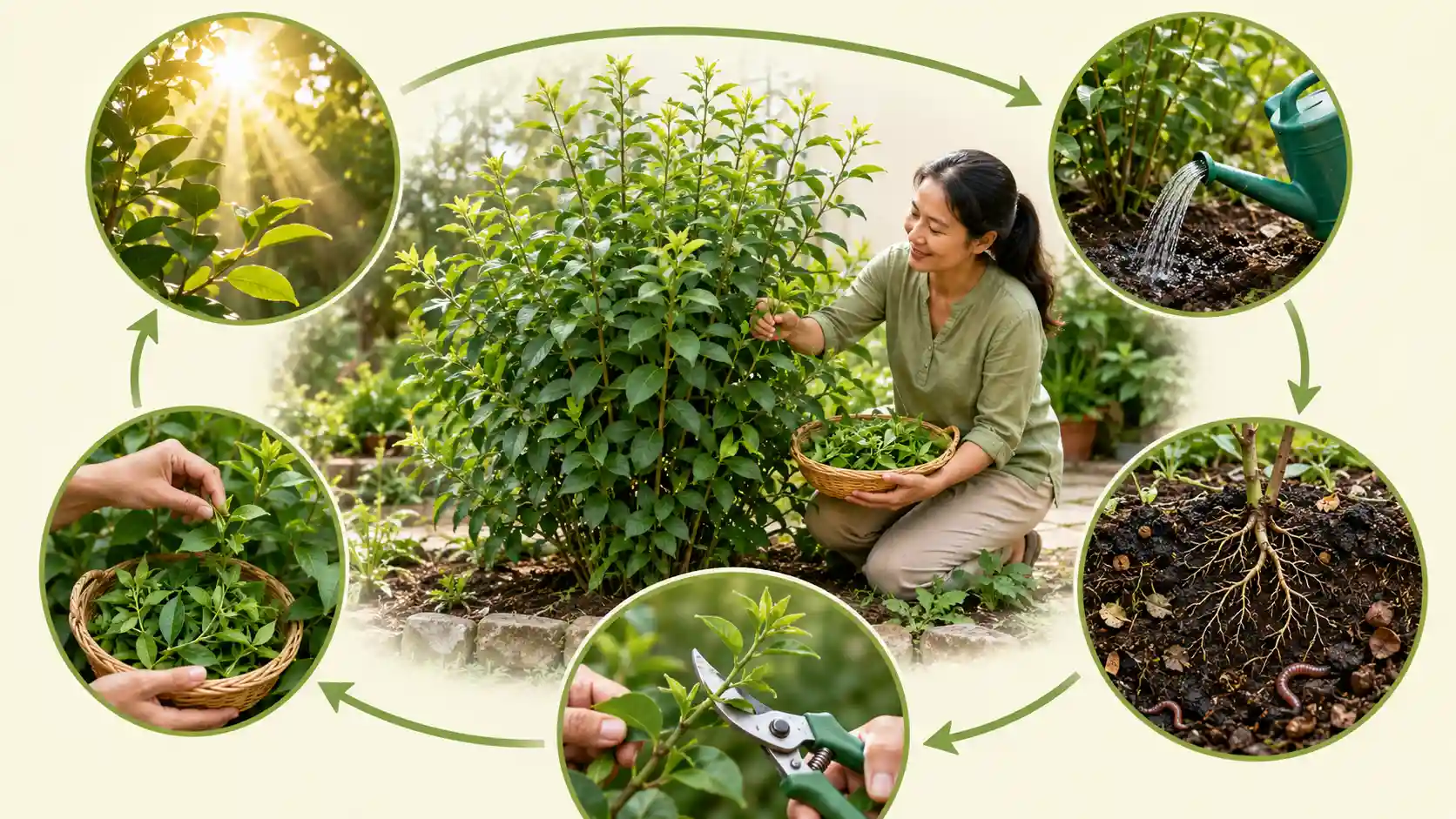
Katuk thrives with simple care.
- Water consistently while avoiding waterlogged soil.
- Grow in partial shade or filtered sunlight.
- Use fertile, well-drained soil enriched with compost.
- Apply a balanced fertiliser during the growing season.
- Prune regularly to maintain compact growth and encourage fresh shoots.
Understanding plant requirements such as light, soil, watering, and climate suitability is essential for successful gardening, whether growing katuk or other Australian indoor and outdoor plants.
In our experience, mulching around the base helps retain soil moisture during Australia’s warmer months while reducing weed growth.
Is Katuk Good for Chickens?
Yes. Katuk leaves are sometimes fed to chickens and other livestock as a nutritious green supplement. They provide vitamins and minerals and can contribute variety to poultry diets. However, katuk should be offered as a supplement rather than the sole feed source, ensuring birds continue receiving a complete, balanced poultry ration.
Common Beginner Mistakes and Troubleshooting
Common mistakes include:
- Overwatering, leading to root problems.
- Drinking excessive raw katuk juice instead of cooking the leaves.
- Growing the plant in cold or frost-prone locations.
- Harvesting too early before plants establish strong growth.
- Allowing shrubs to become woody without regular pruning.
Addressing these issues helps maintain healthy plants and improves leaf production throughout the growing season.
Conclusion
Katuk plant benefits extend well beyond its attractive appearance. Sauropus androgynus provides protein, vitamins, minerals, and tender edible leaves that have been valued in Southeast Asian cuisine for generations. It is easy to grow in suitable Australian climates, productive in home gardens, and highly versatile in the kitchen. By preparing katuk safely—preferably by cooking the leaves and avoiding excessive raw juice consumption—you can enjoy its nutritional value while minimising potential risks.
FAQs
Can you eat katuk leaves raw?
Yes, but only in small amounts. Cooked leaves are generally recommended because excessive raw consumption has been linked to health risks.
Are there any side effects of eating katuk?
Yes. Excessive intake of raw katuk juice has been associated with bronchiolitis obliterans. Moderate consumption of cooked leaves is considered the safer approach.
How much katuk can you safely eat daily?
There is no official daily limit. Eating moderate servings as part of a balanced diet is generally recommended instead of consuming large quantities.
What is the English name for katuk?
Katuk is commonly called sweet leaf, although it is also known as star gooseberry and Sauropus androgynus.
Is katuk native to Florida?
No. Katuk is native to Southeast Asia. Plants grown in Florida are introduced or naturalised rather than native.
Is katuk good for chickens?
Yes. Katuk can be fed to chickens as a nutritious leafy supplement, but it should complement a complete poultry diet rather than replace it.
1 Comment