

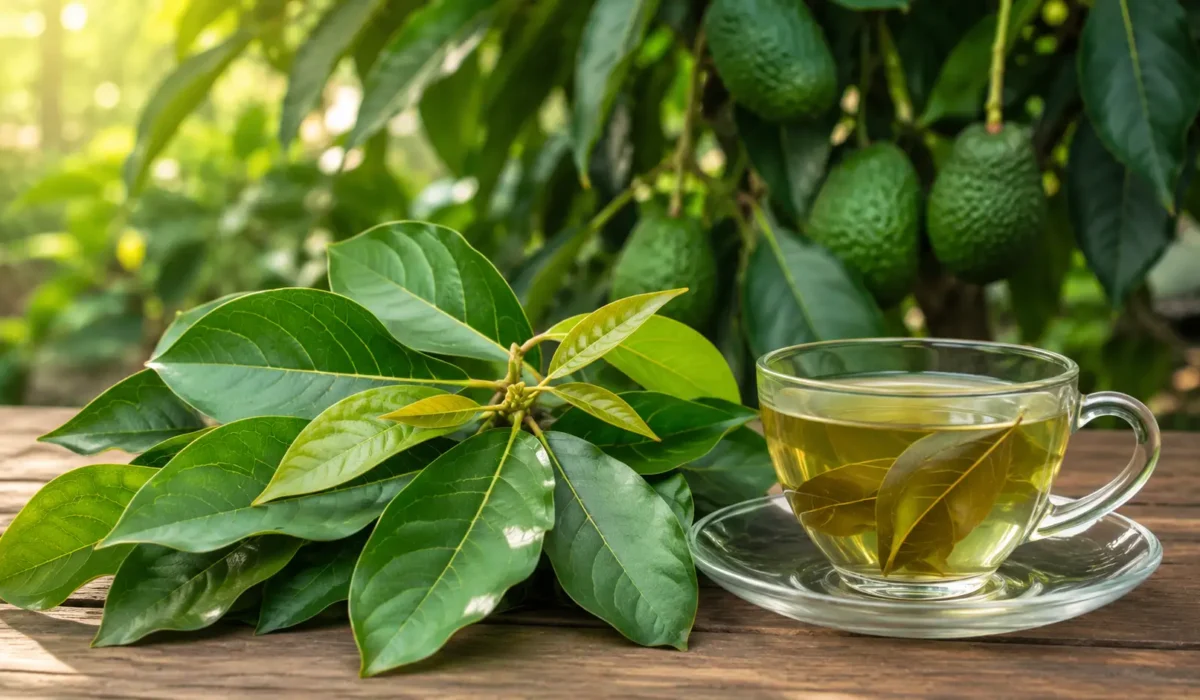
Avocado Leaves Benefits, Uses, Tea & Safety Guide
Introduction
Avocado leaves benefits have become a popular topic as more people explore traditional herbal teas and natural wellness practices. Avocado leaves come from the avocado tree (Persea americana) and have long been used in parts of Latin America, Africa, and other regions as a brewed tea or folk remedy. They contain naturally occurring plant compounds that have attracted scientific interest, but many claimed health benefits have not been confirmed by strong clinical studies. This article provides a balanced, evidence-aware overview of avocado leaf uses, potential benefits, safety concerns, and preparation methods. It is intended for educational purposes only and should not replace professional medical advice. Many other plants are also explored for their traditional uses and indoor benefits, such as the benefits of indoor plants for improving home environments and creating healthier green spaces.
Quick Summary
- Avocado leaves are traditionally brewed into tea and associated with several wellness uses, although strong clinical evidence remains limited.
- They naturally contain flavonoids, polyphenols, tannins, and persin, a compound linked to toxicity concerns in certain animals and situations.
- Safety matters as much as potential benefits, especially regarding dosage, pregnancy, medications, and kidney health.
- Fresh and dried leaves differ in potency, storage life, and brewing consistency, making preparation an important consideration.
What Are Avocado Leaves and Why Are They Used?
Avocado leaves are the leaves of the avocado tree, scientifically known as Persea americana. While most people recognize avocados for their nutrient-rich fruit, the leaves have also been valued in traditional herbal practices for generations.
Avocado belongs to the broader group of fruit-producing tropical plants, similar to other warm-climate species discussed in our guide to Australian Plants Guide: Indoor Houseplants & Garden Design, which covers plant selection and growing considerations.
In several Latin American, Caribbean, and African cultures, avocado leaves are commonly dried or lightly toasted before being brewed into tea. Traditional uses include supporting digestion, easing general discomfort, and promoting overall wellness. These practices are based primarily on historical use rather than high-quality clinical research.
Today, interest in avocado leaf tea has grown through social media and natural health discussions. However, it is important to distinguish between traditional knowledge and scientifically proven health benefits. Many reported avocado leaf uses remain under investigation, so they should be viewed as traditional practices rather than established medical treatments.
Nutrients and Compounds Found in Avocado Leaves
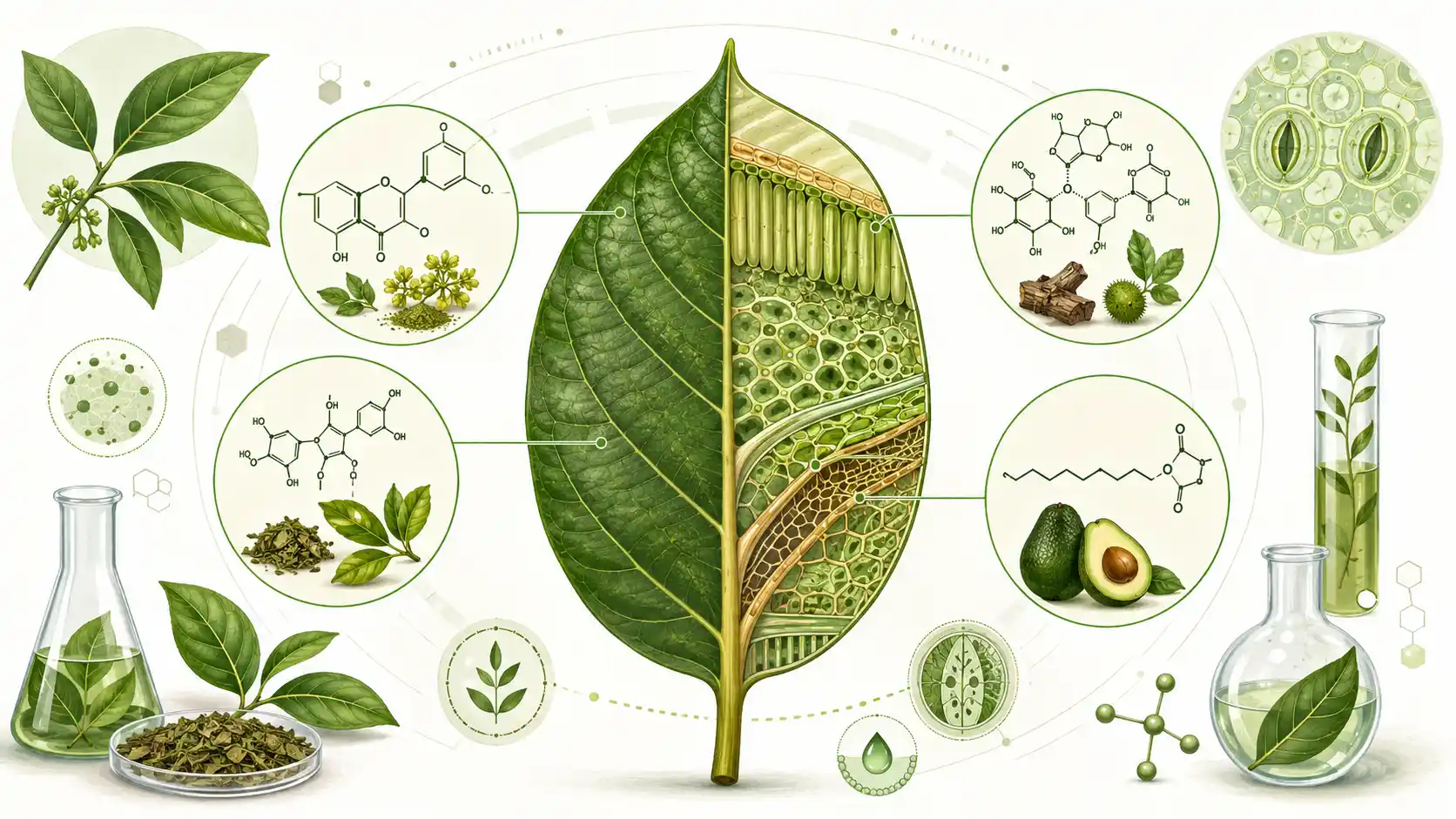
Avocado leaves contain a variety of naturally occurring plant compounds that may contribute to their traditional use.
These include:
- Flavonoids, which are plant antioxidants that help protect cells from oxidative stress.
- Polyphenols, compounds widely studied for their antioxidant properties.
- Tannins, naturally occurring substances associated with plant defense and traditional digestive uses.
- Essential oils, which contribute to the leaves’ distinctive aroma.
- Persin, a natural fungicidal compound found in different parts of the avocado tree, including the leaves.
Unlike avocado fruit, avocado leaves are not a significant source of vitamins or minerals in amounts typically consumed through tea. Instead, interest focuses on their bioactive plant compounds rather than conventional nutrition.
In our experience growing avocado trees, younger healthy leaves are often preferred for appearance, but properly matured leaves are generally selected for drying because they produce a more consistent herbal tea.
Potential Benefits of Avocado Leaves (Non-Prescriptive Overview)
Avocado leaves have traditionally been associated with several wellness benefits, but most of these uses are supported by historical practice, laboratory studies, or animal research rather than strong human clinical trials. They should therefore be viewed as traditional claims instead of proven medical benefits. Like avocado leaves, some other plants are traditionally discussed for natural wellness uses, including leaf of life plant benefits, although their effects should also be considered with awareness of scientific evidence and safety.
Some traditionally reported uses include:
- Supporting normal digestion after meals.
- Providing natural antioxidant compounds.
- Traditional use for maintaining healthy blood pressure.
- Folk use for managing uric acid levels.
- Supporting general inflammatory balance.
- Traditional skin-related applications in some cultures.
Researchers continue studying many of these compounds, but evidence remains insufficient to recommend avocado leaves as a treatment for any disease.
Elemo Baker recommends treating avocado leaf tea as a traditional herbal beverage rather than a substitute for prescribed medical care.
Avocado Leaves Benefits for Specific Groups
Many people search for avocado leaves benefits for men, women, fertility, pregnancy, or skin health. While these topics are common online, scientific evidence remains limited.
- For general wellness, avocado leaf tea is sometimes consumed as part of traditional diets because of its antioxidant plant compounds.
- For skin health, antioxidants may help protect cells from oxidative stress, although no strong clinical studies show that drinking avocado leaf tea directly improves skin conditions.
- For male wellness, traditional medicine sometimes associates avocado leaves with overall vitality, but these claims remain unverified.
- For fertility, there is currently no reliable clinical evidence showing avocado leaves improve fertility in either men or women.
- For pregnancy, caution is especially important. Because avocado leaves contain persin and research on pregnancy safety is lacking, pregnant or breastfeeding individuals should avoid medicinal use unless advised by a qualified healthcare professional.
Which Organ Is Avocado Associated With Most?
Traditionally, avocado leaves are most commonly associated with the digestive system. Herbal practices have long used avocado leaf tea to support digestion and ease stomach discomfort after meals.
Some traditional sources also associate avocado leaf tea with kidney health and urinary function. However, these associations are based largely on folk medicine rather than strong clinical evidence.
Current scientific research does not confirm that avocado leaf tea improves kidney function or treats kidney disease. Individuals with existing kidney conditions should seek medical advice before consuming concentrated herbal preparations.
Avocado Leaves Side Effects and Safety Considerations
Although avocado leaves are widely used in traditional herbal preparations, they are not risk-free. Understanding their potential side effects is just as important as understanding their possible benefits.
The primary safety concern involves persin, a naturally occurring compound produced by avocado trees. Persin helps protect the plant against fungal diseases but can be toxic to certain animals, particularly birds, horses, goats, rabbits, and some livestock.
Human toxicity appears much lower, but research remains limited. Because of this uncertainty, moderation is generally recommended.
Potential concerns include:
- Digestive discomfort when consumed in large amounts.
- Possible interactions with certain medications.
- Unknown safety during pregnancy and breastfeeding.
- Limited research regarding long-term daily use.
As of 2026, many horticultural and nutrition experts continue recommending moderation until larger human studies become available.
What Not to Mix With Avocado
Although major interactions have not been well established, caution is advisable when combining avocado leaf tea with:
- Blood pressure medications.
- Blood-thinning medications.
- Herbal supplements with similar effects.
- Large amounts of other concentrated herbal teas.
Because herbal products may influence how medications work, individuals taking prescription medicines should consult their healthcare provider before regularly consuming avocado leaf tea.
Avocado Seed Side Effects (Related but Distinct)
- Many people confuse avocado leaves with avocado seeds, but they are different parts of the plant and should not be treated as interchangeable.
- Avocado seeds also contain plant compounds that researchers continue studying, but they may have different chemical profiles from the leaves.
- While some websites promote avocado pit benefits, evidence supporting routine consumption remains limited. Grinding or consuming avocado seeds in large amounts is not generally recommended because safety data are incomplete.
- Whenever discussing avocado leaf safety, it is important not to assume that research on avocado seeds applies equally to the leaves.
Understanding plant chemistry is important because even popular ornamental and medicinal plants can contain compounds requiring careful handling, such as the sap-related risks discussed in our guide on Firestick Plant Sap on Skin Treatment Guide.
How to Prepare and Drink Avocado Leaf Tea
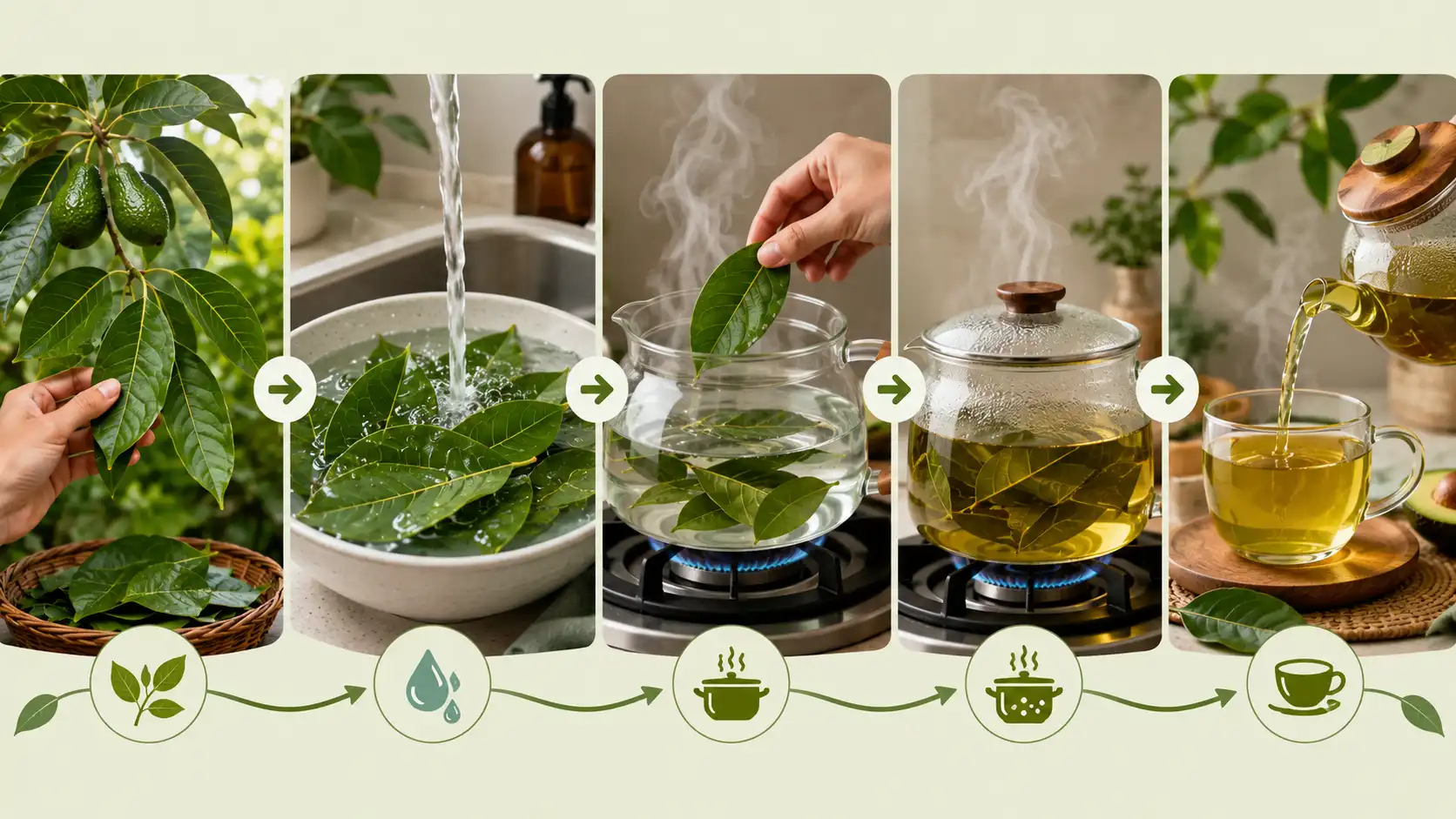
Avocado leaf tea is traditionally prepared using either fresh or dried leaves. Drying helps create a more consistent flavor and makes storage easier, while fresh leaves may have a stronger and less predictable taste.
A simple preparation method includes:
- Wash healthy avocado leaves thoroughly.
- Use 1–2 medium leaves per cup of water.
- Simmer gently for about 10–15 minutes.
- Allow the tea to cool slightly before drinking.
- Strain before serving.
General considerations include:
- How many leaves per cup: Usually one to two medium-sized leaves are used.
- Best time to drink: Many people prefer it after meals or in the evening, although no scientific evidence identifies an ideal time.
- Daily amount: Because research is limited, frequent or excessive consumption is generally discouraged. Occasional moderate intake is considered a more cautious approach than daily high-volume use.
In our experience, over-brewing the leaves often produces an intensely bitter tea without improving its traditional benefits, so moderate brewing times usually provide a better balance of flavor.
Fresh vs Dried Avocado Leaves
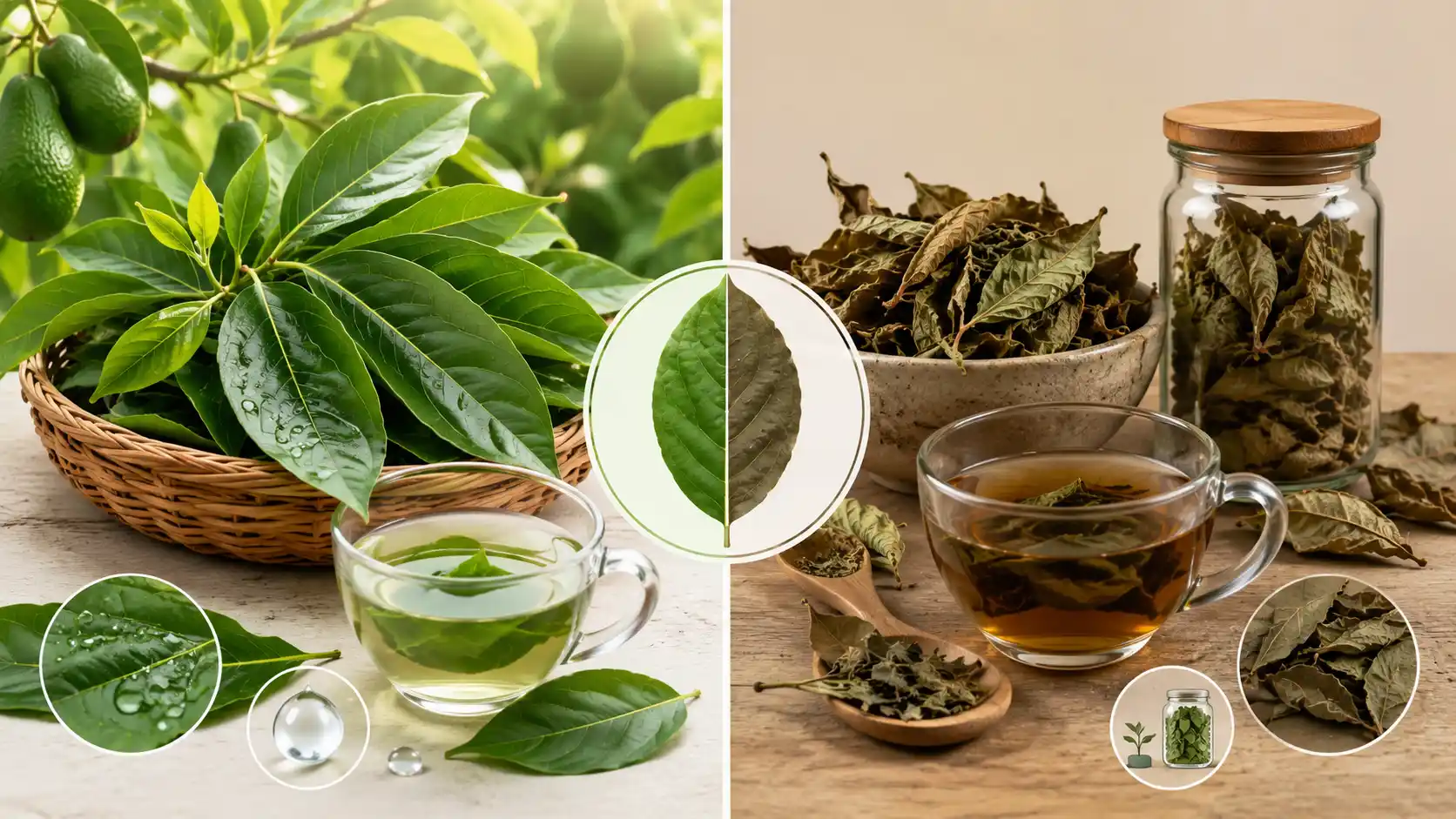
| Factor | Fresh Leaves | Dried Leaves |
| Potency | Stronger, more variable | More concentrated and consistent |
| Shelf Life | Short | Long |
| Ease of Dosing | Harder to standardise | Easier to measure |
| Common Use | Fresh brewing | Tea blends and long-term storage |
Avocado Leaves vs Papaya Leaves — Which Offers More Benefits?
Avocado leaves and papaya leaves are both used in traditional herbal practices, but they contain different compounds and have different safety considerations. Avocado leaves are commonly associated with digestive support and antioxidant use, while papaya leaves are often discussed for their traditional digestive enzyme content and other folk applications.
Neither leaf has enough strong clinical evidence to confirm broad health benefits, so comparisons should focus on traditional uses and known plant compounds rather than proven medical effects.
Comparison Table: Avocado Leaves vs Papaya Leaves
| Feature | Avocado Leaves | Papaya Leaves |
| Traditional use | Digestive support, blood pressure and uric acid-related folk uses | Digestive enzymes, traditional wellness drinks |
| Key compound of concern | Persin | Papain and other plant compounds |
| Common preparation | Tea | Tea, juice, or extracts |
| Toxicity caution level | Moderate–high due to limited human safety research | Low–moderate depending on preparation and amount |
| Research status | Mostly traditional use and early studies | More research interest, but many claims remain unproven |
Papaya leaf products, including papaya leaf juice, are often promoted online for various health purposes. However, similar to avocado leaves, many popular claims require more human research before they can be considered reliable.
Common Mistakes and Problems When Using Avocado Leaves
Using avocado leaves as a traditional tea requires careful preparation. Many problems occur because people assume that natural products are automatically safe or increase the amount hoping for stronger effects.
Over-Brewing or Over-Consuming
A common mistake is using too many leaves or brewing the tea for an extended period. This can create a stronger, more bitter drink and may increase exposure to plant compounds unnecessarily.
To reduce this risk:
- Use measured amounts instead of adding large handfuls of leaves.
- Avoid consuming multiple strong cups daily without professional guidance.
- Start with a mild preparation if trying avocado leaf tea for the first time.
Moderation is especially important because long-term safety studies in humans are limited.
Using Leaves From Unknown or Treated Trees
Leaves collected from roadside trees, ornamental plants, or chemically treated gardens may contain pesticide residues, pollutants, or contaminants.
Safer practices include:
- Using leaves from a known, healthy avocado tree.
- Avoiding leaves exposed to pesticides or chemical sprays.
- Washing leaves thoroughly before preparation.
Organic growing conditions do not automatically guarantee safety, but they can reduce exposure to certain agricultural chemicals.
Assuming “Natural” Means Safe
One of the biggest misconceptions about herbal products is that natural ingredients cannot be harmful. Plants produce many powerful chemical compounds as part of their natural defense systems.
Avocado leaves contain persin, which is one reason safety discussions are important. Natural does not always mean suitable for everyone, especially pregnant individuals, people with medical conditions, or those taking medications.
Confusing Avocado Fruit Benefits With Leaf Benefits
Another common mistake is assuming the well-established nutritional benefits of avocado fruit automatically apply to avocado leaves.
Avocado fruit is known for containing:
- Healthy monounsaturated fats.
- Dietary fiber.
- Potassium.
- Vitamins and minerals.
However, avocado leaves have a different chemical profile and are primarily studied for plant compounds rather than nutritional value.
The benefits of avocado, such as supporting a balanced diet, should not be confused with claims about avocado leaf tea.
Avocado (Fruit) Benefits vs Avocado Leaf Benefits — Don’t Confuse the Two
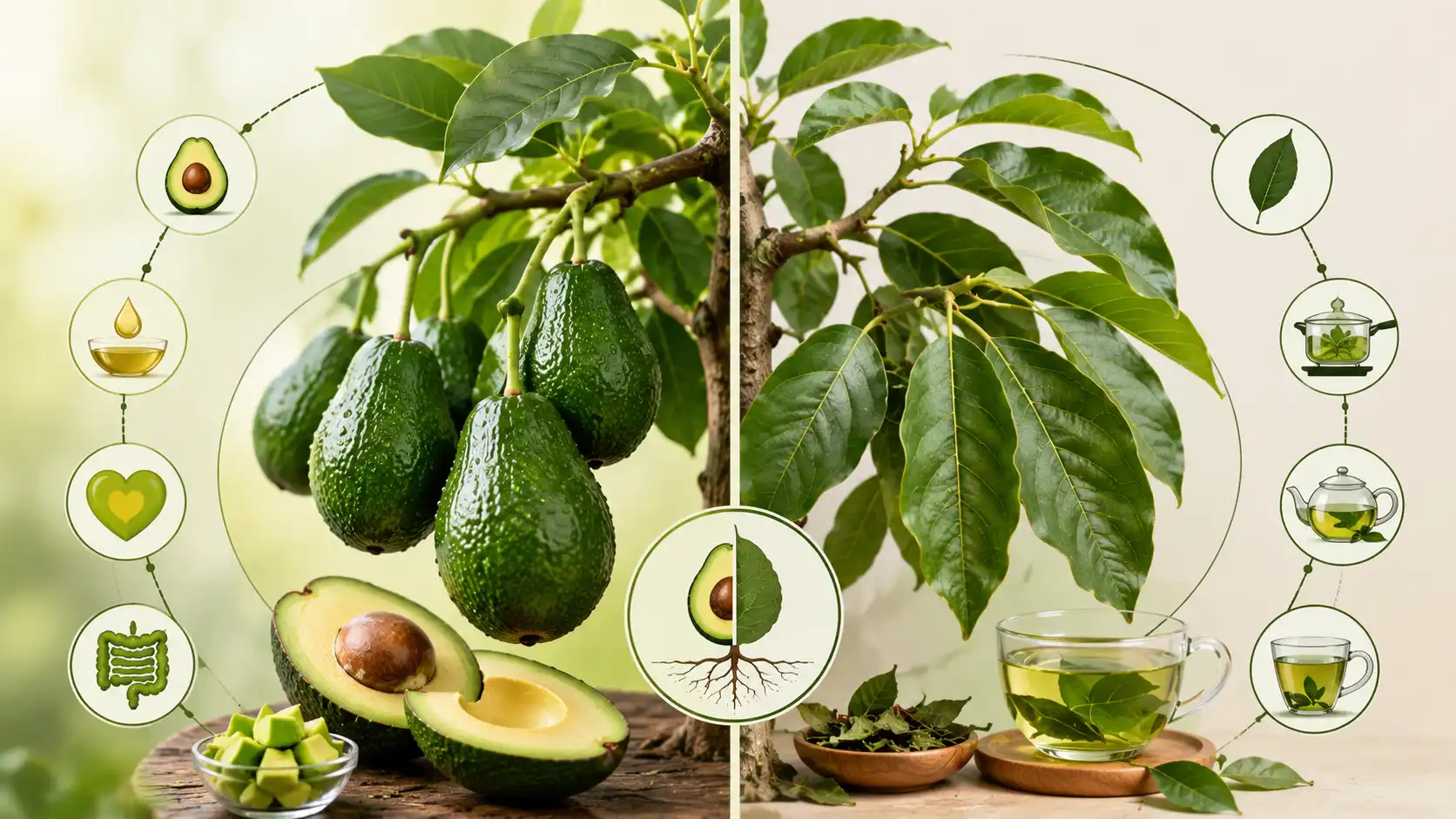
Avocado fruit and avocado leaves come from the same plant but serve different purposes and contain different compounds. Avocado fruit is a widely studied food, while avocado leaves are mainly discussed in traditional medicine and herbal practices.
The main difference is that avocado fruit provides established nutritional benefits, while avocado leaf benefits are mostly based on traditional use and early research.
| Feature | Avocado Fruit | Avocado Leaves |
| Main use | Food and nutrition | Traditional herbal tea |
| Key nutrients/compounds | Healthy fats, fiber, potassium, vitamins | Flavonoids, polyphenols, tannins, persin |
| Research level | Extensive nutrition research | Limited human studies |
| Common purpose | Balanced diet and nutrient intake | Traditional wellness practices |
| Safety concerns | Allergy concerns and dietary considerations | Persin content and limited safety research |
Avocado fruit benefits are well recognized because the fruit is consumed as part of regular diets worldwide. It may support heart health as part of a balanced eating pattern because of its healthy fats and fiber content.
Similar differences between fruit varieties can also affect taste, growth habits, and uses, as shown in our comparison of Green Lychee vs Red Lychee.
However, claims that avocado leaves provide the same benefits as the fruit are inaccurate. The two parts of the plant should be considered separately.
Conclusion
Avocado leaves benefits are mainly based on traditional herbal practices rather than confirmed medical evidence. Avocado leaves from Persea americana are commonly brewed as tea and traditionally associated with digestive support, antioxidant activity, and general wellness uses.
The leaves contain plant compounds such as flavonoids, polyphenols, tannins, and persin, which make safety considerations important. While moderate traditional use may be common, excessive consumption, unknown leaf sources, and use during pregnancy or alongside certain medications require caution.
The best approach is to view avocado leaf tea as a traditional beverage rather than a proven treatment. Understanding preparation methods, potential risks, and individual health circumstances helps ensure a more informed decision. For any therapeutic purpose, consulting a qualified healthcare professional is recommended.
FAQs
Is it safe to drink avocado leaf tea every day?
Avocado leaf tea may not be suitable for daily long-term use because human safety research is limited. Occasional moderate consumption is generally considered a more cautious approach, especially since avocado leaves contain persin and other plant compounds.
Which disease is avocado leaf traditionally used for?
Avocado leaves have traditionally been used for digestive complaints, general wellness, and folk remedies related to blood pressure and uric acid. However, there is not enough clinical evidence to confirm that avocado leaves treat any disease.
Is avocado leaf tea good for kidneys?
Avocado leaf tea is traditionally associated with kidney and urinary health in some cultures, but scientific evidence does not confirm that it improves kidney function or treats kidney problems. People with kidney disease should seek medical advice before using herbal teas regularly.
What is the toxin found in avocado leaves?
The main toxin-related compound associated with avocado leaves is persin. It is a natural compound produced by avocado trees and is particularly concerning because of its toxicity in certain animals. Human safety data remain limited.
Can avocado leaves help with sleep?
Some traditional users drink avocado leaf tea in the evening for relaxation, but there is currently no strong scientific evidence proving that avocado leaves improve sleep quality.
How many avocado leaves should I use per cup of tea?
A common traditional preparation uses about one to two medium avocado leaves per cup of water. Because leaf strength varies depending on age, variety, and preparation method, avoiding excessive amounts is recommended.
2 Comments