

Little Cado Avocado Tree: Size, Care & Growing Guide
Introduction
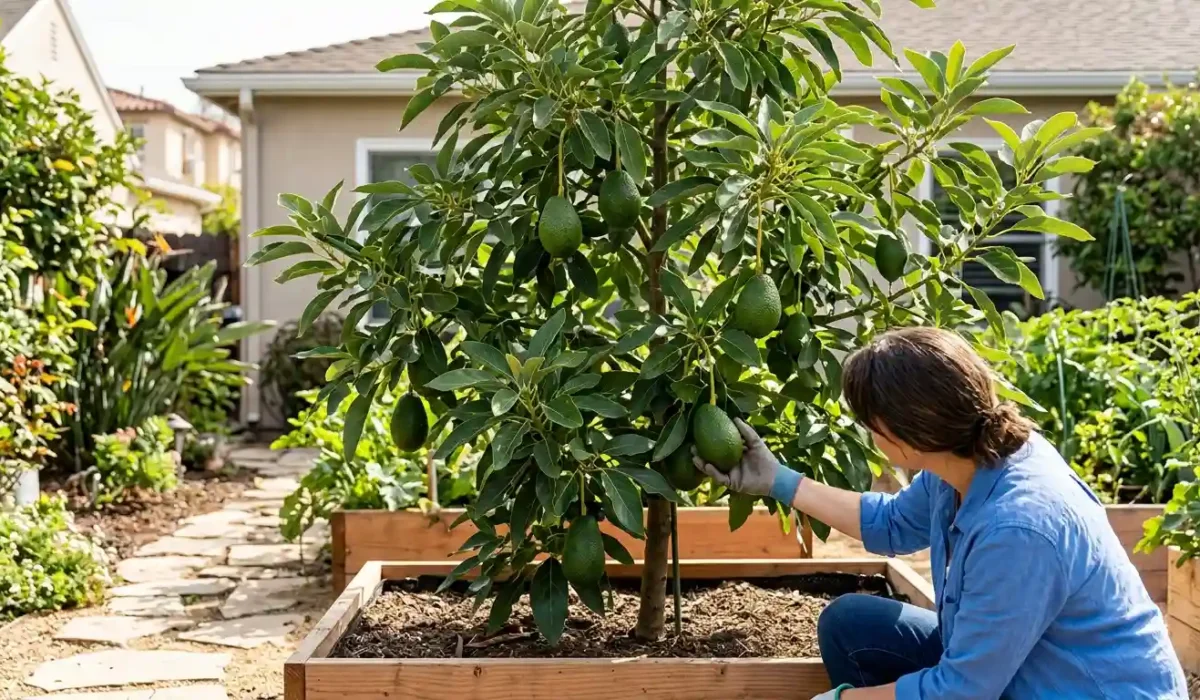
Little Cado avocado, also known as the Wurtz avocado, is a genetically dwarf avocado tree developed for gardeners who want to grow avocados in small spaces. Unlike standard avocado trees that often exceed 30 feet, a Little Cado avocado tree typically reaches only 8–10 feet tall, making it ideal for containers, patios, balconies, and compact gardens. It is also self-pollinating (Type A), so a second tree is not essential for fruit production. With proper care, this compact tree produces creamy, Hass-like avocados while requiring significantly less space than traditional varieties.
Quick Summary
- Little Cado (Wurtz) is a genetically dwarf avocado tree that grows about 8–10 feet tall, making it ideal for containers and small gardens.
- It is a self-pollinating Type A avocado, so one tree can produce fruit on its own.
- Most trees begin producing fruit within 2–3 years under favourable growing conditions.
- It performs best in warm climates such as Florida and Southern California and has limited frost tolerance.
What Is a Little Cado Avocado Tree?
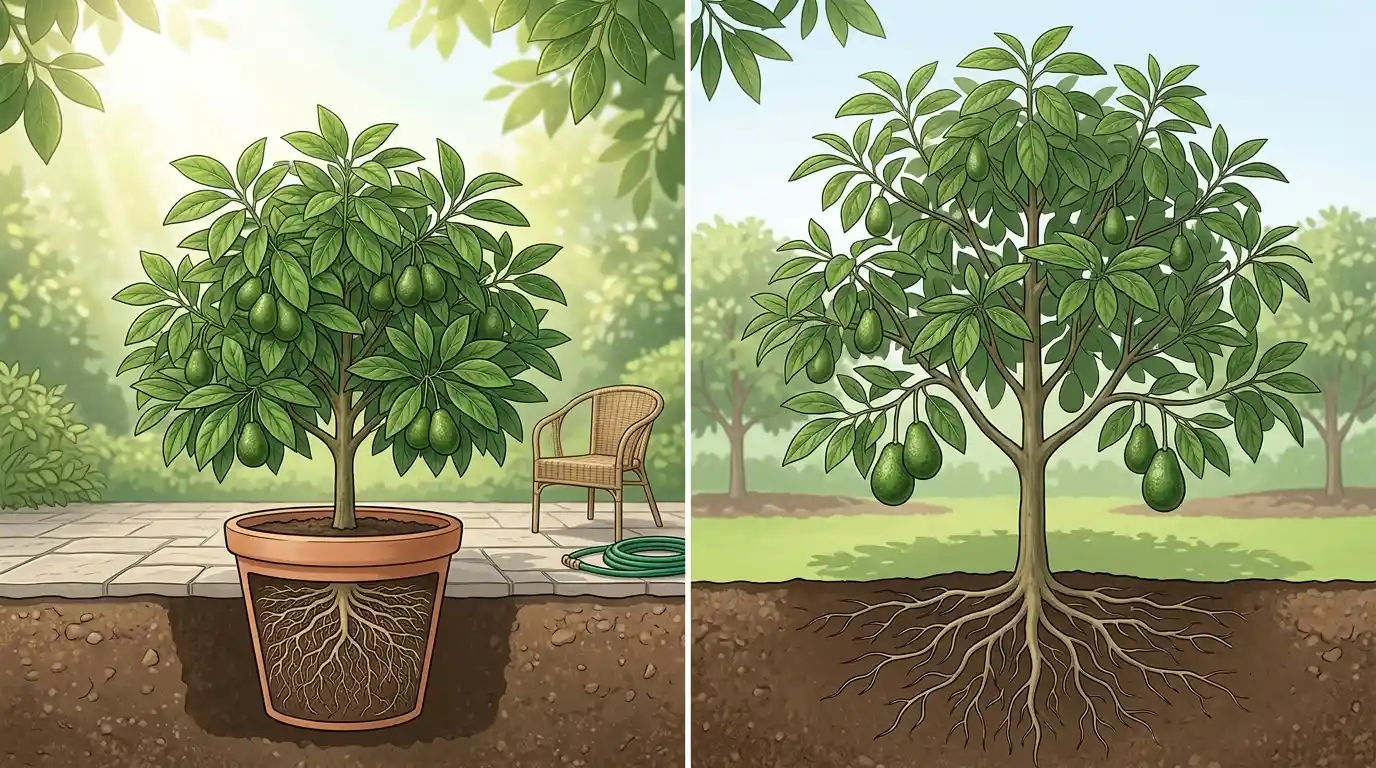
The Little Cado avocado tree is the trademarked nursery name for the Wurtz avocado cultivar. It is one of the few truly genetically dwarf avocado trees, meaning its naturally compact growth habit is inherited rather than created solely through grafting.
The avocado belongs to the flowering plant family Lauraceae and is scientifically known as Persea americana. More general botanical information about avocado classification and history is available on Wikipedia’s avocado page.
Unlike many small avocado trees that stay short because of rootstock selection or frequent pruning, the Wurtz cultivar naturally develops into a compact tree. This makes it a popular choice for container growing and smaller suburban gardens. Avocado trees are one of many productive options for home growers, and choosing the right fruit tree variety for your climate is an important part of creating a successful edible garden. Our guide to fruit trees for Australian gardens explains suitable species, growing conditions, and long-term care considerations.
Little Cado vs. Wurtz Avocado — Are They the Same?
Yes. Little Cado and Wurtz refer to the same avocado variety.
| Little Cado | Wurtz |
| Trademarked nursery name | Cultivar name |
| Commonly used in retail | Used in horticulture |
| Same fruit and growth habit | Same genetics |
There is no difference in fruit quality, size, or care requirements.
Little Cado Avocado Size and Growth Habit
A mature Little Cado avocado tree usually grows 8–10 feet (2.4–3 metres) tall with a similar canopy width. Its naturally compact form makes pruning easier than with full-sized avocado varieties.
Typical characteristics include:
- Mature height: 8–10 ft
- Canopy spread: 6–8 ft
- Excellent for large containers
- Smaller indoors than when planted outdoors
Tree size varies depending on soil depth, climate, watering practices, and pruning. In our experience growing dwarf avocados, regular light pruning helps maintain a dense, productive canopy without reducing fruit production. Gardeners interested in compact landscaping trees can also explore other small-space options, such as the Dwarf Forest Pansy Tree Size, Care & Growth Guide, which covers growth habits and maintenance requirements for smaller gardens.
Growth Rate
Little Cado has a moderate growth rate. Most growth occurs during spring and summer when temperatures are consistently warm.
Growth is faster when the tree receives:
- Full sun
- Well-drained soil
- Balanced fertiliser
- Consistent watering without waterlogging
Cool temperatures or poor drainage may slow growth considerably.
Is Little Cado Self-Pollinating? (Type A or B Explained)
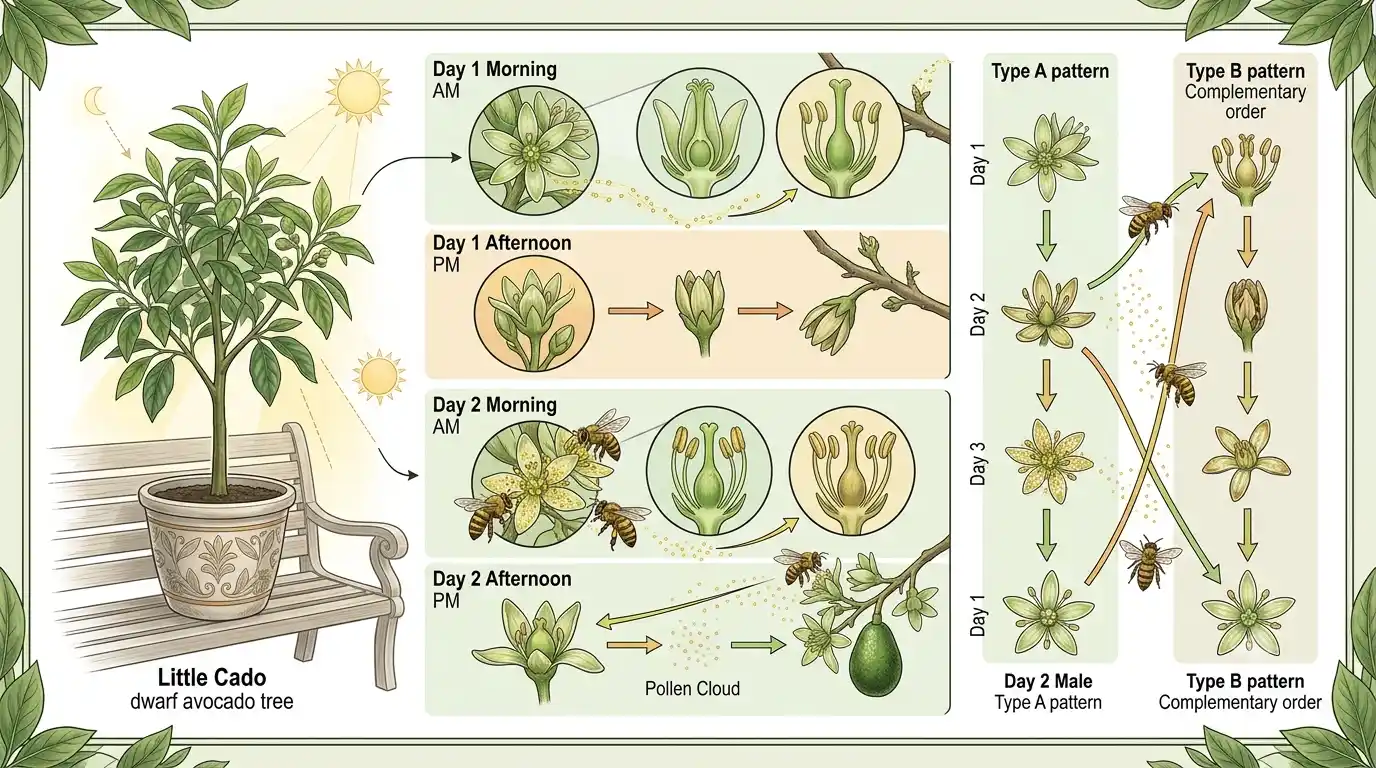
Yes. Little Cado is a Type A self-pollinating avocado tree. One healthy tree is capable of producing fruit without another avocado nearby.
Avocado flowers open twice over two days. Type A flowers function as female in the morning of the first day and male the following afternoon. Type B varieties follow the opposite schedule.
Although Little Cado fruits well alone, planting a nearby Type B avocado can improve pollination and increase yields.
| Type A | Type B |
| Female morning, male afternoon | Female afternoon, male morning |
| Little Cado, Hass, Reed | Bacon, Fuerte, Zutano |
If you’re unsure of your avocado type, check the cultivar name from the nursery label or plant tag.
How to Plant a Little Cado Avocado Tree
Planting correctly helps establish a healthy root system and encourages earlier fruiting. Understanding root behaviour is essential when planning garden layouts, and guides such as how deep Crepe Myrtle roots grow can help gardeners compare root systems before planting trees near structures.
Steps include:
- Choose a sunny, sheltered location with at least six hours of direct sunlight.
- Plant during spring after frost risk has passed.
- Use well-drained soil and avoid low areas where water collects.
- Leave approximately 10–15 feet from buildings, foundations and underground pipes.
- Water deeply immediately after planting.
Elemo Baker recommends avoiding heavy clay soils unless drainage is significantly improved with organic matter or raised beds.
What Not to Plant Near Avocado Trees
Avoid planting species that strongly compete for moisture and nutrients.
These include:
- Large thirsty trees
- Aggressive bamboo
- Dense hedging plants
- Water-loving ornamentals growing close to the root zone
Keeping nearby competition low helps young avocado trees establish faster.
Little Cado Avocado Care Guide
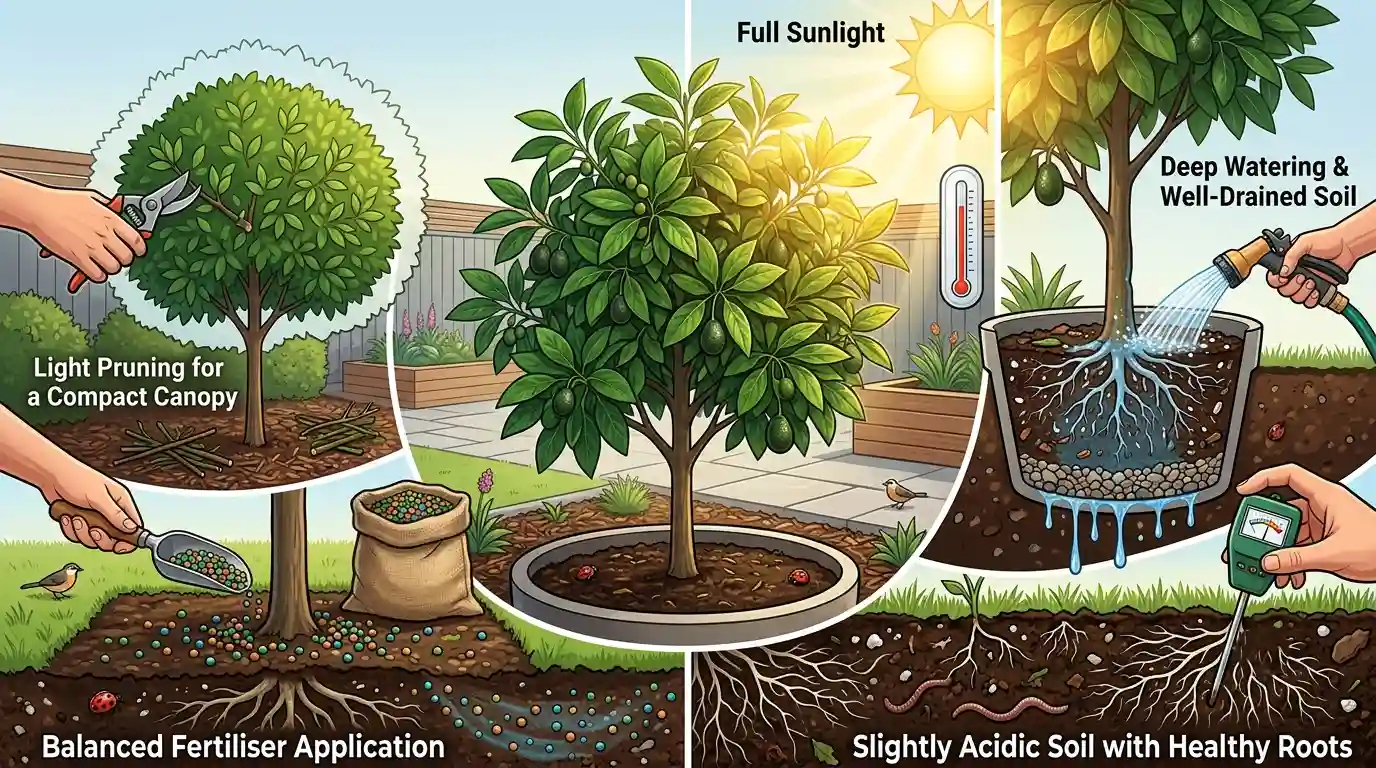
Little Cado is relatively easy to maintain when basic care needs are met.
Watering: Water deeply but allow soil to partially dry between watering. Constantly wet soil encourages root rot.
Light: Full sun produces the healthiest growth and best fruit production.
Soil: Slightly acidic, well-drained soil with good organic matter is ideal.
Fertiliser: Feed several times during the growing season using a balanced citrus or avocado fertiliser. Coffee grounds can add organic matter but should not replace a complete fertiliser.
Pruning: Remove dead or crossing branches and lightly shape the canopy after harvest.
Quick care guide:
- Full sun
- Deep, infrequent watering
- Excellent drainage
- Balanced fertiliser
- Light annual pruning
Little Cado Avocado Cold Hardiness
Little Cado tolerates temperatures down to approximately -2°C for short periods, but frost can damage young growth.
As of the 2026 growing season, growers continue recommending frost cloths or temporary covers during unexpected cold snaps. This variety performs especially well in Florida and other warm, frost-free climates but benefits from winter protection in marginal growing regions.
How Long Until a Little Cado Avocado Tree Bears Fruit?
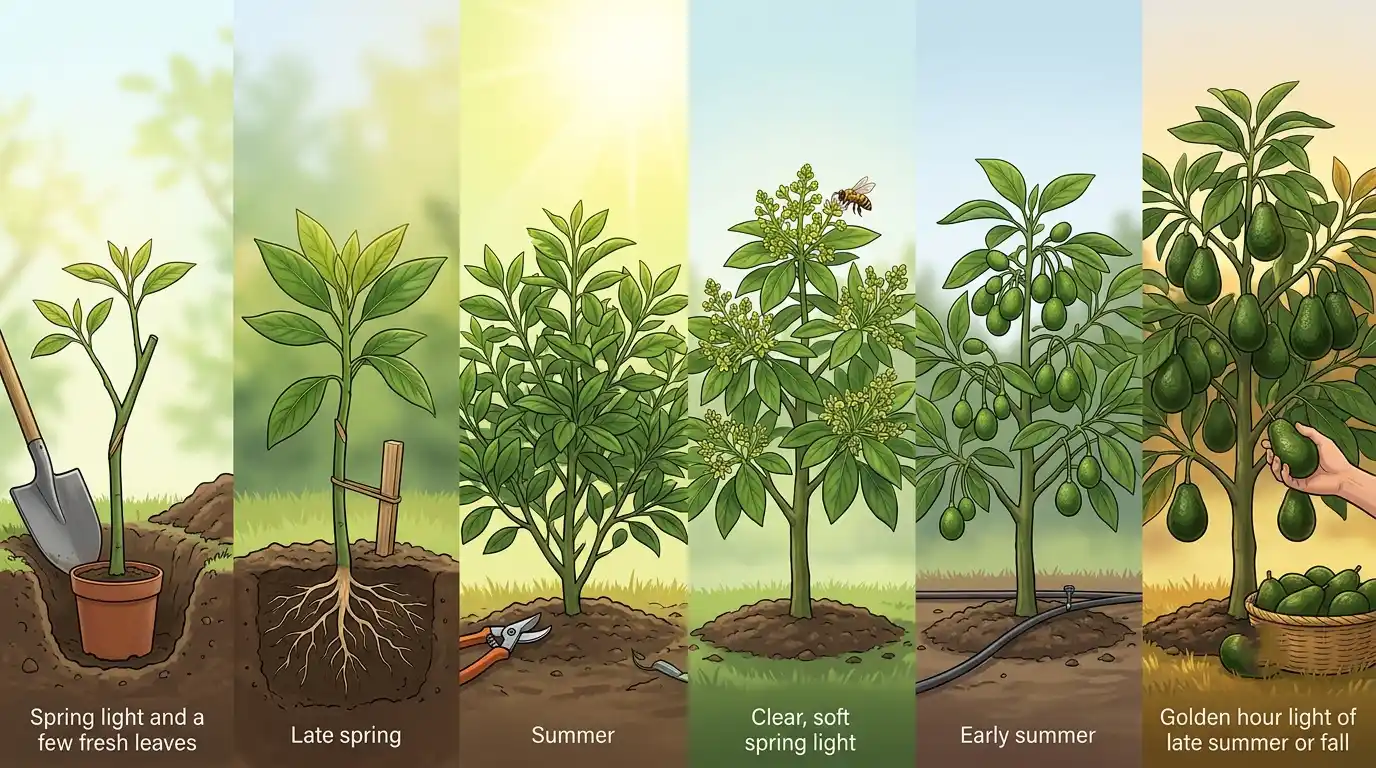
Most grafted Little Cado trees begin producing fruit within 2–3 years after planting.
Fruiting depends on:
- Tree age
- Sunlight
- Pollination
- Water management
- Nutrition
A mature healthy tree can produce dozens of avocados annually, although harvest size varies with climate and seasonal conditions.
When to Harvest Little Cado Avocados
Little Cado avocados are harvested once they reach full size but are still firm. Unlike many fruits, avocados ripen after picking.
Signs the fruit is ready include:
- Mature size
- Healthy green skin
- Fruit detaches easily with gentle twisting
Harvest timing varies by local climate, but fruit generally matures over several months rather than all at once.
Little Cado Avocado Taste — What to Expect
Little Cado avocados have a rich, buttery flavour with a creamy texture similar to Hass avocados. Their relatively high oil content creates a smooth consistency suitable for salads, toast, dips and guacamole.
Many gardeners consider them one of the best-tasting dwarf avocado varieties because they combine excellent flavour with compact growth.
Little Cado vs. Other Dwarf Avocado Varieties
| Variety | Mature Size | Taste | Availability |
| Little Cado (Wurtz) | 8–10 ft | Rich and creamy | Widely available |
| Gwen | 12–15 ft | Similar to Hass | Less common |
| Holiday | 10–12 ft | Creamy | Moderate availability |
Little Cado remains one of the easiest dwarf avocado trees to find through nurseries.
Common Problems With Little Cado Avocado Trees
Several common issues can affect growth.
- Yellow leaves often result from overwatering or nutrient deficiencies.
- Root rot develops in poorly drained soils. Improve drainage and avoid frequent shallow watering.
- Pests such as mites, scale insects and thrips can occasionally appear. Organic horticultural oils and regular inspections usually provide effective control.
- Slow growth is commonly linked to insufficient sunlight, compacted soil or poor nutrition.
Correct pest identification is the first step in effective treatment, and our garden pest identification guide for Australian gardens explains common garden pests and practical control methods.
In our experience, correcting watering habits solves many problems before more serious damage occurs.
Little Cado Avocado Buying Guide
When purchasing a Little Cado avocado tree, choose reputable nurseries or garden centres. Large retailers such as Home Depot may also stock them seasonally in suitable growing regions.
Before buying, check:
- Healthy green leaves
- Strong graft union
- No signs of pests
- Moist but not waterlogged soil
- Clear cultivar label confirming Wurtz or Little Cado
Larger trees generally cost more but often establish and fruit sooner. When selecting productive trees for limited spaces, comparing different fruit varieties can help gardeners choose the right option, such as understanding the differences between Eureka lemon and Meyer lemon trees.
Conclusion
The Little Cado avocado tree is an excellent choice for gardeners who want fresh avocados without planting a full-sized tree. Its compact size, self-pollinating Type A flowers, creamy fruit and suitability for containers make it ideal for patios, small gardens and warm climates. With proper planting, regular care and good drainage, this dwarf avocado can provide reliable harvests for many years while remaining easy to manage.
FAQs
Are Little Cado avocados good to eat?
Yes. They have a creamy, buttery texture and rich flavour comparable to Hass avocados.
How big do Little Cado avocado trees get?
Most mature trees grow between 8 and 10 feet tall with a spread of about 6–8 feet.
Is Little Cado self-pollinating?
Yes. Little Cado is a Type A avocado and can produce fruit without another avocado tree.
Do I need two avocado trees to get fruit?
No. One Little Cado tree is usually sufficient, although a nearby Type B variety may increase yields.
How many years before a Little Cado avocado tree bears fruit?
Most grafted trees begin producing fruit within two to three years after planting.
How cold hardy is the Little Cado avocado tree?
It tolerates brief temperatures around -2°C, but young trees should be protected from frost to prevent damage.