

Eureka Lemon vs Meyer Lemon: Key Differences Explained
Introduction
Eureka lemon vs Meyer lemon is one of the most common comparisons for Australian home gardeners because these two popular lemon varieties differ significantly in flavour, appearance, growth habit, and the climates in which they perform best. The Eureka lemon is a classic true lemon with a sharp, acidic taste, while the Meyer lemon is a naturally sweeter hybrid that is better suited to cooler conditions and smaller gardens. Choosing the right variety depends on how you plan to use the fruit, your local climate, and the available growing space. This guide provides a detailed comparison to help Australian gardeners make an informed decision, while also introducing the Lisbon lemon as another popular option discussed later.
If you want a traditional tart lemon for cooking, juicing, and year-round harvests in warm regions, choose a Eureka lemon. If you prefer sweeter fruit, improved cold tolerance, and a compact tree suitable for pots or smaller gardens, a Meyer lemon is generally the better choice, particularly in cooler Australian climates such as Melbourne.
If you’re weighing up other citrus and fruit varieties for your garden, our full guide to plant comparisons breaks down more popular matchups to help you choose the right fit.
Quick Summary
- Eureka lemons are tart, true lemons with thick skin and few seeds, making them ideal for cooking, baking, and juicing.
- Meyer lemons are sweeter, thinner-skinned, and more cold-tolerant, making them well suited to pots and compact gardens.
- Eureka lemon trees can produce fruit throughout much of the year in warm climates, while Meyer trees are naturally smaller and easier to manage.
- For many Australian backyards, especially in cooler regions like Melbourne, Meyer lemons are often the more forgiving option, whereas Eureka lemons excel in warmer environments where a classic lemon flavour is preferred.
What Is a Eureka Lemon?
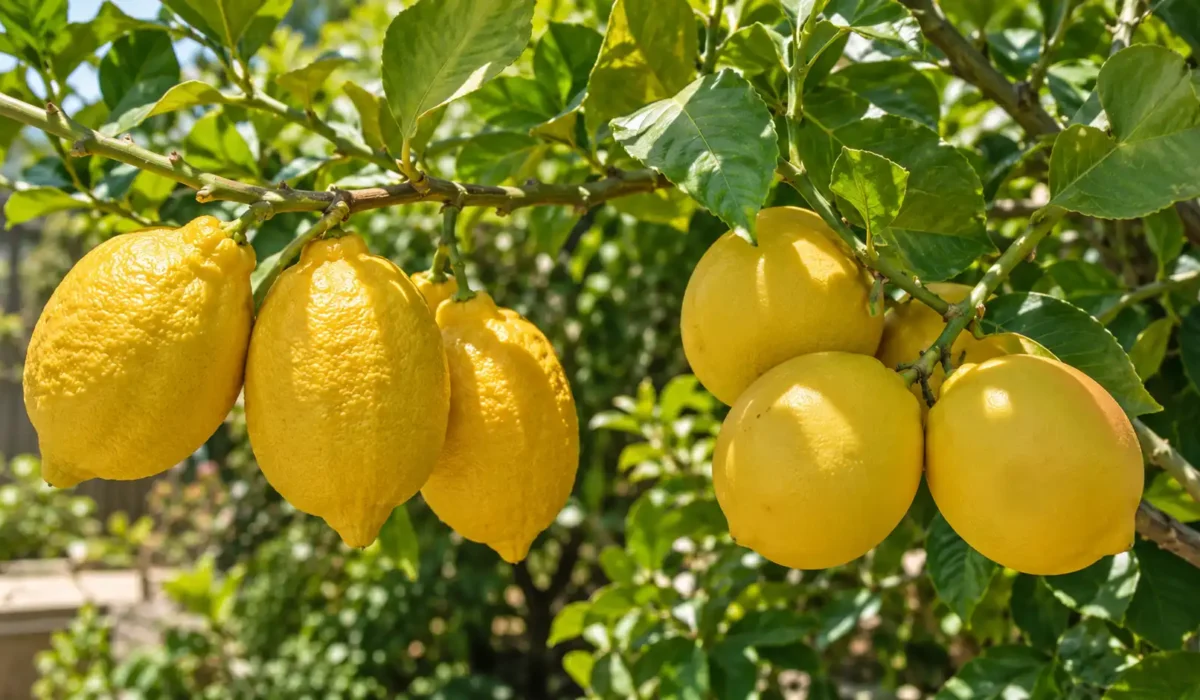
The Eureka lemon (Citrus limon ‘Eureka’) is one of the world’s best-known true lemon varieties. It is valued for its bright yellow fruit, high juice content, and distinctly tart flavour that has become the standard for culinary use. Originating from selections developed in California during the 19th century, it is now widely grown throughout Australia in suitable climates.
A mature Eureka lemon tree is vigorous and productive, often bearing fruit across much of the year in frost-free or mild regions. This extended fruiting period makes it a favourite among home gardeners who want a reliable supply of fresh lemons. If you’re planning a productive home garden, you may also enjoy our guide to growing fruit trees at home, including practical tips for selecting the right tree for Australian conditions.
Key characteristics include:
- Classic sharp, acidic lemon flavour.
- Thick, textured yellow skin.
- Few seeds compared with many other lemon varieties.
- Excellent juice yield.
- Near year-round fruit production in warm climates.
The fruit is commonly used for:
- Fresh lemonade.
- Cooking and baking.
- Salad dressings.
- Preserves and marmalades.
- Seafood and savoury dishes.
From our experience growing citrus, regular feeding during spring and summer significantly improves flowering and fruit quality. Trees that receive consistent moisture without becoming waterlogged also tend to produce larger, juicier lemons.
Like most citrus, Citrus limon ‘Eureka’ performs best in full sun, free-draining soil, and locations protected from prolonged frost.
What Is a Meyer Lemon?
The Meyer lemon (Citrus × meyeri) is not a true lemon but a natural hybrid believed to have originated from a cross between a lemon and a mandarin or sweet orange. This heritage gives it a noticeably sweeter flavour, lower acidity, and a fragrant aroma that many gardeners appreciate.
For readers interested in the botanical history and classification of this hybrid citrus, the Meyer lemon entry on Wikipedia provides additional background information.
Unlike traditional lemons, Meyer lemons have thinner, smoother skin and a more rounded shape. Their flesh is juicy but noticeably milder, making them popular for desserts, beverages, and fresh eating.
A Meyer lemon tree is also naturally compact, making it an excellent option for:
- Small backyards.
- Courtyards.
- Balconies.
- Patio containers.
- Large decorative pots.
Typical characteristics include:
- Sweet, mildly acidic flavour.
- Thin, smooth skin.
- Rounder fruit shape.
- Compact growth habit.
- Better tolerance of cool weather than Eureka lemons.
Elemo Baker recommends Meyer lemons for gardeners with limited space because they generally respond well to container growing when provided with adequate sunlight, quality potting mix, and regular feeding.
As of the 2026 growing season, Australian citrus growers continue to recommend Meyer lemons for many southern regions due to their combination of reliable productivity and improved cold tolerance.
What Is a Lisbon Lemon? (Brief Context)
The Lisbon lemon is another true lemon variety closely related to the Eureka lemon. Like Eureka, it produces acidic fruit suitable for cooking and juicing, but it typically has a more vigorous growth habit and can tolerate slightly cooler conditions.
A Lisbon lemon tree generally develops more thorns than a Eureka tree and often produces its main crop during winter. Because both Lisbon and Eureka are true lemons, they are frequently compared by Australian gardeners looking for traditional lemon flavour. A dedicated comparison between these two varieties appears later in this guide.
Eureka Lemon vs Meyer Lemon: Key Differences
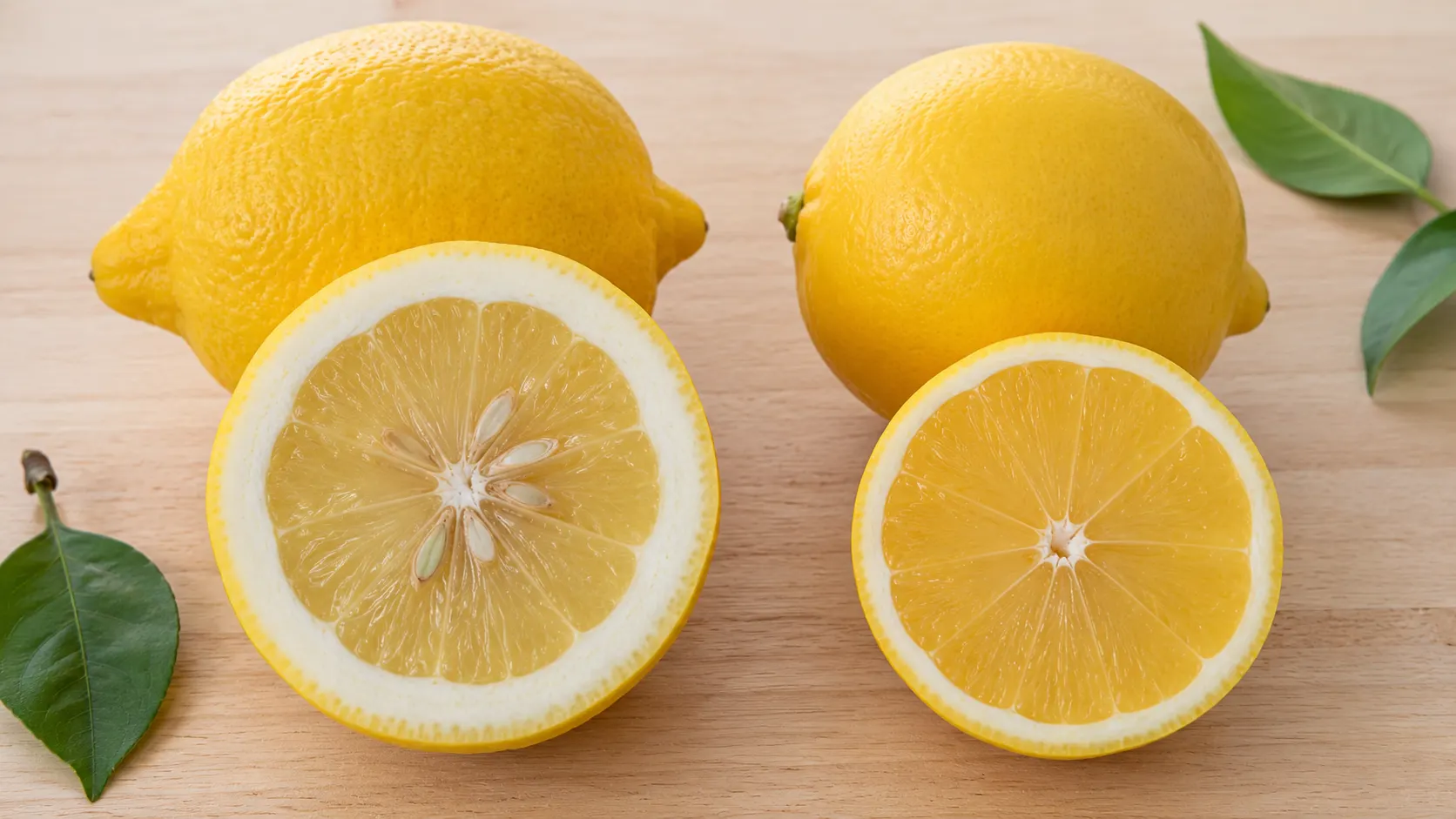
Although both trees produce yellow citrus fruit, the differences between Eureka and Meyer lemons are significant enough to influence which variety is best for your garden.
The main differences include:
- Flavour: Eureka is highly acidic, while Meyer is noticeably sweeter.
- Skin thickness: Eureka develops thicker skin, whereas Meyer has thin, smooth skin.
- Seeds: Eureka usually contains few seeds, while Meyer may contain slightly more depending on growing conditions.
- Fruit shape: Eureka fruit is elongated with a pronounced nipple, while Meyer lemons are rounder.
- Cold tolerance: Meyer performs better in cooler climates.
- Growth habit: Meyer trees stay naturally compact, whereas Eureka trees become larger and more vigorous.
- Primary use: Eureka excels for cooking and juicing, while Meyer is suitable for both fresh eating and culinary use.
Taste Comparison
The biggest difference in Eureka lemon vs Meyer lemon taste is acidity.
Eureka lemons deliver the bright, sharp citrus flavour most people associate with traditional lemons. Their high acidity makes them excellent for recipes that rely on strong lemon flavour, including baking, sauces, marinades, and fresh juice.
Meyer lemons are noticeably sweeter because of their hybrid background. Their juice contains less acidity and often carries subtle floral and orange-like notes. This makes them especially popular in desserts, cocktails, homemade lemonade, and recipes where a softer citrus flavour is preferred.
For gardeners who regularly cook savoury meals, the classic tartness of Eureka lemons is often the better choice. Those who enjoy eating citrus fresh or preparing desserts frequently appreciate the milder taste of Meyer lemons.
Size and Appearance Comparison
Both varieties produce medium-sized fruit, but they differ in several visible characteristics.
| Feature | Eureka Lemon | Meyer Lemon |
| Flavour | Sharp, tart, highly acidic | Sweet, mild, slightly floral |
| Skin thickness | Thick and textured | Thin and smooth |
| Seeds | Usually few | Low to moderate |
| Acidity | High | Moderate to low |
| Fruit size | Medium to large | Medium, rounder |
| Cold tolerance | Moderate | Better cold tolerance |
| Best use | Cooking, baking, juicing | Fresh eating, desserts, drinks |
In addition to fruit appearance, tree size also differs. A standard Eureka lemon tree usually grows taller and more vigorously than a Meyer lemon tree, while dwarf selections of both varieties remain suitable for smaller landscapes when properly maintained.
Eureka Lemon Tree vs Meyer Lemon Tree: Growth and Care Differences
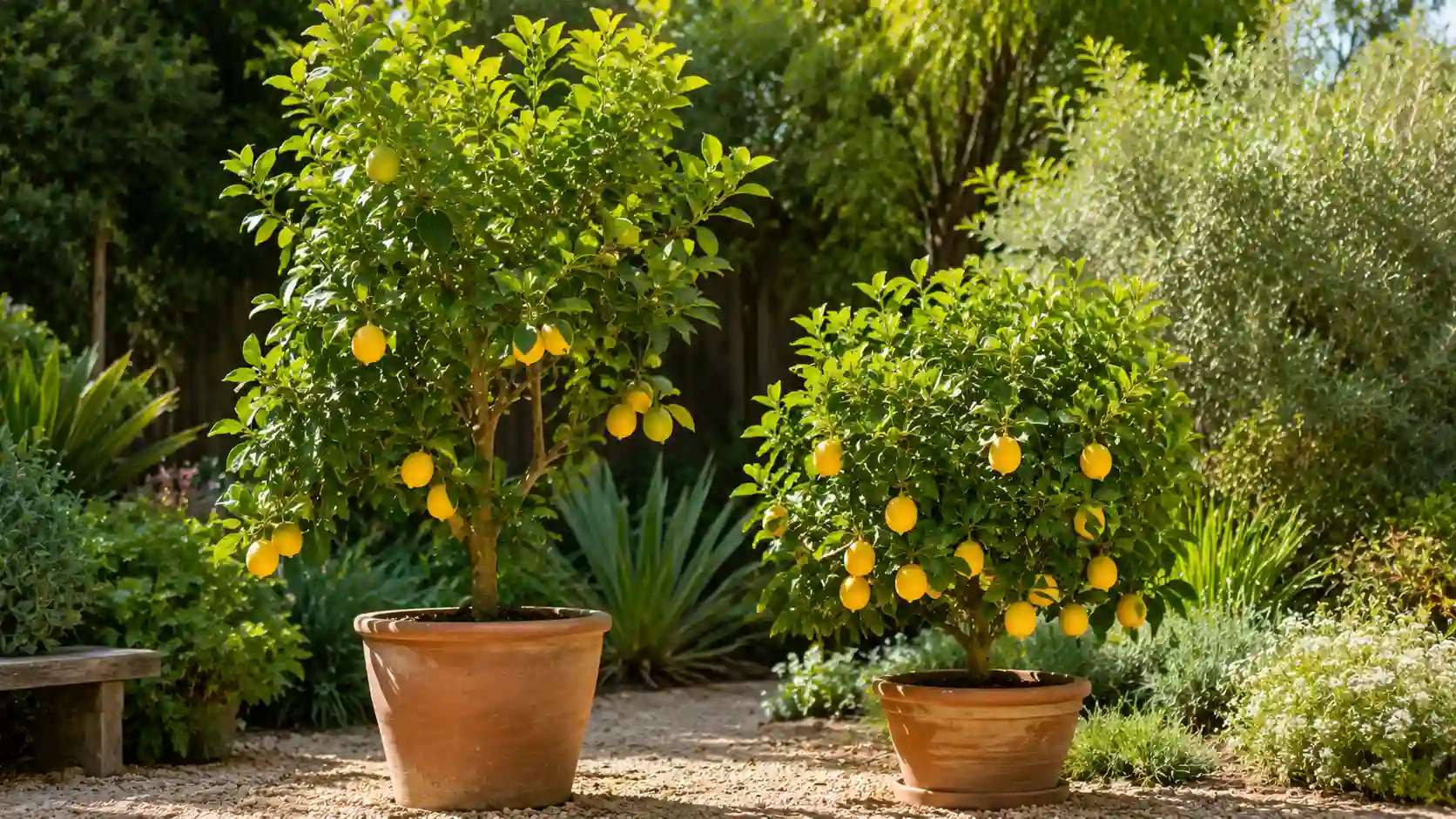
Both Eureka and Meyer lemon trees are productive citrus varieties, but they differ in size, growth habit, fruiting behaviour, and environmental preferences. Understanding these differences helps Australian gardeners choose the variety that best suits their climate, available space, and maintenance expectations.
While Eureka lemon trees thrive in warm, frost-free conditions and develop into larger trees, Meyer lemon trees are naturally more compact and better adapted to cooler regions. Both require full sun and well-drained soil, but their long-term care needs vary in several important ways. If you’re interested in expanding your edible garden, our Feijoa Tree Australia guide covers another rewarding fruit tree that grows well in many Australian climates.
Plant Size
A standard Eureka lemon tree generally grows larger than a Meyer lemon tree, making it a better choice for spacious backyards where there is room for a broad canopy. Meyer lemon trees have a naturally compact growth habit, making them easier to maintain in smaller gardens and containers.
The table below compares their typical mature size.
| Tree Type | Mature Height | Mature Width | Best Growing Situation |
| Standard Eureka | 4–6 m | 3–5 m | Large gardens and orchards |
| Dwarf Eureka | 2–3 m | 2–3 m | Small gardens and large pots |
| Standard Meyer | 2.5–4 m | 2–3 m | Medium-sized gardens |
| Dwarf Meyer | 1.5–2.5 m | 1.5–2 m | Pots, courtyards, balconies |
Several factors influence the eventual size of both varieties:
- Growing in containers naturally restricts root growth and keeps trees smaller.
- Annual pruning helps maintain shape and improves air circulation.
- Rich, fertile soil encourages stronger vegetative growth.
- Warm climates generally produce faster and larger canopy development.
- Regular irrigation and balanced fertilisation support healthy growth without excessive leafy growth.
In our experience growing citrus, gardeners who lightly prune after harvesting find it much easier to maintain compact, productive trees than those who allow branches to become overcrowded.
Growth Rate
Both varieties establish relatively quickly when planted in suitable conditions, but their growth patterns differ.
Meyer lemon trees often begin producing fruit at a younger age and direct more energy into flowering while remaining compact. This makes them particularly rewarding for home gardeners wanting earlier harvests from a small tree.
Eureka lemon trees are generally more vigorous once established. In warm regions with long growing seasons, they produce rapid vegetative growth alongside multiple flowering flushes throughout the year.
Growth characteristics include:
Eureka Lemon
- Vigorous growth in warm climates.
- Extended flowering periods.
- Frequent fruit production where frost is minimal.
- Larger mature canopy.
Meyer Lemon
- Moderate but steady growth.
- Often fruits at a younger age.
- Naturally compact branching.
- Consistent productivity with less pruning.
Seasonal conditions also affect growth. During spring and early summer, both varieties produce their strongest flush of new shoots. Growth slows considerably during winter, especially in cooler parts of Australia.
Care Guide
Although both lemon varieties belong to the citrus family, a few differences in care can significantly improve long-term health and fruit production.
| Care Requirement | Eureka Lemon | Meyer Lemon |
| Sunlight | At least 6–8 hours of full sun | At least 6–8 hours of full sun |
| Watering | Deep watering during dry periods | Even moisture without waterlogging |
| Soil | Well-drained, slightly acidic soil | Well-drained, fertile soil |
| Fertiliser | Citrus fertiliser from spring to late summer | Citrus fertiliser from spring to late summer |
| Pruning | Moderate annual pruning | Light shaping as needed |
| Frost Tolerance | Moderate | Better than Eureka |
General care recommendations include:
- Water deeply rather than frequently to encourage deep root development.
- Allow the top layer of soil to dry slightly before watering again.
- Apply a quality citrus fertiliser several times during the growing season according to the manufacturer’s directions.
- Mulch around the base while keeping mulch away from the trunk.
- Remove dead, diseased, or crossing branches annually.
One of the biggest differences is frost tolerance. Meyer lemons cope better with occasional light frosts, whereas Eureka lemons benefit from planting in protected positions where cold winds and freezing temperatures are less likely to damage flowers or young shoots.
Elemo Baker recommends planting both varieties in the sunniest location available, as insufficient sunlight is one of the most common reasons for reduced flowering and poor fruit production.
Best Lemon Tree for Melbourne (and Cooler Climates)
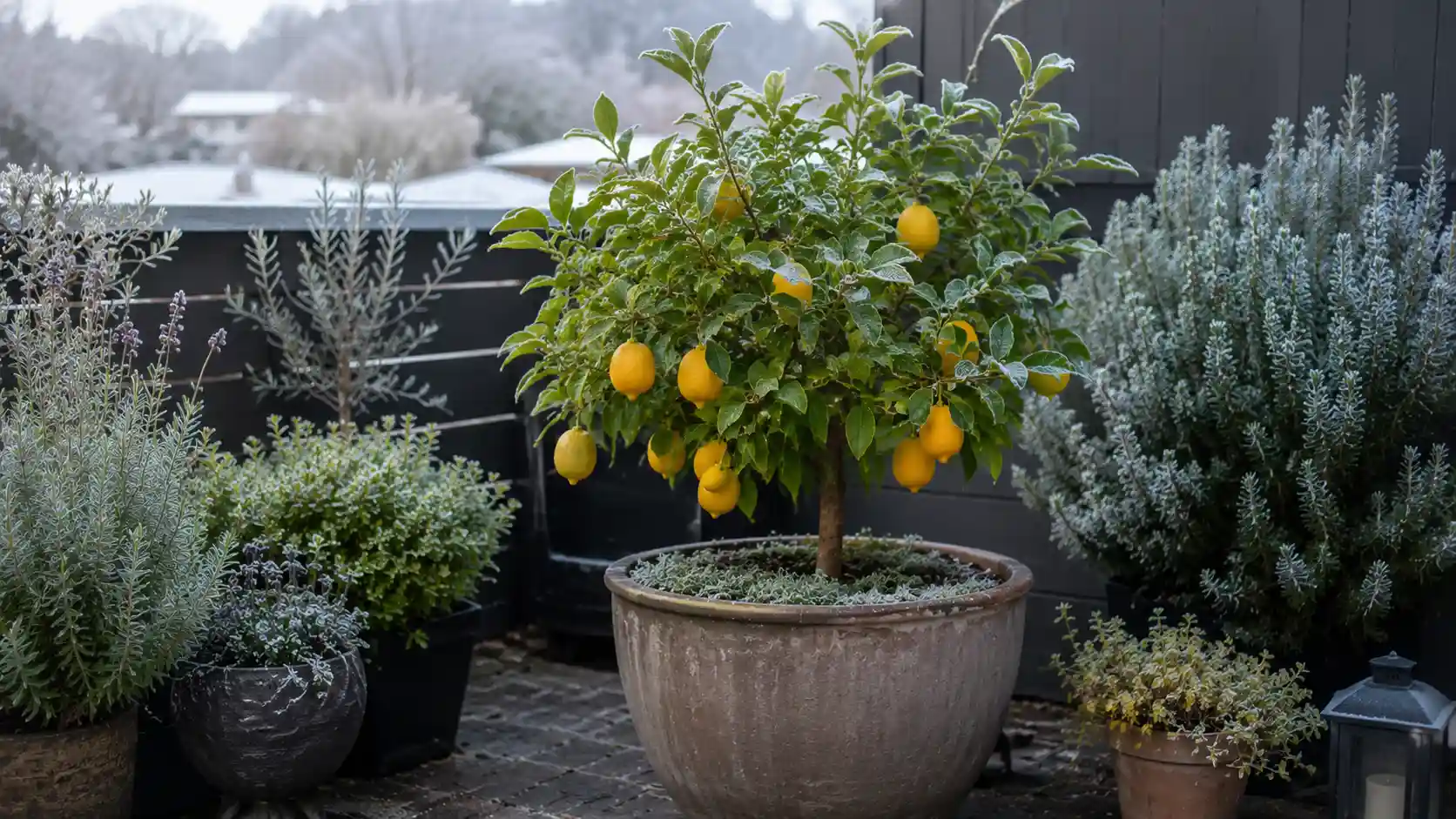
For gardeners searching for the best lemon tree for Melbourne, the Meyer lemon is generally the preferred choice. Melbourne experiences cool winters and occasional frosts, conditions that can challenge more cold-sensitive citrus varieties. For year-round structure and privacy alongside citrus trees, see our guide to Fast Growing Evergreen Trees Australia for suitable companion planting ideas.
Meyer lemons perform particularly well because they combine reliable fruit production with improved cold tolerance. Their compact growth also makes them suitable for growing in containers, allowing gardeners to move trees into sheltered positions during periods of severe weather if necessary.
Meyer lemons are often recommended for Melbourne because they offer:
- Better tolerance of cool temperatures.
- Reliable fruit production in southern Australia.
- Compact growth for suburban gardens.
- Excellent performance in large pots.
- Lower maintenance requirements.
This does not mean Eureka lemons cannot be grown in Melbourne. In warmer suburbs or sheltered microclimates, Eureka trees can grow successfully when planted against a north-facing wall or another protected position that receives maximum sunlight.
Gardeners choosing Eureka in cooler regions should consider:
- Protecting young trees from frost.
- Using frost cloth during severe cold events.
- Planting in well-drained soil.
- Avoiding low-lying areas where cold air settles.
As of the 2026 growing season, many Australian home gardeners continue to favour Meyer lemons for cooler climates because they combine dependable harvests with easier overall management.
Eureka Lemon vs Lisbon Lemon
Although Meyer lemons receive much attention, many gardeners also compare Lisbon vs Eureka lemon because both are true lemon varieties with similar culinary uses.
Both produce highly acidic fruit suitable for cooking, juicing, preserving, and baking. However, they differ in growth habit, fruiting pattern, and overall appearance.
Eureka lemons generally:
- Produce fruit over an extended period.
- Have fewer thorns.
- Develop slightly thicker skin.
- Grow with a more open canopy.
Lisbon lemons generally:
- Produce a heavier winter crop.
- Grow more vigorously.
- Have more prominent thorns.
- Tolerate cooler conditions slightly better than Eureka.
Eureka vs Lisbon Comparison
| Feature | Eureka Lemon | Lisbon Lemon |
| Flavour | Sharp, classic lemon flavour | Sharp, highly acidic flavour |
| Fruiting Period | Nearly year-round in warm climates | Mainly winter with seasonal flushes |
| Tree Size | Medium to large | Large and vigorous |
| Skin Texture | Thick, slightly rough | Smooth to moderately textured |
For most home gardeners, the flavour difference between Eureka and Lisbon lemons is relatively small. The decision usually comes down to preferred fruiting season, tree size, and growing conditions.
Gardeners seeking frequent harvests throughout much of the year often choose Eureka, while those wanting a hardy, vigorous tree with a concentrated winter crop may prefer Lisbon.
Eureka Lemon vs Meyer Lemon vs Lisbon Lemon: Which Should You Choose?
The best lemon variety depends on your climate, available space, and how you intend to use the fruit. While all three trees produce excellent lemons, each variety has distinct advantages for Australian home gardens.
| Feature | Eureka Lemon | Meyer Lemon | Lisbon Lemon |
| Best For | Cooking, juicing, baking | Fresh eating, desserts, pots | Heavy winter harvests, traditional lemon use |
| Flavour | Classic tart | Sweet and mildly acidic | Sharp and highly acidic |
| Cold Tolerance | Moderate | Best of the three | Moderate to good |
| Tree Size | Medium to large | Compact | Large and vigorous |
| Suitable for Pots | Dwarf varieties | Excellent, especially dwarf forms | Dwarf varieties available |
| Fruiting Habit | Nearly year-round in warm climates | Regular crops over a long season | Mainly winter |
Choose a Eureka lemon if you:
- Prefer a traditional tart lemon flavour.
- Cook or bake regularly.
- Want high juice content.
- Live in a warm or frost-free region.
- Have space for a larger tree.
Choose a Meyer lemon if you:
- Enjoy sweeter lemons.
- Live in a cooler climate.
- Have a small backyard, courtyard, or balcony.
- Plan to grow your tree in a pot.
- Want a compact, lower-maintenance citrus tree.
Choose a Lisbon lemon if you:
- Prefer a vigorous tree.
- Want a heavy winter crop.
- Like the flavour of classic lemons.
- Have enough room for a larger canopy.
From our experience growing citrus, Meyer lemons are often the easiest choice for first-time gardeners because they adapt well to a wide range of growing conditions. Gardeners with warm, sunny backyards who value traditional lemon flavour frequently prefer Eureka, while Lisbon appeals to those seeking a hardy, productive true lemon.
Choosing a Dwarf Lemon Tree (Eureka or Meyer) for Pots and Small Gardens
Dwarf citrus trees make it possible to grow lemons even when space is limited. Whether you have a balcony, courtyard, patio, or compact suburban garden, dwarf selections provide reliable harvests while remaining easy to manage. Gardeners with limited space may also like our Super Dwarf Cavendish Banana guide, another excellent fruit plant for pots and compact Australian gardens.
A dwarf Eureka lemon tree retains the same fruit quality as the standard variety but grows on a dwarfing rootstock that limits its mature size. Likewise, a dwarf Meyer lemon offers the same sweet fruit while remaining naturally compact.
Benefits of dwarf lemon trees include:
- Easier pruning and harvesting.
- Suitable for decorative pots.
- Ideal for balconies and courtyards.
- Better control over tree size.
- Easier protection from frost by moving container-grown trees.
When growing dwarf lemons in containers:
- Choose a pot with generous drainage holes.
- Use a premium citrus or fruit tree potting mix.
- Water deeply whenever the top few centimetres of soil become dry.
- Feed regularly with a citrus-specific fertiliser during the active growing season.
- Repot every few years if roots become crowded.
Australian retailers, including garden centres and stores such as Bunnings, commonly stock seasonal citrus varieties including Meyer, Eureka, Lisbon, and dwarf forms. Availability varies by location and season, so gardeners should check with their local nursery for current stock.
For small spaces, Meyer lemons generally outperform Eureka because of their naturally compact habit and improved tolerance of cooler weather, although dwarf Eureka trees remain an excellent option for gardeners wanting traditional tart lemons.
Common Mistakes When Growing Eureka or Meyer Lemon Trees
Many lemon tree problems result from simple cultural mistakes that are easy to avoid with proper care.
Overwatering
Overwatering is one of the most common causes of poor citrus health. Constantly wet soil deprives roots of oxygen and increases the risk of root rot.
To avoid this:
- Plant in free-draining soil.
- Water deeply but less frequently.
- Never allow containers to sit in standing water.
Poor Drainage
Even correctly watered trees struggle in heavy clay or poorly drained sites. Improving drainage with raised beds or suitable soil amendments encourages healthier root development.
Planting in Too Much Shade
Lemon trees require abundant sunlight for flowering and fruit production. Trees grown in shaded locations often develop lush foliage but produce fewer flowers and fruit.
Aim for at least six to eight hours of direct sunlight daily.
Ignoring Frost Risk
Young Eureka lemon trees are especially vulnerable to frost damage.
Protect susceptible trees by:
- Covering them during frost events.
- Planting near north-facing walls.
- Applying mulch to moderate soil temperatures.
- Avoiding frost-prone low-lying areas.
Over-Fertilising
Applying excessive fertiliser encourages leafy growth at the expense of flowers and fruit. Too much nitrogen may also increase susceptibility to certain pests.
Follow the recommended application rates for citrus fertilisers and divide feedings throughout the growing season rather than applying large amounts at once.
Troubleshooting Common Lemon Tree Problems
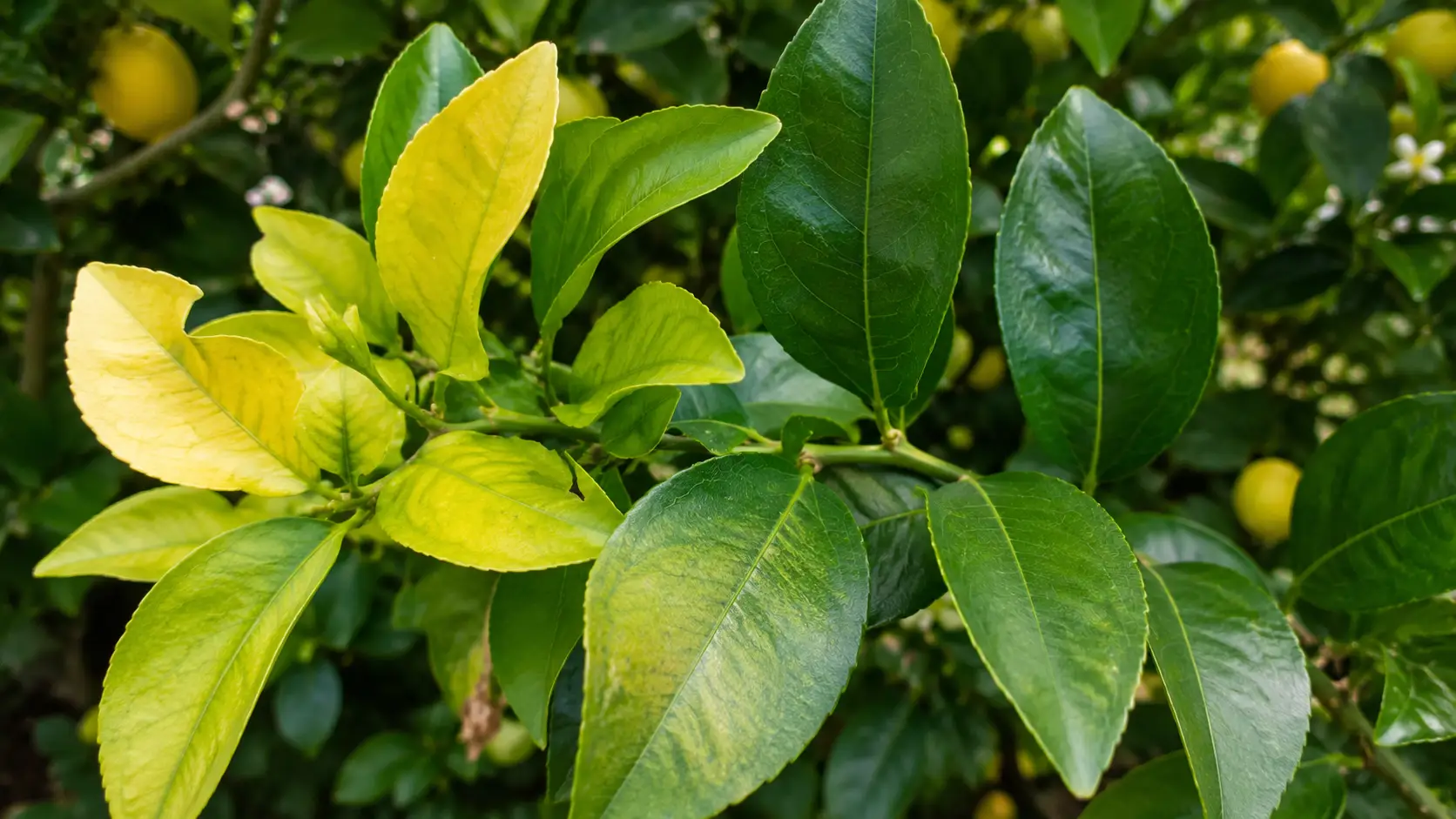
Most lemon tree issues can be resolved by identifying the underlying cause early and adjusting growing conditions.
Yellowing Leaves
Yellow leaves commonly result from:
- Nutrient deficiencies, particularly nitrogen, magnesium, or iron.
- Overwatering.
- Poor drainage.
- Cold stress.
- Root problems.
Solutions include:
- Apply a balanced citrus fertiliser.
- Improve soil drainage.
- Adjust watering frequency.
- Protect trees during periods of cold weather.
- Check soil pH if deficiencies continue despite feeding.
Poor Fruiting or Slow Growth
If your tree flowers poorly or produces little fruit, common causes include:
- Insufficient sunlight.
- Inadequate feeding.
- Young tree age.
- Water stress.
- Heavy pruning that removes flowering wood.
To improve productivity:
- Plant in full sun.
- Feed during spring and summer.
- Water consistently during flowering and fruit development.
- Remove only necessary branches when pruning.
In our experience, consistent feeding and adequate sunlight produce far better results than frequent watering alone. Healthy foliage is important, but abundant flowers ultimately determine future harvests.
Pest Issues
Both Eureka and Meyer lemon trees can be affected by common citrus pests.
These include:
- Aphids.
- Scale insects.
- Citrus leaf miner.
- Mealybugs.
- Spider mites.
Preventative measures include:
- Inspect new growth regularly.
- Encourage beneficial insects.
- Remove heavily infested shoots.
- Maintain good airflow through annual pruning.
- Keep trees healthy with appropriate watering and nutrition.
Healthy, well-maintained trees are generally more resistant to pest outbreaks than stressed or neglected plants. For help identifying aphids, scale insects, citrus leaf miners, and other common pests, see our Garden Pest Identification Guide for Australian Gardens.
Conclusion
Choosing between Eureka lemon vs Meyer lemon ultimately comes down to flavour preference, local climate, and available growing space. Eureka lemons provide the classic tart flavour that many people expect from a traditional lemon and produce generous harvests in warm regions with minimal frost. Meyer lemons, by comparison, offer sweeter fruit, improved cold tolerance, and a naturally compact growth habit that makes them ideal for pots and smaller gardens.
For many Australian gardeners, particularly those in cooler regions such as Melbourne, Meyer lemons are often the easier and more forgiving choice. Gardeners in warmer climates who prioritise strong acidity for cooking, baking, and juicing may find Eureka lemons better suited to their needs. Lisbon lemons remain an excellent alternative for those seeking another vigorous true lemon with reliable winter production.
By matching the right variety to your climate, gardening space, and intended use, you can enjoy healthy trees and productive harvests for many years.
FAQs
What is the main difference between a Eureka lemon and a Meyer lemon?
The primary difference is flavour and parentage. Eureka is a true lemon with a tart, highly acidic taste, while Meyer is a lemon hybrid with sweeter, less acidic fruit and a more compact tree.
Is Meyer lemon sweeter than Eureka lemon?
Yes. Meyer lemons are naturally sweeter and less acidic than Eureka lemons because they are believed to be a hybrid between a lemon and a mandarin or sweet orange. Their flavour is milder and slightly floral.
Which lemon tree is best for Melbourne’s climate?
For most Melbourne gardens, the Meyer lemon is generally the better choice due to its improved tolerance of cooler temperatures and light frosts. Eureka lemons can also grow successfully when planted in warm, sheltered locations.
Can Eureka and Meyer lemon trees be grown in pots?
Yes. Both varieties can be grown successfully in containers, particularly dwarf selections. Meyer lemons are especially well suited to pot culture because of their naturally compact growth habit.
How do Eureka and Lisbon lemons differ?
Both are true lemons with acidic fruit, but Eureka lemons often fruit over a longer period and have fewer thorns, while Lisbon lemons are generally more vigorous and produce a heavier winter crop.
Which lemon variety is best for cooking and baking?
Eureka lemons are widely regarded as the best choice for cooking, baking, marinades, and juicing because of their strong acidity and classic lemon flavour.
Are Meyer lemon trees more frost-tolerant than Eureka lemon trees?
Yes. Meyer lemon trees tolerate cooler temperatures and light frosts better than Eureka lemon trees, making them a popular choice for southern Australian gardens and other regions with cooler winters.
2 Comments