

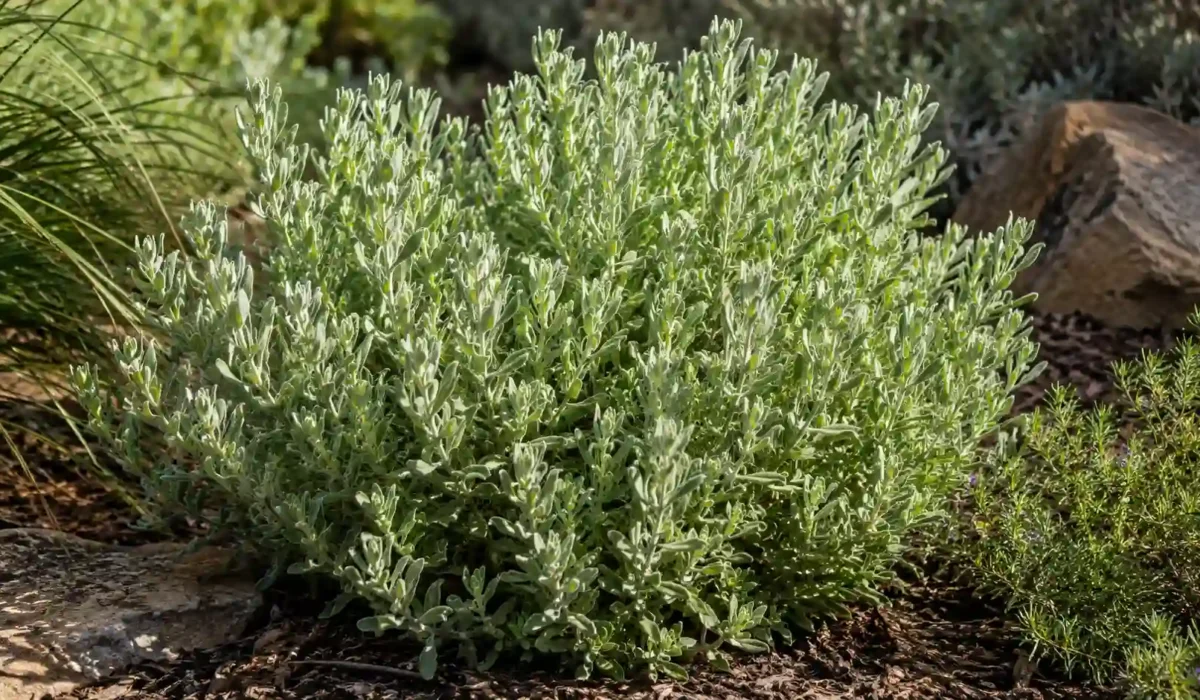
Woolly Bush Problems: Causes, Solutions and Care Guide
Introduction
Woolly bush problems are usually linked to watering, drainage, fertiliser use, or environmental stress. Woolly bush (Adenanthos sericeus) is a popular Australian native shrub valued for its soft silver-green foliage and attractive screening qualities. While generally hardy in suitable conditions, it can develop problems when grown in unsuitable soil, exposed to excessive moisture, or cared for incorrectly. This guide explains the most common woolly bush problems, why they occur, and the practical steps gardeners can take to prevent and solve them.
By Elemo Baker | Plant Care & Gardening Expert
Last Updated: June 2026
Quick Summary
- Overwatering and poor drainage are the most common reasons a woolly bush dies.
- A healthy woolly bush typically lives 10–20 years or longer in suitable conditions.
- Water deeply but infrequently, allowing soil to dry slightly between waterings.
- Woolly bush is a moderate-to-fast-growing Australian native shrub that can make an effective hedge or screen.
What Is a Woolly Bush?
Woolly bush is the common name for Adenanthos sericeus, an Australian native shrub originating from Western Australia. It is also known as Albany woolly bush or adenanthos woolly bush. The plant is prized for its soft, silky foliage that gives it a distinctive woolly appearance. Woolly bush is often chosen for privacy screening, similar to other popular hedge plants discussed in our Photinia Fraseri Robusta: Growth, Care & Hedge Guide. For readers interested in the botanical classification and natural habitat of Adenanthos sericeus, additional background information is available on Wikipedia’s Adenanthos sericeus page.
Gardeners commonly grow woolly bush as:
- A screening plant
- A privacy hedge
- An ornamental feature shrub
- A native garden specimen
- A Christmas tree alternative
Its drought tolerance and attractive texture make it popular throughout many parts of Australia.
Woolly Bush Flowers and Appearance
Woolly bush produces small tubular flowers that are usually red, pink, or reddish-orange. These flowers are often partially hidden among the dense foliage, making them less noticeable than the plant’s distinctive leaves.
Flowering commonly occurs during spring and summer, although timing can vary depending on climate and growing conditions.
Common Woolly Bush Varieties
Several cultivars are available, each with different growth habits.
| Variety | Growth Habit | Typical Size |
| Standard Woolly Bush | Upright shrub | 3–5 m tall |
| Pencil Perfect | Narrow, compact form | 2–4 m tall |
| Silver Streak | Decorative foliage | 2–4 m tall |
Adenanthos ‘Pencil Perfect’ is particularly popular where space is limited because of its narrow growth habit.
What Are Common Woolly Bush Problems? (Overview)
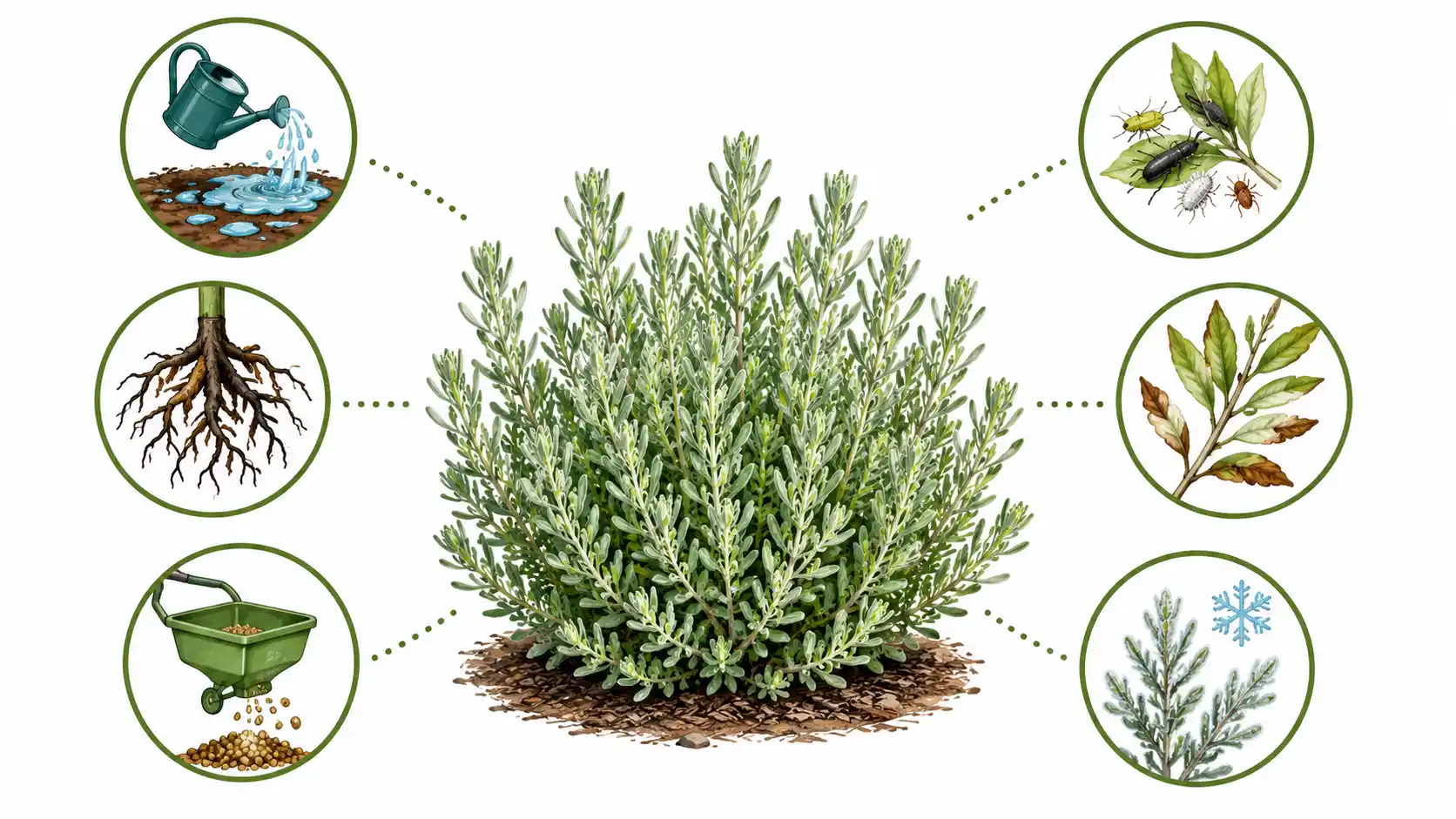
The most common woolly bush problems include poor drainage, root rot, fertiliser damage, pest infestations, seasonal stress, and container-growing issues.
Common problem categories include:
- Root rot from excessive moisture
- Overwatering
- Fertiliser burn from phosphorus-rich products
- Browning foliage
- Scale insect infestations
- Fungal diseases
- Pot-bound root systems
- Winter cold damage
- Environmental stress from unsuitable climates
Why Is My Woolly Bush Dying? (Causes & Fixes)
A dying woolly bush is most often suffering from excess moisture around the roots, poor soil drainage, or inappropriate fertiliser use.
Overwatering and Poor Drainage
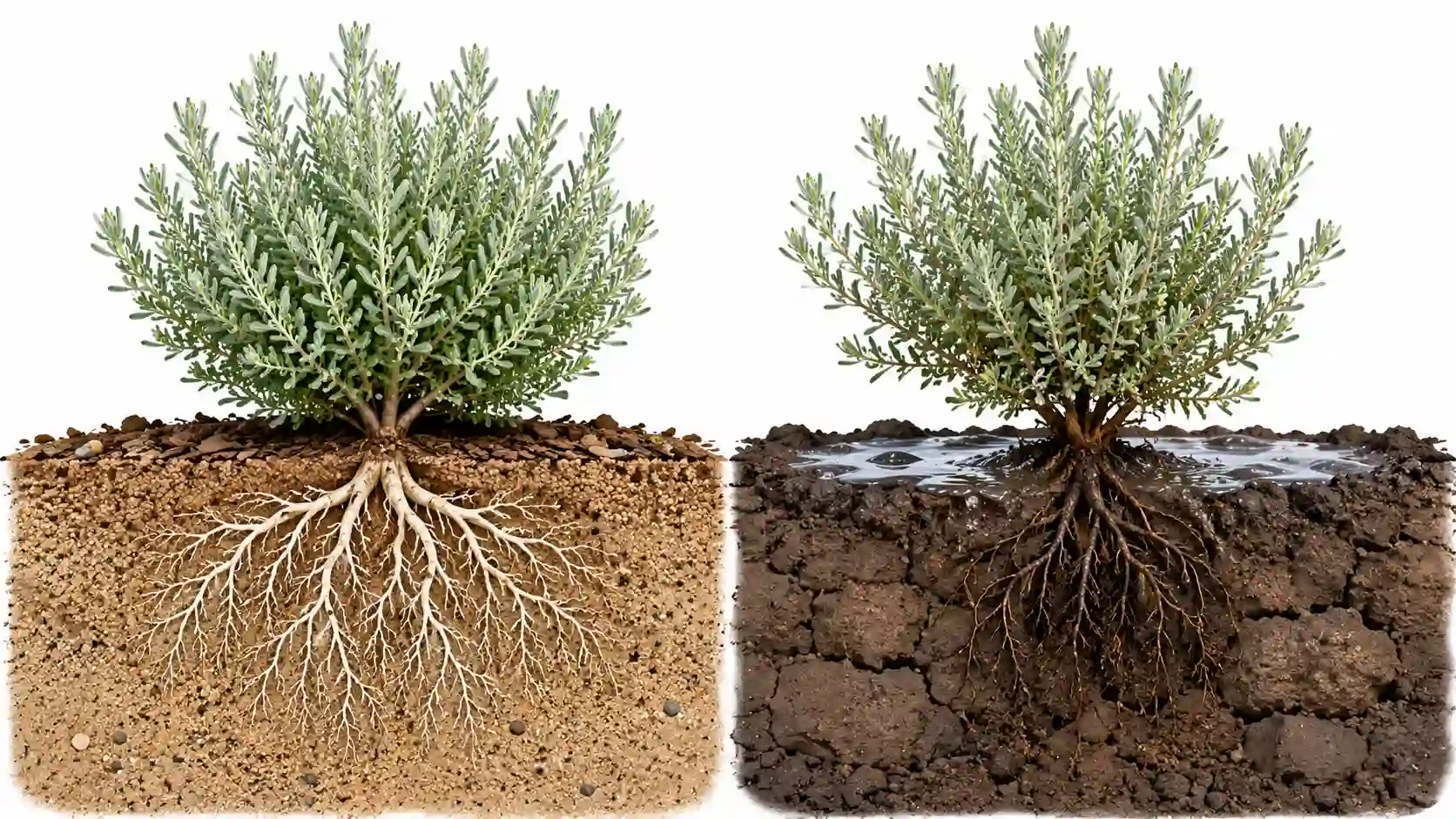
Overwatering is the leading cause of woolly bush decline.
Why it happens:
- Heavy clay soils retain water.
- Roots receive insufficient oxygen.
- Prolonged wet conditions damage root tissue.
How to fix it:
- Improve soil drainage.
- Plant in raised garden beds.
- Reduce watering frequency.
- Remove severely damaged roots if possible.
How to prevent it:
- Incorporate coarse sand or gravel before planting.
- Choose well-drained locations.
- Avoid automatic irrigation systems that water too frequently.
In our experience growing Australian native shrubs, drainage is often more important than watering frequency when preventing woolly bush decline.
Root Rot and Root System Issues
Root rot develops when waterlogged soil allows fungal pathogens to attack roots.
Signs include:
- Yellowing foliage
- Browning branches
- Wilting despite moist soil
- Gradual plant death
The woolly bush root system is generally non-invasive. However, roots tend to be relatively shallow and sensitive to prolonged moisture. Understanding how native tree roots behave can also be helpful when planning landscapes. Our guide on Gum Tree Root System: Root Spread, Problems & Safe Distances explains how Australian native root systems differ in growth and spread.
Are woolly bush roots invasive?
No. Woolly bush roots are not considered invasive. They rarely cause structural damage but can suffer significantly in poorly drained soils.
Native Phosphorus Sensitivity
Like many Australian natives, woolly bush is sensitive to phosphorus.
Why it happens:
- Standard garden fertilisers often contain excessive phosphorus.
- Excess phosphorus can damage root systems.
How to fix it:
- Stop using general-purpose fertilisers.
- Apply a low-phosphorus native fertiliser.
How to prevent it:
- Use native-specific fertilisers from planting onwards.
- Follow label rates carefully.
Elemo Baker recommends feeding woolly bush only when necessary and avoiding over-fertilisation altogether.
Woolly Bush Pests and Diseases
Several pests and diseases can affect woolly bush health.
| Pest or Disease | Symptoms | Treatment |
| Scale insects | Sticky residue, yellowing foliage | Horticultural oil |
| Root rot | Wilting, browning, root decay | Improve drainage |
| Fungal dieback | Branch death, poor growth | Prune affected stems |
| Aphids | Distorted new growth | Water spray or insecticidal soap |
| Sooty mould | Black coating on leaves | Control sap-sucking insects |
Regular inspections help detect problems before serious damage occurs.
Seasonal and Regional Woolly Bush Problems
Environmental conditions significantly influence woolly bush performance.
Winter Stress and Cold Damage
Winter stress commonly causes browning foliage and reduced growth.
Symptoms include:
- Leaf browning
- Frost burn
- Branch dieback
Woolly bush performs best in mild climates and may struggle during severe frosts.
As of winter 2026, growers in colder inland regions continue to recommend frost protection for young plants during extreme cold events.
Climate and Regional Variation Across Australia
Growing conditions vary considerably across Australia.
| Region | Common Challenges |
| Coastal NSW | High humidity, fungal issues |
| Victoria | Frost damage, winter stress |
| Western Australia | Generally favourable conditions |
| Inland Regions | Heat stress and drought |
Humid climates tend to increase disease pressure, while cooler climates increase frost-related problems.
Woolly Bush in Pots: Special Problems
Growing woolly bush in containers creates unique challenges.
Common pot-related problems include:
- Root-bound growth
- Limited drainage
- Faster drying soil
- Nutrient depletion
- Temperature fluctuations
Compared with in-ground plants, potted woolly bushes often require more frequent monitoring. Choose containers with multiple drainage holes and use a free-draining native potting mix. Container-grown plants often face unique watering challenges, similar to those discussed in our Money Tree Australia: Care, Meaning & Buying Guide.
Woolly Bush Care Guide (Preventing Future Problems)
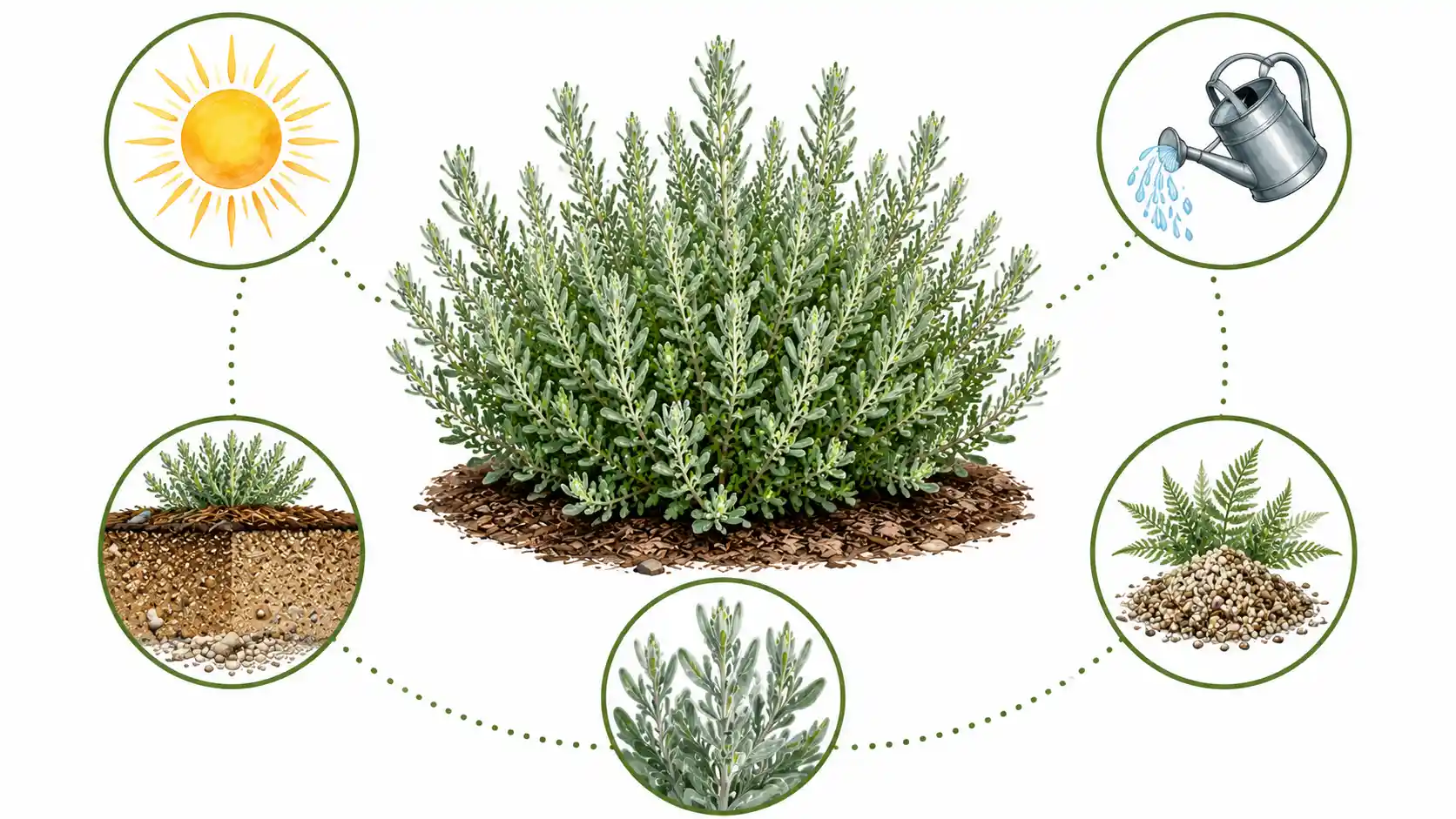
Proper care greatly reduces the risk of woolly bush problems.
Watering Needs
How often should I water a Woolly Bush?
Established plants generally need watering only during extended dry periods. Young plants require more regular watering until roots establish.
Signs of overwatering:
- Yellow leaves
- Soft stems
- Persistent wet soil
Signs of underwatering:
- Wilting
- Dry foliage
- Slower growth
Deep, infrequent watering is usually best.
Light, Soil and Fertilising
Woolly bush grows best in:
- Full sun
- Well-drained sandy soils
- Slightly acidic to neutral soil
Avoid:
- Heavy clay
- Waterlogged sites
- High-phosphorus fertilisers
Use a native-specific fertiliser during active growth periods if additional nutrition is required.
Pruning Woolly Bush
Pruning encourages dense growth and helps prevent legginess.
Best practices include:
- Light pruning after active growth periods
- Removing dead or damaged branches
- Avoiding severe cuts into old wood
Neglected plants can become sparse and straggly. Regular shaping maintains a compact appearance and can reduce Silver Streak growth issues associated with poor structure.
Woolly Bush Growth Rate and Mature Size
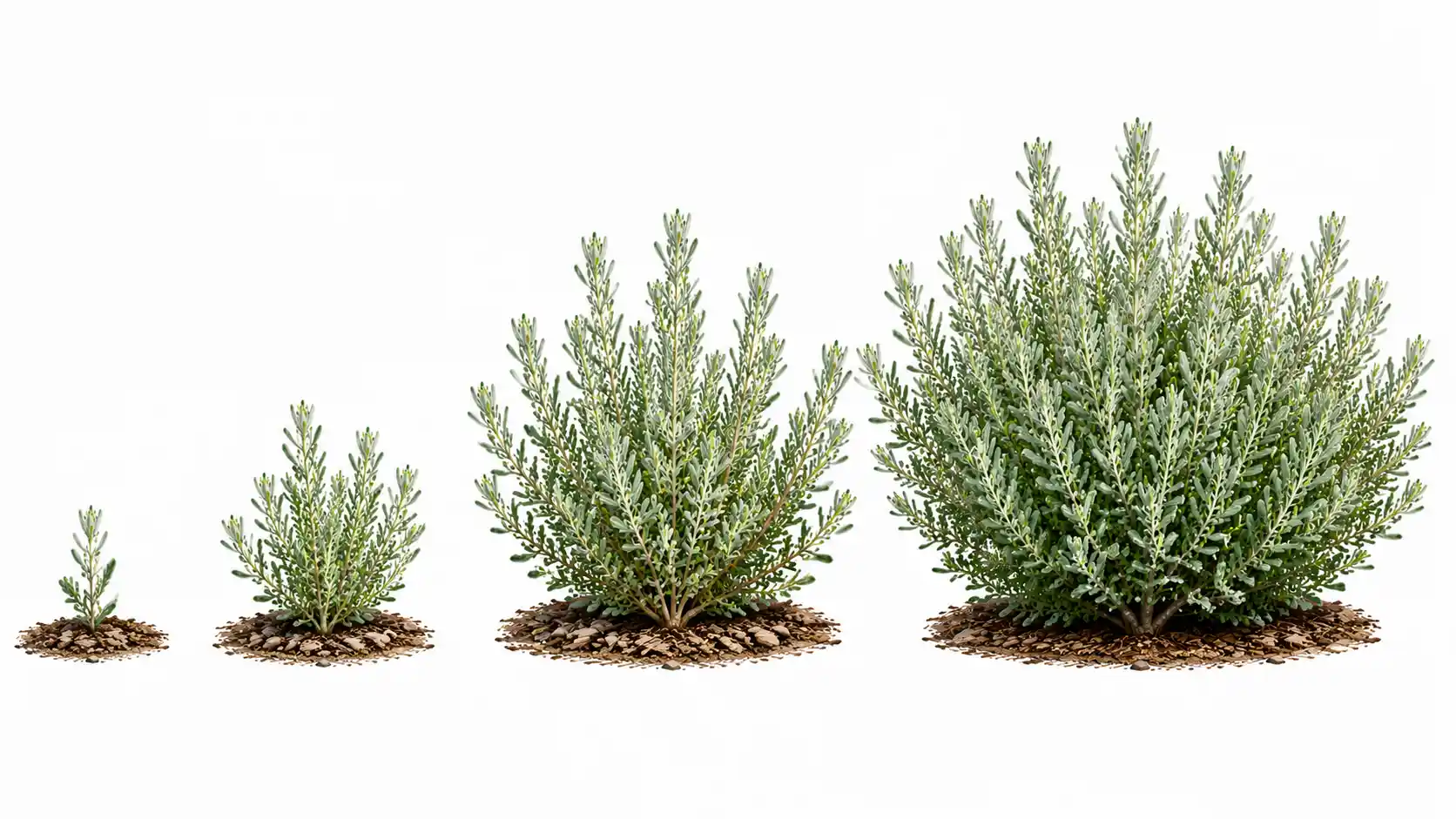
Woolly bush is generally considered a moderate-to-fast-growing shrub. Another Australian landscape favourite worth comparing is covered in our Tuckeroo Tree Growth Rate: Size, Height & Care Guide.
Under favourable conditions, growth may reach:
- 30–60 cm per year
- Faster growth in warm seasons
- Slower growth during winter
If you are comparing hedge species, you may also find our Pittosporum Silver Sheen Growth Rate Guide useful for evaluating growth speed and screening performance.
Typical mature size:
| Growing Condition | Height | Width |
| In-ground | 3–5 m | 2–4 m |
| Large pots | 1.5–3 m | 1–2 m |
| Dwarf cultivars | 2–4 m | 1–2 m |
A mature woolly bush may resemble a small tree or large shrub depending on pruning and cultivar selection. For gardeners seeking rapid privacy solutions, our Fast Growing Evergreen Trees Australia Guide explores additional screening options suitable for Australian conditions.
How Long Does a Woolly Bush Live? (Lifespan)
The lifespan of a woolly bush is typically 10–20 years, although healthy specimens may live longer.
Factors affecting lifespan include:
- Soil drainage
- Climate suitability
- Pest management
- Fertiliser practices
- Watering habits
Plants grown in ideal conditions generally live significantly longer than those exposed to chronic stress.
Using Woolly Bush as a Christmas Tree: Unique Problems
Woolly bush has become a popular Australian Christmas tree alternative.
Common Christmas tree problems include:
- Drying out indoors
- Foliage drop
- Reduced lifespan after cutting
- Heat stress from indoor conditions
To reduce problems:
- Keep the plant well-watered.
- Position away from heaters.
- Limit time spent indoors.
- Return potted specimens outdoors promptly after use.
Living potted woolly bushes usually perform much better than cut branches.
Woolly Bush vs Similar Plants (Comparison)
Several plants are confused with woolly bush because of similar names or foliage appearance.
| Plant | Key Difference |
| Woolly Bush (Adenanthos sericeus) | Silky silver foliage |
| Coastal Rosemary | Different leaf structure |
| Westringia | More compact leaves |
| Tea Tree | Distinct bark and flowers |
Understanding these differences helps gardeners correctly identify and care for their plants.
Beginner Mistakes That Cause Woolly Bush Problems
Many woolly bush issues result from avoidable mistakes.
Common beginner errors include:
- Planting in poorly drained soil
- Overwatering young plants
- Using standard fertilisers
- Choosing unsuitable locations
- Over-pruning
- Ignoring early disease symptoms
In our experience, new gardeners often focus on watering schedules while overlooking drainage, which is usually the more important factor.
Conclusion
Most woolly bush problems can be traced back to poor drainage, excessive watering, phosphorus sensitivity, environmental stress, or unsuitable growing conditions. Woolly bush (Adenanthos sericeus) is a rewarding Australian native shrub when grown in full sun and well-drained soil. By providing appropriate watering, using native-safe fertilisers, monitoring pests, and avoiding common beginner mistakes, gardeners can enjoy healthy growth, attractive foliage, and a longer plant lifespan.
FAQs
What is the lifespan of a Woolly Bush?
A woolly bush typically lives between 10 and 20 years. Good drainage, proper watering, and suitable climate conditions can extend its lifespan.
What are common Woolly Bush problems?
Common woolly bush problems include root rot, overwatering, phosphorus toxicity, scale insects, fungal diseases, winter stress, and container-related drainage issues.
How often should I water a Woolly Bush?
Young plants require regular watering during establishment. Mature plants generally need deep but infrequent watering, especially during extended dry periods.
Is Woolly Bush fast growing?
Yes. Woolly bush is generally considered a moderate-to-fast-growing shrub and may grow 30–60 cm annually under favourable conditions.
Are Woolly Bush roots invasive?
No. Woolly bush roots are not invasive. They are typically shallow and unlikely to damage structures but are sensitive to poorly drained soils.
Why is my Woolly Bush going brown?
Browning foliage is often caused by overwatering, poor drainage, root rot, frost damage, drought stress, or nutrient-related problems. Identifying the underlying cause is essential for successful treatment.
2 Comments