

Are Imperial Mandarins Seedless?
Introduction
Imperial mandarins are widely marketed as seedless, but the more accurate description is that they are low-seed or almost seedless. If you’ve ever wondered, are Imperial mandarins seedless or do Imperial mandarins have seeds, the answer depends largely on how and where they are grown. Imperial is Australia’s earliest-season commercial mandarin variety, prized for its sweet flavour, easy-peeling skin, and consistently low seed count. For readers interested in the broader history and botanical classification of mandarins, the Wikipedia article on Mandarin oranges provides additional background information. However, nearby citrus trees and cross-pollination can increase the number of seeds in the fruit. This guide explains why seed counts vary, compares Imperial with other popular mandarin varieties, and explores what makes it one of Australia’s favourite citrus choices.
Quick Summary
- Imperial mandarins are usually seedless or contain very few seeds, generally fewer than four per fruit when grown away from cross-pollinating citrus.
- Seed numbers increase when Imperial trees are planted near compatible citrus varieties that allow bee-mediated cross-pollination.
- Compared with Afourer, Murcott, and Clementine, Imperial is one of Australia’s lowest-seed commercial mandarins, although some specialty cultivars such as Sumo and Satsuma are bred for consistently seedless fruit.
- Imperial is Australia’s earliest-ripening commercial mandarin and is typically available from April through August.
Are Imperial Mandarins Seedless? The Short Answer
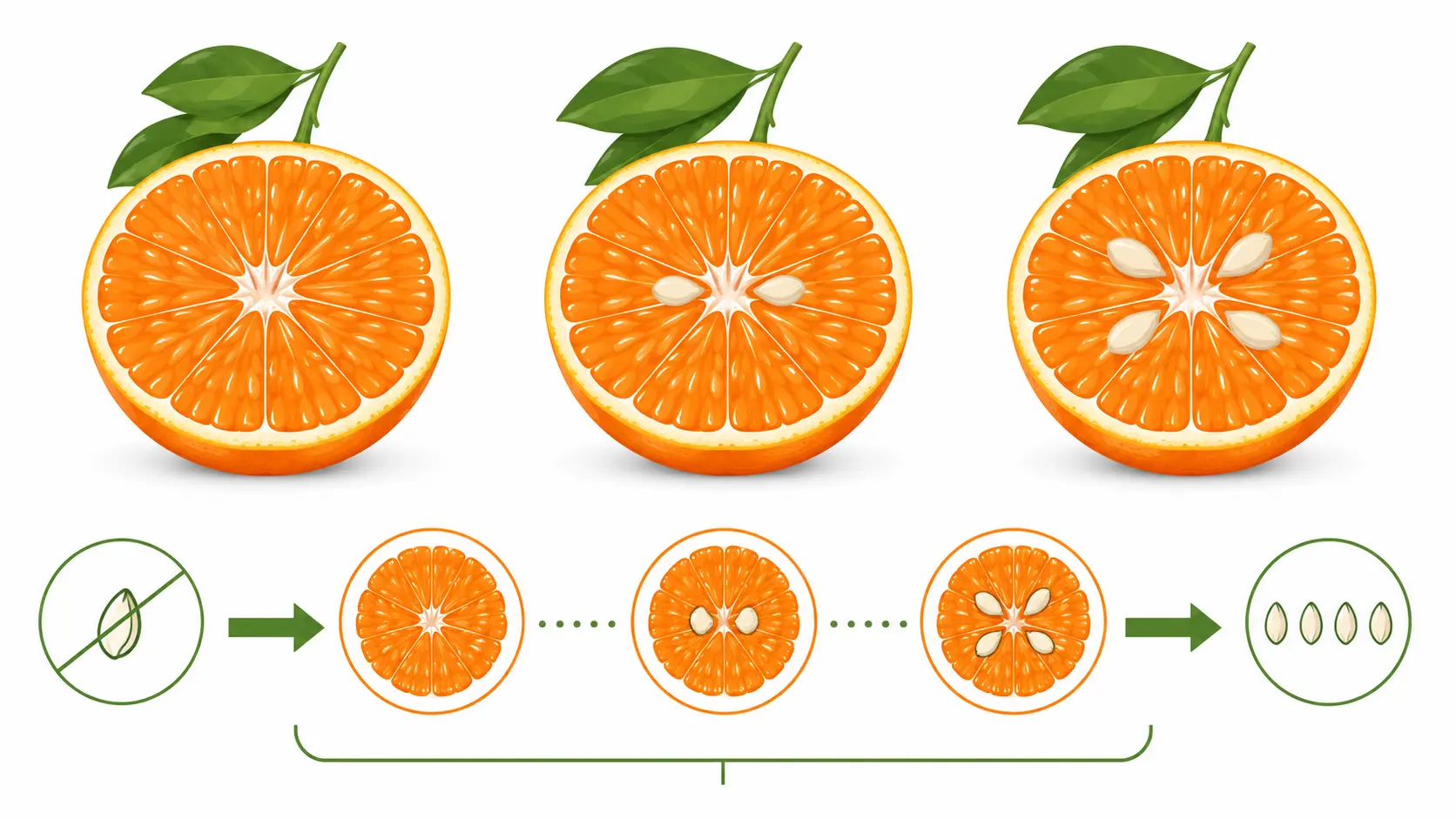
Yes, Imperial mandarins are seedless in many situations, but they are more accurately classified as low-seed rather than completely seedless. Most Imperial mandarins contain no seeds or fewer than four seeds per fruit when grown under suitable orchard conditions. Complete seedlessness cannot be guaranteed because seed development depends largely on pollination.
For anyone asking are Imperial mandarins seedless in Australia, the answer is generally yes from a consumer perspective. Commercial growers manage orchards to minimise seed formation, making Imperial one of the most reliable low-seed mandarins available across Australia.
The variety belongs to the species Citrus reticulata and has earned its reputation through a combination of excellent eating quality, early maturity, and naturally low seed production. Unlike some citrus varieties that consistently develop numerous seeds, Imperial typically remains nearly seedless unless external pollination occurs.
In our experience growing citrus, gardeners are often surprised when a backyard Imperial tree suddenly produces more seeds than expected. This usually reflects changes in nearby flowering citrus rather than any problem with the tree itself.
Why Seed Count Varies — The Role of Cross-Pollination
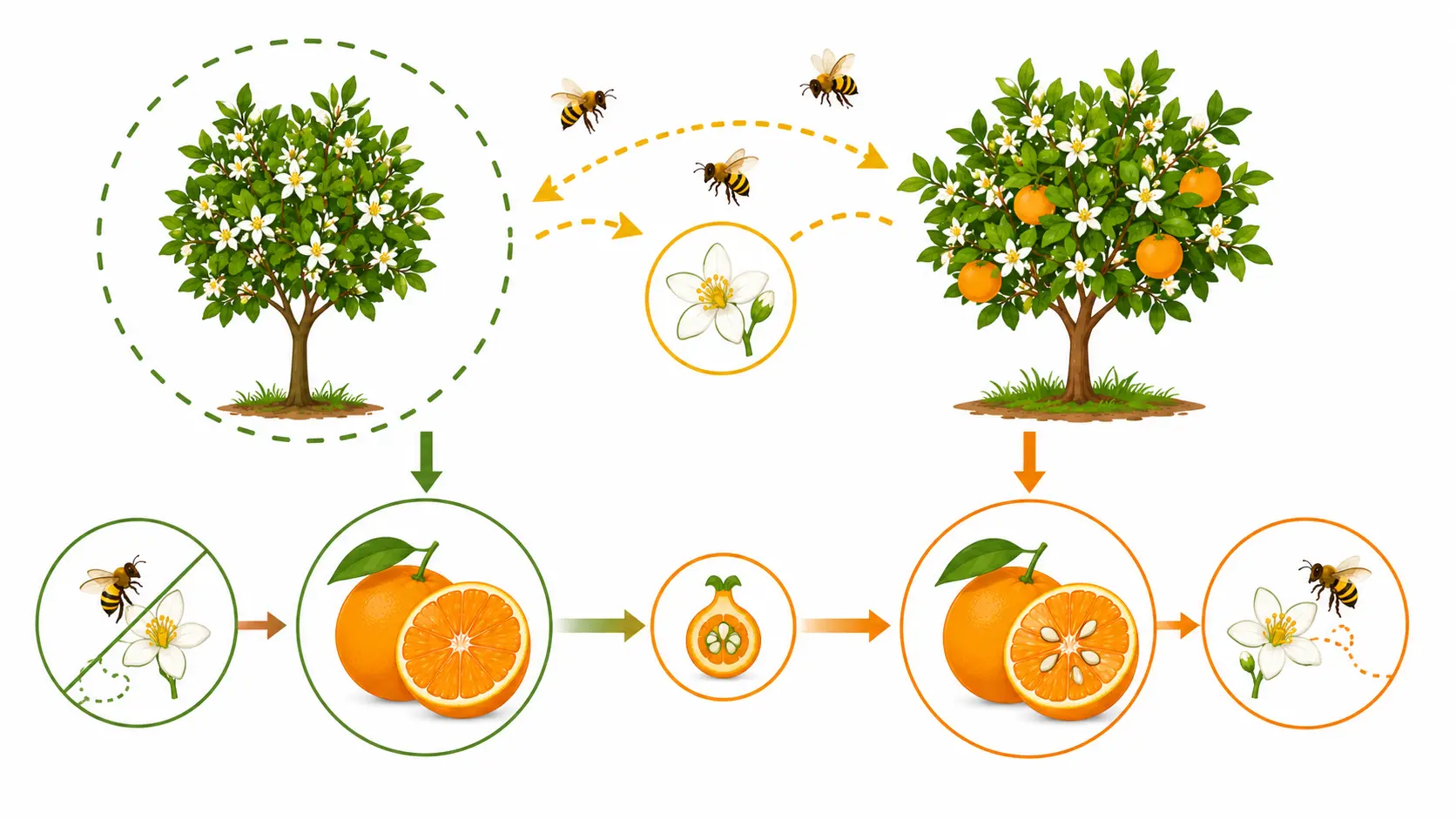
Cross-pollination is the primary reason Imperial mandarins sometimes develop more seeds.
When bees transfer pollen from compatible citrus varieties to Imperial mandarin blossoms, fertilisation occurs, allowing seeds to form inside the fruit. Without compatible pollen, many Imperial fruits develop with very few or no seeds at all.
Several factors influence seed production:
- Nearby flowering citrus varieties
- Bee activity during bloom
- Orchard spacing and layout
- Weather conditions during flowering
- Availability of compatible pollen
Commercial citrus orchards often reduce seed formation by carefully planning orchard layouts. Low-seed varieties may be planted away from highly compatible pollinating varieties, helping growers consistently produce fruit with minimal seeds.
For home gardeners, planting an Imperial tree close to oranges, lemons, Murcott mandarins, or other flowering citrus may increase the number of seeds in future harvests.
Elemo Baker recommends checking nearby citrus plantings before expecting completely seedless fruit. Even neighbouring gardens can contribute pollen if bees regularly visit the blossoms.
Do Imperial Mandarins Have Seeds at the Supermarket? (Coles & Woolworths)
For most shoppers, Imperial mandarins purchased from major Australian supermarkets contain either no seeds or very few seeds.
Commercial suppliers providing fruit to retailers such as Coles and Woolworths generally source Imperial mandarins from professionally managed orchards where seed development is minimised through careful variety selection and orchard management. As a result, consumers rarely encounter heavily seeded Imperial fruit.
If you’re searching which mandarins are seedless at Coles or which mandarins are seedless Woolworths, Imperial is commonly among the best choices during its seasonal availability.
However, natural variation still occurs. Some fruit may contain one or two seeds, while others remain completely seedless. This variation reflects growing conditions rather than differences in fruit quality.
Consumers should remember that “seedless” on citrus labels generally means very low seed content rather than an absolute guarantee that every fruit will contain zero seeds.
What Mandarins Are Seedless in Australia?
Australia produces several mandarin varieties known for low seed counts or seedless characteristics. While no commercial mandarin can guarantee complete seedlessness under every growing condition, some varieties consistently produce very few seeds when grown in suitable orchards.
Popular seedless or low-seed mandarin varieties available in Australia include:
- Imperial – naturally low-seed and Australia’s earliest commercial mandarin.
- Afourer – usually seedless when grown in isolation but develops seeds after cross-pollination.
- Satsuma varieties – among the most reliably seedless mandarins available.
- Sumo Citrus – bred for excellent eating quality with virtually seedless fruit.
- Selected Clementine cultivars – often seedless when isolated from compatible citrus.
- Low-seed Murcott selections such as Mor, IRM1 and IRM2 – improved strains with fewer seeds than traditional Murcott.
For gardeners choosing a backyard citrus tree, understanding pollination is just as important as selecting the variety itself. Even naturally low-seed cultivars can produce additional seeds if compatible citrus trees flower nearby. If you enjoy comparing different fruit varieties, you may also like our Soursop vs Custard Apple: Key Differences Explained guide, which explores how two popular tropical fruits differ in flavour, texture, and growing requirements.
As of the current Australian growing season, many commercial orchards continue using orchard isolation and careful variety placement as standard practice to maintain the low-seed quality consumers expect from premium mandarins.
Table — Seediness Comparison of Popular Australian Mandarin Varieties
| Variety | Typical Seed Count | Season | Flavour Notes |
| Imperial | Usually 0–4 seeds | April–August | Sweet, mild, juicy and easy to peel |
| Afourer | Usually seedless when isolated; more seeds if cross-pollinated | July–October | Sweet, rich flavour with deep orange flesh |
| Murcott (Honey Murcott) | Variable; from low-seed to many seeds depending on strain and pollination | August–October | Rich, honey-like sweetness with balanced acidity |
| Clementine | Usually seedless when grown in isolation | May–July | Sweet, delicate flavour with low acidity |
| Satsuma | Usually seedless | March–June | Mild, tender flesh with refreshing sweetness |
| Sumo Citrus | Virtually seedless | July–September | Very sweet, juicy and easy to segment |
Imperial Mandarin vs Afourer Mandarin
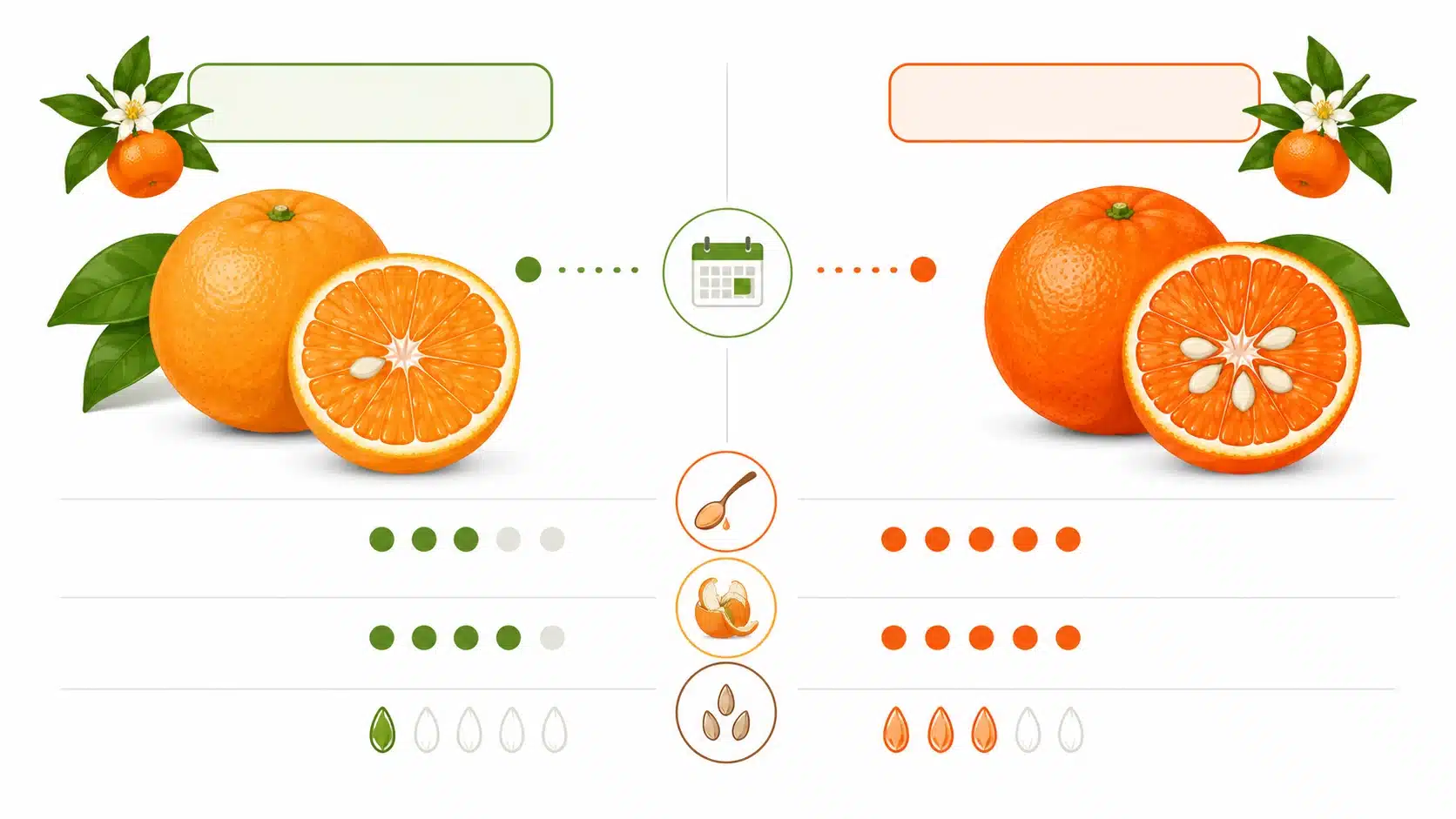
Imperial and Afourer are two of Australia’s most popular mandarin varieties, but they differ in seediness, harvest season, flavour, and appearance. If you’re comparing mandarin Afourer vs Imperial, the best choice depends on whether you prefer an earlier harvest, sweeter flavour, or the lowest possible seed count.
Imperial mandarins generally have fewer seeds than Afourer under typical growing conditions. Both varieties can produce almost seedless fruit when grown away from compatible citrus, but Afourer is often more likely to develop seeds if cross-pollination occurs.
Imperial also reaches maturity earlier, making it the first widely available commercial mandarin of the Australian citrus season. Afourer extends the season later into winter and early spring.
From a flavour perspective, Imperial offers a mild, balanced sweetness with tender, juicy flesh. Afourer is typically sweeter, has a richer citrus flavour, and develops a deeper orange colour as it ripens. Both varieties have easy-peeling skins, making them excellent choices for fresh eating.
If you’re wondering are Afourer mandarins seedless or do Afourer mandarins have seeds, the answer is similar to Imperial. They are generally low-seed or seedless when isolated from compatible citrus, but nearby pollinating varieties can significantly increase seed numbers.
In our experience growing both varieties, Imperial is ideal for gardeners wanting an early crop with consistently low seed counts, while Afourer suits those looking to extend the harvest season with exceptionally sweet fruit.
Comparison Table — Imperial vs Afourer
| Feature | Imperial | Afourer |
| Seediness | Usually 0–4 seeds | Usually seedless when isolated; more seeds after cross-pollination |
| Harvest season | April–August | July–October |
| Skin colour | Bright orange | Deep orange to reddish-orange |
| Sweetness | Mild and balanced | Richer and sweeter |
| Peelability | Very easy to peel | Easy to peel |
Emperor Mandarin vs Imperial Mandarin — Clearing Up the Naming Confusion
Many people search for Emperor vs Imperial mandarin or refer to an Emperor mandarin, but in Australian citrus classification there is no widely recognised commercial mandarin variety called “Emperor.”
In most cases, “Emperor mandarin” is simply a naming mistake or confusion with the well-known Imperial mandarin. Because Imperial has been Australia’s leading early-season mandarin for many years, its name is sometimes misremembered or misspelled.
Online searches commonly include spelling variations such as:
- Mandarine
- Manderin
- Madarin
- Emperor mandarin
- Mandarin Emperor
Although these searches use different spellings or names, they usually refer to the same fruit—Imperial mandarin.
When purchasing nursery trees or fruit, always look for the correct variety name, Imperial, to ensure you receive the recognised Australian cultivar.
Elemo Baker recommends buying citrus trees from reputable nurseries that clearly label rootstock and variety names. Accurate labelling helps avoid confusion and ensures you grow the variety you expect.
How Does Imperial Compare With Other Popular Seeded Varieties?
Imperial is frequently compared with Murcott and Clementine because all three are popular eating mandarins. Although each belongs to the mandarin group (Citrus reticulata), their seed characteristics vary depending on cultivar selection and pollination.
Murcott
People often ask, are Murcott mandarins seedless?
The answer depends on the strain. Traditional Honey Murcott can produce a considerable number of seeds, especially when cross-pollination occurs. However, improved cultivars such as Mor, IRM1, and IRM2 have been developed specifically to reduce seed numbers while maintaining the variety’s distinctive sweetness.
Compared with Murcott, Imperial generally provides more consistent low-seed fruit for both home gardeners and commercial growers.
Clementine
Another common question is, are Clementine mandarins seedless?
Many Clementine selections produce seedless fruit when grown in isolation. Like Imperial and Afourer, however, compatible pollen from nearby citrus trees can trigger seed formation.
Clementines are valued for their delicate sweetness, smooth texture, and easy peeling, but maintaining low seed counts requires similar orchard management practices.
Japanese Seedless Mandarins vs Imperial
Japanese seedless mandarins, particularly Satsuma types, are among the most reliably seedless citrus varieties available. They naturally produce very few seeds and are less affected by pollination than many other mandarins.
Compared with these Japanese cultivars, Imperial offers:
- Earlier commercial availability in many Australian regions.
- A sweeter flavour than some Satsuma varieties.
- Excellent peeling characteristics.
- Naturally low seed counts, although not always completely seedless.
For Australian gardeners, Imperial remains one of the best overall choices because it combines dependable cropping, excellent eating quality, and broad climate adaptability.
Growing an Imperial Mandarin Tree at Home
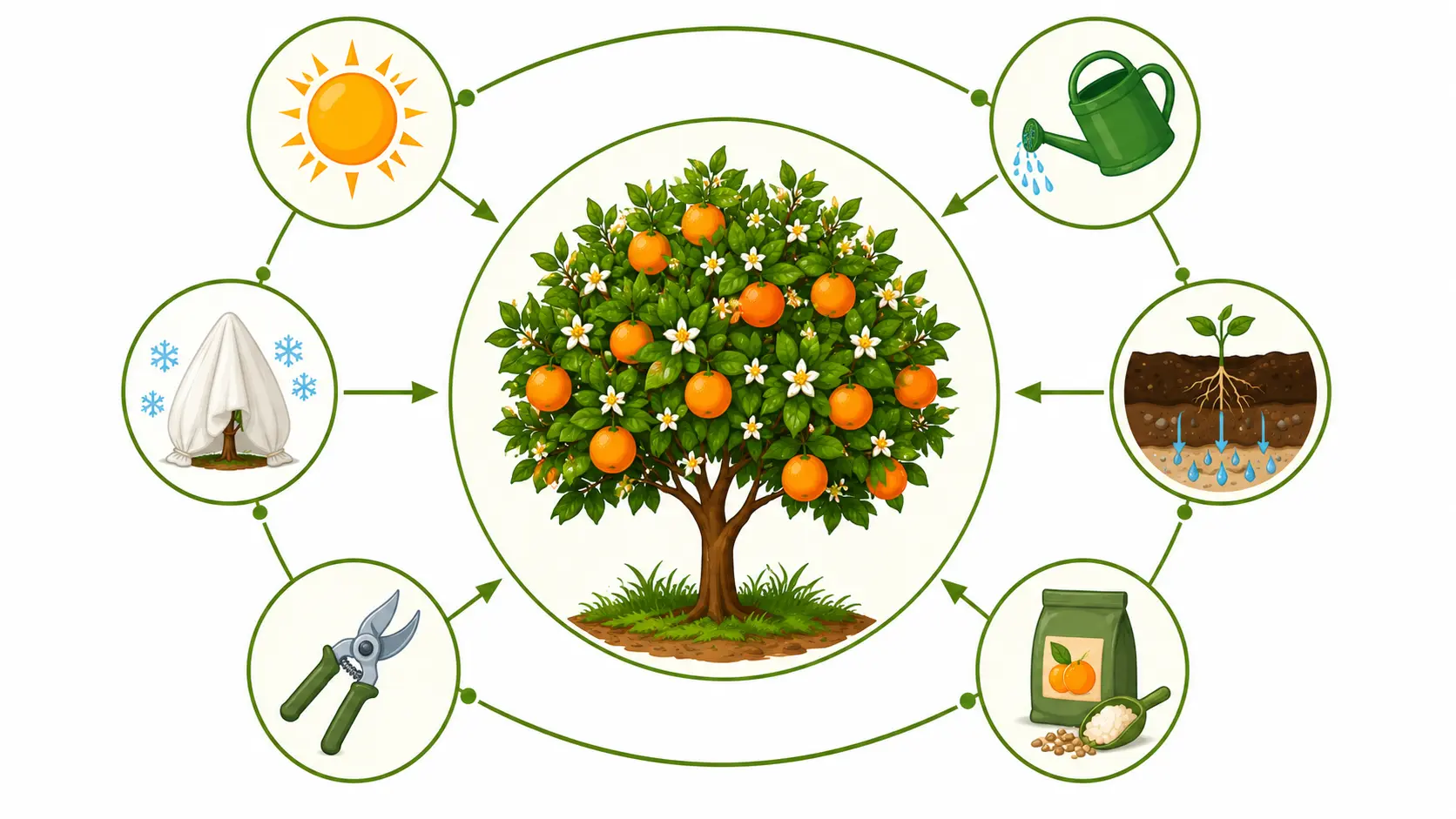
Imperial mandarin trees are well suited to Australian home gardens and perform equally well in the ground or in large containers. Their manageable size, attractive evergreen foliage, fragrant spring flowers, and sweet fruit make them one of the most rewarding backyard citrus trees. For added seasonal colour around your citrus trees, explore our Tree With Pink Flowers Australia: Identification Guide for attractive flowering species suited to Australian gardens.
With proper care, an Imperial tree can remain productive for many years while producing generous crops each season. Many gardeners pair citrus with privacy plantings, so our Fast Growing Evergreen Trees Australia Guide can help you choose suitable companion trees for your landscape.
In our experience growing Imperial mandarins, trees planted in full sun with good drainage consistently develop healthier foliage, stronger flowering, and higher-quality fruit than those grown in shaded or poorly drained locations. If you’re creating a mixed Australian landscape, our Tuckeroo Tree Growth Rate: Size, Height & Care Guide is another useful resource for selecting complementary garden trees.
Plant Size
Imperial mandarin trees typically reach between 2 and 4 metres in height and develop a similar spread at maturity. Their naturally compact, upright growth habit makes them suitable for suburban gardens where space is limited. Before planting any fruit tree, it’s worth understanding nearby tree roots. Our Gum Tree Root System: Root Spread, Problems & Safe Distances guide explains how large root systems can affect garden planning.
Several factors influence mature size:
- Rootstock selection.
- Climate conditions.
- Soil quality.
- Pruning practices.
- Whether the tree is grown in the ground or in a container.
Dwarf-grafted Imperial trees are widely available and usually remain under 2 metres tall, making them ideal for patios, balconies, and courtyards. If you’re planning a productive backyard, consider combining citrus with a screening hedge—our Photinia Fraseri Robusta: Growth, Care & Hedge Guide explains one of Australia’s most popular hedge plants.
Container-grown trees generally stay smaller because root growth is naturally restricted, although they still require regular watering and feeding to remain productive.
Growth Rate
Imperial mandarins have a moderate growth rate, which is typical of most citrus trees.
Young trees produce several flushes of new growth throughout the warmer months, particularly during spring and early summer. Growth slows significantly during cooler weather before accelerating again as temperatures rise.
Growth speed depends on several environmental factors, including:
- Warm temperatures.
- Full sunlight.
- Consistent watering.
- Fertile, well-drained soil.
- Regular citrus fertiliser applications.
Healthy young trees often begin producing fruit within three to five years after planting, depending on their age at purchase and the rootstock used.
Care Guide
Imperial mandarins are relatively easy to maintain when provided with the right growing conditions. If you’re expanding your home garden, our Money Tree Australia: Care, Meaning & Buying Guide offers another easy-care plant suitable for Australian conditions.
| Care Requirement | Recommendation |
| Watering | Water regularly, allowing the soil to remain evenly moist but never waterlogged. Reduce watering during cooler months while avoiding prolonged dry periods. |
| Light | Plant in full sun for at least six to eight hours each day to encourage flowering, fruit development, and sweeter fruit. |
| Soil | Grow in fertile, well-drained soil with good organic matter. Avoid heavy clay that remains wet after rain. |
| Fertiliser | Apply a citrus-specific fertiliser several times during the growing season following product recommendations. Young trees benefit from lighter, more frequent feeding. |
| Pruning | Prune lightly after harvesting to remove dead, damaged, or crossing branches while maintaining an open canopy. Avoid excessive pruning, which may reduce the following season’s crop. |
| Climate | Imperial mandarins perform best in frost-free and mild-frost regions. Established trees tolerate occasional light frost better than newly planted specimens but should still be protected from severe freezing conditions. |
Elemo Baker recommends applying a layer of organic mulch around the base of the tree while keeping it clear of the trunk. This helps conserve soil moisture, suppress weeds, and support healthy root growth throughout the warmer months. For gardeners wanting additional privacy around fruit trees, our Pittosporum Silver Sheen Growth Rate Guide explains how quickly this popular screening plant establishes.
As of the current growing season, many Australian citrus growers continue recommending balanced citrus fertilisers combined with deep, infrequent watering to encourage stronger root systems and consistent fruit production.
Common Imperial Mandarin Growing Problems (and How to Fix Them)
Imperial mandarin trees are generally reliable and productive, but like all citrus, they can develop problems if growing conditions are unsuitable. Most issues can be corrected by identifying the underlying cause and adjusting watering, nutrition, or tree placement. Interested in solving plant health issues? Our Woolly Bush Problems: Causes, Solutions and Care Guide covers diagnosing and fixing common growing problems in another popular Australian plant.
Yellowing Leaves
Yellow leaves are one of the most common concerns for home gardeners.
In most cases, yellowing is caused by nutrient deficiencies—particularly nitrogen, iron, or magnesium—or by overwatering, which limits oxygen around the roots.
Common causes:
- Overwatering or poorly drained soil
- Nitrogen deficiency
- Iron or magnesium deficiency
- Compacted soil affecting root health
How to fix it:
- Check that the soil drains freely after watering.
- Water only when the top layer of soil begins to dry.
- Apply a quality citrus-specific fertiliser containing essential trace elements.
- Improve soil structure with organic matter if drainage is poor.
How to prevent it:
Maintain a regular watering schedule, avoid waterlogged soil, and feed the tree during the active growing season using a balanced citrus fertiliser.
Fruit with More Seeds Than Expected
Many gardeners expect every Imperial mandarin to be completely seedless, but fruit containing several seeds is usually the result of cross-pollination.
When bees carry pollen from nearby compatible citrus trees, seeds are more likely to develop inside the fruit.
How to fix it:
- Plant Imperial trees away from compatible citrus varieties where possible.
- If growing multiple citrus trees, increase the distance between varieties.
- In small home gardens, temporary insect netting during flowering may reduce cross-pollination where practical.
Although these measures can reduce seed formation, no method guarantees completely seedless fruit under all conditions.
Poor Fruit Set or Slow Growth
An Imperial mandarin tree that produces little fruit or grows slowly is often lacking one or more essential growing requirements.
Possible causes include:
- Too little sunlight
- Poor soil drainage
- Inadequate fertilising
- Irregular watering
- Competition from weeds or lawn around the root zone
How to fix it:
- Ensure the tree receives at least six hours of direct sunlight daily.
- Improve drainage before planting if the site remains wet.
- Feed regularly with a citrus fertiliser.
- Water deeply during dry periods.
- Keep grass and weeds away from the base of the tree.
In our experience, trees planted in open, sunny positions with consistent feeding establish more quickly and produce heavier crops than those grown in shaded locations.
Pest Issues (Citrus Leafminer and Scale)
Imperial mandarins may occasionally be affected by common citrus pests.
Citrus leafminer
Young leaves develop silvery, winding tunnels as larvae feed within the leaf tissue. Damage is usually cosmetic but can distort new growth on young trees.
Management:
- Remove heavily damaged shoots if practical.
- Encourage beneficial insects.
- Apply horticultural oils according to label directions during vulnerable growth stages if infestations become severe.
Scale insects
Scale insects attach themselves to stems and leaves, feeding on plant sap. Heavy infestations weaken the tree and encourage sooty mould through honeydew production.
Management:
- Remove small infestations by hand where possible.
- Spray with horticultural oil during suitable weather conditions.
- Encourage natural predators such as ladybirds.
Regular inspections throughout spring and summer help identify pest problems before they become widespread.
Beginner Mistakes When Choosing or Growing “Seedless” Mandarins
Many disappointments with so-called seedless mandarins result from misunderstandings rather than poor-quality trees. Knowing what to expect helps gardeners achieve better long-term results.
Common beginner mistakes include:
- Assuming “seedless” always means zero seeds. Most commercial seedless mandarins are more accurately described as low-seed varieties. Environmental conditions still influence seed development.
- Planting Imperial too close to other citrus trees. Nearby compatible citrus increases the chance of cross-pollination, leading to fruit with more seeds than expected.
- Confusing Imperial with similarly named varieties. Searches for Emperor, Afourer, or other similar names can create confusion when purchasing nursery trees or fruit. Always verify the correct variety name before buying.
- Ignoring pollination requirements. Even excellent orchard management cannot guarantee completely seedless fruit if compatible pollen is readily available.
- Choosing the wrong location. Planting in heavy shade or poorly drained soil often results in slower growth, fewer flowers, and lower-quality fruit.
- Overwatering young trees. Citrus roots require oxygen as well as moisture. Constantly wet soil commonly leads to poor root health and yellowing leaves.
Elemo Baker recommends researching both the variety and the planting site before purchasing a tree. A well-positioned Imperial mandarin will generally outperform a poorly located “seedless” variety every time.
Conclusion
So, are Imperial mandarins seedless? The most accurate answer is that they are low-seed rather than guaranteed seedless. Under ideal growing conditions, most Imperial mandarins contain no seeds or only a few, making them one of Australia’s most dependable low-seed commercial varieties. However, nearby flowering citrus and cross-pollination can increase seed development, even in professionally managed orchards and home gardens.
Beyond their low seed count, Imperial mandarins remain popular because of their early harvest season, sweet flavour, easy-peeling skin, and suitability for Australian climates. Whether you’re buying fresh fruit or growing your own tree, understanding how pollination influences seed formation helps set realistic expectations.
For gardeners and citrus lovers alike, Imperial continues to be one of Australia’s best choices for reliable, high-quality mandarins with consistently low seed counts.
Frequently Asked Questions
Do Imperial mandarins have seeds?
Imperial mandarins usually contain no seeds or fewer than four seeds per fruit when grown away from compatible citrus varieties. Cross-pollination by bees can increase seed numbers, so they are best described as low-seed rather than completely seedless.
Which mandarins are seedless in Australia?
Popular low-seed or seedless mandarins available in Australia include Imperial, Afourer, Satsuma varieties, Sumo Citrus, selected Clementine cultivars, and improved low-seed Murcott strains such as Mor, IRM1, and IRM2. Seed counts still depend on pollination conditions.
What’s the difference between Imperial and Afourer mandarins?
Imperial mandarins ripen earlier in the season, usually contain fewer seeds, and have a mild, sweet flavour. Afourer mandarins mature later, develop a deeper orange colour, and are generally sweeter, although they may produce more seeds if cross-pollinated.
Are Murcott mandarins seedless?
Traditional Murcott mandarins are not consistently seedless and may contain numerous seeds depending on pollination. However, newer cultivars such as Mor, IRM1, and IRM2 have been developed to produce significantly fewer seeds while retaining the characteristic sweet flavour.
Is there a difference between Emperor and Imperial mandarins?
In Australian citrus classification, there is no widely recognised commercial variety known as the Emperor mandarin. The term is usually a mistaken reference to the Imperial mandarin, which is Australia’s best-known early-season commercial mandarin.
Can I grow a seedless mandarin tree at home?
Yes. Home gardeners can successfully grow low-seed mandarin varieties such as Imperial, Afourer, Satsuma, and selected Clementines. To maximise the chances of producing fruit with very few seeds, plant the tree away from compatible citrus varieties and provide full sun, well-drained soil, regular watering, and appropriate citrus fertiliser.
3 Comments