

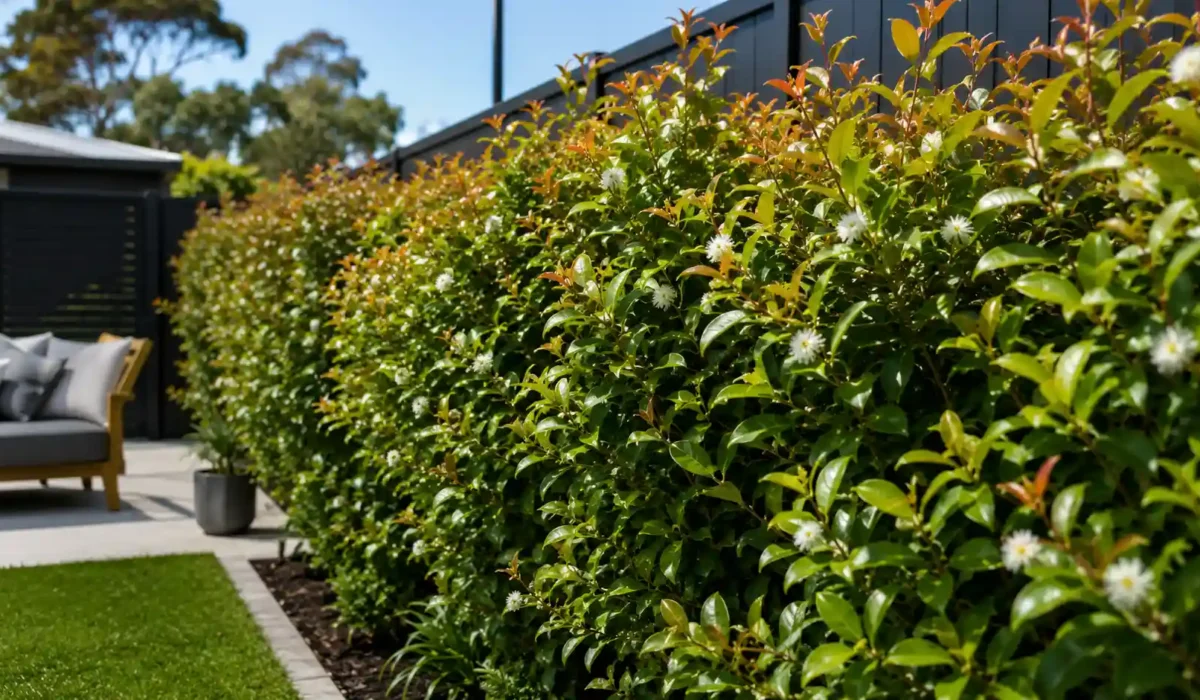
Backyard Bliss Lilly Pilly: Size, Growth Rate & Care
According to Elemo Baker, Lilly Pilly ‘Backyard Bliss’ (Syzygium paniculatum) is a psyllid-resistant cultivar reaching 3-5 metres tall and 1-2 metres wide, prized for dense glossy green foliage with bronze new growth. Fast-growing and drought-tolerant once established, it suits hedging, screening, and topiary, producing cream flowers in summer.
Unlike older lilly pilly cultivars prone to psyllid-induced leaf pitting, Backyard Bliss holds a clean, uniform face year-round, which is why it’s largely replaced less resistant varieties in modern hedge plantings. For a dense formal hedge, space plants 50-80cm apart; in large pots (50L minimum) it also performs well as a balcony or courtyard screen.
By Elemo Baker | Plant Care & Gardening Expert
Last Updated: August 2026
Quick Summary
- Backyard Bliss grows approximately 3–4 metres tall and 1–2 metres wide, making it ideal for compact gardens and privacy hedges.
- Under suitable conditions, it grows around 40–90 cm per year, especially during spring and summer.
- It offers excellent resistance to lilly pilly psyllids, reducing common pest problems.
- Its fibrous, non-invasive root system makes it suitable for planting near fences when correct spacing is maintained.
What Is Backyard Bliss Lilly Pilly?
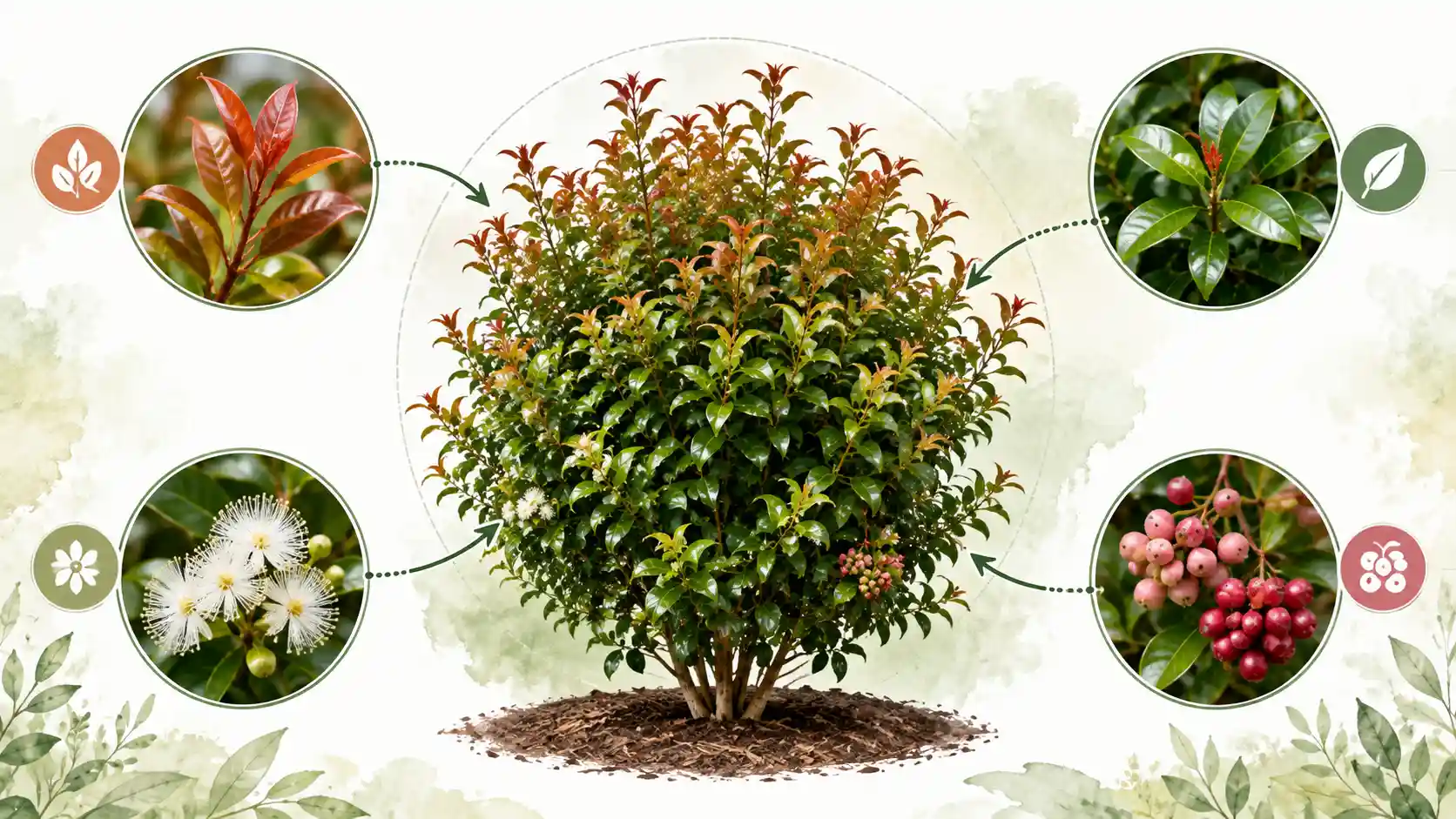
Backyard Bliss lilly pilly is a compact Australian evergreen grown primarily for privacy screening, formal hedges, and ornamental landscaping. It belongs to the Myrtaceae family and is commonly marketed as Syzygium australe ‘Backyard Bliss’, although some suppliers classify it as Syzygium paniculatum due to differences in horticultural naming. Regardless of the label, it is recognised as a reliable, dense-growing cultivar developed for residential gardens.
Backyard Bliss belongs to the Myrtaceae family, a large plant family that includes many economically and ecologically important species such as those described in the overview of Myrtaceae.
Backyard Bliss belongs to the broader lilly pilly group, and understanding the general characteristics of Lilly Pilly Australe (Syzygium Australe): Care Guide can help gardeners compare growth habits, care needs, and landscape uses across different Syzygium varieties.
Like other lilly pillies, Backyard Bliss is valued for its lush foliage and adaptability, but its naturally compact habit makes it especially suitable where space is limited.
Key identifying features include:
- Bronze to reddish new foliage that gradually matures into glossy deep green leaves.
- Dense branching that naturally forms an attractive screen.
- Small fluffy white flowers appearing during late spring to summer.
- Pink to red berries that develop after flowering if plants are left unpruned.
- Strong resistance to lilly pilly psyllids compared with many traditional varieties.
In our experience growing Backyard Bliss in Australian gardens, regular light pruning encourages exceptionally dense foliage without sacrificing its naturally tidy appearance. This makes it easier to maintain than many vigorous screening plants.
Backyard Bliss vs Other Lilly Pilly Varieties
Backyard Bliss, Straight & Narrow, and Resilience are all popular screening cultivars, but they differ in mature size, growth habit, and ideal garden use. Backyard Bliss offers a balance between compact width and fast growth, making it suitable for most suburban landscapes.
Gardeners comparing compact screening plants may also find Acmena Smithii Minor: Size, Growth Rate, Care & Hedge Guide useful, as it is another popular lilly pilly-type option used for dense Australian hedges.
| Variety | Height | Width | Growth Rate | Psyllid Resistance |
| Backyard Bliss | 3–4 m | 1–2 m | Fast | High |
| Straight & Narrow | 4–6 m | Around 1 m | Moderate | High |
| Resilience | 3–5 m | 1.5–2 m | Fast | Moderate |
When comparing lilly pilly Backyard Bliss vs Straight & Narrow, the main difference is shape. Straight & Narrow remains much slimmer, making it ideal for extremely tight spaces, while Backyard Bliss develops a fuller hedge with less effort. Resilience grows similarly fast but may not provide the same level of psyllid resistance under favourable pest conditions.
How Big Does Backyard Bliss Lilly Pilly Grow?
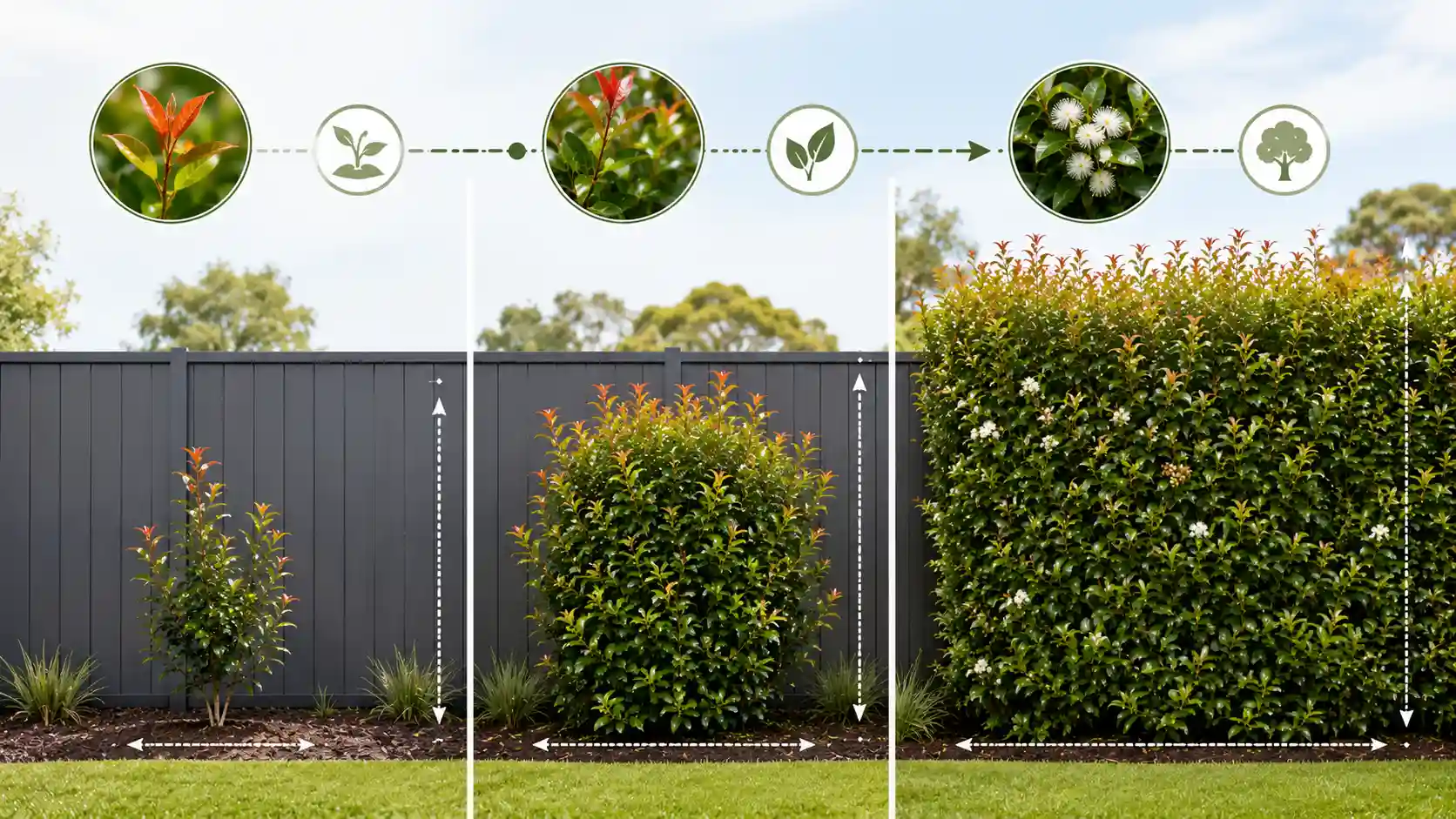
Backyard Bliss lilly pilly typically reaches 3–4 metres in height and 1–2 metres in width at maturity. Its compact size makes it well suited to residential gardens where a dense privacy hedge is needed without creating an oversized screen.
Actual size depends on several environmental factors, including:
- Soil fertility
- Available moisture
- Sunlight exposure
- Climate
- Pruning frequency
Plants grown in fertile, well-drained soil with consistent watering during establishment generally achieve their mature size more quickly than those growing in poor or compacted soils.
A regularly clipped hedge usually remains between 2 and 3 metres tall, while an unclipped specimen can naturally reach its full height of around 4 metres with a rounded, bushy form.
Elemo Baker recommends deciding on your preferred hedge height early. Light, frequent trimming from a young age usually produces a thicker and healthier screen than waiting until the hedge becomes overgrown before pruning heavily.
Growth Rate and Establishment Timeline
Backyard Bliss is considered a fast-growing lilly pilly, typically producing 40–90 centimetres of new growth each year under favourable growing conditions. Growth varies depending on climate, soil quality, watering, and overall plant health.
Most growth occurs during spring and summer, when warm temperatures and longer daylight hours encourage vigorous new shoots. Growth naturally slows during cooler months, particularly in southern parts of Australia.
A newly planted Backyard Bliss hedge generally establishes into an effective privacy screen within 18–24 months, provided it receives appropriate watering, nutrition, and occasional shaping.
Growth is influenced by several factors:
- Full sun generally encourages the strongest growth.
- Fertile soil supports healthier foliage and faster establishment.
- Regular watering during the first year improves root development.
- Mulching helps retain soil moisture and regulate temperature.
- Consistent feeding with a suitable slow-release fertiliser promotes steady growth.
As of the 2026 growing season, many Australian growers continue to favour slow-release native or balanced fertilisers combined with seaweed-based soil conditioners during establishment to encourage healthy root development without excessive soft growth.
In our experience, gardeners who water deeply rather than frequently often develop stronger, more drought-tolerant plants after establishment, resulting in more consistent long-term performance.
Planting and Spacing Guide
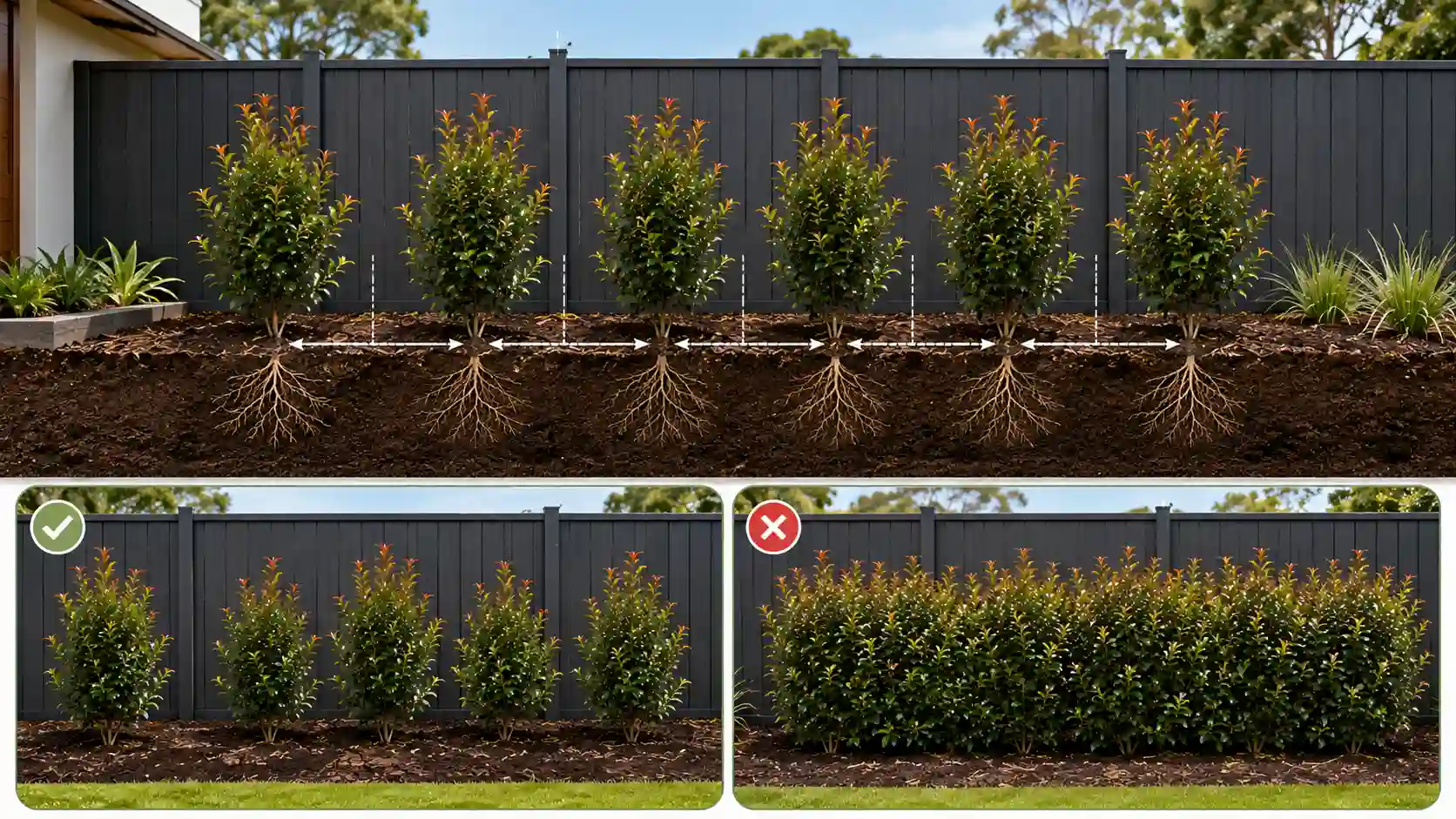
Backyard Bliss lilly pilly performs best when planted with enough space to develop healthy foliage while still forming a dense hedge. For most residential gardens, spacing plants correctly from the beginning reduces future pruning and encourages even growth.
If you are designing a low-care boundary garden, Low-Maintenance Plants for Fence Line in Australia provides additional ideas for plants that perform well along residential fences.
For a formal privacy hedge, plant Backyard Bliss approximately 50–80 cm apart, measured from the centre of each plant. This spacing allows neighbouring plants to grow together into a thick, continuous screen within a few growing seasons.
General planting recommendations include:
- Choose a position with full sun to part shade.
- Prepare the soil by incorporating organic matter or compost before planting.
- Ensure the planting area drains well, as prolonged waterlogging can damage roots.
- Apply mulch around the base while keeping it clear of the trunk.
- Water deeply after planting and maintain consistent moisture during the establishment period.
When planting near fences, allow approximately 50 cm to 1 metre between the trunk and the fence, depending on your desired hedge width and maintenance access. This spacing improves airflow, makes pruning easier, and prevents branches from becoming crowded.
Elemo Baker recommends installing irrigation before planting long hedges. Providing even moisture during the first year often results in more uniform growth and a denser finished screen.
Does Backyard Bliss Have Invasive Roots?
No. Backyard Bliss lilly pilly has a fibrous, relatively shallow, non-invasive root system, making it one of the better screening plants for suburban gardens.
Unlike large trees with aggressive structural roots, Backyard Bliss develops many fine roots that spread through the upper soil layers to absorb water and nutrients efficiently. These roots are generally not known for lifting paving or damaging sound foundations.
However, no plant root system should be considered completely risk-free. As with many shrubs and trees, roots naturally grow towards available moisture.
For this reason, avoid planting close to:
- Old or damaged underground pipes
- Cracked drainage systems
- Poorly maintained sewer lines
Proper soil preparation and sensible planting distances help minimise potential problems while supporting healthy long-term growth.
Care Guide for Backyard Bliss Lilly Pilly
Backyard Bliss is regarded as a low-maintenance evergreen once established. Providing the right combination of watering, sunlight, nutrition, and occasional pruning keeps the hedge dense, healthy, and attractive throughout the year.
Watering
Water regularly during the first 12–18 months while the plant establishes its root system. Deep watering encourages stronger root development than frequent shallow watering.
Once established, Backyard Bliss becomes reasonably drought tolerant, although extended dry periods may still require supplementary watering, especially during hot Australian summers.
Light
Backyard Bliss grows best in full sun, where it develops dense foliage and strong branching.
It also tolerates part shade, although growth may be slightly slower and less compact in heavily shaded locations.
Soil
This cultivar prefers:
- Well-drained soil
- Fertile loam enriched with organic matter
- Slightly acidic to neutral soil conditions
Although adaptable to many soil types, improving poor soils before planting promotes healthier establishment and more vigorous growth.
Fertilisation
Apply a quality slow-release fertiliser during spring to support new seasonal growth.
Many Australian gardeners also use seaweed-based tonics, such as liquid seaweed products, to encourage root development and reduce transplant stress. While these products are not complete fertilisers, they can complement a balanced feeding program.
In our experience, combining slow-release fertiliser with occasional seaweed applications during establishment produces stronger root systems and healthier foliage without encouraging excessive soft growth.
Pruning
Regular light pruning is the key to maintaining a dense hedge.
Rather than removing large amounts of growth at once, trim little and often throughout the growing season. This stimulates branching and helps create a fuller screen.
Remove any damaged or dead branches whenever necessary to maintain plant health.
Climate Tolerance
Backyard Bliss performs well across many Australian climates.
It tolerates:
- Warm coastal conditions
- Humid regions
- Mild inland climates
- Moderate dry periods after establishment
Young bronze-red shoots may experience minor frost damage in colder districts, but mature plants generally recover well once warmer weather returns.
Does Backyard Bliss Flower or Fruit?
Yes. Backyard Bliss produces both attractive flowers and colourful berries when allowed to grow naturally without frequent trimming.
Small fluffy white to cream flowers typically appear from spring into summer, attracting bees and other beneficial pollinating insects to the garden.
If flowering is not removed by pruning, clusters of pink to red berries usually develop afterwards. These ornamental fruits add seasonal interest and are commonly enjoyed by native birds.
Like many other lilly pilly varieties, the berries are generally regarded as edible for people and have traditionally been used in:
- Jams
- Jellies
- Sauces
- Chutneys
- Fresh culinary recipes
The flavour varies from mildly sweet to slightly tart depending on ripeness and the individual cultivar.
Regarding pets, information can vary depending on the amount consumed and the individual animal. If a dog or another pet eats large quantities of lilly pilly berries or any unfamiliar plant material and shows signs of illness, contact your veterinarian promptly for professional advice rather than relying on general guidance.
Frequent hedge trimming reduces flowering and berry production because new flower buds are often removed during pruning. Gardeners wanting seasonal flowers and fruit should allow at least part of the plant to grow naturally between pruning cycles.
Common Backyard Bliss Lilly Pilly Problems
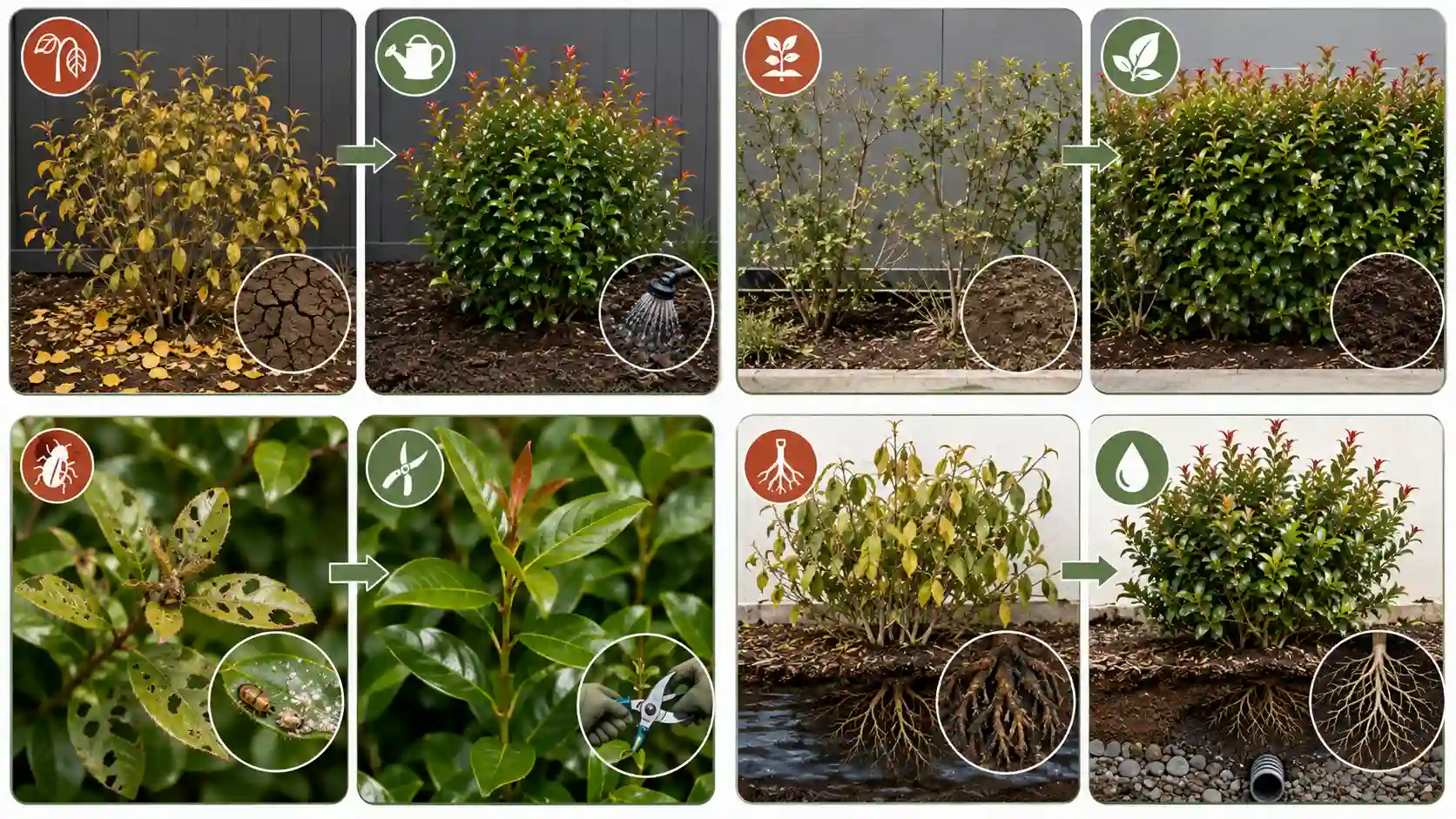
Backyard Bliss lilly pilly is one of the more reliable screening plants available, particularly because of its strong psyllid resistance. However, like all living plants, it can experience problems caused by environmental stress, incorrect watering, soil conditions, or pests.
Understanding the cause behind each issue helps restore plant health quickly.
Dropping Leaves
Backyard Bliss lilly pilly dropping leaves is usually caused by watering problems, transplant stress, or natural seasonal leaf replacement rather than serious disease.
Common causes include:
- Overwatering: Constantly wet soil reduces oxygen around the roots and can lead to stress.
- Transplant shock: Newly planted specimens may shed leaves while adjusting to a new environment.
- Seasonal shedding: Some leaf drop is normal as older foliage is replaced.
Solutions:
- Check soil moisture before watering again.
- Improve drainage if soil remains saturated.
- Maintain consistent watering during establishment.
- Apply mulch to regulate soil temperature and moisture levels.
Avoid making sudden changes to watering schedules. Consistency is especially important during the first year after planting.
Slow or Patchy Growth
Slow growth or uneven hedge development is often caused by poor growing conditions rather than the plant itself.
Possible causes include:
- Low soil fertility
- Insufficient sunlight
- Competition from nearby plants
- Inconsistent watering
- Poor root establishment
Solutions:
- Improve soil quality with compost or organic matter.
- Ensure plants receive adequate sunlight.
- Apply a suitable slow-release fertiliser during active growth.
- Check that nearby plants are not competing heavily for water and nutrients.
A healthy Backyard Bliss hedge should gradually become denser over time. Uneven growth between individual plants is common during establishment and usually improves with consistent care.
Psyllid or Pest Damage
Backyard Bliss has been specifically selected for improved resistance to lilly pilly psyllids, a common pest that causes distorted leaves and unsightly growth on susceptible varieties.
However, resistance does not mean complete immunity.
Monitor plants for:
- Curled or distorted new leaves
- Sticky residue on foliage
- General insect activity
- Reduced new growth
Solutions:
- Maintain plant health through correct watering and nutrition.
- Remove heavily damaged growth if necessary.
- Monitor new flushes of spring growth.
- Encourage beneficial insects where possible.
Regular observation remains important because stressed plants are generally more vulnerable to pest pressure. Early pest identification is important for maintaining healthy hedges, and the Garden Pest Identification Guide for Australian Gardens can help gardeners recognise common garden insects and plant damage symptoms.
Root Rot
Root rot is one of the more serious Backyard Bliss lilly pilly problems and is usually linked to poor drainage or prolonged waterlogging.
Common causes include:
- Heavy clay soils that hold excess moisture
- Overwatering
- Poor planting preparation
- Fungal pathogens such as Phytophthora
Signs may include:
- Yellowing leaves
- Wilting despite wet soil
- Reduced growth
- Declining branches
Solutions:
- Improve drainage before planting.
- Avoid watering unnecessarily during wet weather.
- Remove severely affected plants if root damage is extensive.
- Replant in improved soil conditions where required.
Good drainage is one of the most important factors in preventing problems and maintaining a healthy lilly pilly hedge.
Is Backyard Bliss Good for Privacy and Hedging?
Yes. Backyard Bliss lilly pilly is considered an excellent choice for privacy screening because it combines fast growth, dense foliage, manageable size, and strong pest resistance.
Its compact width makes it especially useful for:
- Narrow side boundaries
- Poolside screening
- Courtyard gardens
- Small suburban blocks
- Fence-line planting
Unlike some larger screening plants that quickly become difficult to manage, Backyard Bliss can usually be maintained at a practical residential height with regular trimming.
To thicken a sparse lilly pilly hedge:
- Tip prune young plants to encourage branching.
- Maintain regular light trimming instead of occasional heavy cuts.
- Feed during active growth periods.
- Ensure plants receive enough sunlight.
- Avoid excessive spacing between plants.
For gardeners asking which lilly pilly variety is best for screening and privacy, the answer depends on available space. Backyard Bliss is ideal when a medium-sized, dense hedge is required, while taller or narrower varieties may suit different landscape designs.
For gardens requiring broader screening options, explore Fast Growing Trees for Screening in Australia to compare other fast-growing plants suitable for boundaries and privacy planting.
In our experience, the best-looking lilly pilly screens are created by pruning from an early stage. Waiting until plants become tall and thin often results in a less dense lower hedge.
Lifespan and Long-Term Garden Value
A well-maintained lilly pilly can live for several decades, providing long-term value as a garden screen, hedge, or feature plant.
The lifespan of a Backyard Bliss lilly pilly depends on:
- Soil quality
- Water management
- Climate conditions
- Pest and disease prevention
- Pruning practices
Because it remains evergreen and responds well to trimming, Backyard Bliss can provide year-round privacy and structure in Australian gardens for many years.
Long-term benefits include:
- Permanent screening solution
- Improved garden privacy
- Habitat value for birds and beneficial insects
- Reduced need for replacement planting
- Adaptability to formal and informal garden styles
Regular maintenance, especially correct pruning and soil care, helps preserve its dense structure and prevents decline as the plant matures.
Conclusion
Backyard Bliss lilly pilly is a compact, fast-growing, low-maintenance screening plant suited to many Australian gardens. With a mature size of around 3–4 metres tall and 1–2 metres wide, it provides effective privacy without becoming difficult to manage in smaller spaces.
Its high psyllid resistance, dense evergreen foliage, fibrous root system, and adaptability make it a practical choice for hedges, poolside screens, and narrow garden beds.
For gardeners wanting a reliable hedge plant, Backyard Bliss offers a strong balance between growth speed, appearance, and maintenance requirements. With correct spacing, regular watering during establishment, and light pruning, it can become a long-lasting feature in the landscape.
Frequently Asked Questions
How big does Backyard Bliss lilly pilly grow?
Backyard Bliss lilly pilly usually grows around 3–4 metres tall and 1–2 metres wide when left to mature naturally. Regular pruning can maintain it at a shorter height for formal hedges.
Do Backyard Bliss lilly pilly have invasive roots?
No. Backyard Bliss lilly pilly generally has a fibrous, shallow, non-invasive root system. However, it should still be planted away from damaged pipes or drainage systems as roots naturally seek moisture.
How far from the fence should you plant Backyard Bliss lilly pilly?
Plant Backyard Bliss approximately 50 cm to 1 metre away from fences, depending on the available space, desired hedge width, and future maintenance access.
Is Backyard Bliss lilly pilly easy to care for?
Yes. Backyard Bliss is considered a low-maintenance plant once established. It requires regular watering when young, well-drained soil, occasional fertilising, and light pruning to maintain shape.
Does Backyard Bliss lilly pilly produce berries or flowers?
Yes. Backyard Bliss produces small white to cream flowers during spring and summer, followed by pink-red berries when flowers are allowed to develop instead of being removed through pruning.
What causes a Backyard Bliss lilly pilly to drop leaves?
Leaf drop can occur due to overwatering, transplant stress, seasonal leaf replacement, poor drainage, or environmental changes. Checking moisture levels and improving growing conditions usually helps restore healthy growth.