
Bubble Blossoms: Meanings, Garden Plants & Edible Guide
Introduction
Bubble blossoms, sometimes called bubble flowers or bubble blooms, are not a single botanical species. Instead, the term is commonly used in two different ways. In gardening, it informally describes ornamental plants with rounded, clustered, or inflated-looking flowers. In culinary settings, it can also refer to BlinQ Blossom, an edible flower product derived from Mesembryanthemum crystallinum, commonly known as the ice plant. Understanding these two meanings helps gardeners, home cooks, and readers avoid confusion when researching bubble blossoms. This guide explains both uses in clear, factual language, covering ornamental plants, edible applications, growing information, and common misconceptions.
By Elemo Baker | Plant Care & Gardening Expert
Quick Summary
- Bubble blossom is not one official plant species but a descriptive umbrella term.
- The phrase refers to two different things: ornamental garden plants with rounded flowers and the edible BlinQ Blossom.
- BlinQ Blossom has a fresh, salty-sour flavour and is commonly used in salads and fine dining.
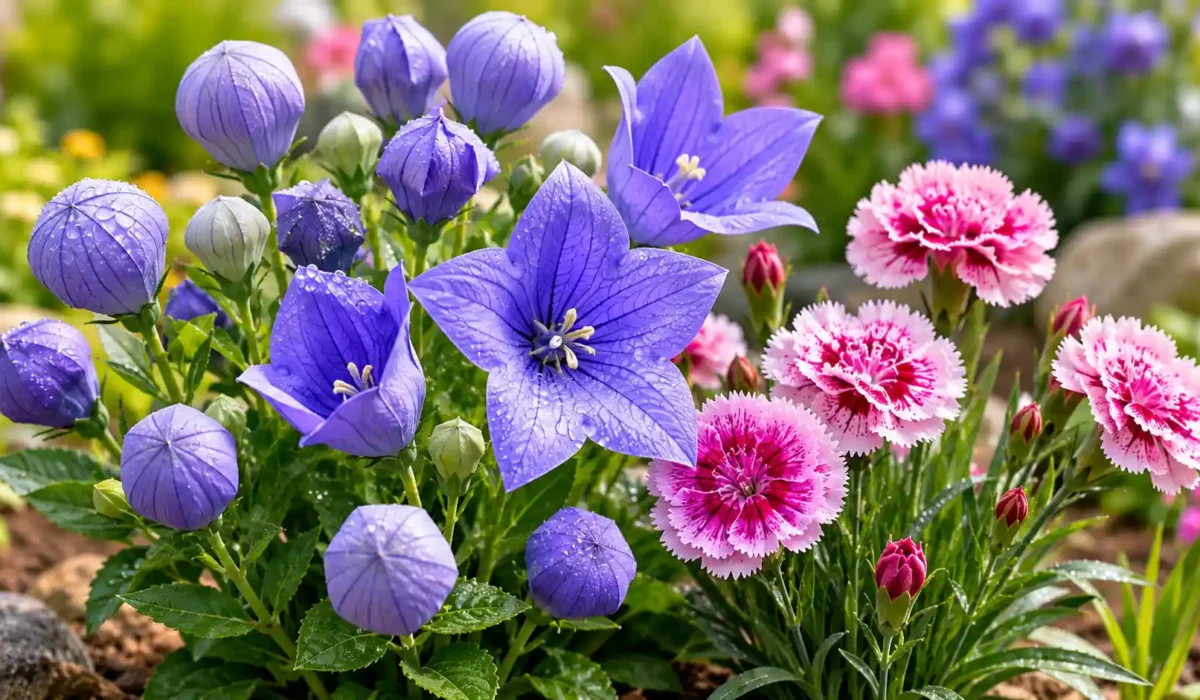
- Ornamental bubble bloom plants include balloon flowers, dianthus, bubblegum petunias, and some hydrangea varieties.
- Understanding the context helps distinguish between decorative garden flowers and edible culinary products.
What Is a Bubble Blossom? (Two Meanings Explained)
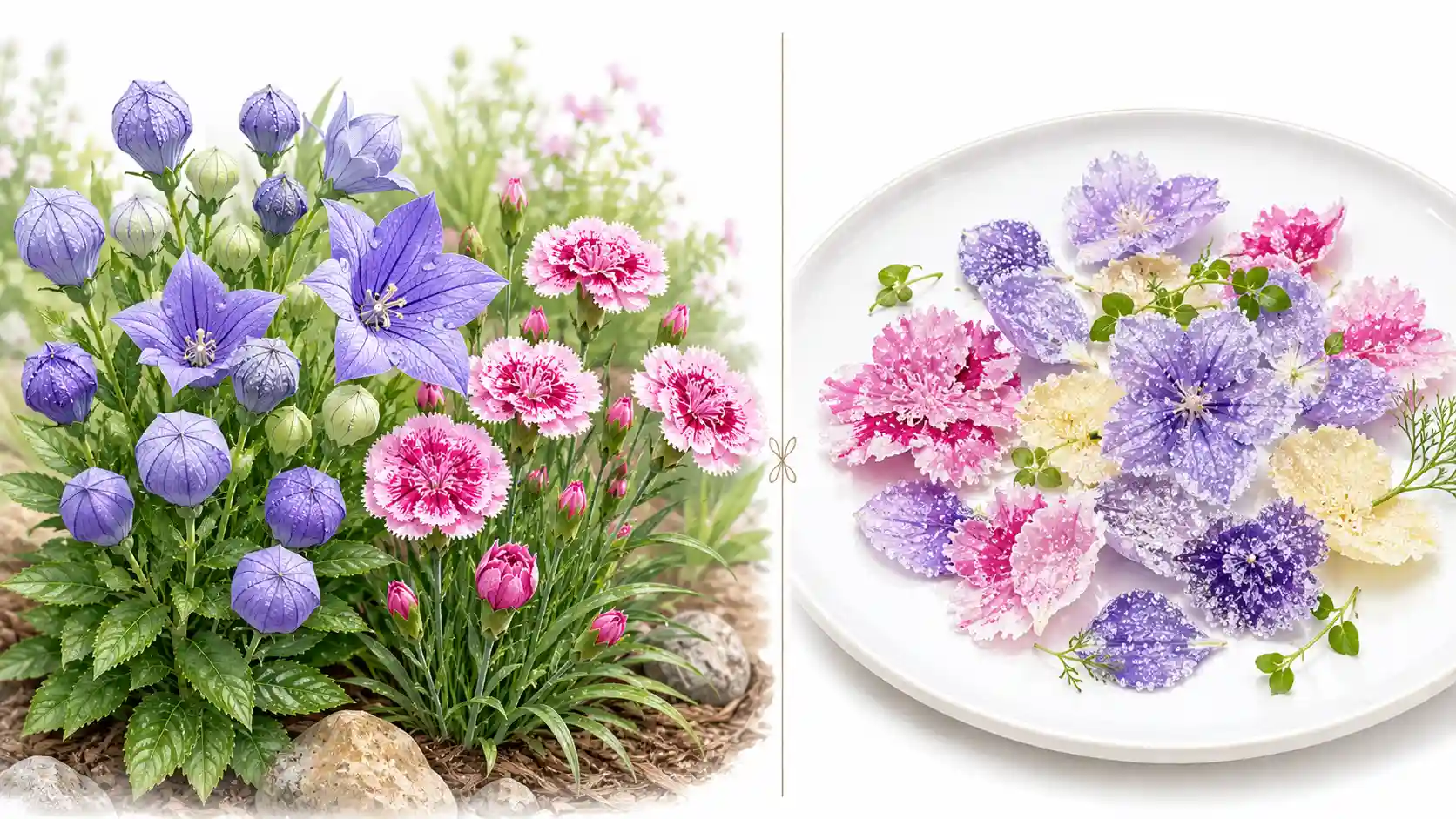
A bubble blossom is not an officially recognized botanical species. Instead, the term has two separate meanings depending on the context. In gardening, it describes ornamental flowering plants with rounded, inflated, or clustered blooms that create a bubble-like appearance. In culinary use, it refers to BlinQ Blossom, an edible flower product produced from Mesembryanthemum crystallinum. Because both meanings appear online and in media, understanding the distinction prevents confusion and helps readers identify the correct plant or product.
Bubble Blossoms as a Garden Plant Category
In ornamental gardening, bubble blossoms serve as a descriptive label rather than a botanical classification. Gardeners may use the phrase to describe flowers that have:
- Rounded flower heads
- Puffy or inflated blooms
- Dense clusters of petals
- Soft, globe-shaped floral displays
Examples include balloon flower (Platycodon grandiflorus), dianthus (Dianthus species), certain petunias marketed for their rounded growth habit, and mophead hydrangeas (Hydrangea macrophylla). Although these plants belong to different botanical families, they share a similar visual appearance that inspires the informal term “bubble bloom.”
In our experience growing ornamental flowering plants, gardeners often assume “bubble blossom” is a plant variety when it is actually a descriptive nickname for flowers with a rounded appearance.
Bubble Blossoms as an Edible Flower (BlinQ Blossom)
In culinary settings, bubble blossom commonly refers to BlinQ Blossom, an edible flower developed from Mesembryanthemum crystallinum, also known as the crystal ice plant. The plant produces fleshy leaves and distinctive bubble-like cells that sparkle in the light.
The edible flower gained wider public recognition after appearing in professional cooking competitions such as Chopped, where chefs used it to add texture, visual appeal, and a refreshing salty flavour to dishes. Unlike ornamental bubble bloom plants, BlinQ Blossom is specifically cultivated for food presentation and culinary use.
Bubble Blossom Garden Plants
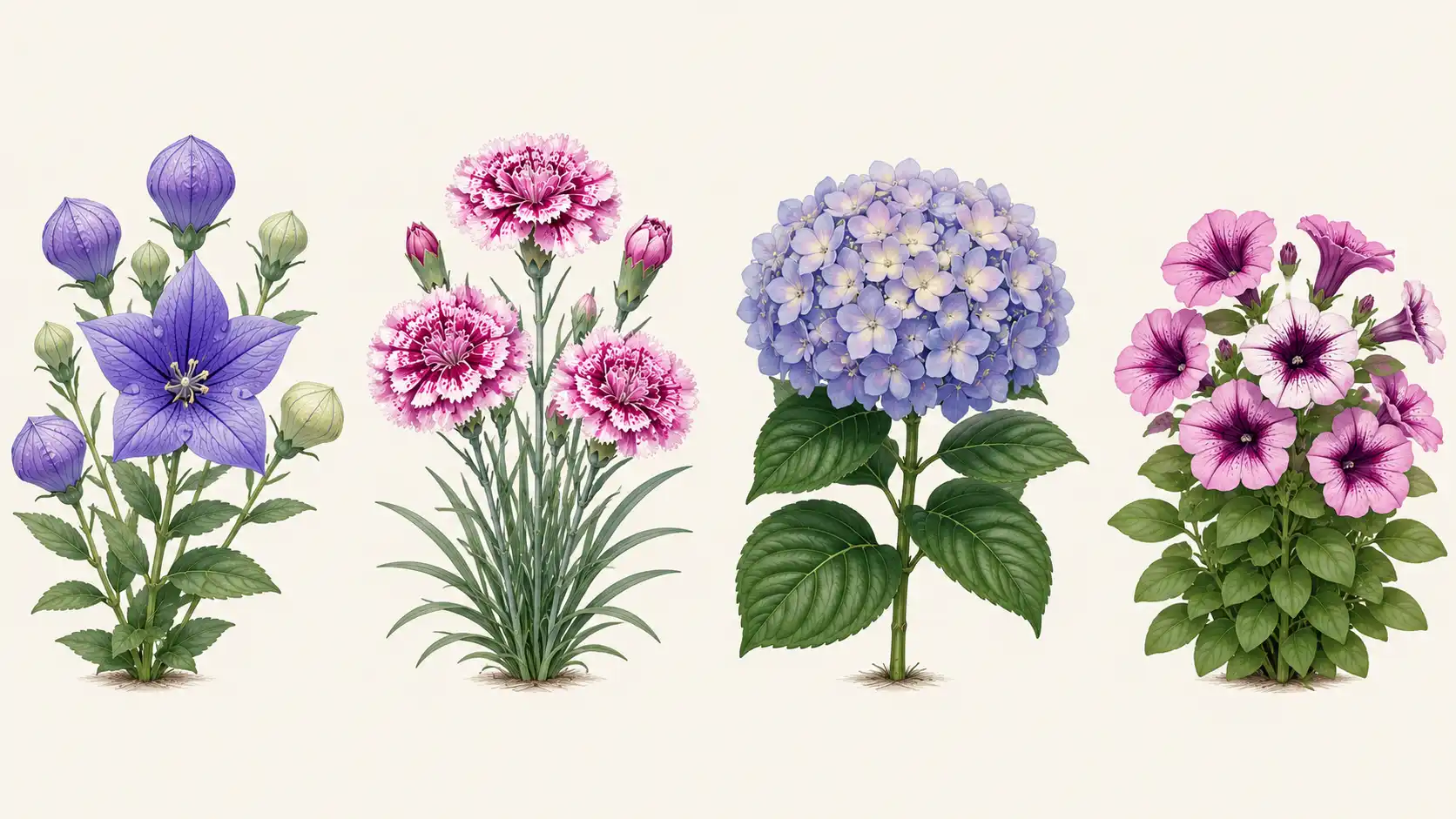
The term bubble blossom garden plants generally refers to ornamental species with rounded or inflated flower shapes rather than a single plant variety. These plants are valued for their decorative appearance in borders, cottage gardens, containers, and landscape designs.
Common examples include:
- Balloon flower (Platycodon grandiflorus) – Known for flower buds that inflate like balloons before opening into star-shaped blooms.
- Dianthus (Dianthus species) – Produces compact, rounded flower clusters with vibrant colours.
- Bubblegum petunias (Petunia hybrids) – Popular bedding plants with abundant rounded blooms throughout the growing season.
- Mophead hydrangeas (Hydrangea macrophylla) – Produce large globe-shaped flower heads that create a dramatic landscape display.
Although these plants differ botanically, their bloom shapes explain why gardeners sometimes group them under the informal “bubble bloom” description. If you’re planning a larger landscape, our Flowering Trees Australia: Best Species Guide provides additional options that pair well with ornamental flowering plants in home gardens.
Elemo Baker recommends selecting varieties suited to your local climate instead of choosing plants based solely on appearance. Healthy flowering depends more on growing conditions than on flower shape alone.
Where Do Bubble Blossom Plants Grow?
Most ornamental plants described as bubble blossoms thrive in temperate climates with adequate sunlight, fertile soil, and consistent moisture. However, growing requirements vary by species.
General conditions include:
- Full sun to partial shade, depending on the plant.
- Well-drained soil rich in organic matter.
- Moderate watering without prolonged waterlogging.
- Good air circulation to reduce fungal disease.
- Seasonal fertilization during active growth.
In Australia, many hydrangeas perform well in cooler coastal regions, while balloon flowers and dianthus grow successfully in areas with mild summers and well-drained soils. Gardeners in warmer climates often benefit from providing afternoon shade during periods of intense summer heat. Gardeners looking for longer-lasting seasonal colour may also find our All Year Round Flowering Plants Australia Guide helpful when selecting plants that bloom across multiple seasons.
As of the 2026 growing season, horticultural guidance continues to recommend matching each species to local climate conditions rather than relying on generalized care advice for all rounded-flowering plants.
Comparison of Common Bubble Bloom Garden Plants
| Plant Name | Botanical Name | Bloom Appearance | Light/Climate Needs |
| Balloon Flower | Platycodon grandiflorus | Inflated buds opening into star-shaped flowers | Full sun to partial shade; temperate climates |
| Dianthus | Dianthus species | Dense, rounded flower clusters | Full sun; well-drained soil |
| Bubblegum Petunia | Petunia hybrids | Abundant rounded blooms | Full sun; regular watering |
| Mophead Hydrangea | Hydrangea macrophylla | Large globe-shaped flower heads | Morning sun, afternoon shade in warmer climates |
Streptocarpus and Bubble Blossoms — Is There a Connection?
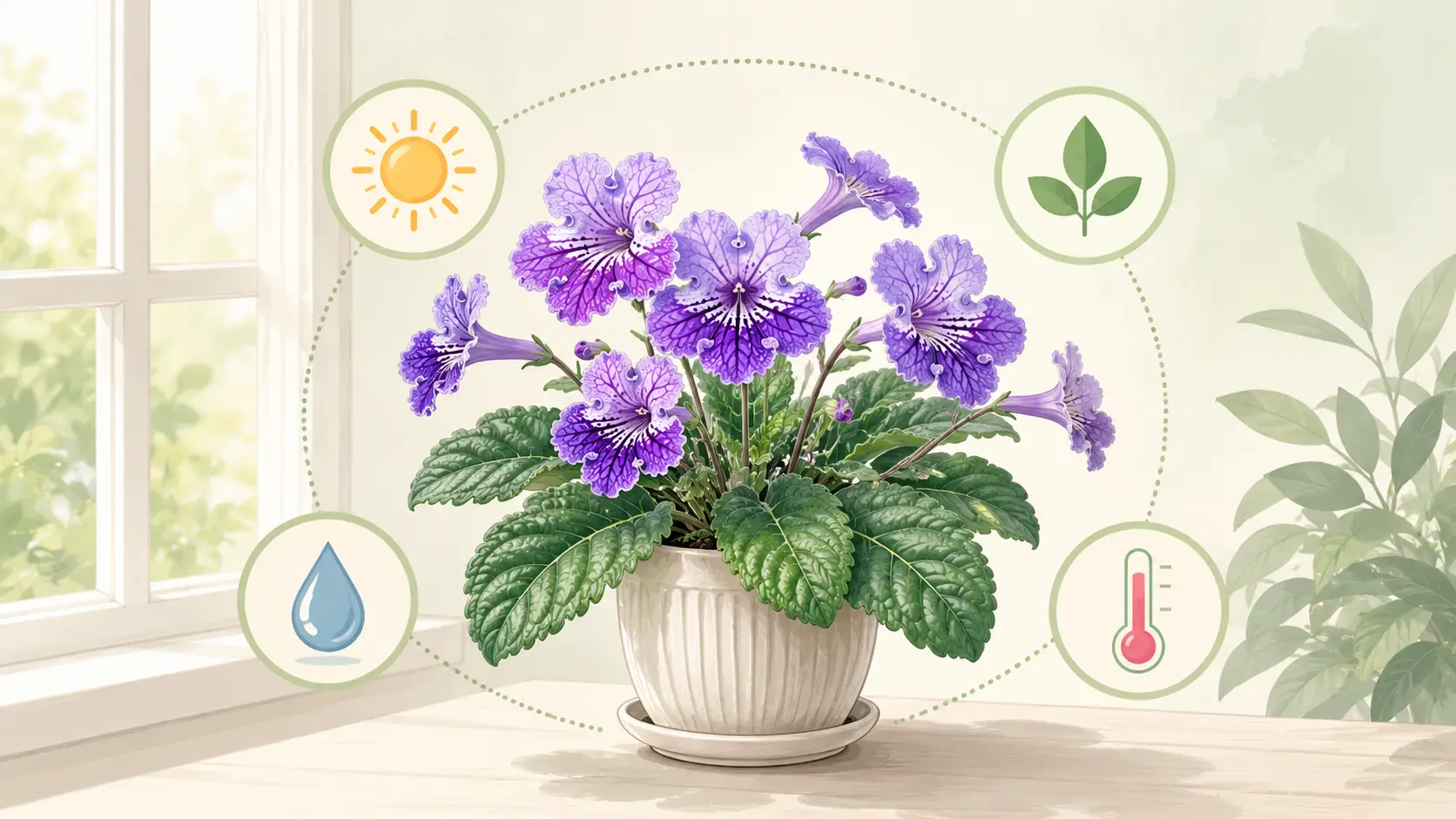
There is no direct botanical connection between Streptocarpus and bubble blossoms. The association usually comes from online searches where people compare flowering houseplants or encounter similar descriptive language. Streptocarpus belongs to the African violet family (Gesneriaceae), while plants commonly described as bubble blooms belong to several unrelated botanical groups.
Although Streptocarpus is not considered a bubble blossom plant, it is widely appreciated for its long-lasting flowers and attractive indoor performance. Understanding its flowering habits helps explain why it sometimes appears in searches related to blooming ornamental plants.
How Do I Get My Streptocarpus to Bloom?
Healthy Streptocarpus plants bloom best when provided with bright, indirect light, balanced moisture, and moderate temperatures.
To encourage flowering:
- Place the plant in bright, filtered light.
- Water when the upper layer of soil begins to dry.
- Avoid waterlogged compost.
- Feed regularly with a balanced flowering fertilizer during active growth.
- Remove spent flowers to encourage continuous blooming.
In our experience, excessive watering is one of the most common reasons Streptocarpus produces lush leaves but few flowers. Maintaining evenly moist—not saturated—soil encourages stronger blooming.
How Often Does Streptocarpus Bloom?
Under suitable growing conditions, Streptocarpus can flower repeatedly for many months. Many modern hybrids bloom from spring through autumn, while indoor plants may continue producing flowers almost year-round when temperature, light, and watering remain consistent.
Blooming frequency depends on:
- Available light
- Plant maturity
- Fertilization
- Indoor temperature
- Overall plant health
Regular removal of faded blooms also helps direct the plant’s energy toward producing new flower stalks.
Can Streptocarpus Be Grown Indoors?
Yes. Streptocarpus is well suited to indoor cultivation because it thrives in stable temperatures and bright, indirect sunlight. For more ways to improve your indoor environment, see our guide on the Benefits of Indoor Plants: 10 Science-Backed Reasons, which explains how houseplants can contribute to healthier living spaces.
For successful indoor growth:
- Position near an east- or north-facing window where light is bright but indirect.
- Maintain temperatures between approximately 18–24°C (65–75°F).
- Use a free-draining potting mix.
- Increase humidity if indoor air becomes excessively dry.
- Avoid placing plants next to heating vents or cold drafts.
Elemo Baker recommends rotating indoor Streptocarpus plants every few weeks so all sides receive even light, promoting balanced growth and more uniform flowering. If you’re identifying ornamental flowering plants for your landscape, our Pink Flowering Shrub Identification Australia Guide can help distinguish similar flowering species commonly found in Australian gardens.
BlinQ Blossom (Edible Bubble Blossom) Explained
BlinQ Blossom is the culinary meaning of bubble blossom. Unlike the ornamental garden plants discussed earlier, BlinQ Blossom is an edible flower product developed from Mesembryanthemum crystallinum, commonly known as the crystal ice plant or common ice plant. This succulent is native to parts of Africa, the Mediterranean region, and Western Asia but is now cultivated in several countries for both horticultural and culinary purposes.
BlinQ Blossom is the culinary meaning of bubble blossom. Unlike ornamental garden plants, it is derived from Mesembryanthemum crystallinum, commonly known as the crystal ice plant.
The plant is easily recognized by its tiny, glistening, bubble-like epidermal cells that cover its leaves and stems. These crystal-like structures store water and mineral salts, giving the plant its distinctive sparkling appearance. This unique texture inspired the commercial name BlinQ Blossom and the common association with “bubble flowers” or “bubble blossoms.”
Unlike decorative flowering plants that are grown primarily for landscaping, BlinQ Blossom is cultivated as a premium edible ingredient. Its attractive appearance, crisp texture, and refreshing flavour make it popular in modern cuisine, especially in fine dining, gourmet salads, and seafood presentations.
Because the term “bubble blossom” can refer to either ornamental flowers or this edible product, identifying the intended context is essential. Gardeners searching for flowering plants and chefs searching for edible ingredients are often referring to completely different things.
What Does a Bubble Blossom Taste Like?
A BlinQ Blossom has a fresh, crisp flavour with a balance of mild saltiness and gentle acidity. Many people describe the taste as a combination of:
- Lightly salty
- Slightly sour
- Refreshingly crisp
- Mildly mineral
- Succulent and juicy
Its flavour comes naturally from the plant’s ability to accumulate minerals within its specialized bladder cells. Rather than overpowering a dish, it adds freshness and texture while complementing delicate ingredients.
The edible leaves and flowers are typically enjoyed raw to preserve their crisp texture. Cooking is possible, but excessive heat may reduce the plant’s signature crunch and alter its fresh flavour.
In our experience preparing edible flowers, BlinQ Blossom works best when added just before serving. This helps preserve both its sparkling appearance and its naturally crisp texture.
Are Bubble Blossoms Edible? Culinary Uses
Yes. BlinQ Blossom is fully edible when sourced from growers who cultivate it specifically for culinary use. It should not be confused with ornamental garden flowers, many of which are not intended for consumption.
Common culinary applications include:
- Fresh green salads
- Seafood dishes
- Sushi presentations
- Vegetable platters
- Fine-dining garnishes
- Cocktail decorations
- Cold appetisers
- Contemporary plant-based cuisine
Its visual appeal makes it especially valuable as a garnish because the bubble-like cells catch the light, creating a sparkling effect on the plate.
Chefs often pair BlinQ Blossom with ingredients such as:
- Oysters
- White fish
- Prawns
- Citrus fruits
- Avocado
- Cucumber
- Soft cheeses
- Microgreens
Because its flavour is naturally subtle, it enhances rather than dominates other ingredients.
For food safety, always purchase edible bubble blossoms from reputable culinary growers or specialty edible flower suppliers. Decorative nursery plants may have been treated with pesticides or chemicals that are not approved for edible crops.
Where to Buy Bubble Blossoms and What They Cost
The availability of bubble blossoms depends on which meaning of the term you are looking for.
If you are searching for ornamental bubble bloom plants, they are commonly available from:
- Local garden centres
- Plant nurseries
- Online plant retailers
- Native plant specialists
- Seasonal flower suppliers
Availability varies according to the specific species. For example, balloon flowers, hydrangeas, dianthus, and petunias are usually sold during their appropriate planting seasons.
If you are looking for BlinQ Blossom, it is generally supplied through:
- Specialty edible flower growers
- Gourmet produce distributors
- Restaurant suppliers
- Premium grocery retailers in selected regions
- Online edible plant suppliers
Pricing varies considerably depending on:
- Country or region
- Seasonal availability
- Supplier
- Packaging size
- Commercial versus retail quantities
Because edible flowers are often harvested by hand and require careful handling, they are typically more expensive than standard salad greens. Rather than relying on fixed prices, it is best to compare local suppliers, as costs change throughout the year.
Elemo Baker recommends confirming that edible flowers are specifically labelled for culinary use before purchasing. Plants sold solely for ornamental gardening should never be assumed safe to eat.
Common Mistakes and Problems With Bubble Bloom Plants
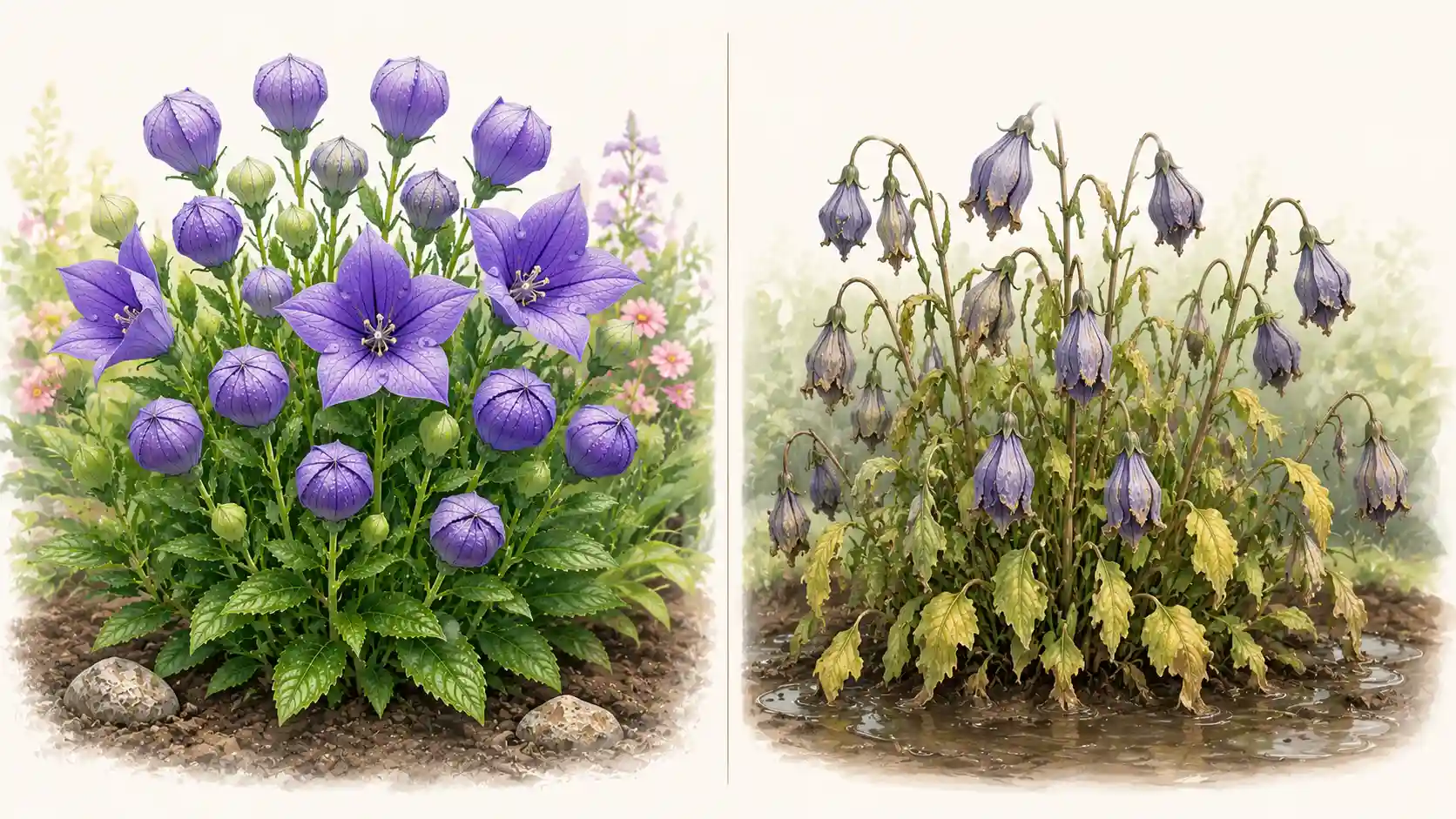
Whether growing ornamental bubble bloom plants or purchasing edible bubble blossoms, a few common mistakes can lead to disappointment. Understanding these issues helps gardeners maintain healthier plants and avoid unnecessary confusion.
Confusing the Ornamental Plant With the Edible Product
Why it happens
The phrase “bubble blossom” is used for both decorative flowering plants and the edible BlinQ Blossom, leading many people to assume they are the same plant.
How to fix it
Identify the botanical name before purchasing. Ornamental plants such as balloon flowers and hydrangeas are different from Mesembryanthemum crystallinum.
How to prevent it
Read plant labels carefully and buy edible flowers only from suppliers who clearly market them for food use.
Overwatering Rounded-Bloom Plants Leading to Flower Drop
Why it happens
Many flowering plants dislike consistently waterlogged soil. Excess moisture reduces oxygen around the roots and may cause buds or flowers to drop prematurely.
How to fix it
Allow the soil surface to dry slightly between watering, improve drainage if necessary, and remove damaged flowers to encourage healthy new growth.
How to prevent it
Choose well-drained soil, use containers with drainage holes where appropriate, and adjust watering according to seasonal weather rather than following a fixed schedule.
In our experience, overwatering is one of the most common causes of reduced flowering in ornamental garden plants with rounded blooms.
Insufficient Sun Causing Poor Blooming
Why it happens
Flower production requires adequate light. Plants grown in excessive shade often produce healthy foliage but fewer blooms.
How to fix it
Move container plants to a brighter location or selectively prune nearby vegetation that blocks sunlight.
How to prevent it
Research the specific light requirements of each species before planting. While some hydrangeas tolerate partial shade, balloon flowers and petunias generally flower more heavily with greater sunlight.
Pest Issues Affecting Bud Formation
Why it happens
Aphids, thrips, mites, and other sap-feeding insects may damage developing flower buds, reducing bloom quality or preventing flowers from opening.
How to fix it
Inspect plants regularly and remove pests using appropriate horticultural methods such as insecticidal soap, strong water sprays, or integrated pest management practices where suitable.
How to prevent it
Maintain healthy plants through proper watering, spacing, and air circulation while monitoring new growth throughout the growing season.
Early detection usually prevents small pest populations from becoming significant infestations. If you’re unsure which insects are affecting your plants, our Garden Pest Identification Guide for Australian Gardens explains how to identify common garden pests and choose appropriate control methods.
Bubble Blossoms vs Other Edible Flowers
Although BlinQ Blossom is one of the most distinctive edible flowers available, it differs noticeably from other commonly used edible blossoms in appearance, flavour, and culinary application.
| Feature | BlinQ Blossom | Squash Blossoms |
| Botanical source | Mesembryanthemum crystallinum | Cucurbita species |
| Appearance | Small, sparkling, bubble-like succulent flowers and foliage | Large yellow-orange trumpet-shaped flowers |
| Texture | Crisp and succulent | Soft and delicate |
| Flavour | Mildly salty with slight acidity | Mild, slightly sweet and vegetal |
| Common uses | Salads, seafood, garnishes, fine dining | Stuffed dishes, frying, soups, pasta |
| Best served | Primarily raw | Raw or cooked |
Both flowers are edible when grown specifically for food, but they serve different culinary purposes.
BlinQ Blossom is valued for its crisp texture, refreshing flavour, and decorative sparkle, while squash blossoms are appreciated for their larger size and suitability for stuffing or cooking.
Choosing between them depends on the intended dish rather than one being objectively better than the other. Fresh salads, seafood, and modern plated dishes often benefit from BlinQ Blossom, whereas warm cooked recipes frequently highlight the delicate texture of squash blossoms.
Conclusion
Bubble blossoms are best understood as a term with two distinct meanings rather than a single plant species. In gardening, bubble blossom, bubble flower, or bubble bloom informally describes ornamental plants with rounded, clustered, or inflated-looking flowers, such as balloon flowers, dianthus, petunias, and certain hydrangeas. In culinary settings, the term commonly refers to BlinQ Blossom, an edible product derived from Mesembryanthemum crystallinum that is valued for its crisp texture and mildly salty-sour flavour.
Knowing which meaning applies helps gardeners choose suitable ornamental plants and helps home cooks source the correct edible flower for recipes. Whether your interest is landscaping or fine dining, identifying the botanical identity and intended use is the best way to avoid confusion. By understanding both interpretations of bubble blossoms, you can confidently select the right plant or edible product for your needs.
FAQ
What is a bubble blossom?
A bubble blossom is not a single botanical species. The term has two common meanings: it can describe ornamental garden plants with rounded or inflated-looking blooms, or it can refer to BlinQ Blossom, an edible flower product made from Mesembryanthemum crystallinum (crystal ice plant). The intended meaning depends on whether the discussion is about gardening or culinary use.
What are bubble blossoms used for?
The use of bubble blossoms depends on the context. Ornamental bubble bloom plants are grown to enhance gardens, borders, containers, and landscape displays with their distinctive rounded flowers. BlinQ Blossom, on the other hand, is used in salads, seafood dishes, gourmet garnishes, cocktails, and other fine-dining presentations because of its crisp texture and refreshing flavour.
Can I eat raw bubble blossoms?
Yes, but only if you are referring to BlinQ Blossom or another edible flower that has been grown specifically for culinary use. BlinQ Blossom is commonly served raw to preserve its crisp texture and sparkling appearance. Ornamental garden flowers should never be eaten unless they are positively identified as edible and have been cultivated without chemicals that are unsafe for food crops.
Where do bubble blossom plants grow?
Ornamental plants commonly described as bubble blossoms grow in a range of temperate and subtropical climates, depending on the species. Most perform best in well-drained soil with full sun or partial shade and consistent watering. Balloon flowers, dianthus, hydrangeas, and petunias each have slightly different growing requirements, so gardeners should follow care recommendations for the specific plant rather than the informal “bubble blossom” label.
How is BlinQ Blossom different from a garden bubble bloom plant?
The main difference is their purpose and botanical identity. BlinQ Blossom is an edible product derived from Mesembryanthemum crystallinum and is cultivated for culinary use. Garden bubble bloom plants are ornamental species grown for their decorative flowers. Although both may be associated with the term “bubble blossom,” they are unrelated plants and should not be confused.
Can Streptocarpus be grown indoors?
Yes. Streptocarpus is an excellent indoor flowering plant when grown in bright, indirect light with evenly moist, well-drained soil and moderate temperatures. Regular feeding during the growing season and removal of spent flowers encourage repeat blooming. Avoid direct afternoon sun, overwatering, and cold drafts to maintain healthy growth and consistent flowering.