
Masculine Plants Guide: Best Indoor & Outdoor Options
Introduction
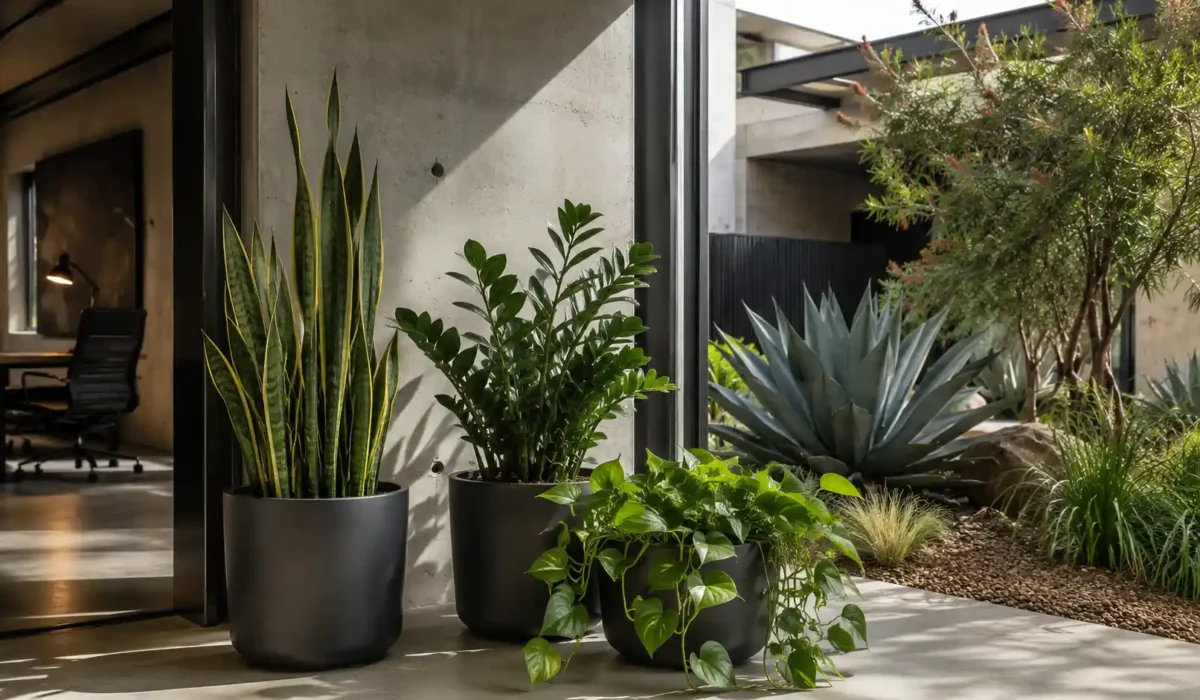
Masculine plants refer to species that embody bold structure, strong visual presence, and low-maintenance growth habits, making them ideal for modern interiors and outdoor landscapes. The concept of masculine plants is not botanical but design-based, focusing on architectural form and resilience rather than biological classification. In practical gardening and interior styling, these plants are chosen for their rugged appearance, minimal care needs, and ability to anchor a space visually. This guide explores the best masculine plants for indoor and outdoor environments, helping readers choose options that suit their lifestyle, light conditions, and design preferences.
Quick Summary
- Masculine plants are typically bold, structural, and low-maintenance — favoured for home offices, living spaces, and outdoor gardens.
- The most popular choices include the snake plant, ZZ plant, and money plant — all known for toughness and visual impact.
- Masculine plants work well indoors and outdoors, from desk plants to statement garden specimens.
- Choosing the right plant depends on light availability, space, and care requirements.
What Makes a Plant Masculine?
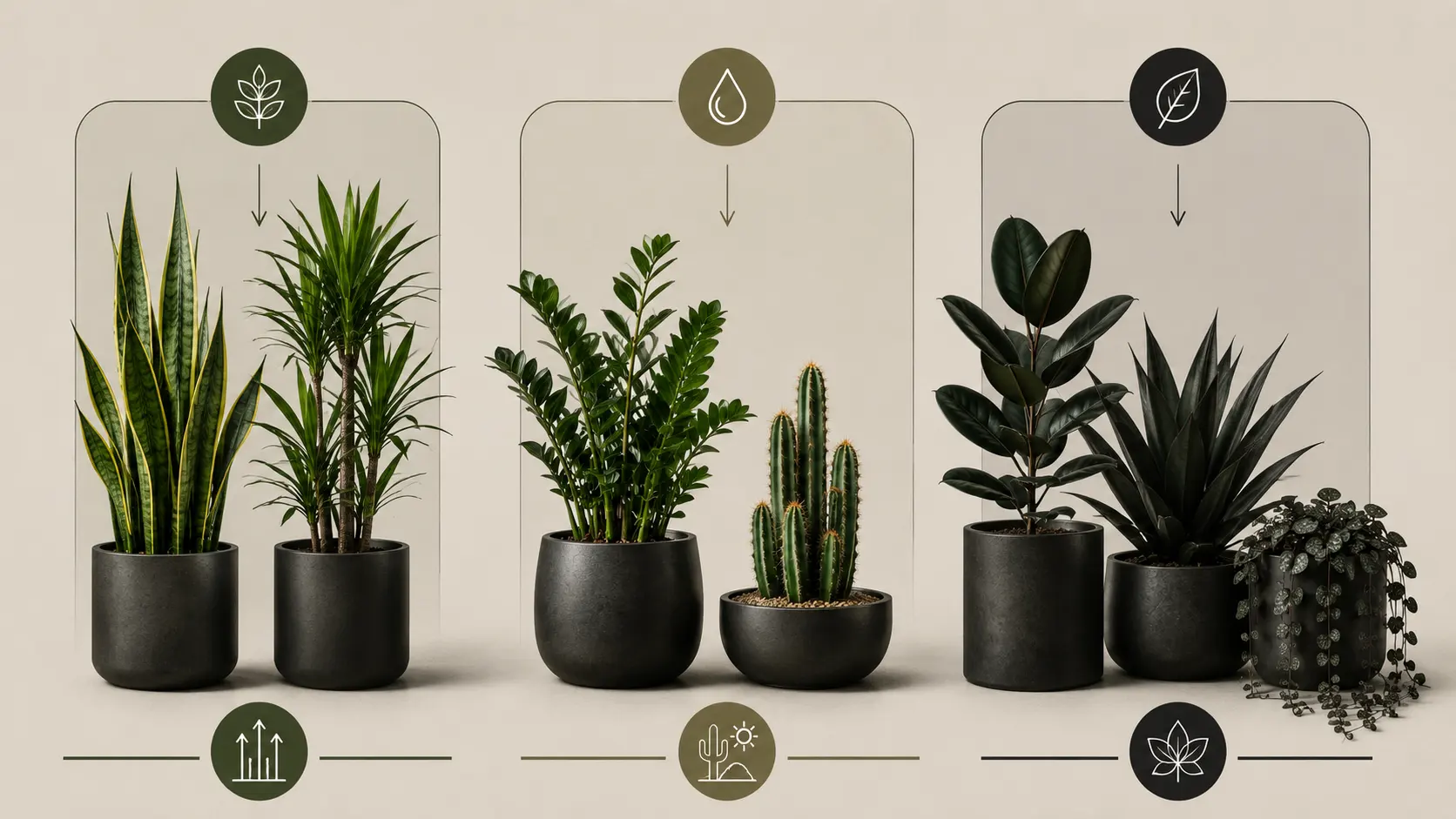
Masculine plants are defined by design traits rather than biological characteristics, focusing on strength, simplicity, and structure in appearance.
Visual traits
Masculine plants typically feature bold foliage, upright growth, and strong architectural lines. Leaves are often thick, sword-like, or geometrically arranged. Colours tend to lean towards deep greens, silvery tones, or muted dark hues, creating a grounded and powerful aesthetic. In landscaping, these plants act as structural anchors rather than decorative fillers.
Maintenance profile
Low-maintenance care is a core feature of masculine plant aesthetics. These plants are often drought-tolerant, slow-growing, or highly adaptable. In our experience growing indoor greenery for office environments, the most commonly requested plants are those that survive irregular watering schedules and fluctuating light conditions. This practicality is why plants like snake plants and ZZ plants dominate the category.
Cultural associations
The idea of “masculine plants” is strongly linked to interior design trends in men’s apartments, offices, and minimalist homes. Terms like manly plants, masculine flowers, or man plants are not scientific categories but lifestyle descriptors used in design culture. These plants are often chosen for spaces where simplicity, structure, and functionality are prioritised over ornamental softness. These design-based plant aesthetics are often linked to broader principles of minimalist interior styling and biophilic design.
Best Masculine Plants for Indoors
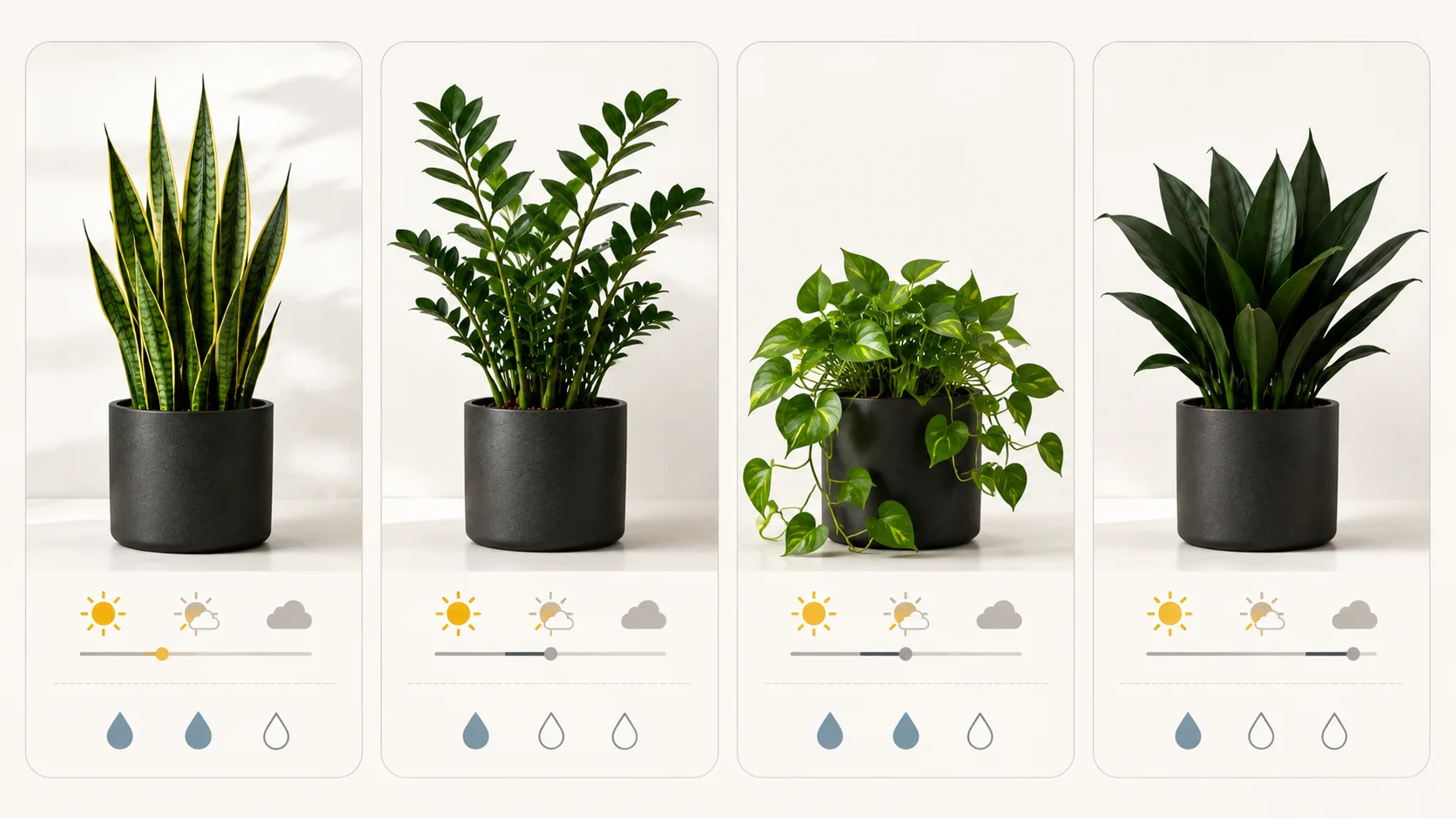
Indoor masculine plants are selected for durability, adaptability, and strong visual form. They are ideal for apartments, offices, and low-light interiors.
Snake Plant (Sansevieria)
The snake plant is widely considered one of the most masculine indoor plants due to its rigid, upright leaves and near-indestructible nature. It thrives on neglect, tolerates low light, and requires minimal watering.
For more beginner-friendly indoor plant options that thrive in low light, see our guide on low-maintenance plants for fence line in Australia, which also includes several hardy structural species adapted for tough conditions.
It is well suited for Australian homes and is commonly available at nurseries and retailers such as Bunnings. Elemo Baker recommends it as a “set-and-forget” plant for beginners or busy professionals. Its vertical structure makes it ideal for corners, entryways, and office desks.
ZZ Plant (Zamioculcas zamiifolia)
The ZZ plant features glossy, deep green leaflets that grow on arching stems, giving it a sculptural, modern appearance. It performs exceptionally well in low-light environments and requires very little maintenance.
It is drought-tolerant and slow-growing, making it ideal for people who prefer low-intervention greenery. In our experience, ZZ plants are among the most reliable choices for dark office corners where most plants struggle.
This extreme resilience is also seen in other hardy species like those discussed in plant care and growth guides for Australian conditions, especially drought-tolerant ornamentals.
Money Plant
The term “money plant” can refer to either Pothos (Epipremnum aureum) or Pachira aquatica. Both are popular indoor plants, but they differ significantly in growth habit.
Pothos is a trailing vine with fast growth, while Pachira aquatica has a braided trunk and upright form. Both are easy to care for and adapt well to indoor conditions, making them popular choices for shelves, desks, and hanging pots. Similar naming confusion also occurs in fruiting and tropical plants such as the feijoa tree in Australia, where common names differ across regions.
Other Strong Indoor Choices
- Cast Iron Plant: Extremely hardy, tolerates neglect and low light
- Dragon Tree (Dracaena marginata): Slim, upright form with red-edged leaves
- Fiddle Leaf Fig: Bold, oversized leaves for statement interiors
These plants are considered masculine due to their structural presence and strong visual impact rather than delicate aesthetics.
Best Masculine Plants for Outdoors
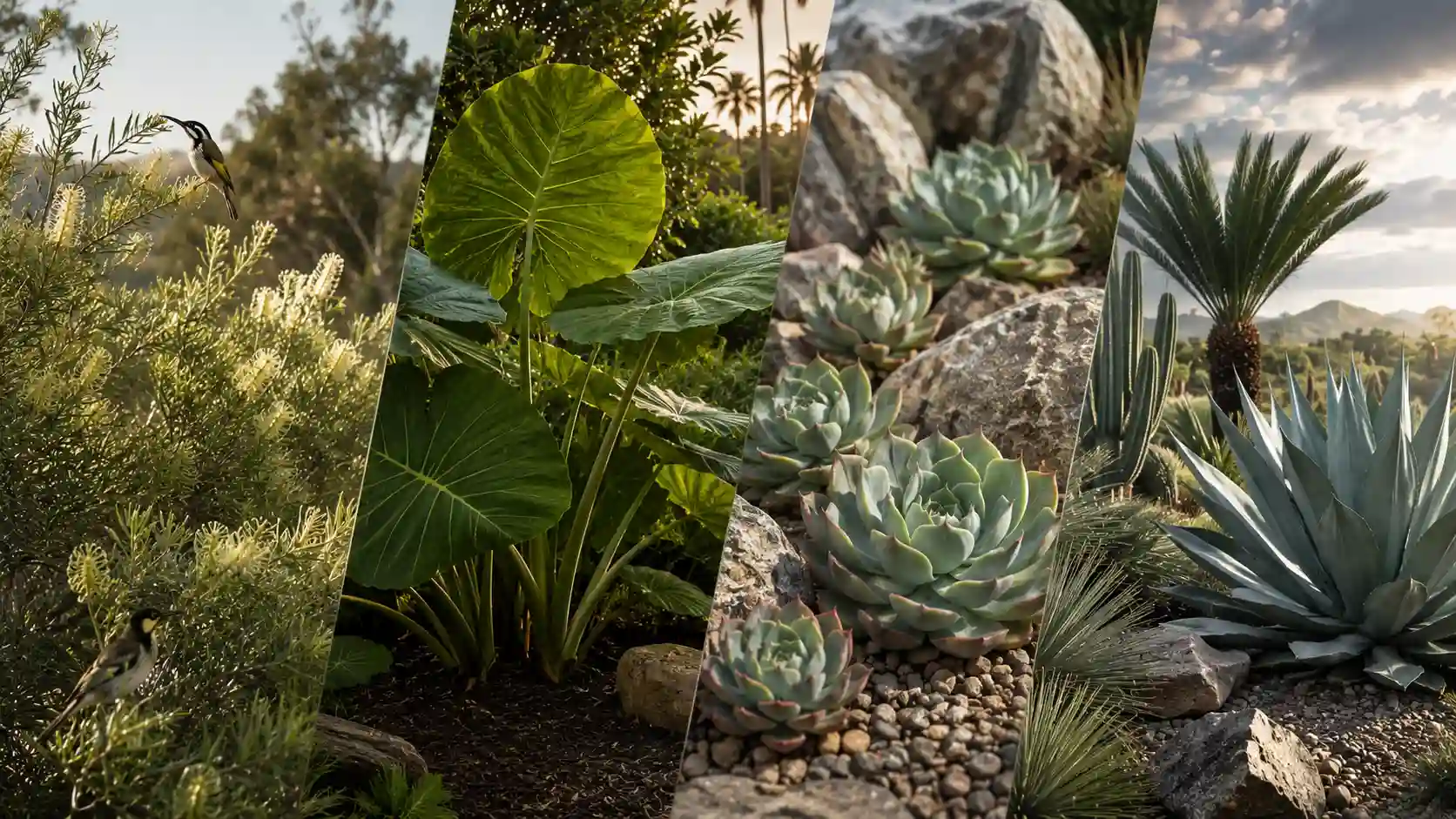
Outdoor masculine plants are typically drought-tolerant, structural, and suited to harsh climates such as those found across Australia.
Grevillea Moonlight
Grevillea Moonlight is an Australian native known for its creamy-white flower spikes and strong upright growth. It attracts birds and thrives in full sun once established. It is highly drought-tolerant and works well in fences, borders, and native garden designs. In Australian landscaping, it is valued for both resilience and bold floral contrast.
Other bold flowering shrubs with strong landscape impact include species featured in pink flowering shrub identification guides across Australia.
Hardy Tapioca (Manihot grahamii)
Hardy tapioca is a fast-growing plant with large, tropical-style leaves that create a strong architectural presence. Despite its exotic look, it is surprisingly tolerant of cooler conditions. It is commonly used in Australian gardens to create instant height and structure. Its rapid growth makes it ideal for filling large outdoor spaces quickly. This tropical architectural style is similar to fast-growing fruiting plants like the super dwarf Cavendish banana grown in Australian gardens, which also delivers dense foliage impact.
Echeveria Agavoides
This compact succulent forms a geometric rosette with sharp, sculptural symmetry. It requires minimal watering and thrives in dry, sunny conditions.
It is ideal for rock gardens, pots, and low-water landscapes. Its clean form aligns strongly with masculine design aesthetics.
Other Bold Outdoor Options
- Cycads: Ancient, architectural plants with strong structural form
- Agave: Sculptural succulents with dramatic leaf shapes
- Black Bamboo: Tall, striking vertical growth for privacy screens
These plants are commonly used in masculine garden design due to their strong silhouettes and drought resistance.
Masculine Plants for the Office
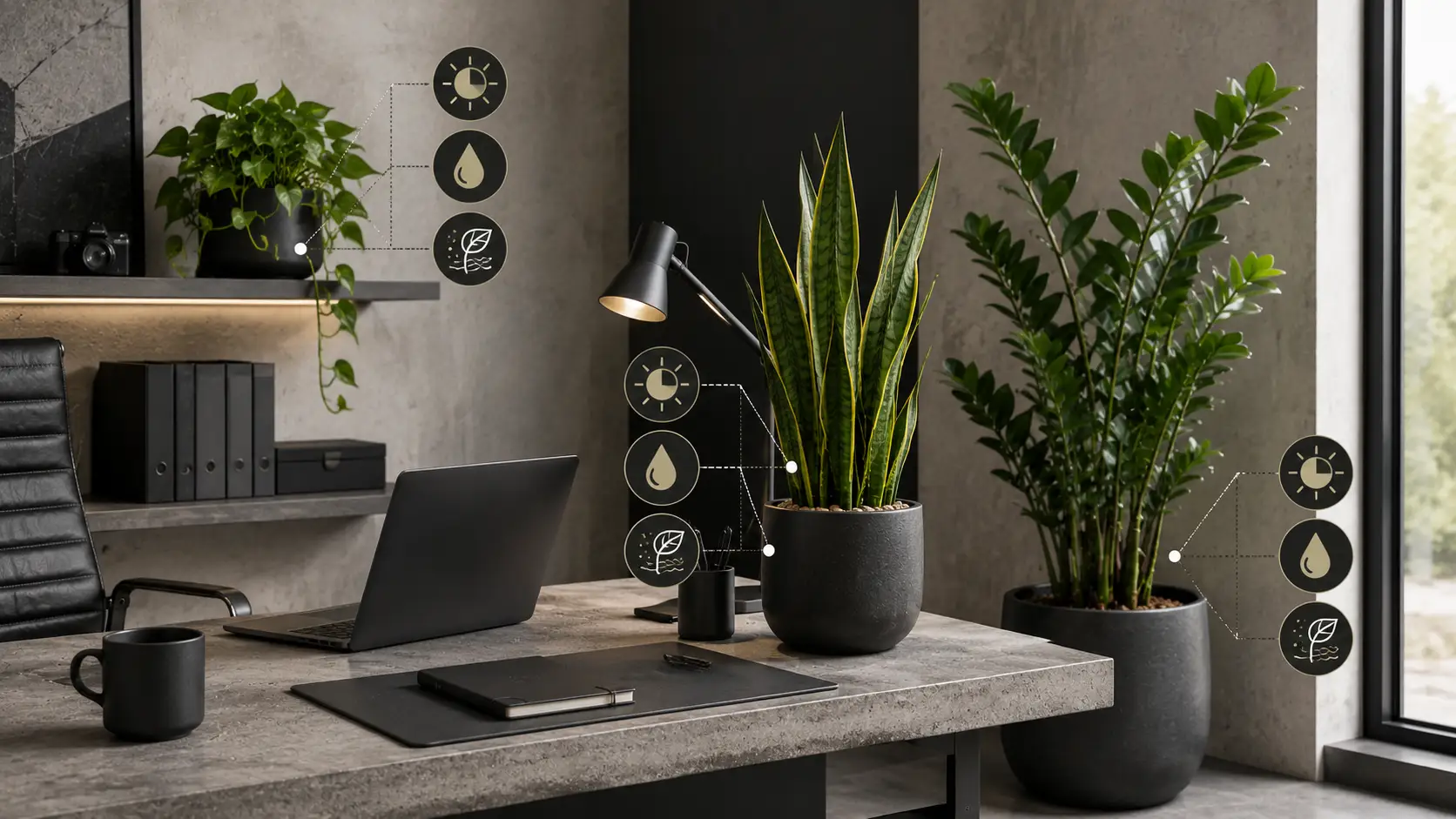
Masculine office plants are selected for practicality, compact size, and low maintenance requirements. Ideal choices include snake plants, ZZ plants, money plants, and cacti.
A well-designed office plant setup typically features a single statement plant rather than multiple small arrangements. In our experience, this reduces visual clutter and enhances focus.
Dark ceramic pots, raw terracotta, and concrete planters are commonly used to reinforce a grounded, masculine aesthetic. These materials complement the structural form of the plants without overpowering them.
Masculine Flowers — Do They Exist?
What are considered masculine flowers?
Masculine flowers are defined by bold structure, strong lines, and deeper colour palettes rather than soft or delicate petals. Examples include proteas, anthuriums, birds of paradise, and black-eyed Susans. Some tropical foliage plants with floral similarities are discussed in comparisons like Anthurium pallidiflorum vs vittarifolium, which highlight structural leaf-based aesthetics.
These flowers are often used in modern floral arrangements that prioritise form and contrast over traditional romantic styling.
Comparison table — Masculine Flowers vs Traditionally Decorative Flowers
| Feature | Masculine Flowers | Traditionally Decorative Flowers |
| Form | Bold, structural, spiky | Soft, ruffled, delicate |
| Colour palette | Deep, rich, or monochrome | Pastels, pinks, mixed hues |
| Common examples | Protea, anthurium, bird of paradise | Roses, peonies, sweet peas |
| Arrangement style | Minimal, architectural | Lush, layered |
Rare and Statement Masculine Plants Worth Knowing
Lotus jacobaeus (Black Lotus)
The black lotus is known for its dark, dramatic blooms and rarity. It is highly unusual in cultivation and is often discussed for its symbolic and aesthetic appeal rather than widespread garden use.
Red Butte Garden Aesthetic
Red Butte Garden in the United States is often referenced in landscape design discussions for its bold, structural planting style. Its use of strong plant forms and layered architectural design aligns closely with masculine plant aesthetics. Similar large-scale landscape structuring can also be seen in fast-growing magnolia varieties in Australia, often used for bold architectural garden design.
Comparison — Top Masculine Indoor Plants Side by Side
| Plant | Light needs | Watering | Size | Best for |
| Snake plant | Low–bright indirect | Every 2–6 weeks | Up to 1.2m | Offices, bedrooms |
| ZZ plant | Low–indirect | Every 2–3 weeks | Up to 1m | Dark rooms, lounges |
| Money plant | Low–bright indirect | Weekly | Trailing or up to 2m | Living rooms, shelves |
| Echeveria agavoides | Bright indirect–full sun | Fortnightly | 10–15cm rosette | Desks, rock gardens |
| Grevillea moonlight | Full sun | Low once established | 3–5m | Garden borders |
Common Problems With Masculine Plants and How to Fix Them
Broader pest and garden stress patterns affecting structural plants are explained in the garden pest identification guide for Australian gardens.
Snake Plant Problems
Yellowing leaves are most commonly caused by overwatering. Reducing watering frequency and improving drainage usually resolves the issue. Root rot can occur in poorly draining soil and requires repotting into a dry, well-aerated mix.
ZZ Plant Problems
Yellowing or dropping leaflets usually indicates inconsistent watering or low light stress. However, slow growth is completely normal and not a concern.
Money Plant Problems
Leggy growth typically results from insufficient light. Yellow leaves may indicate either overwatering or underwatering, so soil moisture should be checked before adjusting care.
Outdoor Plant Problems
Grevillea dieback is often linked to poor drainage or root stress. Echeveria rot commonly occurs in humid conditions where soil remains too wet for extended periods. Succulent issues such as rot and sap sensitivity are also covered in guides like firestick plant sap on skin treatment in Australia, which highlights handling precautions for similar drought plants.
Care Guide for Masculine Plants
- Snake plant: Water every 2–6 weeks; low light tolerant; well-draining soil required
- ZZ plant: Water every 2–3 weeks; adaptable to most light conditions
- Money plant: Water weekly; prefers bright indirect light
- Echeveria agavoides: Requires bright light; water fortnightly; free-draining soil essential
Elemo Baker notes that the most common beginner mistake is overwatering, especially with slow-growing indoor plants like ZZ plants and snake plants.
Conclusion
Masculine plants represent a design-focused approach to greenery, emphasising bold structure, low maintenance, and visual strength. From the resilient snake plant and ZZ plant to the versatile money plant, these indoor options provide reliable greenery with minimal effort. Outdoor choices such as Grevillea Moonlight and Echeveria agavoides extend this aesthetic into Australian gardens with durability and architectural impact. The key takeaway is simple: choose one plant that matches your environment and care capacity, and build from there for a cohesive, low-maintenance green space.
Frequently Asked Questions
What plants are considered masculine?
Masculine plants include structurally bold, low-maintenance species such as snake plants, ZZ plants, agaves, cycads, and cacti.
What is the manliest flower?
Proteas, anthuriums, birds of paradise, and black-eyed Susans are commonly considered masculine due to their strong, architectural forms.
Are snake plants good for men’s offices?
Yes. They thrive in low light, require minimal watering, and have a strong upright form ideal for office environments.
What is the difference between a ZZ plant and a money plant?
ZZ plants (Zamioculcas zamiifolia) are slow-growing with glossy leaves, while money plants typically refer to Pothos or Pachira aquatica, which have different growth habits.
Can masculine plants grow outdoors in Australia?
Yes. Plants like Grevillea Moonlight, Echeveria agavoides, agaves, and cycads perform well in Australian climates.
What are the best indoor plants for men who travel frequently?
ZZ plants and snake plants are ideal due to their drought tolerance and ability to survive long periods without watering.
2 Comments