

Tuna Plant Benefits Explained
Introduction
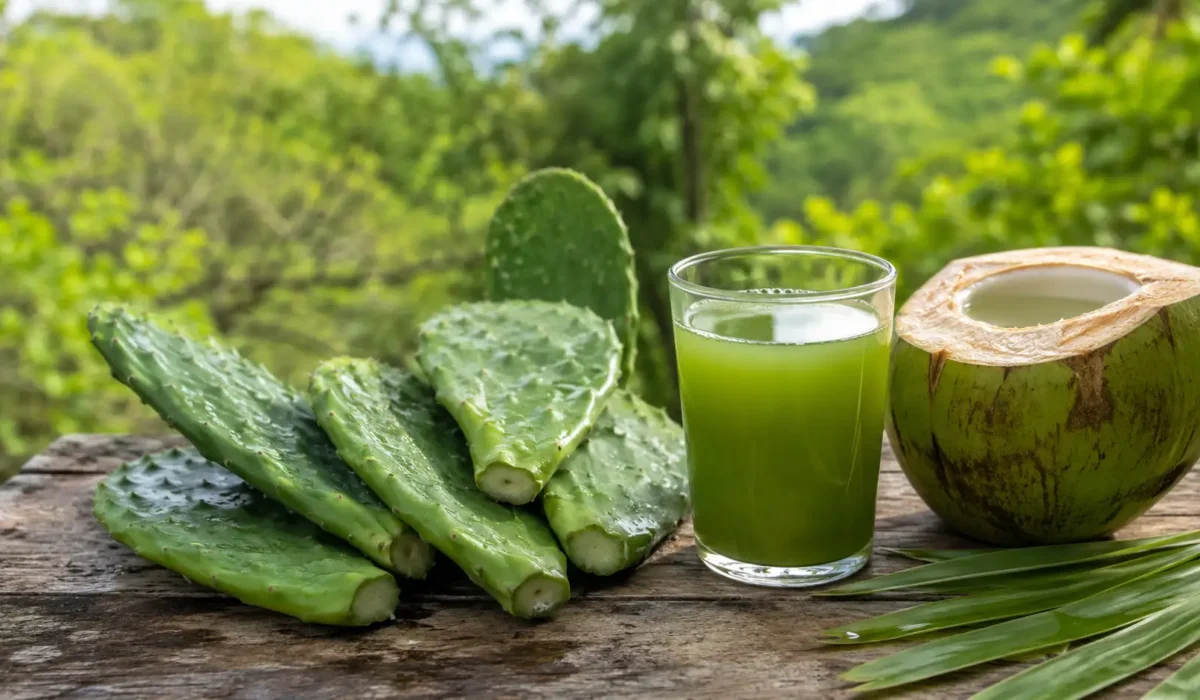
The tuna plant benefits are widely discussed in Caribbean folk medicine, particularly in Jamaica where the tuna plant refers to a type of prickly pear cactus from the Opuntia genus. In traditional use, the plant is prepared as a drink often called “tuna plant water” or “tuna water.”
In Jamaican culture, the tuna plant is valued for hydration and general wellness support, with anecdotal uses for joints, skin, and digestion. However, most claims come from traditional practice rather than strong clinical evidence. This article explores its cultural uses, reported benefits, preparation methods, and safety considerations to give a clear, balanced overview.
Quick Summary
- The tuna plant is the Jamaican name for a prickly pear cactus (Opuntia) traditionally used as a drink
- It is linked to folk claims for joint comfort, hair health, digestion, and hydration support
- Tuna plant water is often made from cactus pads blended with water or coconut water
- Scientific evidence is limited, so benefits are mostly traditional and anecdotal
- Medical advice is recommended before regular consumption, especially for health conditions
What Is the Tuna Plant?
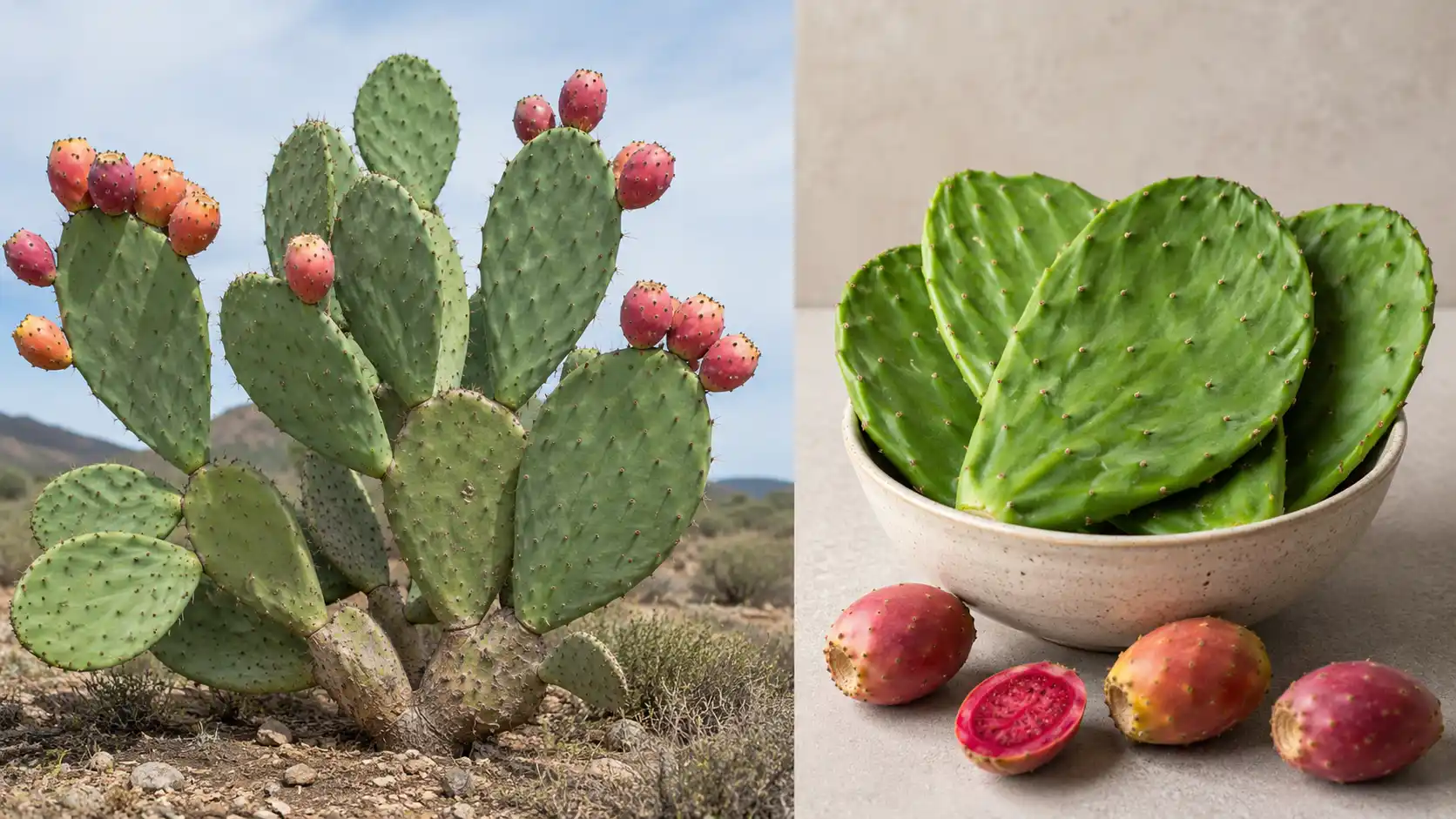
The tuna plant, also called the Jamaican tuna plant, refers to a species of Opuntia cactus commonly known as prickly pear. In Jamaica and other Caribbean regions, the term “tuna leaf” or “tuna plant Jamaica” is used to describe the fleshy green cactus pads. Many people also explore broader plant wellness benefits through guides like Benefits of Indoor Plants: 10 Science-Backed Reasons, which explains how plants contribute to air quality and general wellbeing indoors.
A common confusion arises between the tuna plant and canned tuna fish due to the shared word “tuna.” However, the plant is entirely botanical and belongs to the cactus family (Cactaceae). It is used in traditional herbal preparations, especially in rural Jamaican wellness practices.
The pads are thick, green, and covered in small spines (glochids), which must be carefully removed before preparation.
Jamaican Tuna Plant vs Other Prickly Pear Varieties
In Jamaica, the tuna plant often grows in warm, dry environments and may differ slightly from Mexican or Mediterranean prickly pear varieties in size and thickness.
- Jamaican varieties tend to have thicker, juicier pads
- Pads (“tuna leaf”) are the primary part used for drinks
- Fruit is less commonly used but still edible in some regions
Traditional and Reported Benefits of the Tuna Plant
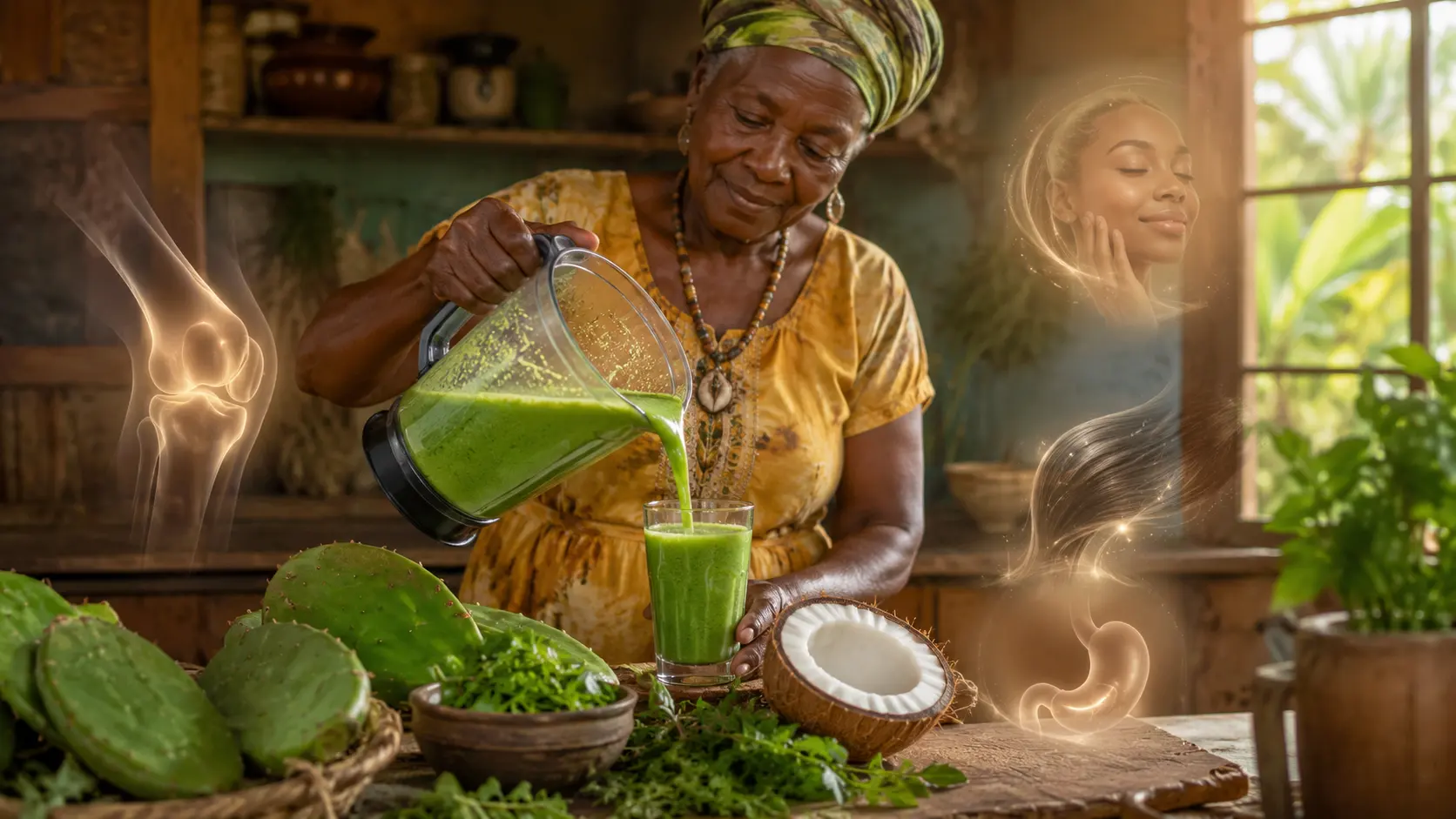
The benefits of tuna plant are mainly based on traditional Caribbean herbal practices rather than clinical trials. It is commonly used as a wellness tonic.
Commonly reported uses include:
- Joint and back discomfort support: Traditionally consumed to ease stiffness
- Hair and scalp health: Believed to support hair strength and shine
- Skin support: Used for hydration and skin nourishment
- Digestive support: May assist with mild digestive balance due to fibre content
- General hydration: Used as a natural wellness drink in hot climates
Similar to how Benefits of Lavender Plant at Home highlight calming and wellness-supporting properties, the tuna plant is traditionally valued in Caribbean culture for its perceived soothing and restorative effects.
Does Tuna Plant Work as a Natural Pain Reliever?
The tuna plant is sometimes described as a natural remedy for pain, particularly back or joint discomfort. While Opuntia species contain antioxidants and anti-inflammatory compounds, there is limited clinical evidence confirming strong pain-relieving effects in humans.
Traditional use suggests mild supportive benefits, but it should not replace medical treatment for chronic pain conditions. Professional healthcare guidance is essential for persistent symptoms.
Tuna Plant Benefits for Men
In folk discussions, tuna plant benefits for male health often relate to general vitality, hydration, and stamina. However, there is no scientific evidence showing gender-specific effects. Any benefits are considered general wellness support rather than targeted physiological enhancement.
Tuna Plant Water Benefits
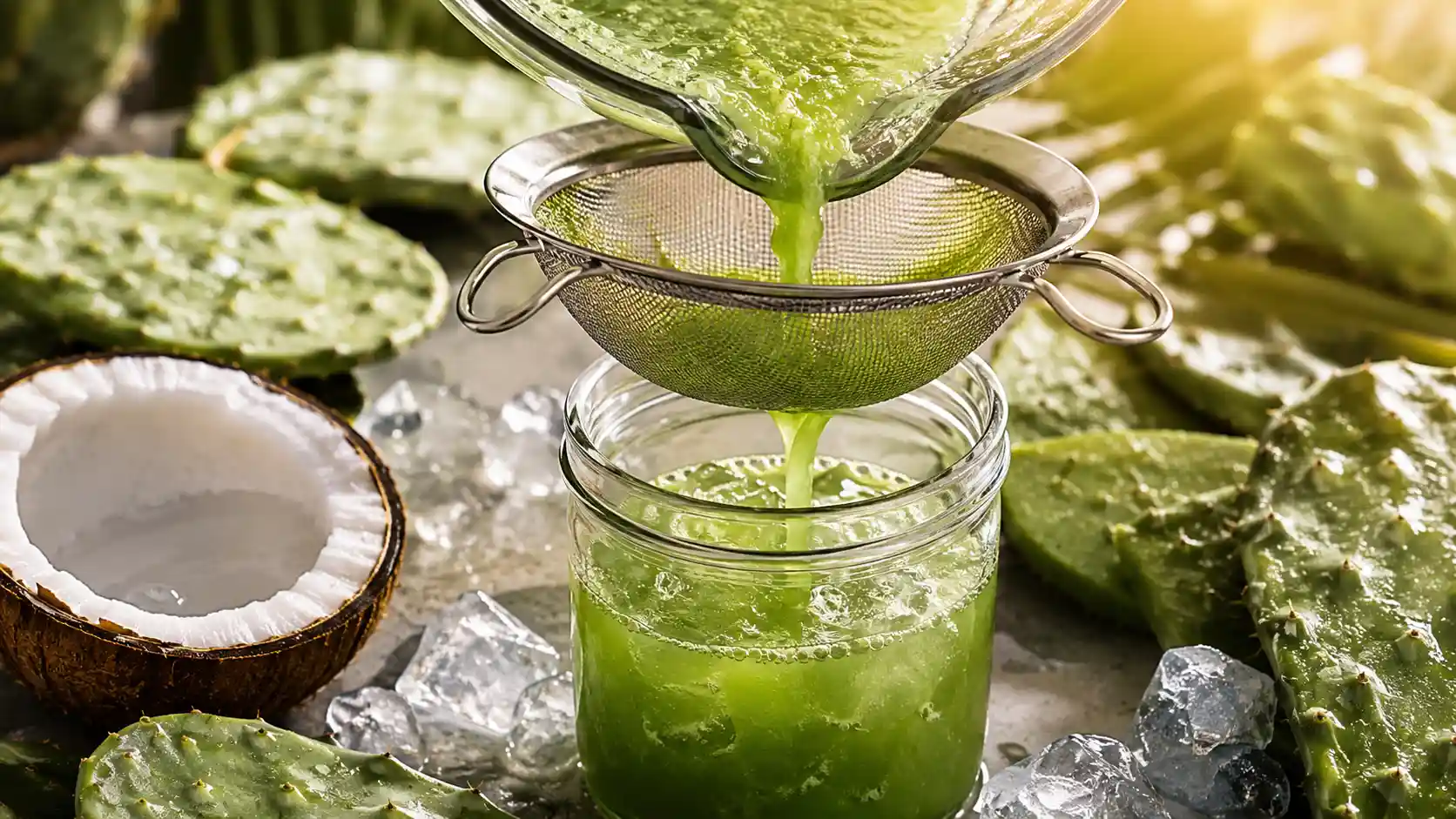
Tuna plant water benefits are widely discussed in Jamaican traditional wellness. The drink is typically made by blending cactus pads with water, sometimes combined with coconut water.
Reported benefits include:
- Hydration support in hot climates
- Natural fibre intake from plant material
- Antioxidant presence typical of Opuntia species
- Traditional use for digestive comfort
- General wellness hydration drink
The pads and fruit of the cactus are technically edible once properly prepared. However, they must always be cleaned thoroughly to remove spines. The tuna plant is often compared with other traditional Caribbean medicinal plants such as the Leaf of Life Plant Benefits, Uses, Tea & Care Guide, which is also widely used in folk wellness drinks and herbal remedies.
How to Prepare Tuna Plant for Drinking
Traditional preparation methods include:
- Wash cactus pads thoroughly
- Carefully remove all spines and glochids
- Peel or chop the pad into small pieces
- Blend with clean water or coconut water
- Strain to remove pulp (optional depending on preference)
- Chill and consume fresh
Tuna Plant and Coconut Water Combination
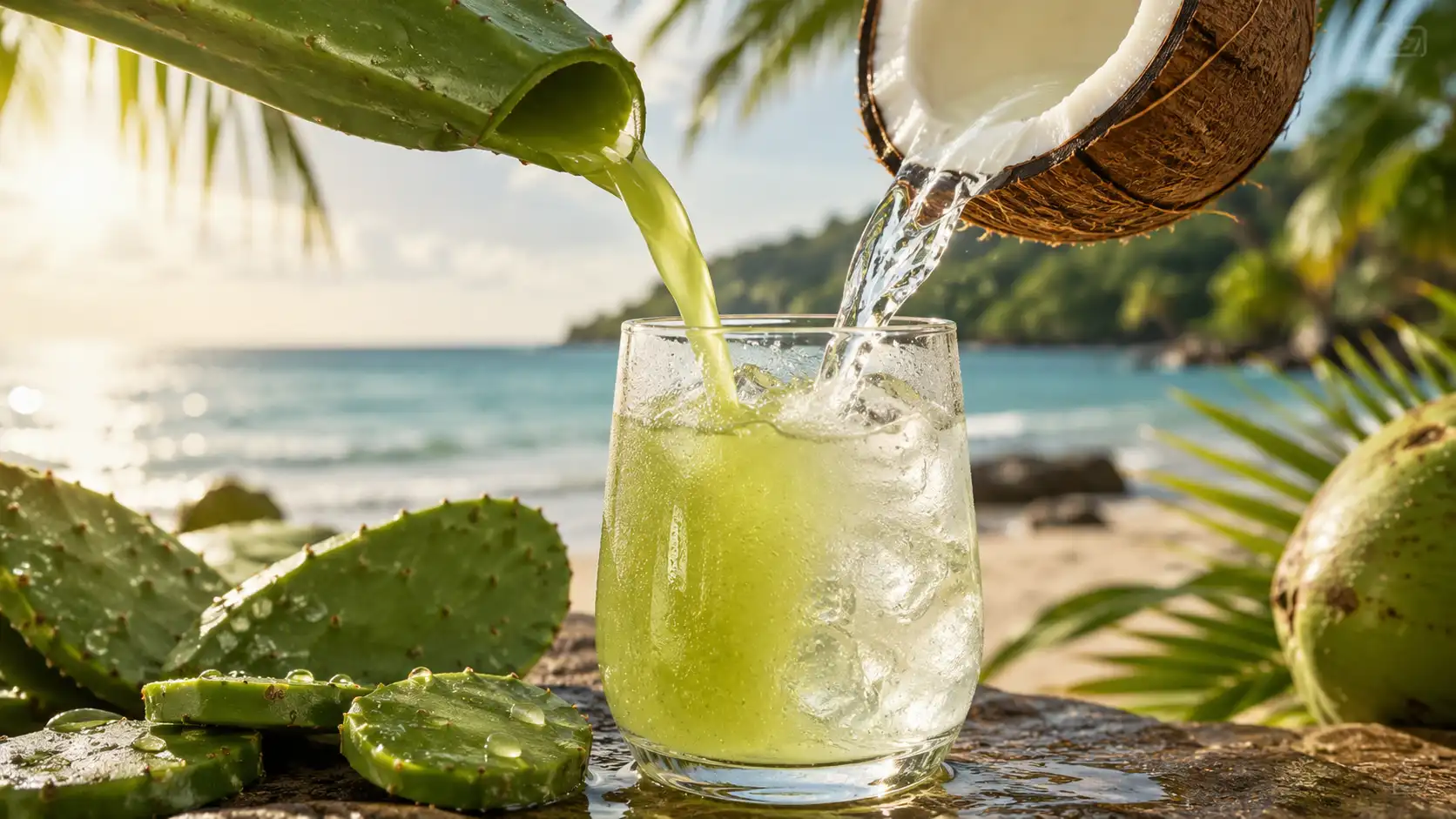
The combination of tuna plant and coconut water benefits is a popular Jamaican wellness practice. Coconut water naturally contains electrolytes such as potassium and magnesium, making it a hydration-focused drink.
When combined:
- Coconut water enhances hydration and electrolyte balance
- Tuna plant adds fibre-like plant compounds and traditional herbal value
- The mix is often consumed as a cooling, refreshing tonic
It is important to distinguish coconut water’s scientifically recognised hydration benefits from the tuna plant’s traditional role, which is less scientifically validated.
Comparing Tuna Plant to Other Cactus Products
| Product | Common Form | Traditionally Used For | Notes |
| Tuna plant (Opuntia pads) | Blended drink | Joint comfort, hydration, hair/skin | Jamaican traditional preparation |
| Prickly pear fruit | Fresh fruit | Antioxidants, fibre | Sweeter edible cactus fruit |
| Cactus water | Bottled drink | Hydration, electrolytes | Commercial processed beverage |
Cactus products share similarities but differ in preparation and nutrient profiles. Prickly pear fruit is generally more nutrient-dense, while cactus water is more processed and hydration-focused. Just like comparisons between cactus-based products and tropical fruits, plants such as Feijoa Tree Australia: Growing, Care & Fruit Guide show how different fruiting plants offer unique nutritional and cultural value.
Can Tuna Plant Support Brain Function or Organ Health?
The tuna plant is sometimes confused with fish tuna, which is rich in omega-3 fatty acids linked to brain health. However, the tuna plant (Opuntia cactus) is entirely different.
There is no strong scientific evidence that the tuna plant directly enhances brain function or targets specific organs. Any wellness effects are likely general antioxidant or hydration-related rather than organ-specific.
How to Use Cactus/Tuna Plant as a Home Remedy
Traditional uses of the tuna plant include more than just drinking it:
- Topical application: Crushed pads applied to skin for cooling effects
- Poultices: Used in folk remedies for minor skin irritation
- Juice consumption: Blended drink for hydration and wellness
These uses are based on traditional practices and should be approached cautiously.
Tuna Plant Benefits and Side Effects
While tuna plant benefits are widely discussed, potential side effects should not be ignored:
- May cause digestive discomfort if consumed in excess
- Improper preparation can lead to irritation from remaining spines
- May influence blood sugar levels, based on Opuntia species studies
- Possible interaction with diabetes or blood pressure medications
Moderation and medical advice are essential before regular use.
Common Mistakes When Preparing or Using Tuna Plant
Many people misuse the plant due to lack of familiarity:
- Using uncleaned pads with spines still present
- Consuming the wrong plant part without proper identification
- Over-relying on it as a medical treatment
- Sourcing from unidentified or unsuitable cactus varieties
Proper identification and preparation are essential for safe use.
Conclusion
The tuna plant benefits are deeply rooted in Jamaican and Caribbean traditional wellness practices. As a form of Opuntia cactus, it is mainly used for hydration, digestive support, and general wellbeing in folk medicine. For a broader understanding of plant selection and care, explore our pillar guide Australian Plants Guide: Indoor Houseplants & Garden Design, which covers a wide range of indoor and outdoor species suited for Australian-style gardening principles.
While tuna plant water and coconut water combinations are culturally significant, scientific backing for many claimed benefits remains limited. It should be viewed as a traditional wellness drink rather than a medical treatment. Always prioritise professional healthcare advice when dealing with health concerns.
Tuna plant offers just one example of how greenery can support your everyday wellbeing — explore our full guide to the wellness and lifestyle benefits of indoor plants for more ways houseplants can improve your home and mood.
FAQs
What is a tuna plant?
The tuna plant is a Jamaican term for a type of prickly pear cactus (Opuntia) used in traditional herbal drinks and wellness preparations.
What are the benefits of drinking tuna plant water?
It is traditionally associated with hydration, digestion support, and general wellness, though scientific evidence is limited.
Is tuna plant good for back pain?
It is traditionally used for joint and back discomfort, but there is no strong clinical proof of pain-relieving effects.
Can the tuna plant be eaten raw?
No, it must be carefully cleaned and prepared to remove spines before consumption.
Is tuna plant the same as prickly pear cactus?
Yes, the tuna plant is a regional name for certain Opuntia prickly pear cactus species.
What’s the difference between tuna plant and coconut water benefits?
Coconut water has scientifically recognised electrolytes, while tuna plant benefits are mainly traditional and anecdotal.
Are there side effects to drinking tuna plant water regularly?
Yes, excessive intake may cause digestive issues and may interact with certain medications, so moderation is advised.