

Black Sapphire Grapes: Taste, Benefits & Growing Guide
Introduction
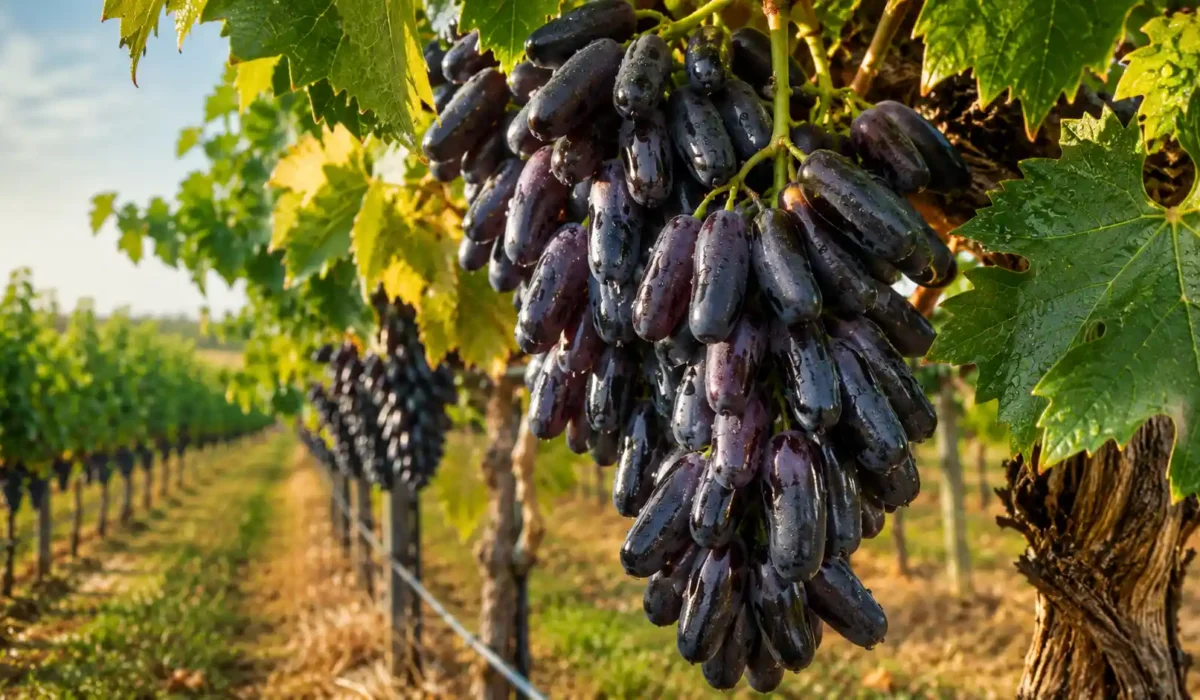
Black sapphire grapes are a distinctive elongated seedless table grape variety increasingly found in Australian supermarkets and home gardens. Known for their deep purple-black skin, crisp bite, and naturally sweet flavour, black sapphire grapes are part of the broader “sapphire grape” family that has gained strong popularity among health-conscious consumers. Their unusual finger-like shape and premium eating quality make them stand out compared to traditional round grapes. In Australia, they are often associated with seasonal produce aisles and specialty fruit selections.
Quick Summary
- Black sapphire grapes are a seedless, elongated table grape with deep purple-black skin and crisp texture
- They are closely related to sweet sapphire grapes and often sold interchangeably in Australia
- Rich in antioxidants such as anthocyanins, supporting general nutritional value
- Commonly available at Coles, Woolworths, and greengrocers during seasonal peaks
- Young vines are occasionally available for home gardeners in Australia
What Are Black Sapphire Grapes?
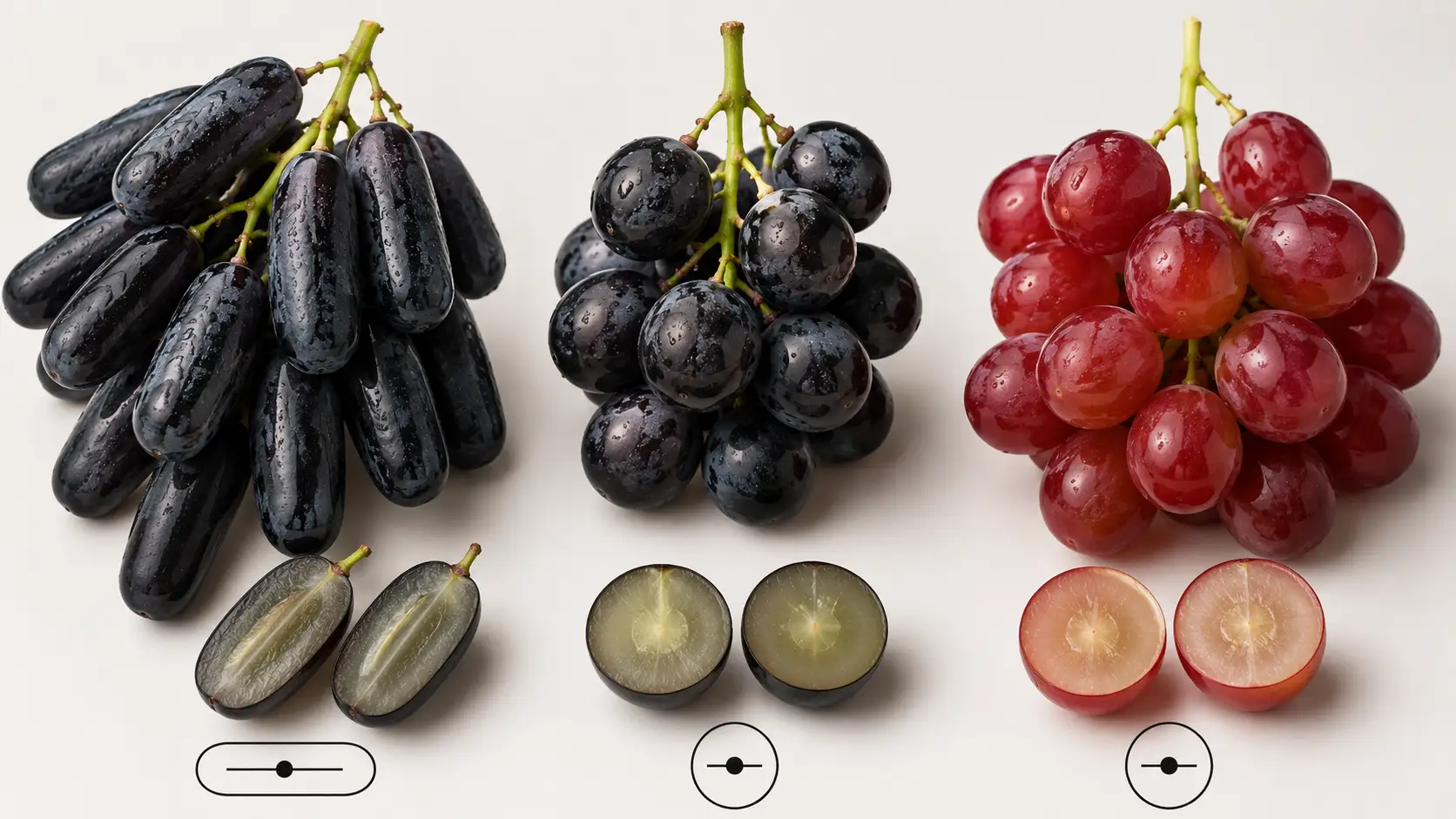
Black sapphire grapes are a seedless table grape variety characterised by their elongated, finger-like shape and near-black skin. The flesh is crisp, juicy, and mildly sweet, making them ideal for fresh eating.
The terms “black sapphire grapes,” “sweet sapphire grapes,” and “black finger grapes” are often used interchangeably in commercial markets. While subtle naming differences exist between growers and suppliers, they generally refer to closely related or the same cultivated variety within the sapphire grape group.
“Sapphire grapes” may also appear under alternate spelling variations such as “saphire grapes,” especially in informal listings or online searches.
Black Sapphire vs Sweet Sapphire Grapes — What’s the Difference?
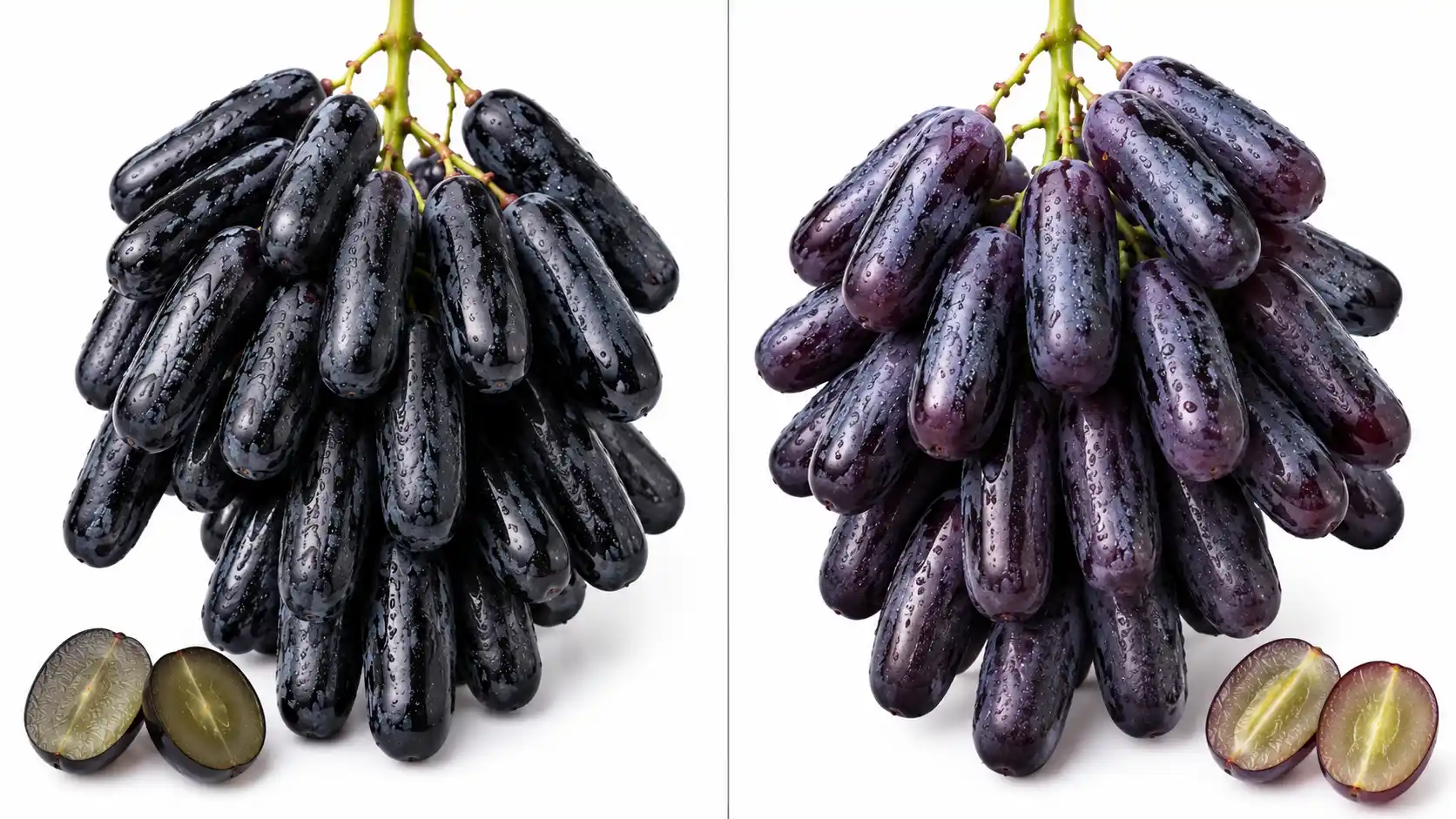
In most Australian retail contexts, black sapphire grapes and sweet sapphire grapes are considered the same or very closely related cultivars marketed under different names.
Key Differences Overview
| Feature | Black Sapphire Grapes | Sweet Sapphire Grapes |
| Shape | Elongated, finger-like | Elongated, finger-like |
| Skin Colour | Deep purple-black | Deep purple to black |
| Seeds | Seedless | Seedless |
| Flavour | Sweet, mild | Sweet, more intense |
| Availability (AU) | Seasonal | Seasonal |
In practical terms, consumers are unlikely to notice a major difference beyond branding and slight flavour variation depending on ripeness and growing conditions.
Black Sapphire Grapes Origin and Variety Background
Black sapphire grapes originate from modern table grape breeding programs focused on improving texture, sweetness, and shelf life. They are not genetically modified but developed through traditional hybridisation techniques. Table grapes like black sapphire varieties are part of broader cultivated grape species (Vitis vinifera), which has been widely domesticated for thousands of years.
The broader sapphire grape family is believed to have international origins, with development linked to breeding programs in the United States and later commercial expansion into global markets, including Australia.
In Australian produce markets, related descriptors such as black finger grapes or long black grapes are often used for similar elongated dark grape varieties.
Are Sweet Sapphire Grapes Genetically Modified?
No, sweet sapphire grapes (and by extension black sapphire grapes) are not genetically modified.
They are produced through conventional plant breeding, which involves selecting parent plants with desirable traits such as sweetness, texture, and disease resistance. This process is natural, widely used in agriculture, and does not involve laboratory gene insertion.
What Do Black Sapphire Grapes Taste Like?
Black sapphire grapes have a sweet, mild flavour with a crisp, juicy texture. The skin is slightly thicker than standard round grapes, which adds a satisfying bite.
Their elongated shape also influences the eating experience, offering a more “snackable” feel compared to traditional grapes. In our experience growing and sampling similar varieties, the sweetness tends to intensify when fully ripe and chilled.
Compared to red grapes, black sapphire grapes are generally less tart and more consistent in flavour.
Black Sapphire Grapes in Australia — Availability and Where to Buy
In Australia, black sapphire grapes are typically available during peak table grape season in major supermarkets.
You can commonly find them at:
- Coles (seasonal supply)
- Woolworths (seasonal supply)
- Independent greengrocers and fruit markets
Availability depends on harvest timing and import schedules. They are often labelled under sapphire grape varieties rather than strictly “black sapphire grapes.”
Where Are Sapphire Grapes Grown in Australia?
Australia’s table grape industry is concentrated in warm, dry regions that support high sugar development.
Major growing regions include:
- Victoria (Sunraysia region)
- New South Wales (Riverina region)
- South Australia (Riverland region)
These regions produce a significant portion of Australia’s table grapes, including newer premium varieties like sapphire-type grapes. Australia’s warm-climate fruit production also includes other popular crops like the Feijoa tree, which thrives in similar subtropical growing conditions.
Health Benefits of Black Sapphire Grapes
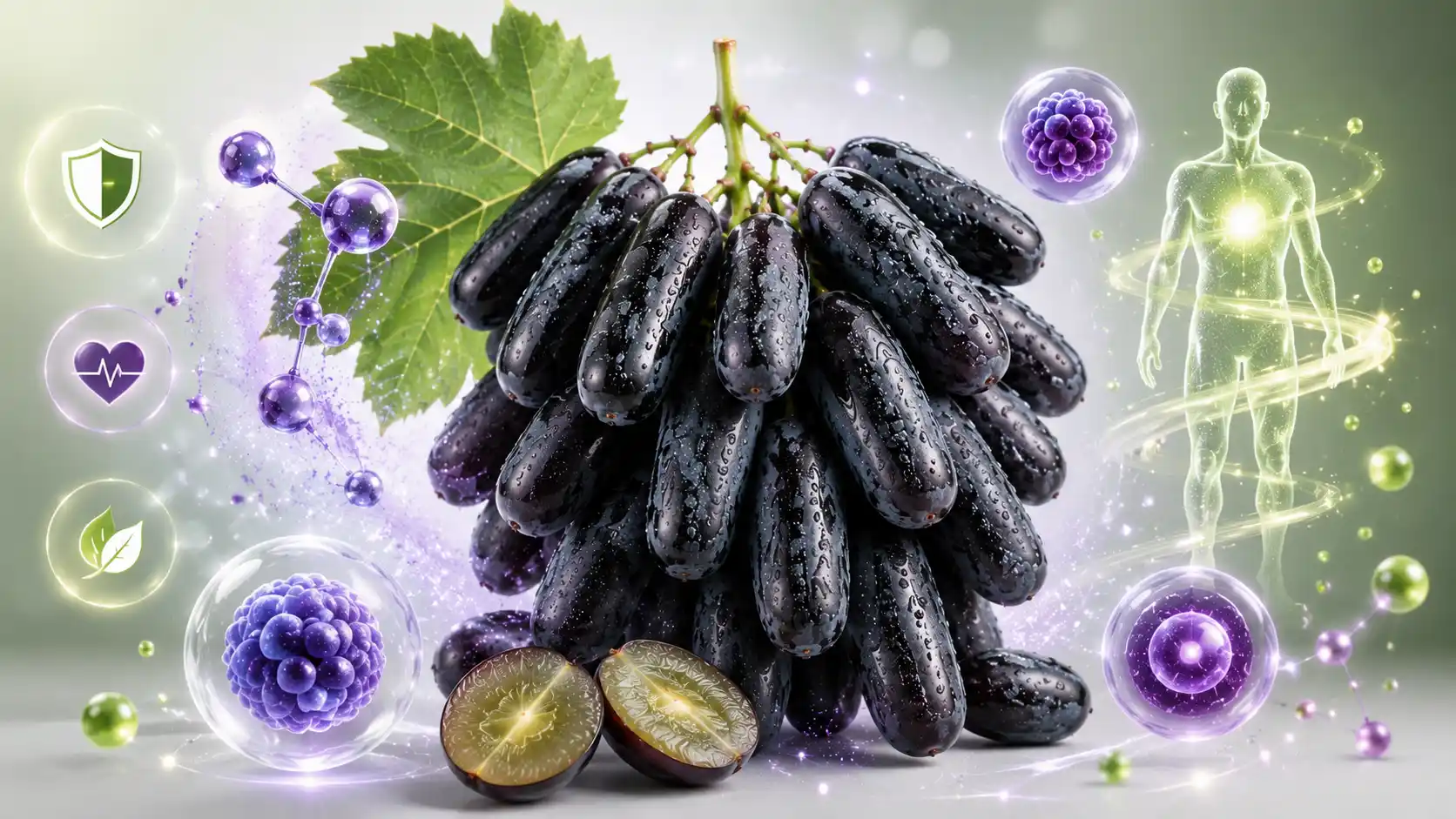
Black sapphire grapes contain a range of naturally occurring nutrients, including antioxidants and vitamins. Like other dark grape varieties, they are particularly rich in anthocyanins, which give the skin its deep colour.
Key nutrients include:
- Anthocyanins (antioxidants)
- Vitamin C
- Vitamin K
- Natural fibre
- Polyphenols such as resveratrol
In our experience with dietary tracking of fresh produce, dark grapes are often chosen as a healthier snack alternative due to their nutrient density and natural sweetness. Like other homegrown fruits such as the Super Dwarf Cavendish banana, grapes are valued for their natural sweetness and nutritional benefits.
Are Black Grapes Healthier Than Red Grapes?
Black (dark) grapes generally contain higher levels of anthocyanins compared to red grapes, which gives them stronger antioxidant properties.
| Grape Type | Anthocyanin Content | Resveratrol | Fibre | Vitamin C |
| Black/Dark Grapes | High | Moderate–High | Moderate | Moderate |
| Red Grapes | Moderate | Moderate | Moderate | Moderate |
| Green Grapes | Low | Low | Moderate | Higher |
While all grapes offer nutritional value, darker varieties like black sapphire grapes tend to have a stronger antioxidant profile.
Black Grapes and Blood Sugar — What You Need to Know
Black sapphire grapes contain natural sugars, primarily fructose and glucose. Their glycaemic index is moderate, meaning they can affect blood sugar when consumed in large quantities.
General nutritional guidance suggests:
- Moderate portions are suitable within a balanced diet
- Whole grapes are preferable to juice due to fibre content
- Pairing with protein or fat can reduce sugar spikes
In our experience reviewing dietary patterns, portion control is more important than complete avoidance for most individuals.
How Do Black Sapphire Grapes Compare to Other Varieties?
Black sapphire grapes differ from other grape types in shape, sweetness, and texture.
- Standard black grapes: Rounder, often slightly more acidic
- Red globe grapes: Larger, firmer, less sweet
- Cotton candy grapes: Extremely sweet with lower acidity
- Muscat grapes: Highly aromatic and floral
Black sapphire grapes stand out for their elongated shape and balanced sweetness, making them ideal for snacking.
Growing Black Sapphire Grapes in Australia
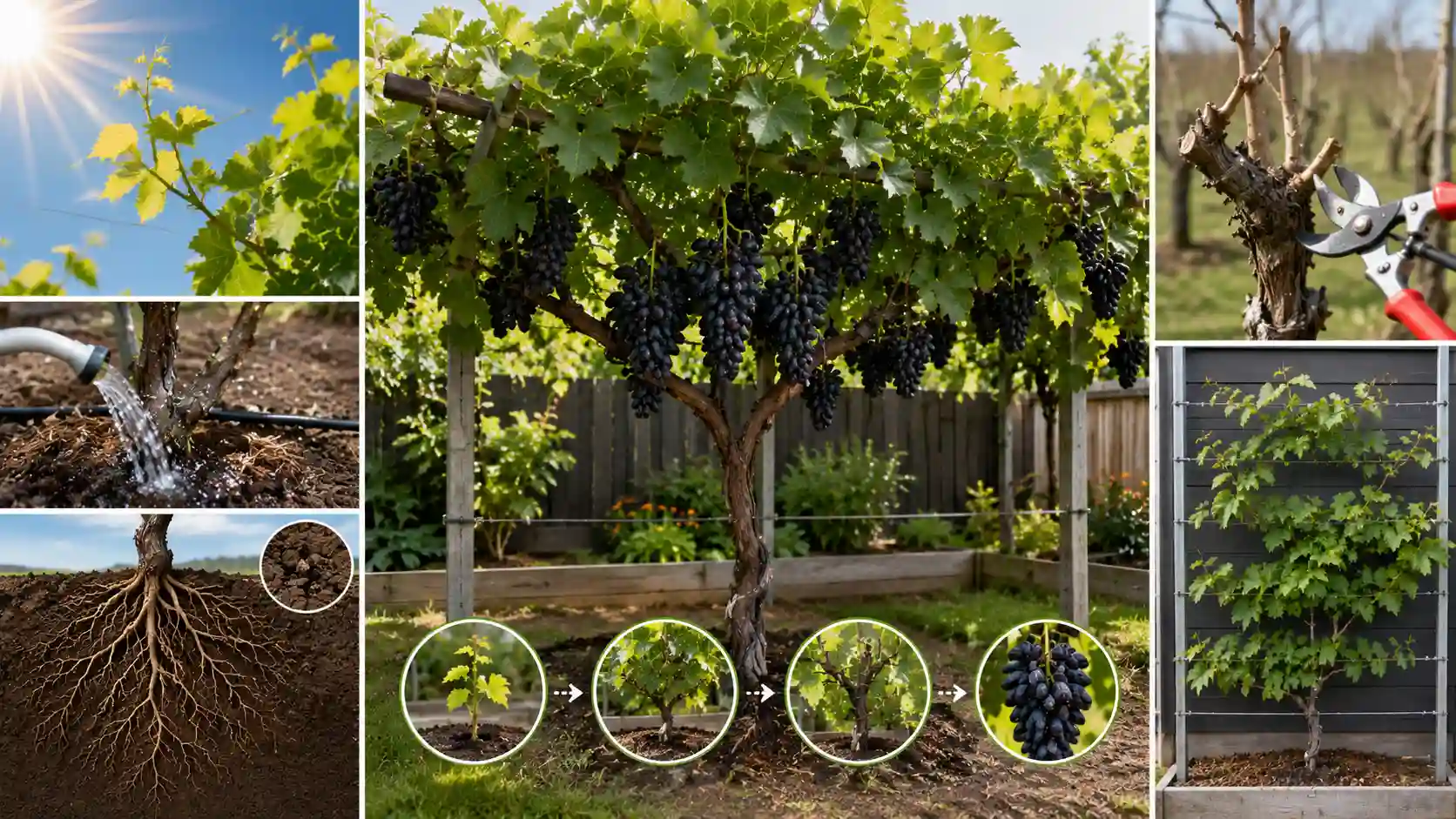
Black sapphire grapes can be grown in home gardens, although availability of vines may be limited. They require warm climates, strong sunlight, and well-structured support systems such as trellises or arbors.
Grapevines are also often included in discussions about low-maintenance plants for fence lines in Australia, due to their climbing and screening ability.
Can You Grow Black Sapphire Grapes at Home?
Yes, black sapphire grape vines (or related sapphire varieties) can be grown at home in suitable Australian climates. Young vines may be available through specialist nurseries.
Plant Size
Grape vines are vigorous climbers.
- Mature height: 3–5 metres (with support)
- Spread: 2–4 metres
- Requires strong trellis or pergola system
Growth Rate
Grapevines grow moderately to quickly once established.
- First fruiting: typically 2–3 years after planting
- Strong seasonal growth in spring and summer
- Dormant period in winter
Compared to compact shrubs like Leptospermum Dwarf Red Tea Tree, grapevines require significantly more horizontal and vertical space to spread.
Care Guide
Watering
Deep, infrequent watering is best. Overwatering can lead to root issues.
Light
Require full sun (6–8+ hours daily) for optimal sugar development.
Soil
Well-draining soil with neutral to slightly acidic pH is ideal.
Fertilisation
Low nitrogen fertiliser supports fruit quality over leaf growth.
Pruning
Annual winter pruning is essential to encourage fruiting canes.
Climate Tolerance
Best suited to warm Australian regions with mild winters.
What Not to Plant Next to Grapes?
Avoid planting:
- Fennel (allelopathic effects)
- Brassicas (compete for nutrients)
- Heavy root vegetables that disturb soil structure
Beneficial companions include low-growing herbs that do not compete heavily for resources.
Common Problems When Growing Black Sapphire Grapes
Why Are My Grape Leaves Turning Yellow?
This is often caused by iron chlorosis in alkaline soils. Improving soil drainage and applying chelated iron can help correct the issue.
Pest and Disease Issues
Common issues include:
- Powdery mildew
- Mealybugs
- Grapevine moth larvae
Organic sprays, pruning airflow improvement, and hygiene practices are effective controls.
Storing Grapes at Home — Do You Need a Paper Towel?
Yes, placing a paper towel in a container helps absorb excess moisture, reducing mould risk and extending freshness in the fridge.
Beginner Mistakes When Growing Sapphire Grapes
Common errors include:
- Planting in poorly draining soil
- Overwatering young vines
- Under-pruning during dormancy
- Expecting fruit in the first season
- Insufficient trellis support
In our experience, correct pruning is the most important factor influencing fruit production success. Just like indoor plant collectors compare species such as Anthurium pallidiflorum vs vittarifolium, grape growers also need to understand variety differences before planting.
Conclusion
Black sapphire grapes are a premium seedless table grape known for their distinctive elongated shape, sweet flavour, and nutritional value. Whether enjoyed fresh from Australian supermarkets or grown in a home garden, black sapphire grapes offer a versatile and rewarding fruit experience. Their antioxidant content and crisp texture make them a popular choice for health-conscious consumers, while their cultivation potential appeals to home gardeners across suitable Australian climates.
Frequently Asked Questions
1. Are black sapphire grapes healthy?
Yes. They contain antioxidants, vitamins, and fibre that support general nutritional wellbeing.
2. What do black sapphire grapes taste like?
They are sweet, mildly crisp, and less acidic than many traditional grape varieties.
3. Where can I buy black sapphire grapes in Australia?
They are available seasonally at Coles, Woolworths, and local greengrocers.
4. Are sweet sapphire grapes genetically modified?
No. They are developed through conventional plant breeding methods.
5. Can diabetics eat black grapes?
They can be consumed in moderation as part of a balanced diet, but individual dietary advice should be sought from a healthcare professional.
6. Can I buy black sapphire grape vines in Australia?
Yes, but availability is limited and typically found through specialist nurseries.
7. How do black sapphire grapes differ from regular black grapes?
They are more elongated, typically seedless, and often sweeter with a crispier texture.
2 Comments