

Do Tropical Avocados Taste the Same?
Introduction
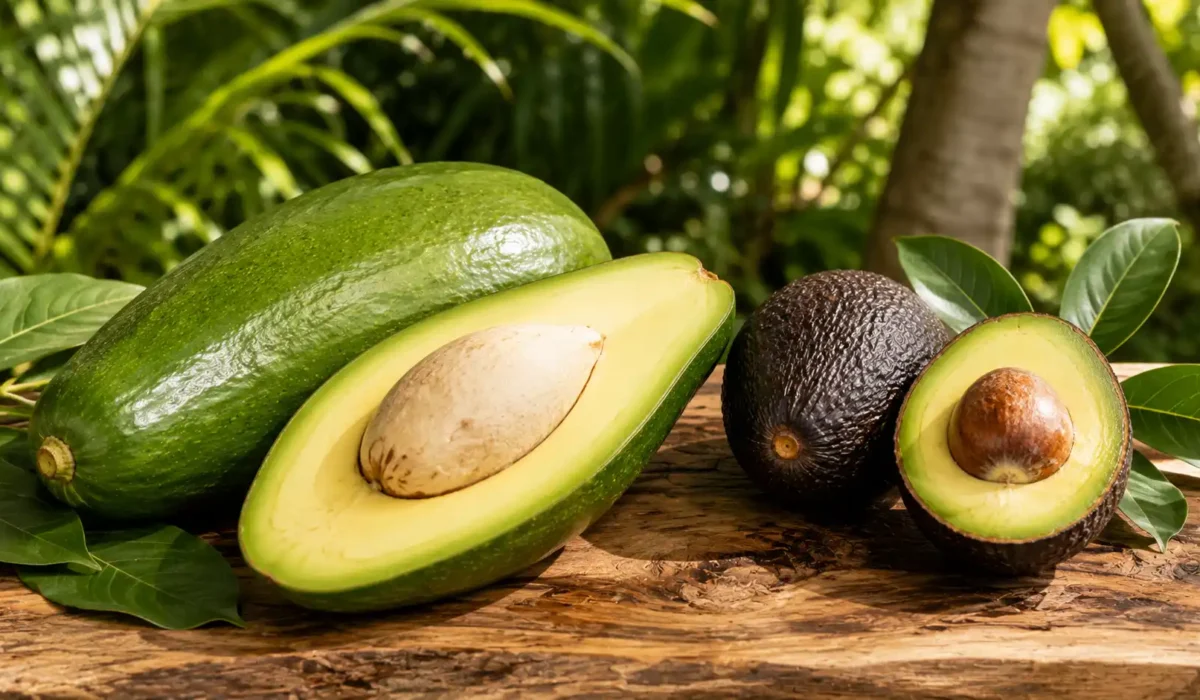
Tropical avocados do not taste the same as regular Hass avocados. Tropical avocado varieties, including large smooth green-skinned Florida and Caribbean types, have a lighter, milder flavour and a firmer, more watery texture because they contain less fat than Hass avocados. While Hass is known for its rich, creamy consistency and nutty taste, tropical avocados offer a fresher, slightly sweet flavour that works well in salads and smoothies. The difference is not simply because tropical avocados are larger; it mainly comes from natural differences in oil content, variety, growing conditions, and ripeness.
By Elemo Baker | Plant Care & Gardening Expert
Last Updated: July 2026
Quick Summary
- Tropical avocados taste milder, lighter, and slightly watery compared with the rich, buttery flavour of Hass avocados.
- The main reason for the taste difference is fat content, with tropical varieties generally containing less fat than Hass.
- Tropical avocados are ideal for salads, smoothies, and fresh fruit combinations, while Hass remains popular for guacamole and spreads.
- Exact flavour varies depending on avocado variety, growing region, climate, soil, and ripeness.
What Is a Tropical Avocado?
A tropical avocado is a type of avocado that belongs mainly to the West Indian or Caribbean avocado group, including varieties developed from Persea americana grown in warm tropical and subtropical climates. These avocados are often much larger than Hass avocados, with smooth bright-green skin, a large teardrop-shaped seed, and a lighter flesh texture.
Tropical avocados are sometimes called Caribbean avocados, Florida avocados, or green-skinned avocados. Unlike Hass avocados, which develop rough, pebbled skin that turns dark when ripe, tropical varieties usually maintain smooth green skin even when ready to eat. Avocados are one of many productive tropical and subtropical fruit trees that can be grown in suitable Australian climates, alongside other edible plants featured in our guide to fruit trees for Australian gardens.
Tropical fruits often have unique flavour profiles influenced by climate and growing conditions, similar to other warm-climate crops such as yellow and purple passion fruit varieties, which also differ in taste, texture, and growing requirements.
Common characteristics of tropical avocados include:
- Large fruit size, often weighing significantly more than Hass varieties
- Smooth, thin-to-medium green skin
- A larger central seed compared with their flesh volume
- Softer flavour with a lighter mouthfeel
- Lower oil content than many commercial Hass cultivars
These avocados originated from tropical avocado lines, especially the West Indian race, which naturally adapted to warmer climates. They are commonly grown in regions such as Florida, the Caribbean, Central America, and other tropical areas.
The growing environment also affects flavour. Warm temperatures, rainfall patterns, soil conditions, and harvesting practices can influence sweetness, texture, and overall taste. This is why two tropical avocados from different regions may not taste exactly alike.
Tropical Avocado vs Regular Avocado (What “Regular” Usually Means)
When people refer to a “regular avocado” in Australia, the United States, and many other markets, they usually mean the Hass avocado. Hass (Persea americana ‘Hass’) is the most widely available commercial avocado variety because of its creamy texture, longer shelf life, and strong flavour.
The main differences between tropical avocados and regular Hass avocados include:
- Size: Tropical avocados are usually much larger.
- Skin: Tropical types have smooth green skin, while Hass has rough dark green skin.
- Fat content: Hass generally contains more natural oils, creating a creamier texture.
- Taste: Tropical varieties are lighter and less rich, while Hass has a stronger buttery flavour.
Both types are true avocados and provide similar nutritional benefits, but their eating experience is noticeably different.
Do Tropical Avocados Taste the Same as Regular Avocados?
No, tropical avocados do not taste the same as regular Hass avocados. Tropical avocados usually have a milder, slightly sweet flavour with a lighter texture, while Hass avocados are richer, creamier, and more buttery due to their higher fat content.
The biggest factor affecting avocado flavour is the amount of natural oil stored in the fruit. Fat carries flavour compounds and creates the smooth, creamy sensation people associate with traditional guacamole avocados.
Tropical avocados typically taste:
- Mild rather than intensely nutty
- Slightly sweet with a fresh flavour
- Less creamy and more refreshing
- Softer in flavour but firmer in texture
- Occasionally slightly citrus-like depending on variety and growing conditions
Hass avocados are usually described as:
- Rich
- Nutty
- Buttery
- Dense
- Creamy
Because tropical avocados contain less oil, they often feel lighter when eaten raw. Some people prefer this cleaner taste, especially in dishes where avocado should complement other ingredients rather than dominate the flavour.
Why Fat Content Changes the Taste
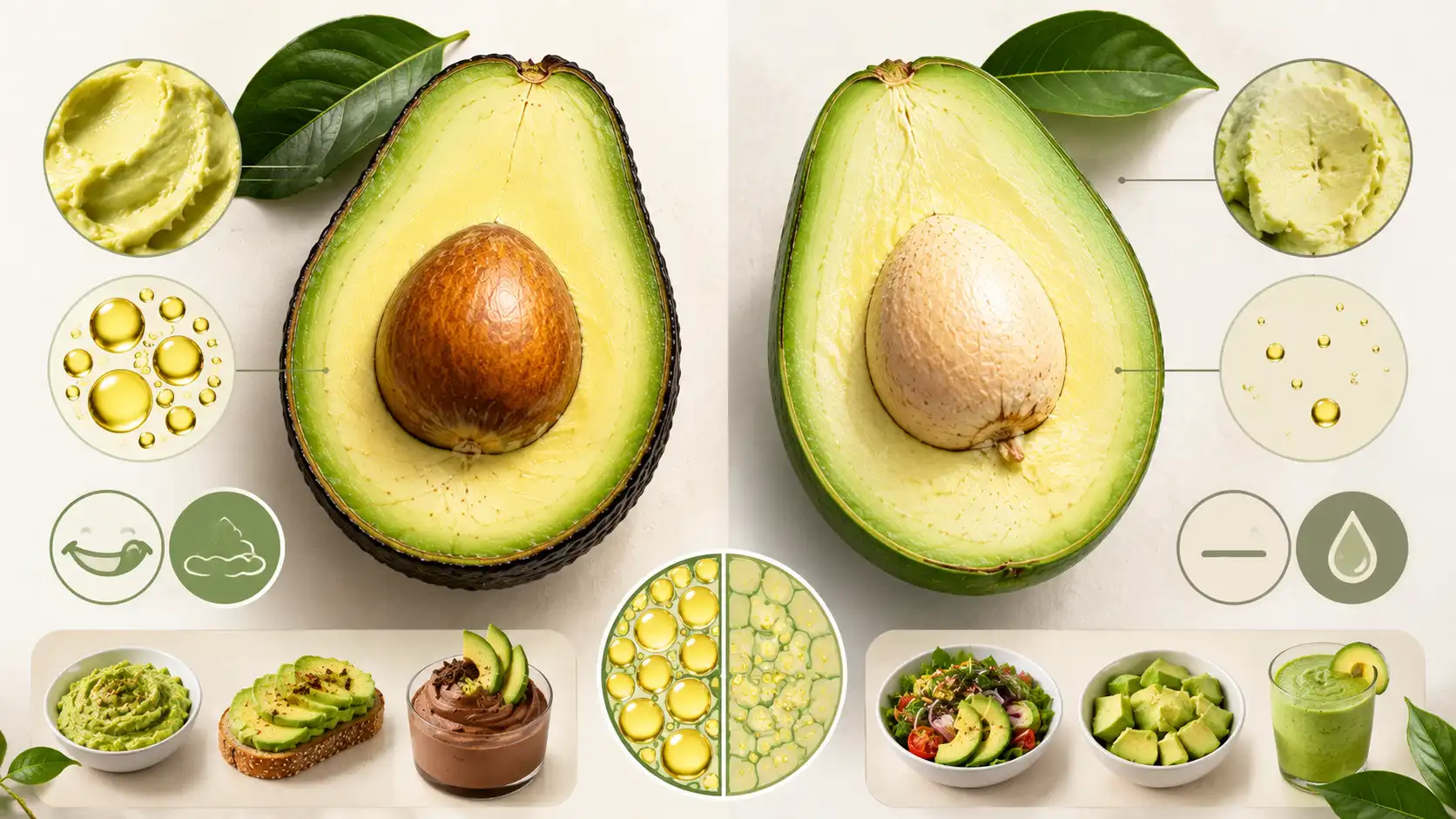
Fat content plays an important role in how avocado tastes and feels in the mouth. Higher-fat varieties like Hass create a smooth, creamy texture because natural oils help soften the flesh and carry flavour compounds.
Lower-fat tropical avocados contain more water compared with Hass, which can create:
- A firmer bite
- A lighter mouthfeel
- Less richness
- A fresher flavour profile
This does not mean tropical avocados are lower quality. They are simply different varieties suited to different culinary uses. In our experience growing and comparing avocado types, texture preference often depends on how the fruit is prepared. A tropical avocado may seem less impressive when used for traditional creamy guacamole but can perform better when sliced fresh into salads or blended into drinks.
Tropical Avocado vs Hass Avocado — Taste and Texture Compared
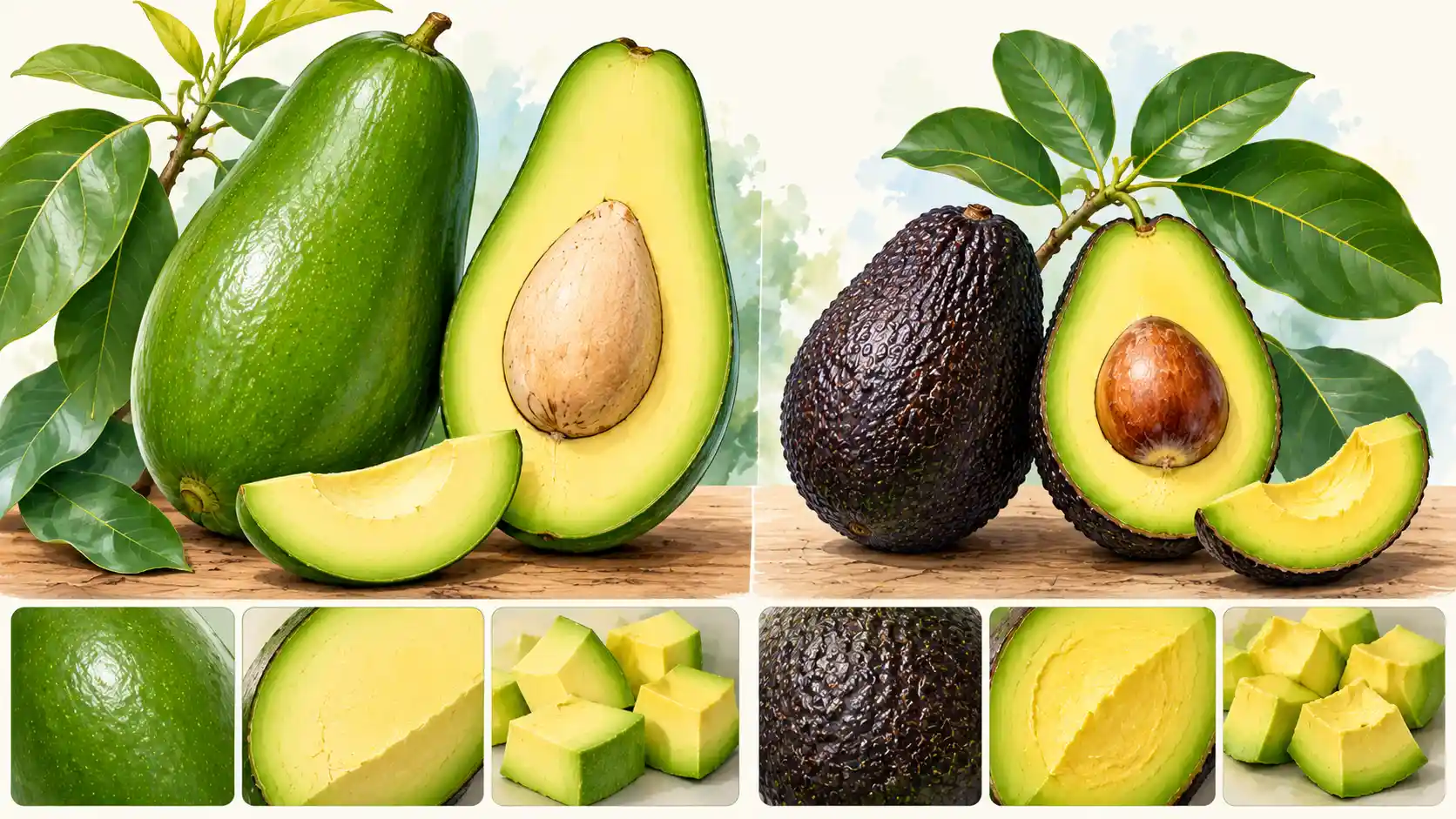
| Feature | Tropical (Florida/Caribbean) Avocado | Hass Avocado |
| Skin | Smooth, bright green | Pebbly, dark green to black |
| Fat content | Lower | Higher |
| Texture | Firmer, lighter, slightly watery | Creamy, buttery, dense |
| Flavour | Mild, slightly sweet, sometimes citrus-like | Rich, nutty, buttery |
| Best uses | Salads, smoothies, dicing, fresh dishes | Guacamole, spreads, toast |
Florida Avocado Taste — A Closer Look
Florida avocados have a lighter and milder taste compared with Hass avocados. They are a specific group of tropical-type avocados grown in Florida, where warm temperatures, humidity, rainfall, and soil conditions influence their final flavour profile.
Like other tropical fruits such as soursop, avocado flavour and growth performance are strongly influenced by temperature, rainfall, soil conditions, and regional climate.
Many people notice that Florida avocados taste:
- Mild and slightly sweet
- Less nutty than Hass
- Fresher and more watery
- Less oily and creamy
The difference between Florida and California avocados is mainly related to variety and growing environment. California-grown Hass avocados develop their famous rich texture because of their higher oil content, while Florida avocado varieties generally retain more water and have a firmer structure.
This regional influence is sometimes described as “terroir,” meaning that climate, soil, and growing conditions can affect the characteristics of agricultural products. Factors such as harvest timing and post-harvest storage can also influence flavour.
How to Tell If a Tropical Avocado Is Ripe
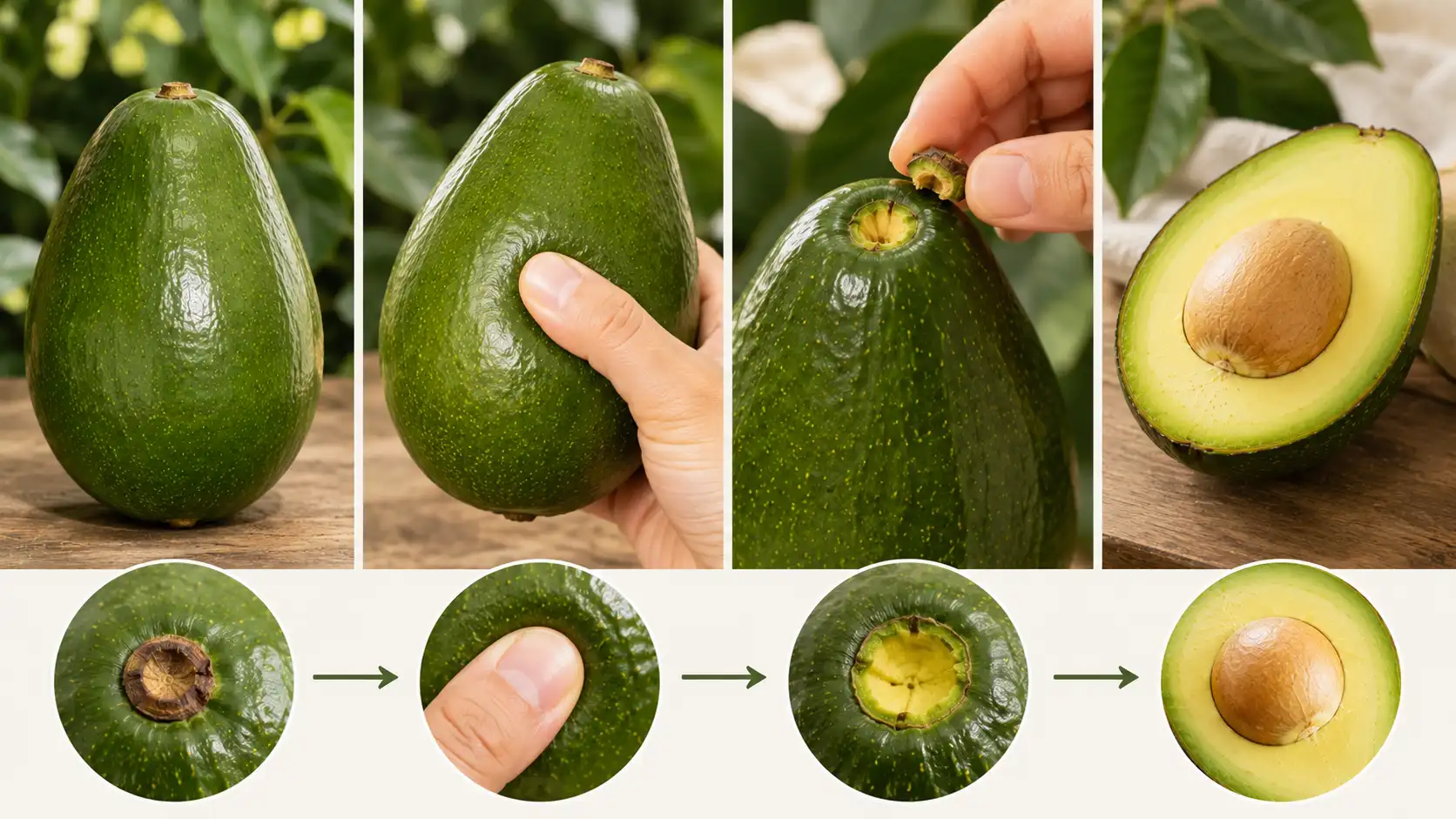
A tropical avocado is ripe when the flesh has softened enough to eat while still maintaining some structure. Unlike Hass avocados, which often darken as they ripen, many tropical varieties remain bright green, so colour alone is not always a reliable indicator.
Signs that a tropical avocado is ready include:
- Gentle softness: The avocado should give slightly when pressed lightly with your fingers. It should not feel mushy.
- Stem-end check: Removing the small stem cap can reveal the colour underneath. A green or yellow-green area often indicates good ripeness, while brown may suggest overripening.
- Skin condition: Some varieties develop slight changes in skin tone or a smoother appearance as they mature.
- Ripening time: A firm tropical avocado may take several days to soften at room temperature.
Common mistakes include cutting the fruit too early because the outside still looks green. Tropical avocados often need patience because their appearance does not change as dramatically as Hass varieties.
For faster ripening, keep avocados at room temperature. Once ripe, refrigeration can slow further softening and help extend freshness for a short period.
Nutrition and Health Considerations
Tropical avocados provide many of the same nutrients found in other avocado varieties, including fibre, vitamins, minerals, and beneficial plant compounds. However, the exact nutrition profile varies depending on the avocado type, growing conditions, and serving size. Beyond the fruit itself, different parts of the avocado plant have also been traditionally discussed for their uses, although safety and evidence vary depending on the plant part and preparation method.
Tropical avocados often contain fewer calories per gram than higher-fat Hass varieties because they generally have less oil. However, they are still considered a nutrient-dense fruit.
Calories and Macronutrients (Tropical vs Hass, Per Serve)
The exact values vary by cultivar, but general differences include:
| Nutrient Aspect | Tropical Avocado | Hass Avocado |
| Calories | Usually slightly lower due to lower fat content | Usually higher due to higher oil content |
| Fat | Lower total fat | Higher total fat |
| Fibre | Provides dietary fibre | Provides dietary fibre |
| Texture | Higher water content | Higher oil content |
Both varieties can be part of a balanced diet. The best choice depends on personal preference, dietary needs, and how the avocado is used.
What the Research Says About Avocados and Cholesterol
Research on avocados and cholesterol is ongoing. Some studies suggest that including avocado as part of a balanced eating pattern may be associated with improvements in certain cholesterol markers, including HDL (“good”) cholesterol levels.
However, avocado is not a guaranteed treatment for high cholesterol, and individual responses can vary. Factors such as overall diet, activity level, genetics, and health conditions all influence cholesterol levels.
Rather than focusing on a single “number one fruit to fight cholesterol” or a specific “worst food for high cholesterol,” nutrition experts generally recommend looking at the overall dietary pattern. People with cholesterol concerns should discuss personalised choices with a qualified healthcare professional.
How to Use Tropical Avocados in the Kitchen
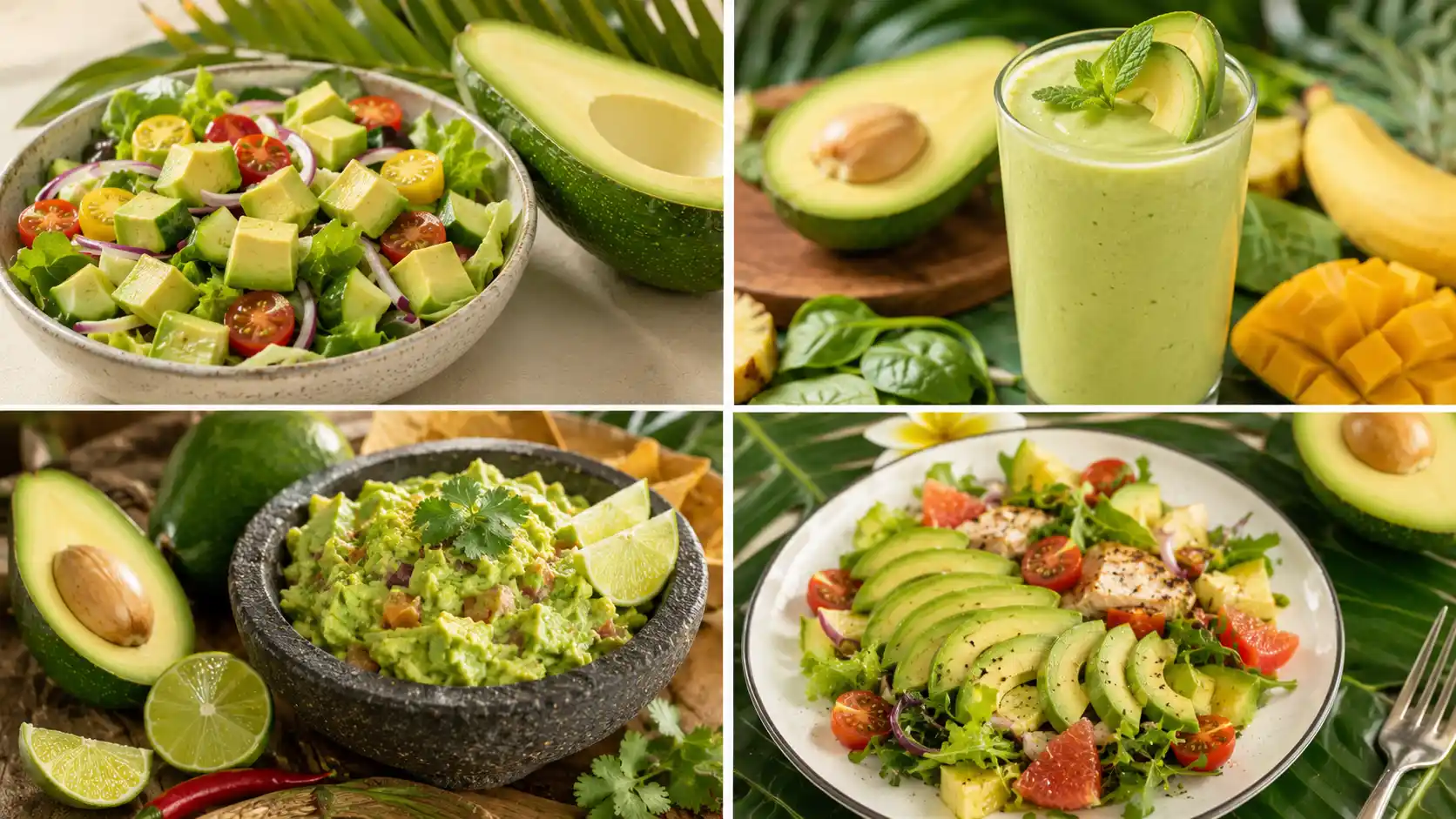
Tropical avocados are especially useful in recipes where a lighter avocado flavour and firmer texture are beneficial. Their large size makes them convenient for preparing meals that require more avocado flesh. Tropical avocados are an excellent example of how edible plants can provide both garden value and fresh produce, similar to other options covered in our guide to fruit trees and edible plants for Australian gardens.
Because they are less creamy than Hass, they work particularly well when sliced, diced, or blended with other fresh ingredients.
Popular uses include:
- Fresh salads: Add diced tropical avocado with vegetables, herbs, and citrus dressing for a refreshing dish.
- Smoothies: Blend tropical avocado with fruits such as mango, pineapple, or banana for a creamy but lighter drink.
- Tropical guacamole: Combine avocado with ingredients like lime, coriander, chilli, and tropical fruits for a sweeter variation.
- Avocado salsa: Use firm slices or cubes in fresh salsa recipes where texture matters.
- Fruit-baseddishes: Pair avocado with fruits for a sweet and savoury combination.
The tastiest way to eat avocado depends on the variety. Hass is often preferred for creamy spreads, while tropical avocados can shine in recipes where freshness and texture are important.
Common Mistakes When Buying or Using Tropical Avocados
Many people judge tropical avocados using the same expectations they have for Hass varieties. This can lead to disappointment because the two types naturally have different textures.
Common mistakes include:
- Buying an underripe avocado and assuming it lacks flavour
- Expecting a tropical avocado to become as creamy as Hass
- Storing unripe avocados in the refrigerator, which can slow the ripening process
- Using tropical varieties in recipes designed specifically for rich, creamy avocado textures
Understanding the variety helps avoid these issues. Tropical avocados are not inferior; they simply perform differently in the kitchen.
Why Some Cooks Prefer Not to Use Tropical Avocados for Certain Dishes
Some cooks avoid tropical avocados for dishes that depend on a thick, creamy texture, such as traditional guacamole or avocado spreads. The reason is usually texture preference rather than quality or safety concerns.
Hass avocados contain more oil, allowing them to mash smoothly and create the creamy consistency expected in many classic avocado dishes.
Tropical avocados may produce a lighter guacamole with more noticeable water content. However, some chefs and home cooks prefer this style, especially when making fresh salads, seafood dishes, or fruit-based recipes.
Which Avocado Variety Tastes Best?
The best-tasting avocado depends on how it will be used. There is no single avocado variety that is universally considered the best because flavour preferences and cooking purposes vary.
Hass is often considered the creamiest and most popular avocado variety in many markets, including the United States, because of its rich flavour and smooth texture. It remains a favourite for guacamole, toast, and spreads.
Tropical avocados may be the better choice for people who prefer:
- A lighter flavour
- Larger fruit size
- Firmer slices for salads
- Less richness in recipes
The most popular avocado in one region may not be the preferred choice elsewhere. Choosing the right variety depends on whether you value creaminess, freshness, size, or versatility.
Conclusion
Tropical avocados and regular Hass avocados do not taste the same. The main difference comes from fat content, which affects flavour intensity, creaminess, and texture. Tropical avocados are milder, lighter, and slightly more watery, while Hass avocados provide the rich, buttery taste many people associate with avocado.
The best choice depends on the intended use. Tropical avocados are excellent for salads, smoothies, and fresh dishes, while Hass remains a popular option for guacamole and spreads. Understanding these differences helps you choose the right avocado variety for your recipe and taste preference.
FAQs
Does a tropical avocado taste like a regular avocado?
No, a tropical avocado does not taste exactly like a regular Hass avocado. Tropical varieties are usually milder, lighter, and less creamy because they contain less fat. Hass avocados have a richer, buttery flavour and smoother texture.
What is the best tasting type of avocado?
The best-tasting avocado depends on personal preference and how it is used. Hass is often preferred for its creamy texture and rich flavour, while tropical avocados are appreciated for their lighter taste and larger size.
Do Florida avocados taste different from Hass avocados?
Yes, Florida avocados taste different from Hass avocados. Florida avocados are generally milder, firmer, and less buttery, while Hass avocados are richer, creamier, and more nutty due to their higher oil content.
What is the creamiest avocado variety?
Hass is widely considered one of the creamiest avocado varieties because of its high oil content and smooth texture. It is commonly used for guacamole, spreads, and creamy avocado dishes.
What is the 5-day rule for avocados?
The 5-day rule usually refers to the idea that an avocado can often ripen within around five days when stored at room temperature, although the exact timing depends on the variety, starting ripeness, and environmental conditions.
Do avocados help increase HDL cholesterol?
Some research suggests that eating avocados as part of a balanced diet may support healthier cholesterol patterns, including possible effects on HDL cholesterol. However, research is still evolving, and individual results vary. People with specific cholesterol concerns should seek personalised advice from a healthcare professional.
2 Comments