

Frost Tolerant Plants Australia: Best Cold Hardy Choices
Introduction
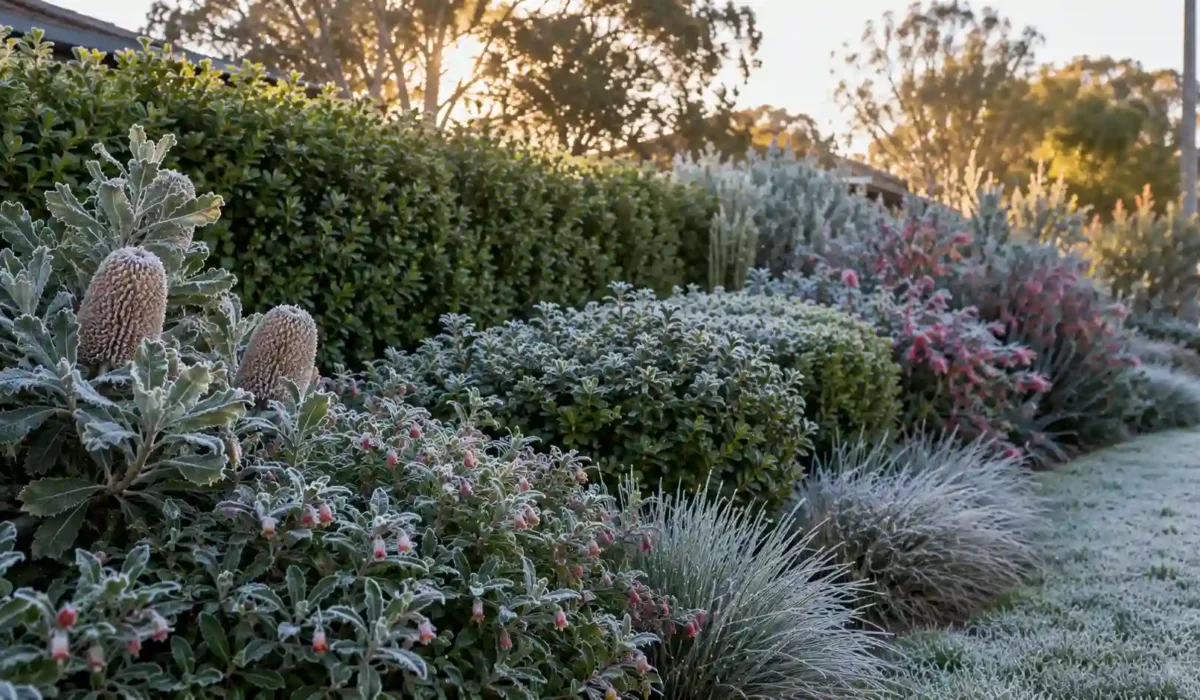
Frost tolerant plants Australia refers to plants that can withstand freezing temperatures and recover from cold conditions without severe or permanent damage. Frost tolerance means a plant can survive exposure to frost, although some leaf damage may occur after temperatures fall below 0°C. Frost affects many Australian gardens, especially in Canberra, the Southern Tablelands, Adelaide Hills, inland Victoria, and parts of NSW where winter temperatures regularly drop low enough to create freezing conditions. Choosing suitable frost tolerant plants Australia helps gardeners create reliable landscapes that survive cold snaps without replacing damaged plants every year.
By Elemo Baker | Plant Care & Gardening Expert
Last Updated: July 2026
Quick Summary
- Frost tolerant plants can usually survive light frost and temperatures down to around -5°C, although foliage damage may occur.
- Frost hardy plants tolerate heavier frost, repeated freezing, and some snow conditions, often recovering from temperatures near -10°C.
- Australian natives such as silver banksia, correas, snowy river wattle, and suitable lilly pilly cultivars perform well in cooler regions.
- Good drainage, mulch, and protecting young plants during their first winters greatly improve frost survival.
- Plant selection should match local frost severity, soil conditions, and garden microclimates rather than climate zones alone.
What Does “Frost Tolerant” Actually Mean?
Frost tolerant means a plant can survive exposure to freezing conditions where temperatures fall close to or below 0°C without suffering permanent damage. Frost forms when surface temperatures drop below freezing, causing moisture on leaves, stems, and surrounding surfaces to turn into ice crystals. Some plants recover easily because their cells tolerate freezing stress, while others experience cell damage and die back.
Frost occurs when temperatures fall below freezing, causing moisture to form ice crystals on surfaces and plants. Readers can learn more about the science behind this weather phenomenon through the Wikipedia article on frost.
Plants described as frost resistant plants or plants frost tolerant generally have natural adaptations that help them cope with cold weather. These adaptations may include tougher leaves, woody stems, protective foliage structures, deeper roots, or seasonal dormancy.
A light frost may only cause cosmetic damage, such as:
- Blackened leaf edges
- Temporary wilting
- Brown patches on foliage
- Dropping of damaged leaves
However, repeated severe frosts can kill plants that are not adapted to cold climates. Tropical plants and young seedlings are especially vulnerable because they often lack mature woody growth and established root systems.
In our experience growing plants in cooler Australian conditions, the difference between a plant surviving winter and struggling often comes down to correct placement. A plant growing beside a north-facing wall may experience significantly less frost stress than the same plant placed in an exposed open area.
Frost Tolerant vs Frost Hardy — What’s the Difference?
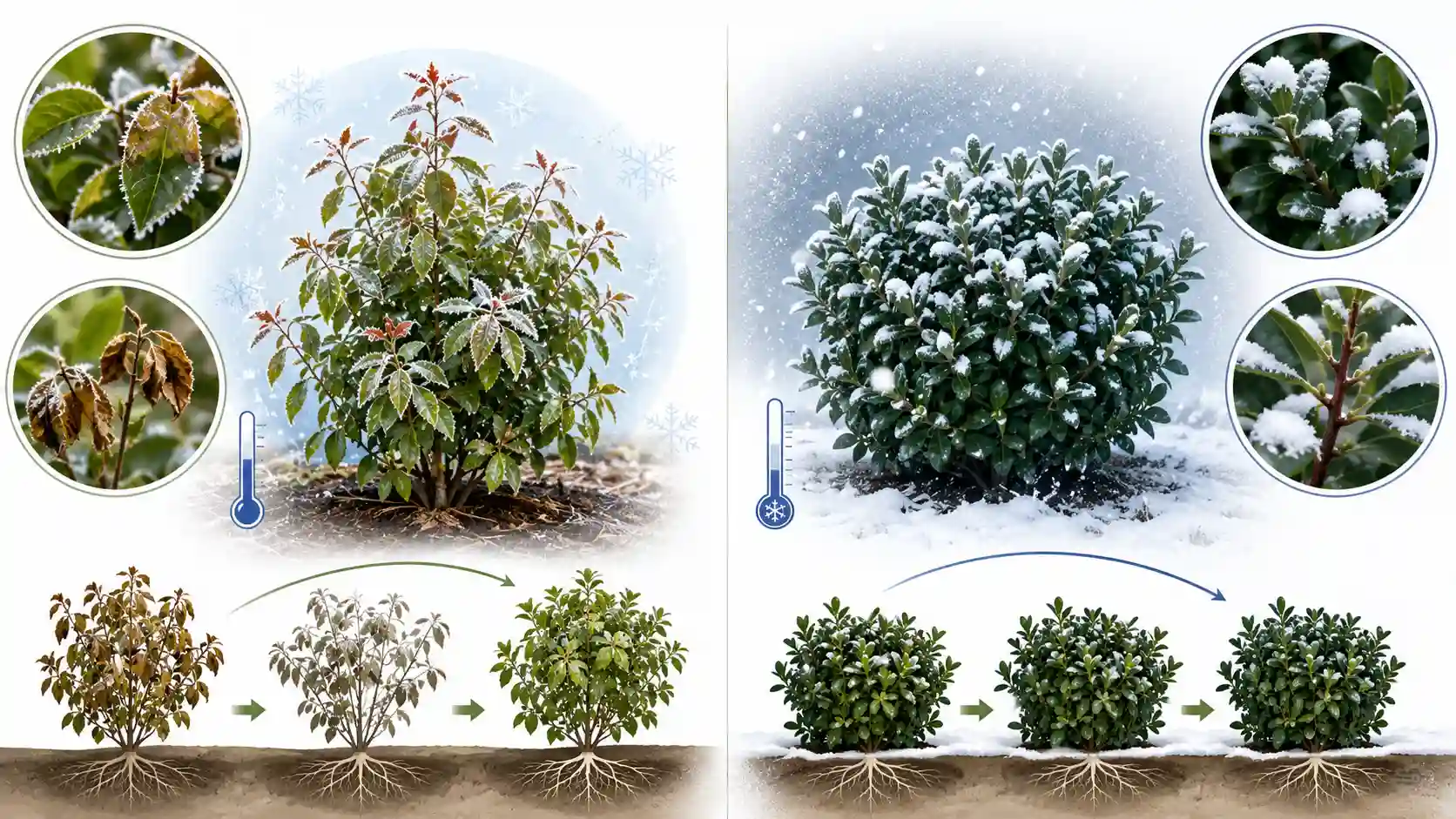
The difference between frost tolerant and frost hardy is mainly the level of cold exposure a plant can withstand. Frost tolerant plants survive light frost but may show some damage, while frost hardy plants survive stronger, repeated frosts with minimal long-term effects.
| Frost Tolerance Level | Approx. Temperature Range | Typical Recovery |
| Frost tolerant | Around 0°C to -5°C | May suffer leaf damage but usually recovers |
| Frost hardy | Around -5°C to -10°C or lower | Handles repeated frost with little lasting damage |
| Very cold hardy | Below -10°C | Suitable for severe winter regions with snow and prolonged freezing |
Frost hardy plants Australia are better suited to regions with regular winter freezes, while frost tolerant plants are suitable for gardens that experience occasional cold snaps.
For example, a frost tolerant shrub may lose some leaves after a Canberra frost but recover in spring. A frost hardy species is more likely to remain healthy throughout winter with little visible damage.
Best Frost Tolerant Plants for Australian Gardens
The best frost tolerant plants Australia includes a mixture of native trees, shrubs, flowering plants, and groundcovers suited to different climates. Australian gardeners in cooler regions often choose species adapted to natural temperature fluctuations because they require less maintenance and recover better after frost events.
Choosing plants suited to Australian conditions is important for long-term success. Gardeners can also explore the Australian Plants Guide: Indoor Houseplants & Garden Design for ideas on combining outdoor landscapes with suitable indoor greenery.
When selecting cold climate plants Australia, consider:
- Minimum winter temperature in your area
- Exposure to wind and frost pockets
- Soil drainage
- Amount of sunlight available
- Whether the plant is established or newly planted
Established plants generally tolerate frost much better than newly planted specimens because mature roots and woody stems provide greater resilience.
Frost Hardy Australian Native Plants
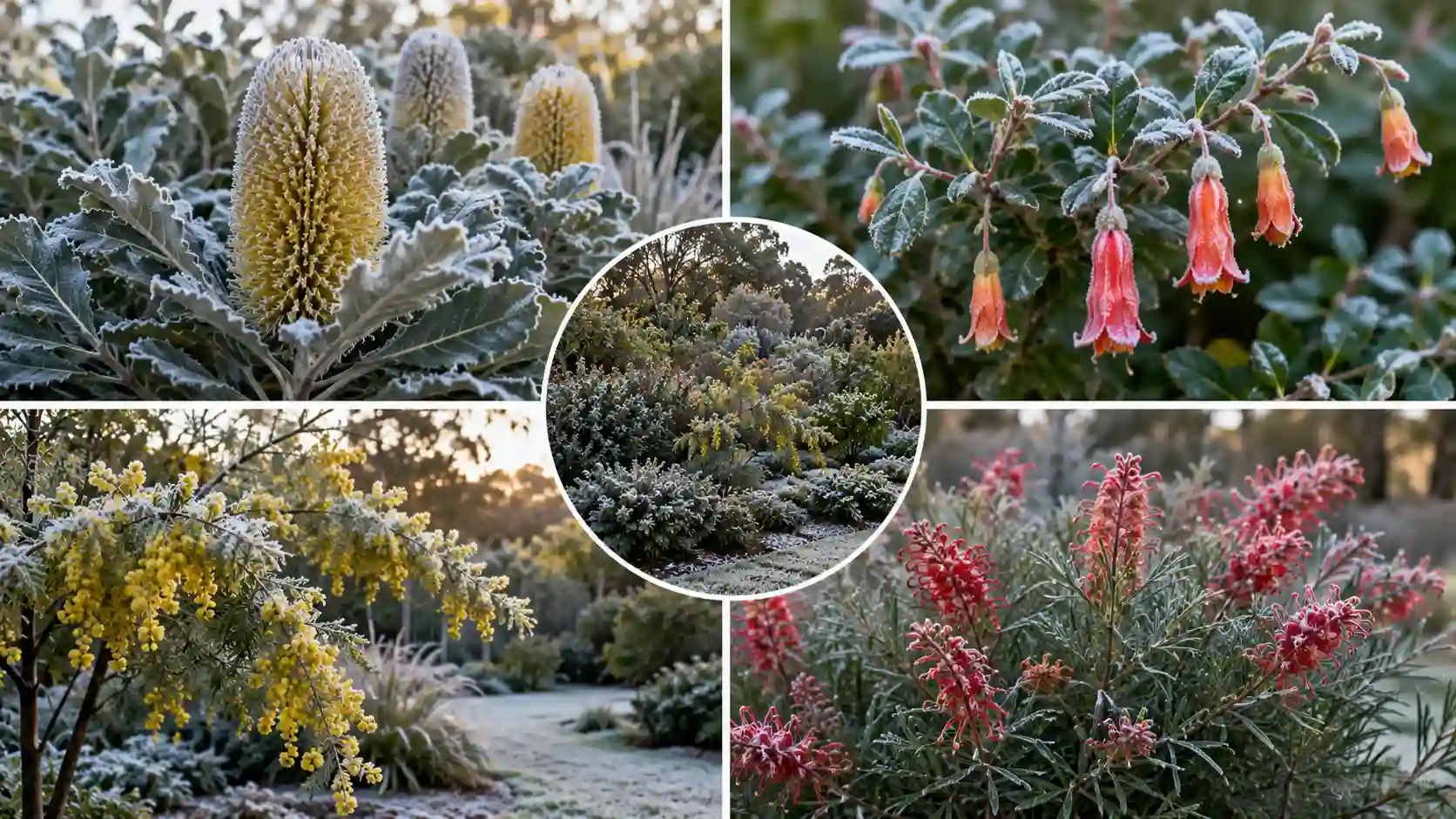
Frost hardy Australian native plants are among the best choices for gardens exposed to cold winters because many evolved in regions where frost naturally occurs. These frost tolerant native plants Australia provide reliable structure while supporting local biodiversity.
Silver Banksia and Other Cold Climate Natives
Silver banksia (Banksia marginata) is a durable native shrub or small tree that tolerates frost and cooler Australian climates. It produces pale yellow flower spikes and performs well in well-drained soils.
Other suitable native options include:
- Correas – compact evergreen shrubs with tubular flowers that tolerate frost and shade.
- Snowy River wattle (Acacia boormanii) – a cold-climate acacia suited to frost-prone gardens.
- Hardy grevilleas – many varieties tolerate cold conditions while providing winter flowers.
- Cool-climate eucalyptus species – suitable for larger properties.
Elemo Baker recommends choosing locally adapted native species wherever possible because plants naturally suited to regional conditions usually require less intervention after establishment.
Frost Tolerant Lilly Pilly Varieties
Lilly pilly frost tolerant varieties are popular for Australian hedges, although not every lilly pilly performs well in cold climates. Most lilly pillies are rainforest plants and can suffer damage from severe frost, especially when young.
Lilly pillies are popular Australian screening plants, but choosing the right species and understanding their growing requirements is important. The Lilly Pilly Australe (Syzygium Australe): Care Guide provides further information about care, growth, and suitability.
However, several cultivars handle light to moderate frost once established, including:
- Syzygium smithii ‘Firescreen’
- ‘Green Screen’
- ‘Forest Flame’
- ‘Winter Lights’
- ‘Backyard Bliss’
These varieties are commonly used for screening because they maintain dense foliage and recover well after winter stress.
Young lilly pilly tubestock plants need extra protection until their stems become woody. Applying mulch around the root zone, avoiding exposed frost pockets, and providing temporary frost cloth during severe cold events can improve survival.
Frost Tolerant Flowers and Flowering Shrubs
Frost tolerant flowers Australia provide colour during colder months while handling cooler temperatures. Many flowering plants suitable for Australian winter gardens naturally tolerate frost because they originate from temperate climates.
Winter Flowering Options
Suitable choices include:
- Camellias – evergreen shrubs that flower during autumn and winter.
- Correas – native flowering shrubs with excellent frost tolerance.
- Grevilleas – many hardy varieties flower through cooler periods.
- Spring bulbs – including daffodils and tulips, which often require cold conditions to develop flowers.
For gardeners asking, “What flowers bloom in Australia in winter?” the answer includes camellias, correas, hellebores, and selected native flowering shrubs.
The best results come from planting flowering shrubs in positions protected from harsh wind while ensuring the soil drains freely.
Frost Tolerant Ground Covers
Frost tolerant ground cover plants are useful for protecting soil, reducing weeds, and creating low-maintenance garden areas in cooler climates.
Suitable options include:
- Brachyscome (native daisy) – a low-growing flowering groundcover tolerant of frost.
- Native violet (Viola hederacea) – suitable for shaded areas.
- Creeping grevillea varieties – provide spreading coverage and flowers.
- Other Australian native groundcovers adapted to local conditions.
Frost tolerant ground cover plants work especially well in borders, under established trees, and in mass plantings where exposed soil may otherwise experience temperature extremes.
Frost Hardy Plants for Canberra and Cold Climate Regions
Frost hardy plants Canberra gardens require species that can tolerate regular winter frosts, cold nights, and seasonal temperature changes. Canberra has a cool-temperate continental climate, with ground frosts commonly occurring from April to October. Gardens in the region often face a combination of freezing winter mornings, heavy clay soils, and hot, dry summers.
When choosing the best plants for Canberra, gardeners should consider both cold tolerance and summer resilience. A plant that survives frost but struggles with Canberra’s dry heat may still require extra maintenance.
Suitable frost hardy plants for Canberra include:
- Correas – evergreen native shrubs that tolerate frost, wind, and partial shade.
- Snowy River wattle (Acacia boormanii) – excellent for cold climates and frost-prone areas.
- Grevilleas – many varieties tolerate frost while providing year-round flowers.
- Lilly pilly cultivars – selected varieties perform well once established.
- Hellebores – winter flowering plants suited to cooler gardens.
- Westringia (native rosemary) – hardy shrubs suitable for low-maintenance landscapes.
Shade Loving Plants Canberra Gardens Can Grow
Shade plants Canberra gardeners choose must tolerate both reduced sunlight and cold winter conditions. Frost can be stronger in shaded areas because cold air settles where sunlight does not quickly warm the soil.
Good shade-tolerant options include:
- Correas – one of the most reliable choices for cool shaded areas.
- Lomandra – hardy grass-like plants suitable for difficult positions.
- Hellebores – provide winter flowers in sheltered shade.
- Native violet – useful as a low-growing shaded groundcover.
For gardeners asking, “What plants are frost hardy in Canberra?” the answer is plants adapted to cool climates, well-drained soils, and seasonal extremes rather than simply plants labelled as cold tolerant.
When considering “what flowers to plant now in Canberra,” timing depends on the season. Winter-flowering plants such as hellebores and camellias can provide colour during colder months, while spring flowering natives should be established before severe winter conditions arrive.
Drought and Frost Tolerant Plants for Low-Maintenance Gardens
Drought and frost tolerant plants Australia are valuable because many Australian gardens experience two opposite challenges: hot, dry summers and cold winters. Plants with both drought and frost tolerance reduce maintenance because they do not require frequent replacement after seasonal stress.
The best low maintenance drought and frost tolerant plants Australia usually have:
- Deep or resilient root systems
- Tough foliage that reduces moisture loss
- Natural adaptation to temperature changes
- Lower watering requirements once established
Examples include:
- Correas – tolerate frost and dry conditions once established.
- Acacias – many species handle cold winters and drought periods.
- Westringia – suitable for low-maintenance hedges and borders.
- Sublime lilly pilly – performs well in Australian gardens with suitable establishment care.
- Native grasses – provide structure while tolerating environmental stress.
A common mistake is assuming drought-tolerant plants need no water after planting. Newly planted specimens still require regular watering until their root systems develop.
In our experience, applying organic mulch around plants before winter is one of the simplest ways to improve survival. Mulch protects roots from temperature fluctuations while also conserving moisture during summer.
Frost Tolerant Plants for Pots and Small Gardens
Frost tolerant plants for pots Australia need extra consideration because container-grown plants are more exposed to cold temperatures than plants growing in the ground. The soil volume inside pots is smaller, allowing roots to cool and freeze more quickly during frost events.
Suitable small frost tolerant plants Australia include:
- Correas – compact flowering shrubs suitable for containers.
- Dwarf grevilleas – provide flowers while staying manageable.
- Brachyscome – attractive low-growing flowering plants.
- Lomandra cultivars – hardy foliage plants for pots.
- Hellebores – excellent for sheltered winter containers.
For gardeners asking, “What potted plants can survive frost?” the answer depends on both plant choice and container protection. Even frost-hardy plants can suffer when their roots are repeatedly exposed to freezing temperatures.
To protect frost-sensitive containers:
- Move pots against a north-facing wall.
- Place containers under eaves or sheltered areas.
- Use larger pots because they lose heat more slowly.
- Apply mulch to the surface of the potting mix.
- Avoid leaving pots directly on cold concrete during severe frosts.
Choosing Frost Tolerant Plants by Garden Style
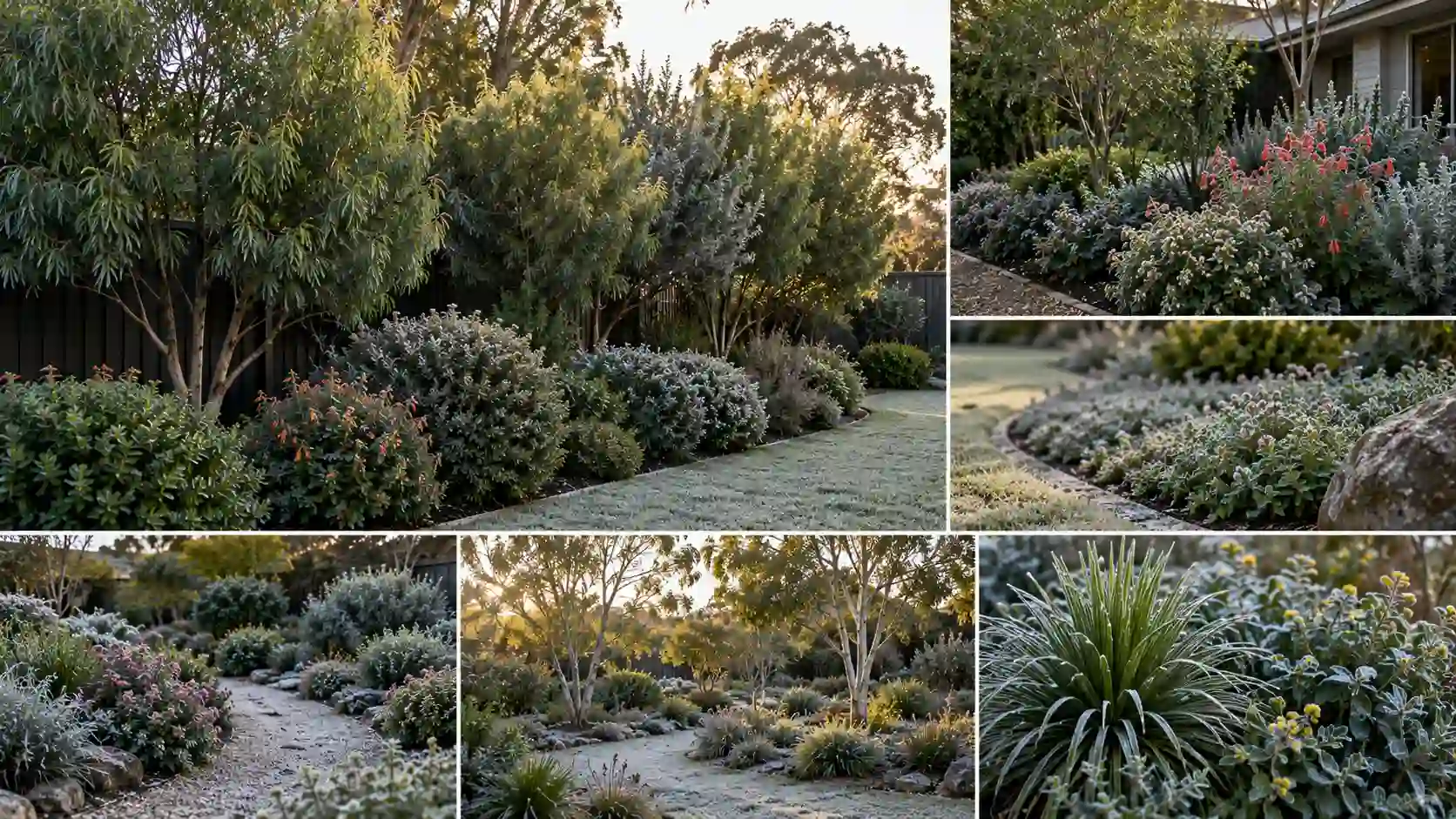
Choosing plants based on garden design helps create landscapes that are both attractive and practical. The best frost tolerant plants Australia vary depending on whether you need screening, borders, feature plants, or open sunny planting areas. For gardeners creating privacy screens in frost-prone areas, selecting hardy plants that tolerate cold conditions is essential. Related options can be found in the guide to Low-Maintenance Plants for Fence Line in Australia.
Tall Frost Tolerant Plants Australia
Tall frost tolerant plants Australia are useful for privacy screens, wind protection, and structural planting.
Suitable options include:
- Silver banksia
- Snowy River wattle
- Cold-hardy eucalyptus species
- Tall lilly pilly cultivars
- Hardy grevilleas
These plants are especially useful in rural gardens, large blocks, and exposed locations.
Small Frost Tolerant Plants Australia
Small frost tolerant plants Australia work well in courtyards, borders, and compact gardens.
Popular choices include:
- Correas
- Brachyscome
- Native violets
- Compact grevilleas
- Hellebores
These plants are easier to protect during extreme weather and are suitable for beginner gardeners.
Screening and Full Sun Options
For gardeners asking, “What plants like full sun in Australia?” many frost-tolerant choices also prefer open sunny positions.
Good full-sun options include:
- Grevilleas
- Banksias
- Acacias
- Westringia
- Native grasses
For screening, choose plants that match the final height required. Planting a species that grows too large can create future maintenance problems.
Common Problems With Frost Tolerant Plants
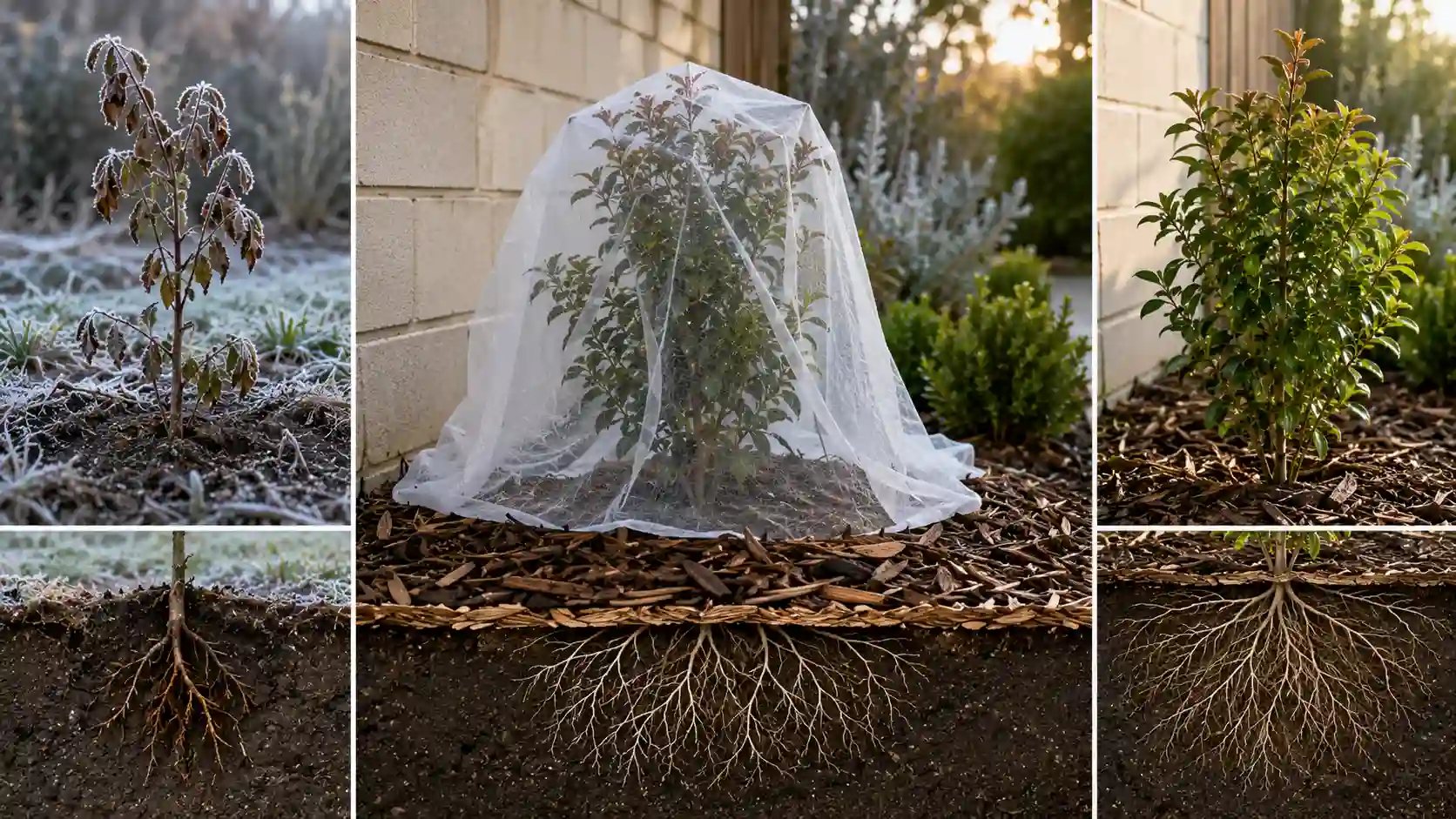
Even frost tolerant plants can experience damage when growing conditions are unsuitable. Understanding common problems helps gardeners prevent avoidable losses. Frost stress is not the only challenge affecting plant health. Gardeners should also monitor for insects and diseases by using resources such as the Garden Pest Identification Guide for Australian Gardens.
Leaves Blackening or Wilting After Frost
Leaves turn black or wilt after frost because ice crystals form inside plant cells and rupture cell walls. This damage is often visible within hours or days after a freezing event.
To reduce frost damage:
- Apply mulch before winter begins.
- Avoid heavy fertilising in late autumn.
- Protect young plants during severe frosts.
- Avoid pruning frost-damaged growth immediately.
Damaged foliage often protects the healthier tissue underneath, so waiting until new growth appears in spring can be beneficial.
Young Plants Dying in Their First Winter
Young plants are more vulnerable because they have smaller root systems and softer growth that has not fully hardened. A plant that survives frost when mature may still struggle during its first winter.
Protection methods include:
- Using frost cloth during extreme cold.
- Planting during suitable seasons.
- Providing temporary shelter.
- Keeping soil moisture consistent.
Elemo Baker recommends allowing new plants time to establish before exposing them to the harshest parts of winter.
Waterlogged Soil Worsening Frost Damage
Poor drainage can increase frost damage because wet soils remain colder for longer and reduce oxygen around plant roots. Heavy clay soils, common in areas such as Canberra, can become particularly challenging during winter.
Improving drainage through:
- Adding organic matter
- Creating raised beds
- Avoiding overwatering
- Choosing plants suited to clay conditions
can significantly improve cold-weather performance.
Beginner Mistakes and Practical Care Tips
Many frost-related plant failures happen because gardeners focus only on temperature tolerance and ignore growing conditions.
Common mistakes include:
- Planting frost-sensitive species too early before winter.
- Ignoring microclimates within the garden.
- Skipping mulch before the first frost.
- Planting in exposed frost pockets.
- Assuming mature plant labels apply equally to young plants.
A garden may contain several different microclimates. A warm wall, sheltered courtyard, or protected corner may stay several degrees warmer than an open lawn area.
Can plants survive one night of frost? Yes, many plants can survive a single frost event if temperatures are not extreme and the plant is suitable for the conditions. Damage becomes more serious when frost is severe, repeated, or combined with poor soil conditions.
Frost Tolerant Plants That Stay Evergreen Through Winter
Evergreen frost tolerant plants are ideal for Australian gardens because they maintain foliage throughout winter while continuing to provide structure and screening. Many frost-hardy native plants remain green during cold months because they are naturally adapted to seasonal temperature changes.
Evergreen plants provide year-round structure in cold gardens, and gardeners looking for larger landscape options can also explore Fast Growing Evergreen Trees Australia Guide.
For gardeners asking, “What plants don’t lose their leaves in the winter?” the answer includes many evergreen shrubs, native plants, and hardy hedging species. However, evergreen does not always mean frost-proof, so plant selection should still match local winter conditions.
Examples of evergreen frost tolerant plants include:
- Correas – evergreen native shrubs with excellent cold tolerance and winter flowers.
- Lilly pilly cultivars – selected varieties such as ‘Winter Lights’ and ‘Backyard Bliss’ retain dense foliage after establishment.
- Westringia – an evergreen native shrub suitable for coastal and inland gardens.
- Grevilleas – many varieties remain leafy through winter while producing flowers.
- Lomandra – hardy evergreen grasses that tolerate frost, drought, and difficult conditions.
It is also useful to understand the difference between evergreen frost-tolerant plants and deciduous cold-climate plants. Deciduous species such as dogwood and silver birch lose their leaves during winter as part of their natural survival strategy. These plants can tolerate very cold climates because dormancy protects their tissues from freezing damage.
Evergreen plants provide year-round coverage, while deciduous plants often provide seasonal colour and strong autumn displays. The better choice depends on whether the garden requires permanent foliage, winter flowers, or seasonal changes.
Conclusion
Choosing the right frost tolerant plants Australia requires understanding the difference between frost tolerance and frost hardiness, along with considering local climate, soil conditions, and garden placement. Frost tolerant plants can survive light freezing conditions, while frost hardy plants are better suited to repeated severe frosts and colder regions such as Canberra and other inland areas.
Australian natives including correas, silver banksia, snowy river wattle, and suitable grevilleas provide reliable options for frost-prone gardens. For low-maintenance landscapes, combining frost tolerance with drought resistance creates plants that handle Australia’s challenging seasonal extremes.
The most successful frost-resistant gardens are created by matching plant choices to frost severity, improving drainage, applying mulch, and protecting young plants during establishment. A suitable plant in the right position will usually perform better than a climate-mismatched species requiring constant care.
FAQs
What is the difference between frost tolerant and frost hardy?
Frost tolerant plants can survive light frost and temperatures around -5°C but may experience leaf damage. Frost hardy plants tolerate stronger, repeated frosts and temperatures closer to -10°C with less permanent damage.
Which plants can survive a frost?
Plants that can survive frost include correas, silver banksia, snowy river wattle, hardy grevilleas, westringia, lomandra, camellias, and selected lilly pilly cultivars. Established plants generally survive frost better than young plants.
Can plants survive one night of frost?
Yes, many plants can survive one night of frost if they are naturally adapted to cold conditions. Damage depends on the plant species, frost severity, exposure, soil moisture, and whether the plant is established.
What potted plants can survive frost?
Frost-tolerant potted plants include correas, dwarf grevilleas, brachyscome, lomandra, and hellebores. Containers need extra protection because roots in pots are more exposed to freezing temperatures than roots planted in the ground.
What plants are frost hardy in Canberra?
Frost hardy plants suitable for Canberra include correas, snowy river wattle, hardy grevilleas, westringia, hellebores, lomandra, and selected lilly pilly varieties. These plants handle Canberra’s cold winters when grown in suitable soil and positions.
What is the most cold tolerant plant?
The most cold-tolerant plant depends on the climate and growing conditions. Among Australian garden plants, many native species such as certain acacias, banksias, and eucalyptus varieties tolerate severe cold, while globally some alpine and boreal plants survive much lower temperatures.
5 Comments