

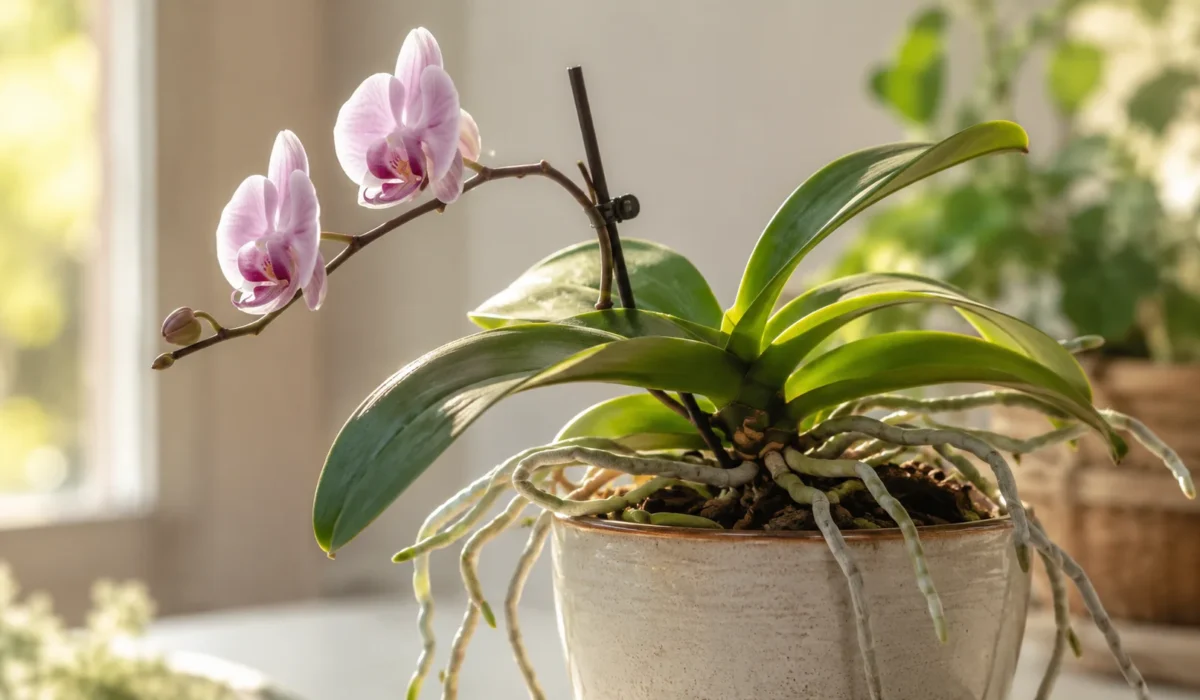
What Does a Dormant Orchid Look Like?
Introduction
Orchid owners often ask what does a dormant orchid look like because a resting plant can appear inactive and even unhealthy. In reality, orchid dormancy is a natural resting period during which growth slows or temporarily stops after flowering. It is not the same as the plant dying. Understanding the visual signs of dormancy helps you avoid unnecessary watering, repotting, or discarding a healthy orchid. This guide explains how to recognise a dormant orchid, distinguish it from a dead one, and provide the proper care needed for successful reblooming. Understanding orchid dormancy is also part of appreciating why indoor plants are valuable in home environments, as explored in Benefits of Indoor Plants: 10 Science-Backed Reasons.
Quick Summary
- A dormant orchid usually has firm green or silvery roots and a plump, solid stem, indicating it is alive.
- Dormancy commonly occurs after flowering and may last from several weeks to a few months.
- Some yellowing of older leaves and reduced watering needs are normal during dormancy.
- Brown, mushy, hollow, brittle roots or stems usually indicate the orchid has died rather than entered dormancy.
What Is Orchid Dormancy?
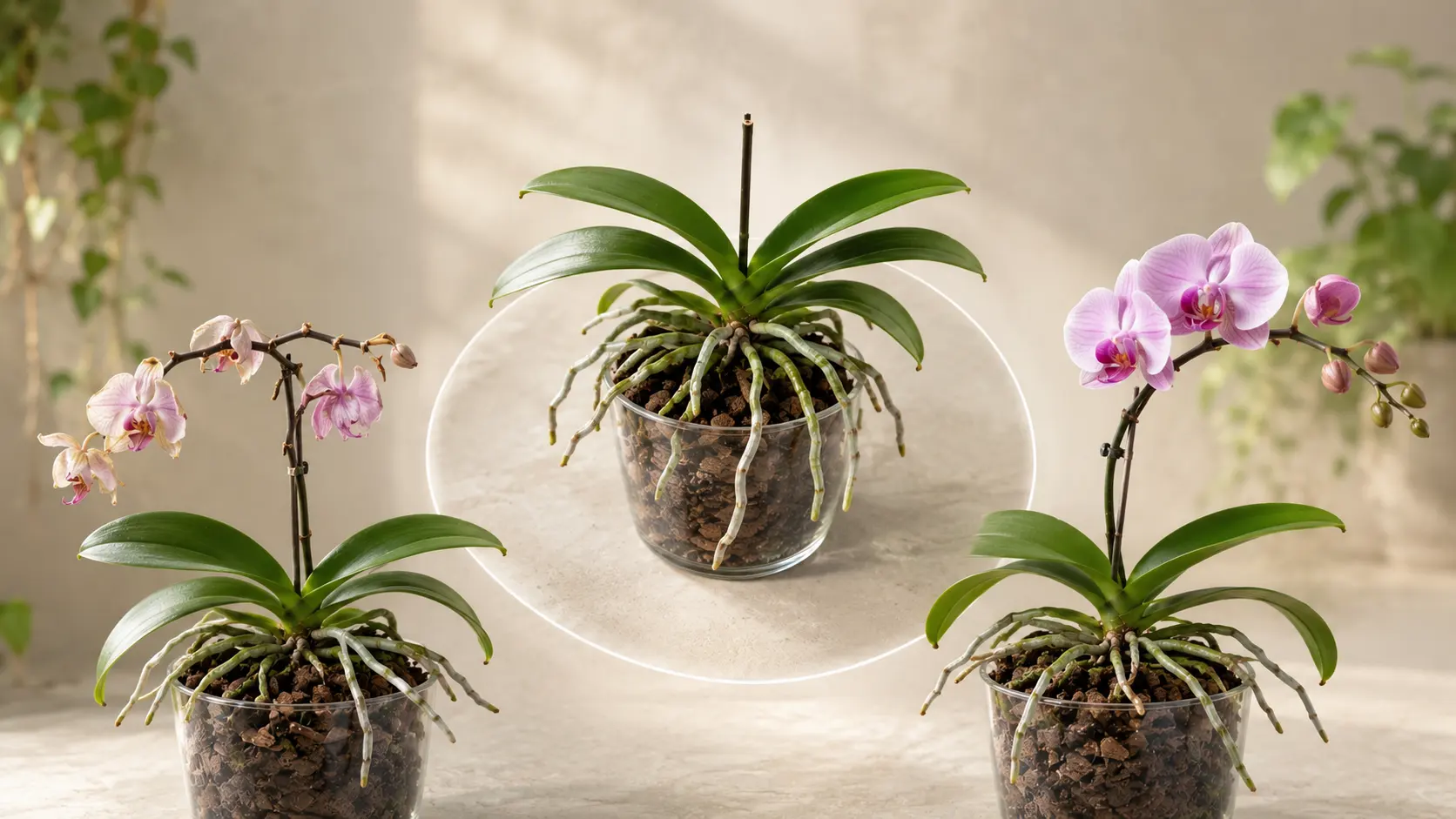
Orchid dormancy is a natural rest period during which the plant conserves energy after flowering. Seasonal changes in temperature and daylight often trigger this phase. Rather than producing new leaves, roots, or flowers, the orchid slows its growth while preparing for its next flowering cycle.
Orchids belong to the Orchidaceae (orchid family), one of the largest and most diverse plant families, known for their highly specialised growth and flowering cycles.
Dormancy differs from stress-related decline. A dormant orchid remains healthy even though visible growth pauses. A stressed orchid, by contrast, often shows signs of dehydration, disease, or root damage. Orchid care becomes easier when understood within broader indoor plant ecosystems, especially in the context of the Australian Plants Guide: Indoor Houseplants & Garden Design, which explains how tropical and indoor species adapt to seasonal home environments.
In our experience growing orchids, many healthy plants appear almost unchanged for weeks during dormancy. Patience is often the best care practice.
Do All Orchids Go Dormant?
No. Whether orchids go dormant depends on their genus.
- Dendrobium orchids typically have a pronounced dormant period.
- Cymbidium orchids also experience a noticeable seasonal rest.
- Phalaenopsis orchids usually have only a mild resting phase rather than complete dormancy.
Understanding your orchid species helps you adjust watering and care appropriately.
When Do Orchids Go Dormant?
Most orchids enter dormancy shortly after finishing their flowering cycle. For many Australian growers, this often occurs during autumn or winter as temperatures cool and daylight decreases.
Blooming months vary by species, but dormancy generally begins after flowering ends rather than during a specific calendar month.
What Does a Dormant Orchid Look Like?
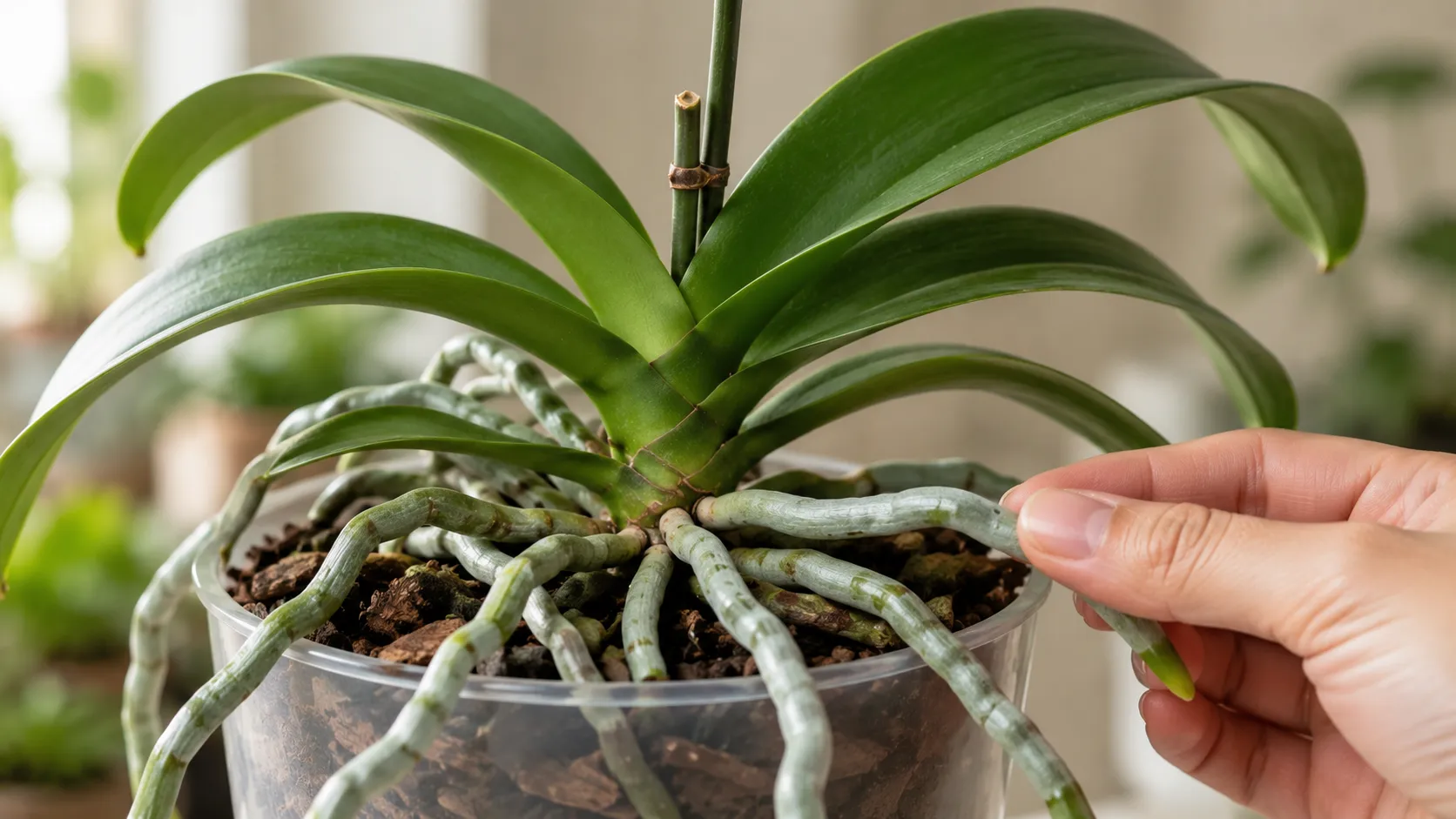
A dormant orchid shows healthy living tissue even though active growth has stopped.
Typical signs include:
- Firm, plump pseudobulbs or stems rather than shrivelled growth.
- Green or silvery-white roots that remain firm.
- Little or no new leaf growth.
- No active flower spike development.
- Natural yellowing and dropping of older lower leaves.
- A flower stem that may appear dry externally but remains solid inside.
In some cases, changes like yellowing stems can overlap with dormancy signals, which is why guides such as Orchid Stem Turning Yellow: Causes & Fix help differentiate natural aging from actual plant stress.
Elemo Baker recommends checking firmness before assuming the plant is dying. Healthy tissue should feel firm rather than soft or brittle.
What a Dormant Orchid Looks Like in Water/Water Culture
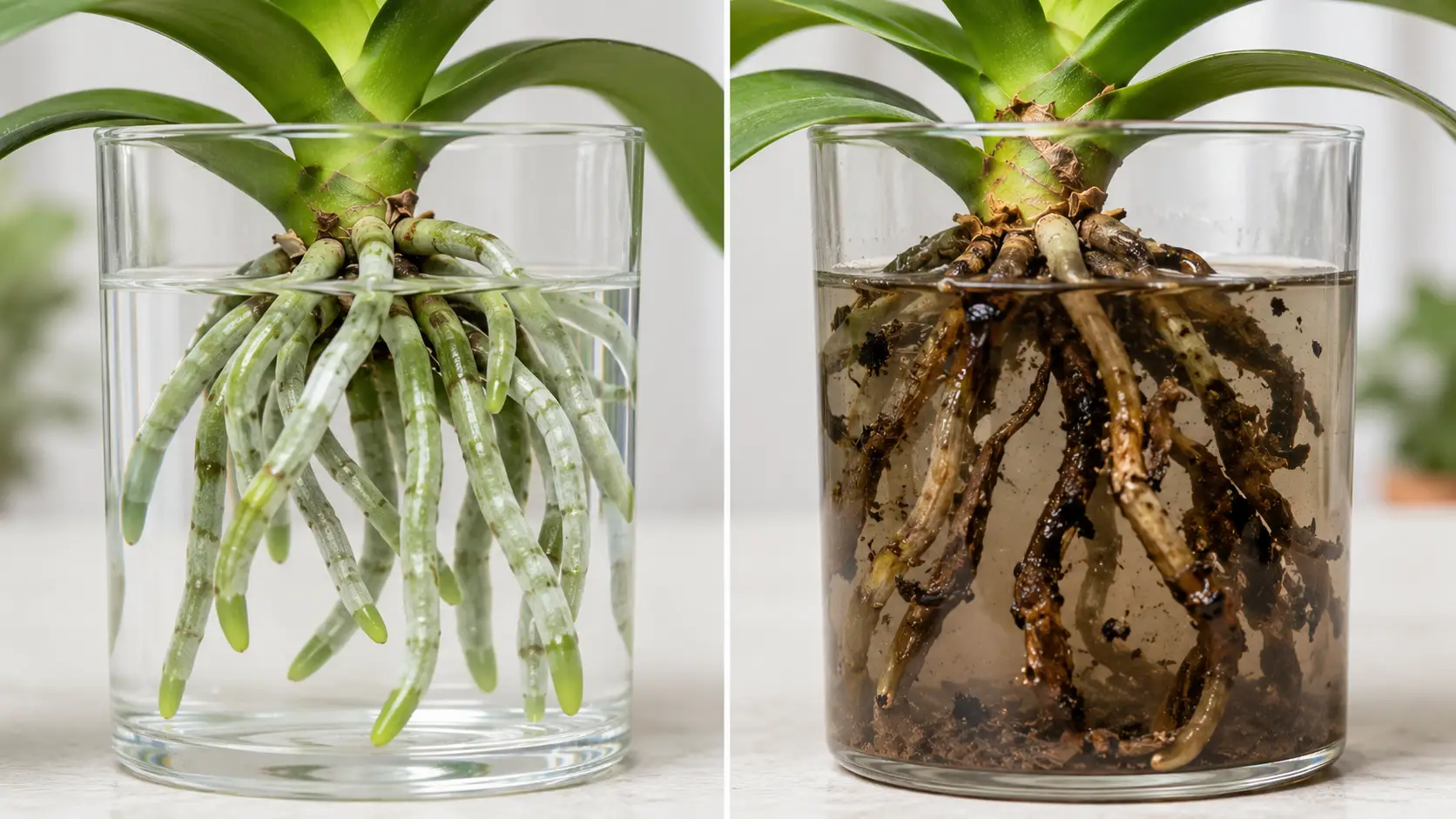
In water culture, dormant orchid roots may appear slightly less vibrant because growth has slowed. However, healthy roots should still feel firm and remain green or silvery after hydration.
Avoid confusing inactivity with decay.
Healthy water-culture roots are:
- Firm
- Smooth
- Free from slime
- Green or silvery
Unhealthy roots become:
- Brown
- Mushy
- Hollow
- Slimy
- Easy to pull apart
Dormant vs Dead — How to Tell the Difference
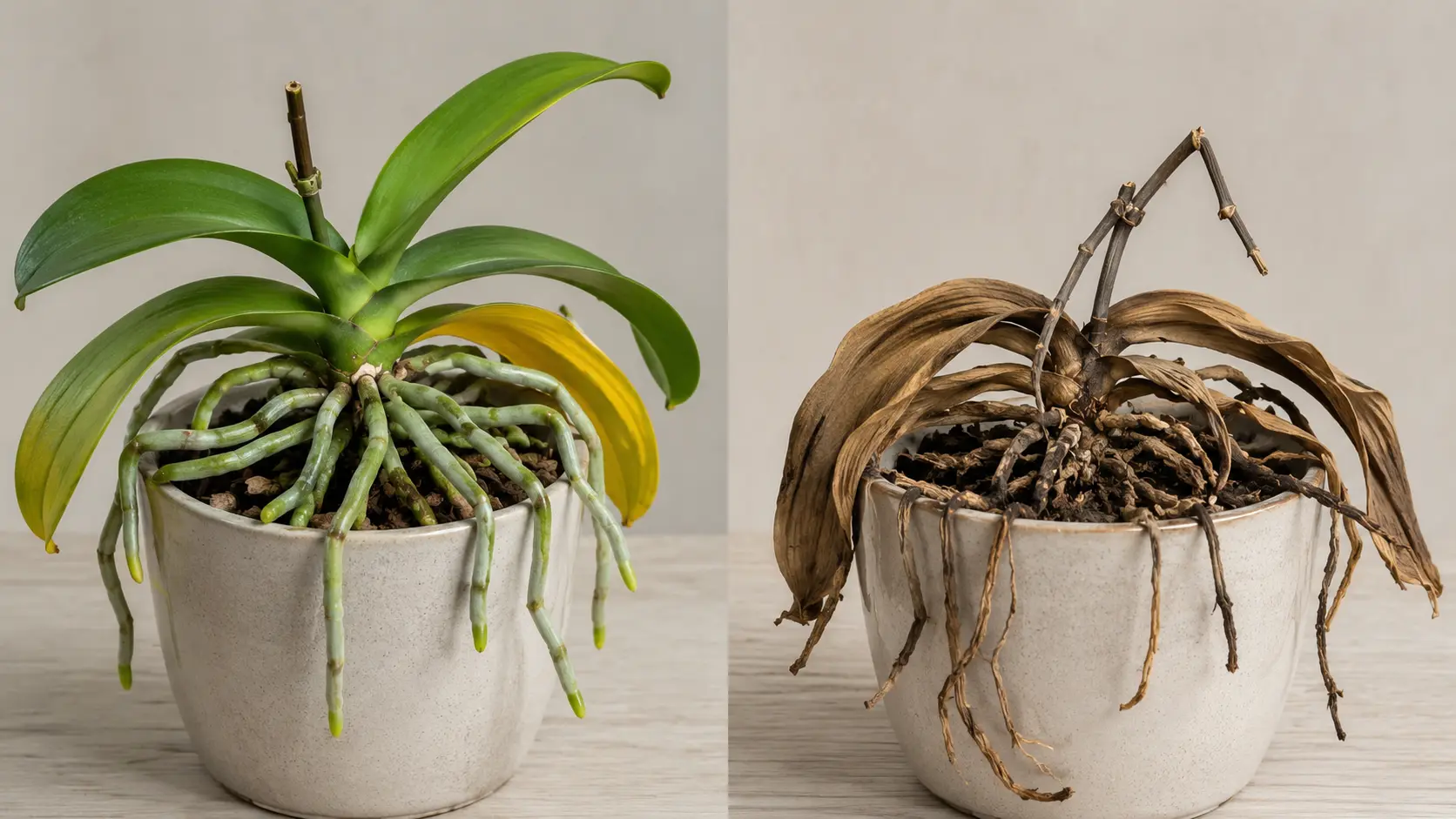
The easiest way to tell whether an orchid is dormant or dead is by checking its roots and stem. A dormant orchid still contains healthy living tissue, whereas a dead orchid has extensive tissue breakdown.
| Sign | Dormant Orchid | Dead Orchid |
| Roots | Firm, green or silvery | Brown, mushy or hollow |
| Stem | Plump and solid | Shrivelled, hollow or brittle |
| Leaves | Older leaves may yellow naturally | Widespread collapse or blackening |
| Smell | No unusual odour | Foul or rotten smell |
| Response to squeeze | Firm with slight give | Mushy or crumbles |
Similar diagnostic principles apply across indoor plants, including issues like spotting and decay explained in Brown Spots on Anthurium Leaves: Causes and Treatment, where tissue condition helps identify plant health problems.
What Does a Dead Orchid Look Like?
A dead orchid lacks healthy green tissue.
Common signs include:
- Brown or black roots
- Hollow or brittle roots
- Completely dry stems
- Blackened stems
- No green tissue beneath scratched stem surfaces
- Severe crown or root rot
- Persistent foul smell
An orchid stem that has turned entirely brown and hollow rarely recovers.
No Leaves — Is It Automatically Dead?
No.
A leafless orchid is not automatically dead. Some orchids, especially Dendrobium varieties, naturally lose leaves during dormancy while remaining alive.
Check these signs instead:
- Firm stem
- Healthy roots
- Green tissue beneath the outer stem layer
If these remain healthy, the orchid may still produce new growth.
How Long Do Orchids Stay Dormant?
Most orchids remain dormant for several weeks to a few months.
Dormancy length depends on:
- Orchid species
- Temperature
- Light exposure
- Watering practices
- Overall plant health
As of the current growing season, growers continue to recommend allowing orchids to complete their natural resting cycle instead of trying to force rapid growth. Consistent environmental conditions usually produce better flowering results than frequent changes.
How to Care for a Dormant Orchid
Dormant orchids need less attention than actively growing plants.
Best care practices include:
- Reduce watering significantly.
- Keep the orchid in bright indirect light.
- Stop fertilising until active growth resumes.
- Maintain stable temperatures.
- Protect the plant from cold draughts.
- Avoid unnecessary repotting unless roots are diseased.
In our experience, overwatering during dormancy causes more orchid losses than underwatering. Many indoor tropical plants share similar rest-phase care principles, including variegated species discussed in Monstera Albo Variegata Care Guide Australia, especially regarding light control and watering reduction.
Should You Water a Dormant Orchid?
Yes, but much less frequently.
Allow the growing medium to dry almost completely before watering again. Water lightly rather than soaking the pot repeatedly.
The exact schedule depends on humidity, temperature, and orchid type, but dormancy generally requires far less moisture than active growth.
How to Revive a Dormant Orchid and Encourage Reblooming
A dormant orchid does not need reviving in the traditional sense because it is already alive. Instead, your goal is to encourage healthy new growth when dormancy naturally ends.
To encourage reblooming:
- Provide a gentle difference between daytime and night-time temperatures.
- Increase bright indirect light.
- Resume regular watering once new growth appears.
- Restart balanced fertiliser during active growth.
- Allow the orchid to complete its full rest cycle.
Blooming triggers differ among species, but cooler nights combined with healthy roots often stimulate flowering.
Elemo Baker recommends avoiding attempts to “force” blooms too early, as premature fertilising can stress resting orchids.
Reviving a Genuinely Dead or Declining Orchid
If an orchid is declining but still has living green tissue, recovery may be possible.
Potential recovery steps include:
- Remove dead or rotten roots.
- Repot into fresh orchid bark or another suitable growing medium.
- Improve drainage.
- Reduce watering if root rot caused the decline.
- Maintain good air circulation.
If a firm stem produces a keiki (baby orchid), propagation may allow you to grow a healthy replacement even if the parent plant continues declining.
Complete recovery is only possible when living tissue remains.
How to Trim a Dormant or Declining Orchid
Trim only dead flower spikes or damaged tissue.
General guidelines:
- Sterilise cutting tools.
- Remove brown, dead flower spikes.
- Leave healthy green stems intact.
- Trim dead roots during repotting.
- Avoid cutting healthy pseudobulbs.
Improper trimming removes stored energy the orchid needs for future flowering.
Common Orchid Mistakes During Dormancy
Many orchid problems result from well-intentioned care during the resting period.
Common mistakes include:
- Overwatering dormant plants.
- Applying fertiliser when growth has stopped.
- Repotting unnecessarily.
- Assuming every yellow leaf indicates disease.
- Frequently moving the orchid between locations.
Some gardeners believe orchids should never be touched. This is a myth. Orchids can be handled carefully when necessary, but repeated disturbance of sensitive roots may slow recovery or growth. Stress during dormancy can sometimes be confused with pest damage, making resources like Garden Pest Identification Guide for Australian Gardens useful for accurate diagnosis.
Home Remedies for Orchid Blooming — Do They Work?
Many household remedies are promoted online, but scientific evidence supporting most bloom-boosting claims is limited.
Coffee grounds
Coffee grounds provide only limited nutritional value after decomposition. Fresh grounds may alter growing media and are not considered a reliable flowering aid.
Sugar water
Sugar water is generally not recommended.
It can encourage microbial growth, attract pests, and increase the risk of root rot without improving flowering.
Baking soda
Diluted baking soda has occasionally been used as part of disease management for some fungal issues, but it is not a bloom stimulant.
Cinnamon
Ground cinnamon is widely used as a natural antifungal treatment on fresh pruning wounds. It helps protect cuts from infection but does not trigger flowering.
Evidence-based orchid care remains far more effective than household remedies.
Conclusion
Understanding what does a dormant orchid look like helps prevent unnecessary worry and improper care. A dormant orchid normally has firm roots, a solid stem, and healthy living tissue even though growth has paused. By contrast, dead orchids develop mushy or hollow roots, brittle stems, and widespread tissue decay. Before assuming your orchid has died, examine its firmness, colour, and root condition. With appropriate watering, stable growing conditions, and patience, many dormant orchids return to active growth and bloom again.
FAQs
What does a dormant orchid look like?
A dormant orchid typically has firm green or silvery roots, a solid stem or pseudobulbs, reduced growth, and may naturally lose older leaves while remaining healthy.
How do I know if my orchid is dead or just dormant?
Check the roots and stem. Dormant orchids have firm living tissue, while dead orchids have brown, mushy, hollow, or brittle roots and stems with no healthy green tissue.
How long do orchids stay dormant for?
Most orchids remain dormant from several weeks to a few months, depending on species, temperature, light, and growing conditions.
Should I water my orchid while it’s dormant?
Yes. Water lightly and less frequently, allowing the growing medium to dry between waterings. Avoid keeping dormant orchids constantly wet.
What triggers an orchid to bloom again?
A combination of seasonal temperature differences, increased indirect light, proper watering, and completion of the natural dormancy cycle usually triggers reblooming.
Can a leafless orchid still be alive?
Yes. Some orchids naturally lose leaves during dormancy. If the stem and roots remain firm and contain healthy green tissue, the plant may still recover.
Do coffee grounds really help orchids bloom?
Not reliably. Coffee grounds are not proven bloom boosters and may create growing problems if applied improperly. Proper light, watering, and seasonal care are much more effective.
1 Comment