

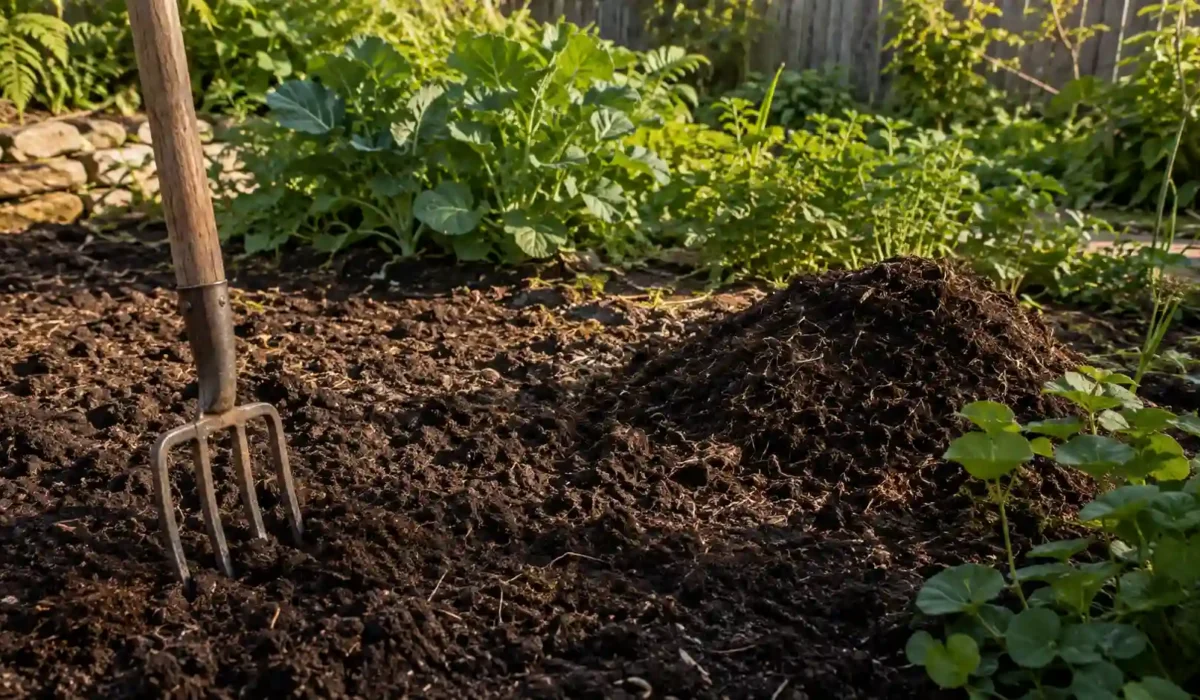
Australian Garden Soil & Fertiliser Guide: Types, NPK & Feeding
Why Your Garden Might Be Struggling — And It’s Probably Not the Plant
If your plants are underperforming, your lawn is patchy, or you keep buying fertiliser without seeing results, the problem usually isn’t the plant, it’s the soil underneath it. Fertiliser only works if it’s matched to the soil it’s going into, and most Australian gardens start with something far from ideal: sandy, clay-heavy, compacted, or water-repellent ground. Before you buy another bag of fertiliser, the real first step is working out exactly what you’re growing in.
Before you buy another bag of fertiliser, the real first step is working out exactly what you’re growing in. Soil and feeding are just one piece of the puzzle, our complete plant care and growing guide walks through every other stage of keeping a plant healthy, from watering to light to seasonal care.
Elemo Baker | Plant Care & Gardening Expert
Last Updated: August 2026
Quick Summary
- Most Australian garden problems trace back to soil type mismatch, not fertiliser choice.
- Sandy, clay, and hydrophobic (water-repellent) soils each need a different structural fix before feeding.
- Australian natives generally need low-phosphorus fertiliser; edibles and lawns need more frequent, balanced feeding.
- Timing fertiliser to season and soil type prevents both under-feeding and fertiliser burn.
Step 1: Identify Your Soil Type at Home
Your soil type can be identified in under a minute with a simple hand-roll test, no lab kit required. Soil particle size determines how well it drains and holds nutrients, which is why identifying it correctly has to come before choosing any amendment or fertiliser.
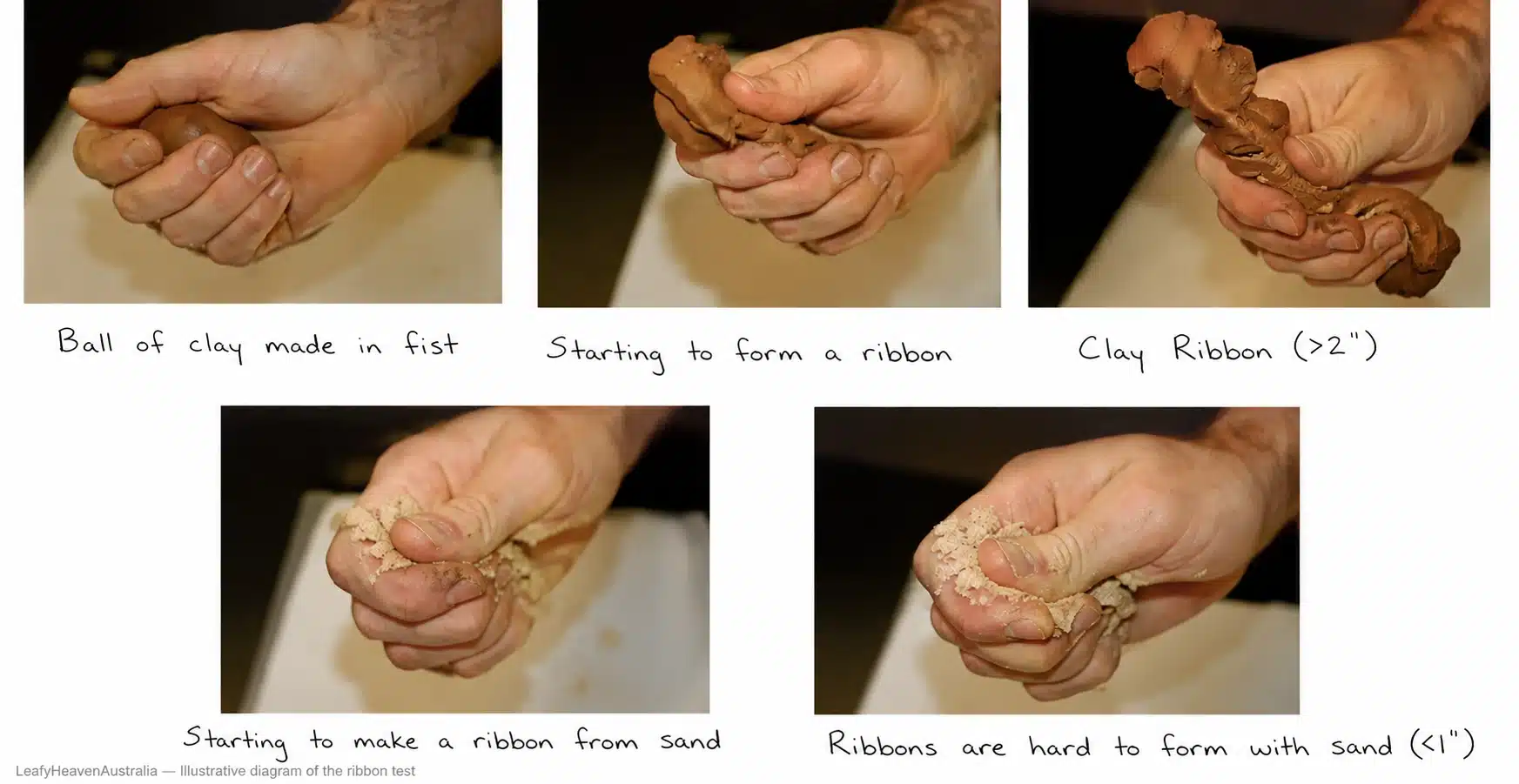
The Hand-Roll Test
- Moisten a handful of soil from the root zone (not just the surface).
- Roll it between your palms.
- Falls apart, feels gritty → sandy soil
- Holds its shape, feels sticky or smooth → clay soil
- Forms a loose ball that crumbles easily → loam (the ideal structure)
The Water-Drainage Test
- Dig a hole roughly 30cm deep and fill it with water.
- Water pools or takes hours to disappear → compaction or a clay hardpan.
- Water runs straight through without wetting the surrounding soil → hydrophobic (water-repellent) sandy soil.
Soil particle size — the basis of soil texture classification — determines how well it drains and holds nutrients, which is why identifying it correctly has to come before choosing any amendment or fertiliser.
Step 2: Match Your Region to a Likely Soil Profile
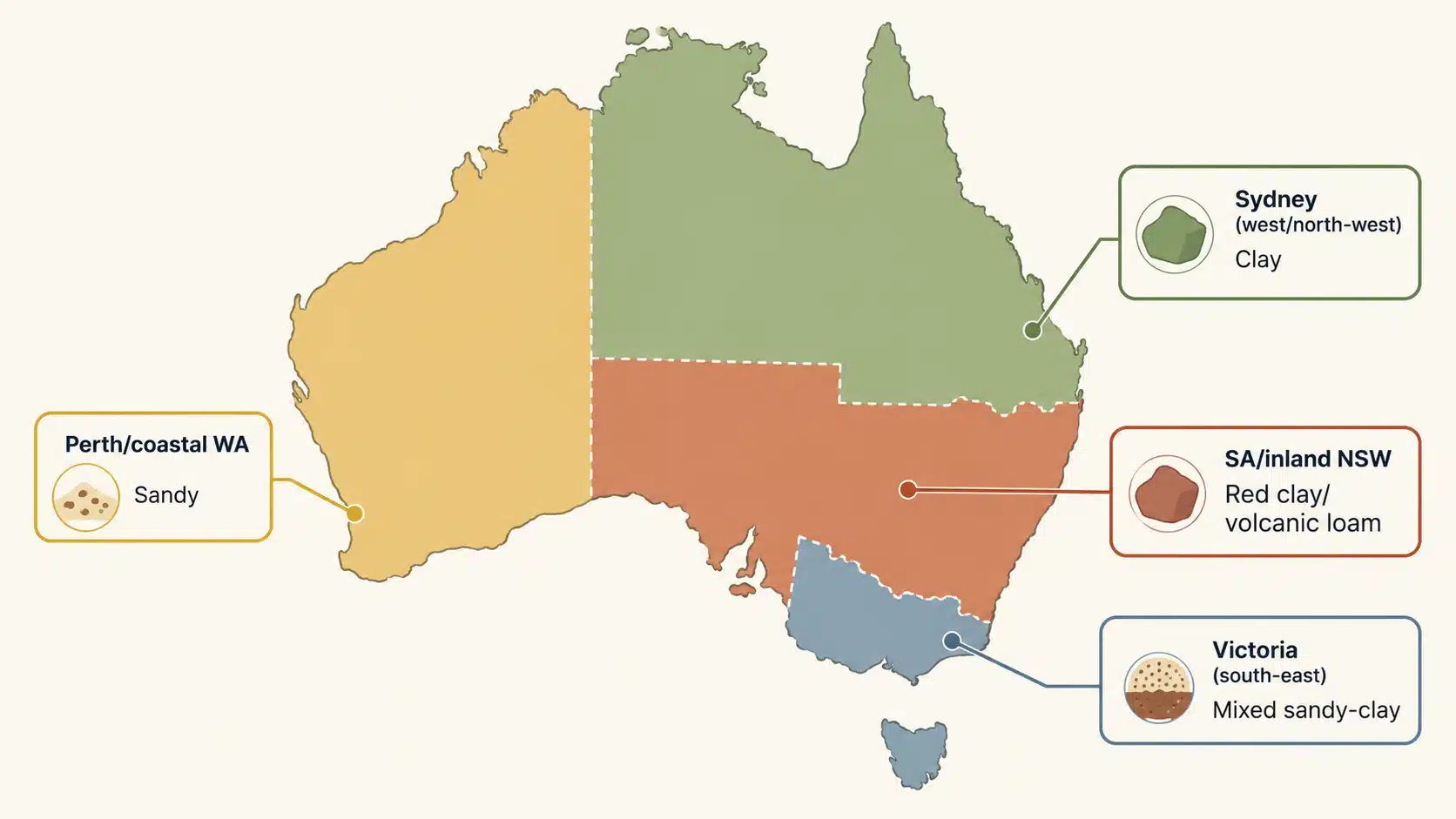
Where you garden in Australia is a strong predictor of what you’re working with, because soil type follows the underlying geology of each region. This doesn’t replace testing your own soil, but it tells you what to expect before you dig.
| Region | Dominant soil | Key challenge |
| Perth / coastal WA | Sandy | Nutrient leaching, water repellency |
| Sydney (west / north-west) | Clay (sandstone/shale-derived) | Compaction, poor drainage |
| Victoria (south-east) | Red clay / volcanic loam | Cracks when dry, retains moisture when wet |
| SA / inland NSW | Mixed sandy-clay | Alkalinity, low organic matter |
Step 3: Fix the Structural Problem Before You Feed
No fertiliser can compensate for poor soil structure, amending the structure has to come first. A sandy soil that can’t hold water will leach nutrients straight through no matter how much fertiliser you add, and a compacted clay soil can lock nutrients out of reach of the roots entirely.
Improving Sandy Soil
- Work in compost, aged manure, or other organic matter to improve water and nutrient holding.
- Use a soil wetting agent if the surface has become water-repellent.
Improving Clay Soil
- Add gypsum to break up structure without changing pH.
- Work in organic matter to open up compaction.
- Avoid adding sand, it combines with clay to form a concrete-like mix.
Fixing Hydrophobic Soil
- Apply a wetting agent and water it in.
- Maintain a consistent mulch layer to stop the water-repellent compounds re-forming.
- Avoid cultivating clay soil while wet, as this smears and hardens it further.
Maintain a consistent mulch layer to help prevent the soil becoming water-repellent again. Before applying it, calculate how much mulch you need for the area so you can achieve an even layer without over-ordering.
Soil Conditioner vs Fertiliser! What’s the Difference?
These two are often confused, but they do different jobs:
- Soil conditioners (compost, gypsum, manure) change the soil’s structure and its ability to hold water and nutrients.
- Fertilisers (products carrying an NPK rating) supply specific nutrients the plant needs to grow. You generally need both< condition first, then feed.
Step 4: Choose the Right Fertiliser Type
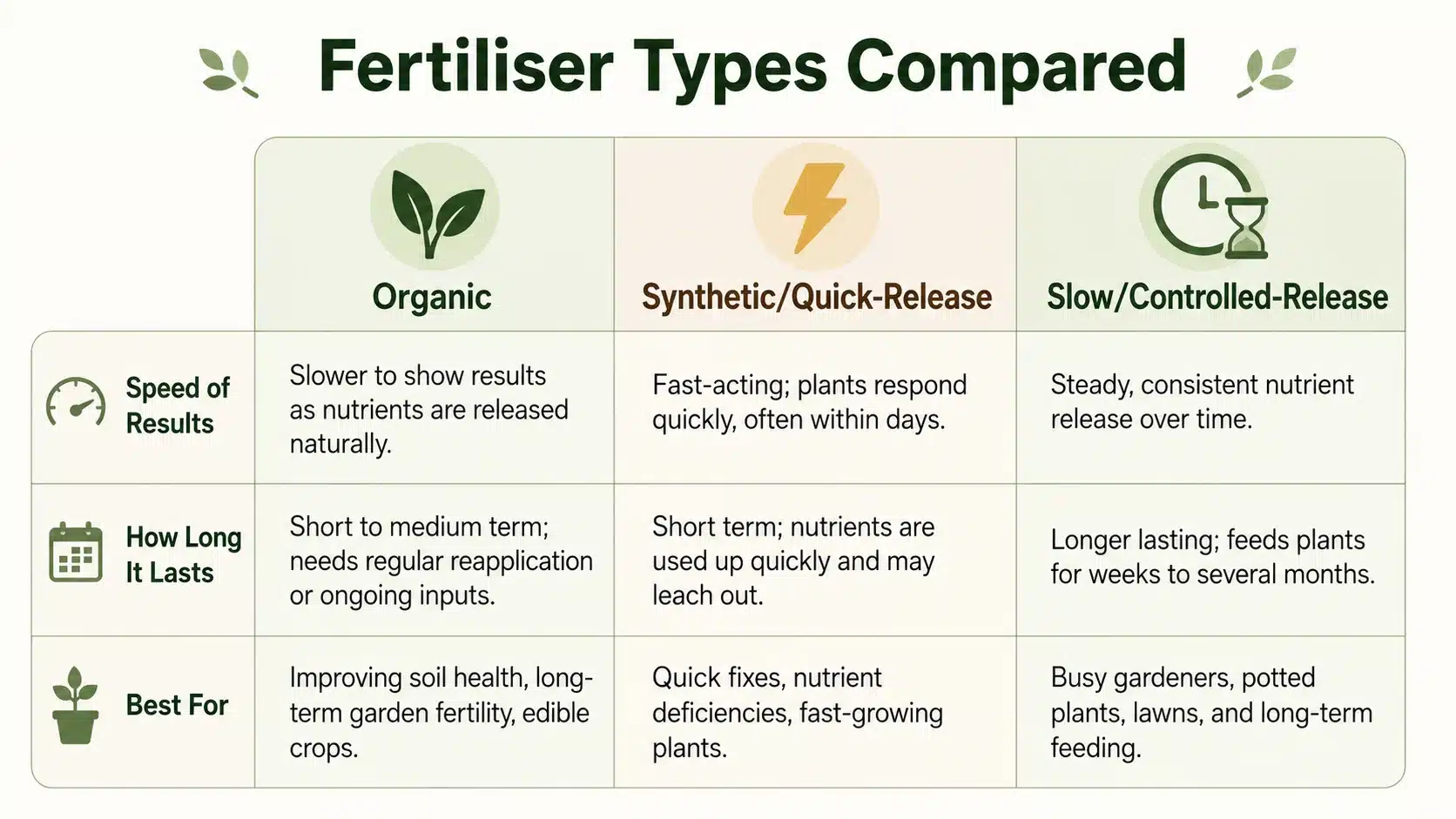
The right fertiliser depends on how fast you need results and how long you want them to last.
| Type | Speed of results | How long it lasts | Best for |
| Organic (compost, manure, worm castings) | Slow | Long, builds soil biology | General soil health, sustainable gardens |
| Synthetic/quick-release | Fast | Short | Correcting an acute deficiency |
| Slow/controlled-release | Moderate | Weeks to months | Low-maintenance feeding, reduced leaching |
What NPK Actually Means
Every fertiliser bag lists three numbers: Nitrogen (N), Phosphorus (P), and Potassium (K). Nitrogen drives leafy green growth, phosphorus supports root and flower development, and potassium supports overall plant hardiness and fruiting. Matching these ratios to what your plant is doing (growing leaves, flowering, fruiting) is more useful than picking a fertiliser by name alone.
If you’re building out a native garden bed rather than just feeding an existing one, our Australian Native Plants: A Complete Beginner’s Guide covers which species are most phosphorus-sensitive and how to plant around that from the start.
Fertiliser by Plant Category
| Plant category | Fertiliser need |
| Australian natives | Low-phosphorus formulation (many natives are phosphorus-sensitive) |
| Vegetables and edibles | Balanced NPK, fed regularly through the growing season |
| Lawns | Slow-release, applied as a seasonal top-dress |
| Ornamentals and flowering plants | Balanced NPK, potassium-boosted at bud stage |
For fruiting and edible plants specifically, our Fruit Trees for Australian Gardens guide breaks down feeding schedules by fruit type in more depth.
Step 5: Time It Right: Seasonal Fertilising by Soil Type
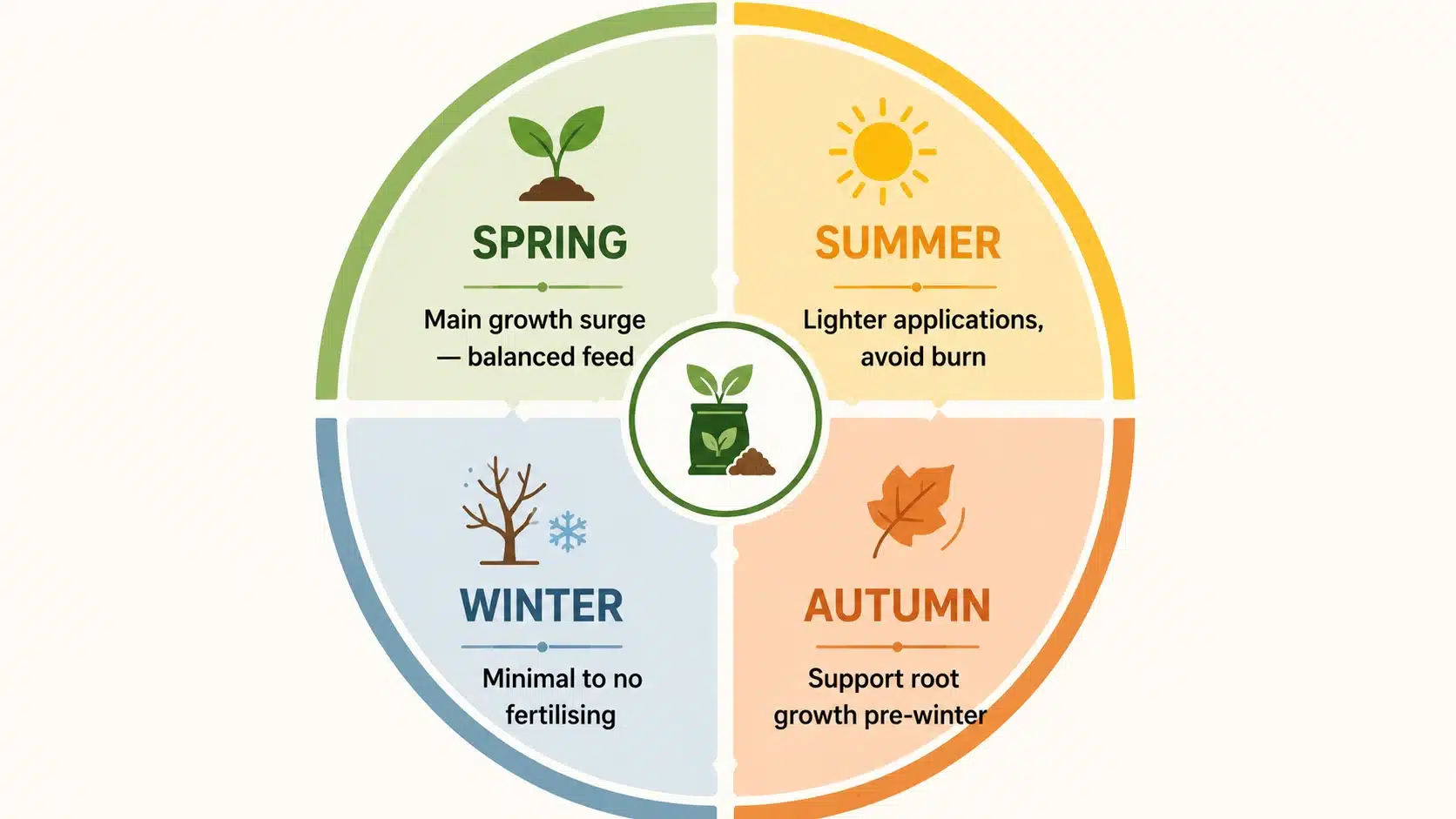
- Spring: main growth surge, apply a balanced or growth-stage-appropriate fertiliser.
- Summer: lighter applications, particularly on sandy soil, to avoid nutrient burn in heat.
- Autumn: a feed to support root development before winter dormancy.
- Winter: minimal to no fertilising for most natives and dormant plants.
If you’re managing fruit trees specifically, it’s worth pairing this fertilising calendar with our Fruit Tree Pruning Calendar Australia, since pruning and feeding timing often overlap.
Sandy soils generally need lighter, more frequent applications because nutrients leach through quickly. Clay soils hold nutrients longer and need less frequent, slightly heavier applications.
Reading the Warning Signs! Common Deficiency and Soil-Related Problems
Yellowing Leaves
Why: Often magnesium or iron deficiency, common in sandy or alkaline soils. Fix: Epsom salts for magnesium; iron chelate for iron deficiency in alkaline conditions. Prevent: Regular organic matter additions and periodic pH testing. Seeing this indoors rather than in the garden? Our Yellow Leaves Indoor Plant Australia guide covers the container-specific causes and fixes.
Poor Flowering or Fruiting
Why: Usually excess nitrogen relative to potassium, pushing leaf growth over blooms. Fix: Switch to a potassium-boosted, lower-nitrogen fertiliser at bud stage. Prevent: Match fertiliser ratio to growth stage rather than using one all-purpose blend year-round.
Leaf Burn or Stunted Growth After Fertilising
Why: Typically over-fertilising or applying a strong synthetic product to dry soil. Fix: Flush the area thoroughly with water. Prevent: Follow label application rates and favour slow-release products where timing is uncertain.
Common Mistakes Australian Gardeners Make With Soil and Fertiliser
New to gardening altogether? These mistakes are covered in broader context in our Beginner Gardening Guide Australia.
- Adding sand to clay soil, which creates a hard, concrete-like mix.
- Fertilising before fixing a drainage or compaction problem.
- Using a high-phosphorus fertiliser on phosphorus-sensitive natives.
- Relying only on synthetic quick-release products without building soil biology over time.
- Skipping a pH check before applying pH-sensitive nutrients like iron or lime.
Conclusion
Getting soil and fertiliser right in an Australian garden comes down to a simple sequence: identify what soil you actually have, fix its structural weaknesses, then choose a fertiliser matched to both that soil and the plants growing in it, timed to the season. Treat it as an ongoing cycle rather than a one-off fix, and you’ll get far more out of every fertiliser application than by guessing at a product off the shelf. This soil and fertiliser groundwork applies across your whole garden, for species-specific planting and layout advice, see our Best Trees and Shrubs for Australian Gardens pillar guide.
FAQs
What is the best all-purpose fertiliser for Australian gardens?
There isn’t a single best option, a balanced, slow-release fertiliser suits most general garden beds, but natives need a low-phosphorus formulation and lawns benefit more from a dedicated lawn feed.
How often should I test my soil pH?
Annually is sufficient for most established gardens, ideally in autumn before the main planting season; more demanding crops like vegetables can benefit from more frequent checks.
Can I use the same fertiliser for natives and exotics?
Not ideally! many Australian natives are sensitive to high phosphorus levels found in standard fertilisers, so a low-phosphorus native formulation is safer.
What’s the fastest way to fix waterlogged clay soil?
Add gypsum and organic matter to open up the structure, and avoid working the soil while it’s wet, as this compacts it further.
Do sandy soils need fertiliser more often than clay soils?
Yes! sandy soils drain quickly and leach nutrients faster, so they generally need lighter, more frequent feeding than clay soils.
What does NPK mean on a fertiliser bag?
It’s the ratio of Nitrogen, Phosphorus, and Potassium, nitrogen for leafy growth, phosphorus for roots and flowers, potassium for overall hardiness and fruiting.
11 Comments